
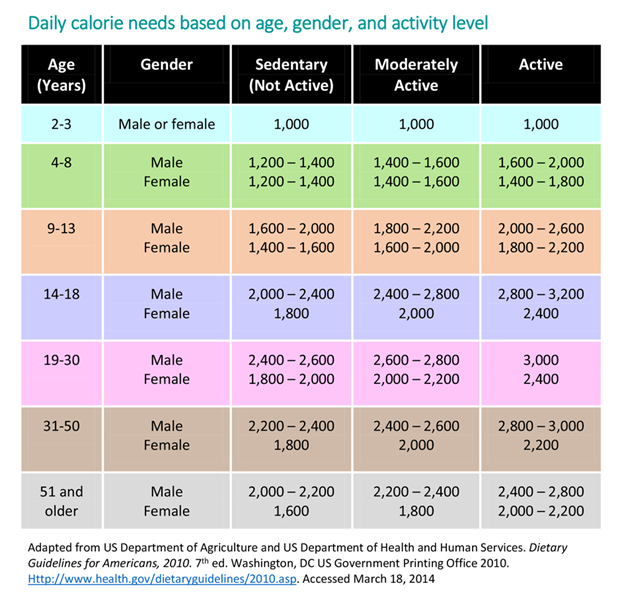
For decades, the answer to the question “How many calories should I eat a day?” was found on the back of a cereal box or in a static chart at a doctor’s office. The “2,000-calorie diet” became a global benchmark, a one-size-fits-all solution for a biological machine as complex and varied as the human body. However, as we move deeper into the era of the Internet of Things (IoT), artificial intelligence, and high-precision wearables, the methodology behind determining caloric intake has undergone a digital transformation.
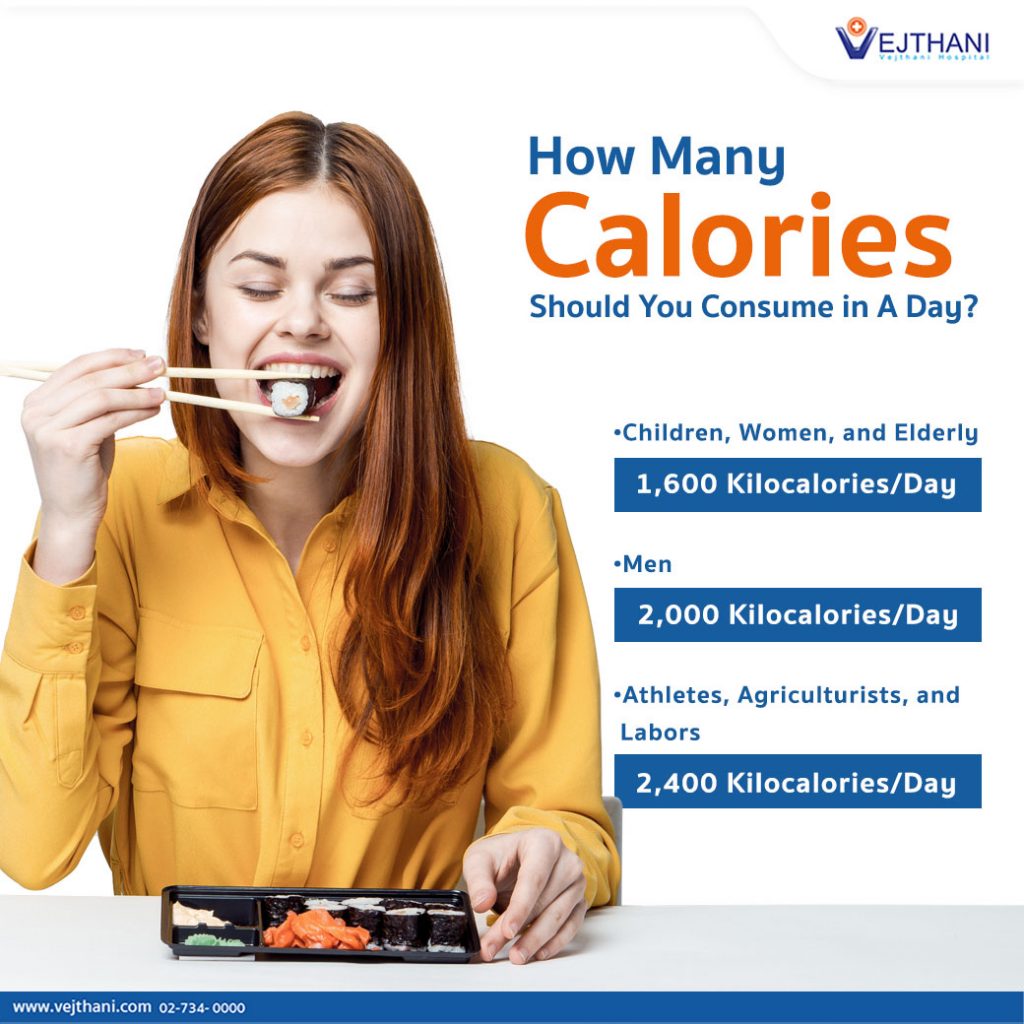
In the modern tech landscape, calorie counting is no longer a matter of manual addition and guesswork. It has evolved into a sophisticated data science project. By leveraging biometric sensors, machine learning algorithms, and real-time data processing, we are shifting from general estimates to “precision nutrition.” This article explores the technological ecosystem that now answers this fundamental health question with unprecedented accuracy.
The Evolution of the Caloric Equation: From Basic Math to AI Algorithms
Traditionally, determining caloric needs relied on formulas like the Harris-Benedict equation or the Mifflin-St Jeor formula. While these were groundbreaking at their inception, they were limited by their static nature, relying solely on age, sex, weight, and height. Today, software engineers and data scientists are replacing these linear equations with dynamic, multi-variable algorithms.
Moving Beyond the Mifflin-St Jeor Formula
The primary flaw in traditional formulas is their inability to account for individual metabolic variance. Two people with identical physical profiles can have vastly different Resting Metabolic Rates (RMR) due to muscle density, hormonal profiles, and gut microbiome composition. Modern health tech platforms now integrate these “hidden variables” by using historical data sets and user-specific inputs. By applying software-based corrections to traditional math, apps can now predict caloric expenditure with a much lower margin of error, adapting to the user as they lose weight or gain muscle in real-time.
The Role of Machine Learning in Metabolic Prediction
Machine Learning (ML) is perhaps the most significant advancement in the niche of nutritional technology. Unlike a static formula, an ML model improves over time. When a user logs their food intake and tracks their weight via a smart scale, the algorithm observes the delta between the predicted outcome and the actual result. If a user eats the “recommended” calories but doesn’t lose weight, the AI identifies this discrepancy and recalibrates the user’s metabolic profile. This creates a “living” caloric target that evolves alongside the user’s biology, a feat impossible without the processing power of modern cloud computing.
Wearable Technology and Real-Time Metabolic Tracking
The hardware revolution has moved the laboratory into the living room. Where once an accurate caloric burn assessment required a “metabolic chamber” or expensive “doubly labeled water” tests, we now have sophisticated sensors strapped to our wrists and even embedded under our skin.
Biometric Sensors and Continuous Glucose Monitoring (CGM)
One of the most exciting shifts in the tech-health space is the consumerization of Continuous Glucose Monitors (CGMs). Originally designed for diabetics, devices from companies like Levels or Nutrisense allow healthy individuals to see how their blood sugar responds to specific foods in real-time. This is crucial for the “how many calories” question because not all calories are processed equally by the body. A high-tech approach recognizes that a 500-calorie bowl of processed cereal might trigger a glucose spike and subsequent insulin response that halts fat oxidation, whereas 500 calories of healthy fats may not. CGMs provide the data layer necessary to understand how caloric intake impacts metabolic health on a granular level.
Smartwatches and the Accuracy of Active Burn Data
Devices like the Apple Watch, Garmin, and WHOOP have revolutionized how we calculate “Total Daily Energy Expenditure” (TDEE). These devices use photoplethysmography (PPG) to track heart rate and accelerometers to track movement. The sophisticated software then calculates “Active Calories” by cross-referencing heart rate intensity against the user’s baseline. While early iterations were criticized for inaccuracy, the current generation of wearables uses proprietary heat-map algorithms and massive biometric databases to provide a highly reliable estimate of how many extra calories a user can “afford” to eat based on their daily movement.
The Rise of AI Nutritionists and Personal Health Ecosystems
The data collected by wearables and scales is only as good as the interface used to interpret it. The emergence of Generative AI and Natural Language Processing (NLP) is turning raw data into actionable insights, effectively acting as a digital nutritionist that lives in your pocket.
Natural Language Processing (NLP) in Food Logging
One of the greatest friction points in determining daily caloric intake is the tedious process of food logging. Tech has solved this through NLP and computer vision. Instead of searching a database for “Large Apple,” users can now snap a photo of their meal. AI-driven apps like SnapCalorie use computer vision to estimate portion sizes and caloric density from a single image. Furthermore, NLP allows users to speak to their devices—”I had a handful of almonds and a latte”—and have the software automatically parse the nutritional data, calculate the totals, and subtract them from the daily budget.
Generative AI for Personalized Meal Planning
Generative AI models, such as GPT-4, are being integrated into health apps to provide hyper-personalized meal plans. Once the system knows your target calorie count based on your wearable data, it can generate a weekly grocery list that hits those exact macro-nutrients while adhering to dietary preferences. This creates a closed-loop system: the wearable tracks the output, the AI calculates the required input, and the generative model provides the execution strategy. This level of technological integration removes the cognitive load from the individual, making the “how many calories” question a background process managed by software.
Data Security and the Ethics of Digital Health Tracking
As we entrust technology with the intimate details of our biology—from our heart rate to every morsel of food we consume—the conversation inevitably shifts to the security of that data. The niche of “Health Tech” is uniquely sensitive, as it intersects with both personal privacy and corporate interests.
Protecting Sensitive Biometric Information
The question of “how many calories I should eat” involves gathering a significant amount of Personal Health Information (PHI). Digital security in this niche is paramount. Leading tech firms are now implementing end-to-end encryption for biometric data and utilizing “on-device” processing. By processing metabolic data locally on the smartphone rather than in the cloud, companies can provide personalized insights without the user’s biological profile ever leaving their hardware. As the industry matures, we are seeing the adoption of blockchain technology to give users “sovereign identity” over their health data, allowing them to choose exactly which apps or researchers can access their caloric history.
The Future of Interoperable Health Platforms
The final frontier in this tech niche is interoperability. Currently, many users suffer from “data silos”—their running watch doesn’t talk to their smart scale, which doesn’t talk to their food logging app. The next generation of health tech focuses on APIs (Application Programming Interfaces) that allow these platforms to communicate seamlessly. When your “smart fridge” knows you stayed under your calorie limit because your “smart ring” told it you had a high-intensity workout, the ecosystem is complete. This interconnectedness ensures that the answer to “how many calories should I eat today?” is based on a holistic view of the user’s digital footprint.
Conclusion: The Precision Revolution
The journey from a 2,000-calorie estimate to a real-time, AI-driven metabolic target represents a monumental shift in how we approach human health. We are moving away from the “average” and toward the “individual.” Technology has provided the tools to turn our bodies into readable data, allowing us to optimize our fuel intake with the same precision we use to optimize a high-performance engine or a complex software stack.
As algorithms become more sophisticated and sensors become more non-invasive, the question “How many calories should I eat a day?” will no longer be a question at all. It will be a dynamic metric, constantly updated and flawlessly integrated into our digital lives, ensuring that our nutrition is as advanced as the technology we use to track it. In the world of tech-driven health, the goal is clear: total optimization through data.
aViewFromTheCave is a participant in the Amazon Services LLC Associates Program, an affiliate advertising program designed to provide a means for sites to earn advertising fees by advertising and linking to Amazon.com. Amazon, the Amazon logo, AmazonSupply, and the AmazonSupply logo are trademarks of Amazon.com, Inc. or its affiliates. As an Amazon Associate we earn affiliate commissions from qualifying purchases.