
In the world of traditional finance, the supply of money is a fluid concept. Central banks can, and often do, increase the money supply through quantitative easing and low-interest rates to stimulate economic growth. However, in the realm of digital assets, the rules are fundamentally different. For anyone looking at Bitcoin through the lens of personal finance and investing, the most critical question isn’t just “what is it?” but rather “how many Bitcoin exist?”
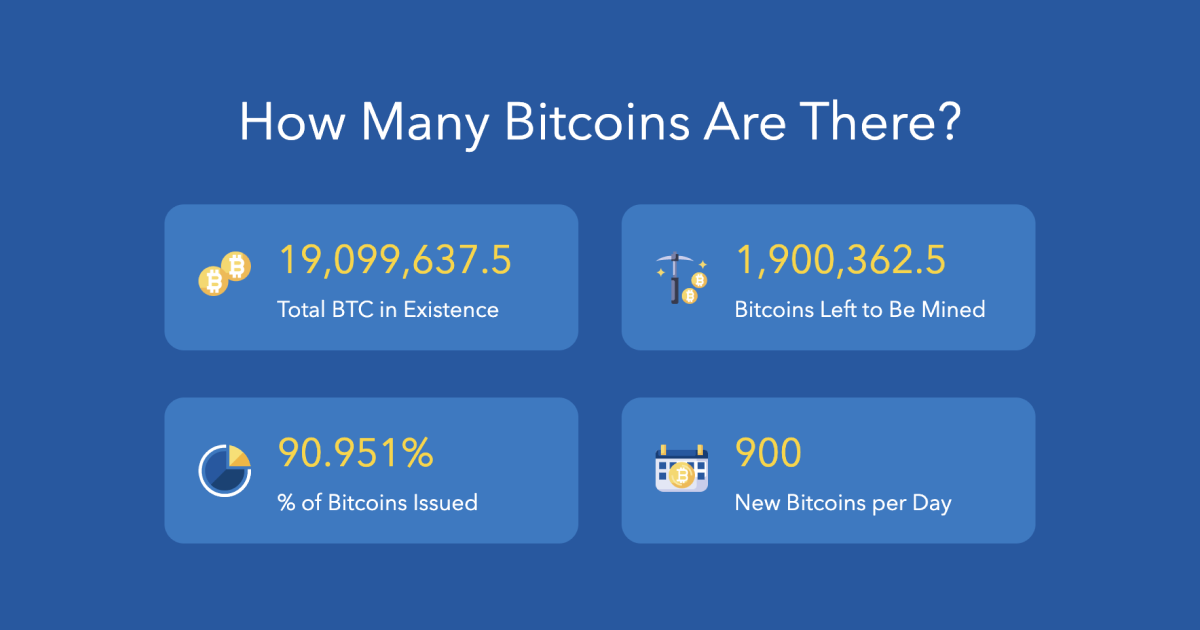
The answer to this question defines Bitcoin’s identity as “digital gold” and underpins its entire value proposition. As of mid-2024, approximately 19.7 million Bitcoins have been mined and are in circulation. Yet, the story of Bitcoin’s supply is far more complex than a single number. It involves a hard cap, a predictable issuance schedule, and the fascinating reality of “lost” coins that further constrain the available supply.
The Fixed Supply Cap: Why 21 Million Matters
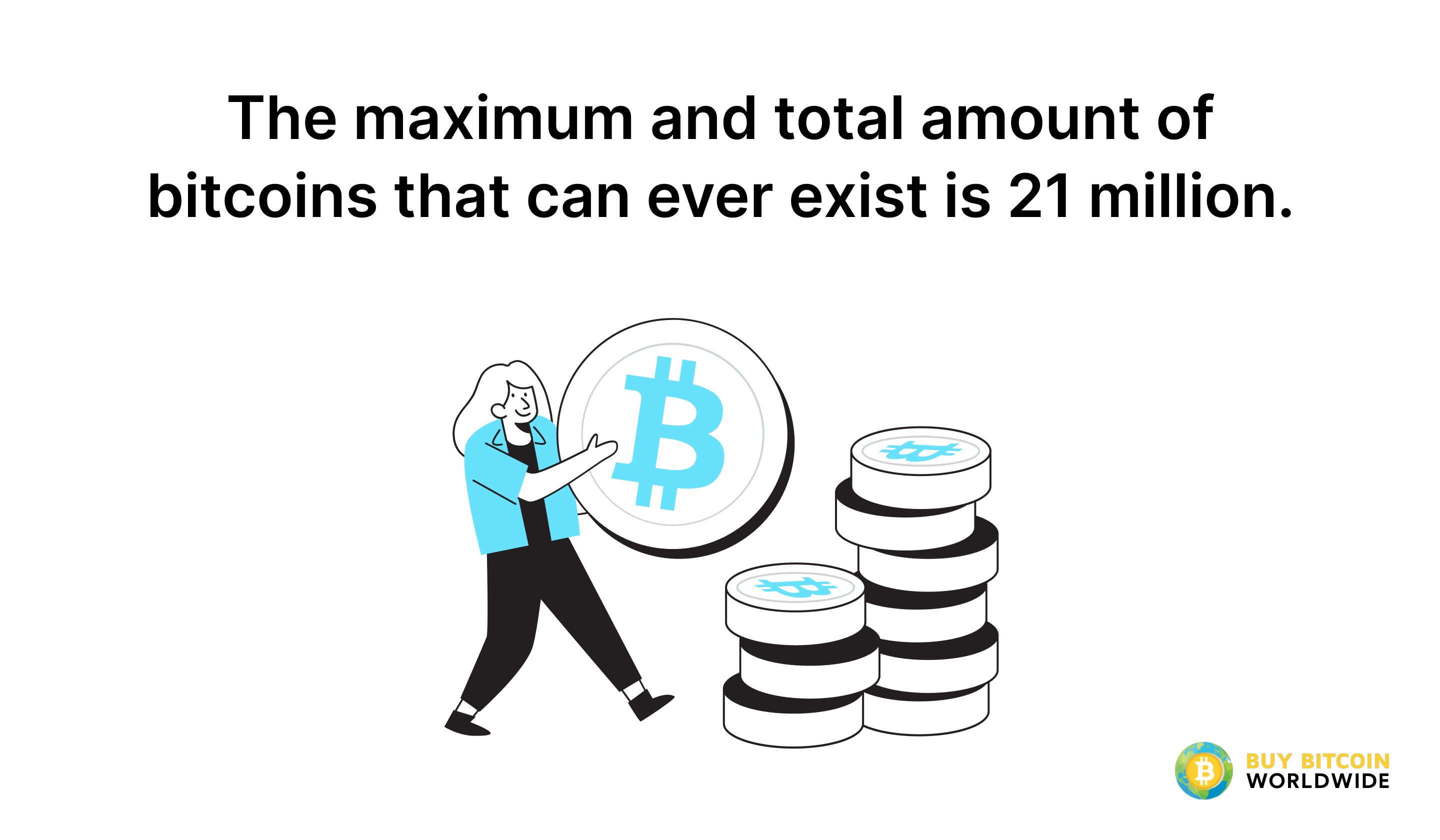
The most revolutionary aspect of Bitcoin’s monetary policy is its absolute scarcity. Unlike the US Dollar, the Euro, or the Yen, there is a hard limit on the total number of Bitcoins that will ever be created: 21 million. This limit is hardcoded into the Bitcoin protocol by its pseudonymous creator, Satoshi Nakamoto, and remains one of the most sacred rules of the network.
The Genesis of Scarcity
In traditional investing, scarcity is a primary driver of value. Gold is valuable because it is difficult to find and expensive to extract. Bitcoin replicates this physical scarcity in a digital format. By capping the supply at 21 million, Nakamoto ensured that Bitcoin would be a deflationary (or at least non-inflationary) asset over the long term. For investors, this provides a hedge against the devaluation of fiat currencies, which can be printed in infinite quantities.
How the Protocol Enforces the Limit
The 21 million cap is not maintained by a central board or a government agency. Instead, it is enforced by a global network of computers (nodes) running the Bitcoin software. Every node on the network verifies that new coins are created only according to the predetermined schedule. If a rogue miner attempted to create “extra” Bitcoin, the rest of the network would automatically reject those coins as invalid. This programmatic certainty is what gives investors confidence in Bitcoin’s long-term purchasing power.
Circulating Supply vs. Maximum Supply
While the maximum supply is 21 million, the “circulating supply”—the number of Bitcoins currently available—is what moves the market on a day-to-day basis. Understanding how these coins enter the market is essential for any serious investor or financial strategist.
The Role of Mining and Block Rewards
Bitcoin enters circulation through a process called “mining.” Miners use powerful hardware to solve complex mathematical puzzles, securing the network in the process. As a reward for their work, they are granted newly minted Bitcoins. This is the only way new units are created. In the early days of Bitcoin (2009), the reward was 50 BTC every ten minutes. Today, that reward is significantly lower, reflecting the deliberate slowing of supply growth.
The Halving Cycle and Its Impact on Price
The “Halving” is perhaps the most anticipated event in the crypto-financial calendar. Approximately every four years (or every 210,000 blocks), the reward for mining is cut in half. We have seen rewards drop from 50 to 25, then 12.5, then 6.25, and most recently to 3.125 BTC in April 2024.
From a money management perspective, the Halving represents a “supply shock.” If demand for Bitcoin remains constant or increases while the rate of new supply is cut by 50%, basic economic theory suggests an upward pressure on price. Historically, the year following a Halving has seen significant bull markets, making the “how many exist” question a central pillar of speculative and long-term investment strategies.
The Mystery of the “Lost” Bitcoin
When we say there are 19.7 million Bitcoins in existence, we are speaking mathematically. However, from a practical financial standpoint, the effective supply is much lower. Because Bitcoin is a bearer asset—meaning whoever holds the private keys owns the coins—losing those keys means the coins are gone forever.
Dormant Addresses and Satoshi Nakamoto’s Stash
It is estimated that roughly 3 to 4 million Bitcoins are permanently lost. These include coins held in addresses where the owners have lost their passwords, discarded hard drives containing early wallets, or passed away without leaving instructions for their heirs.
One of the largest “dormant” stashes belongs to Satoshi Nakamoto. It is estimated that Nakamoto mined about 1.1 million BTC in the network’s infancy. These coins have not moved in over a decade. While they are technically part of the 19.7 million “in existence,” most analysts treat them as if they will never enter the market.
Why Irretrievable Coins Increase Value for Holders
In the world of personal finance, “lost” supply is actually a gift to existing holders. If 20% of the total supply is lost, it effectively makes the remaining 80% more scarce. Unlike a company issuing new shares (dilution), Bitcoin experiences a form of “accidental burning.” As coins disappear from the active market, each remaining Satoshi (the smallest unit of Bitcoin) represents a larger percentage of the total available wealth, theoretically increasing its individual value over time.
Bitcoin as a Hedge Against Monetary Inflation
To understand the importance of how many Bitcoins exist, one must compare it to the current state of global business finance. We live in an era of “easy money,” where debt-to-GDP ratios are at historic highs and the purchasing power of the dollar has declined steadily for decades.
Comparing Bitcoin to Fiat Currency
The US Dollar has no supply cap. Between 2020 and 2022, the M2 money supply in the United States grew at an unprecedented rate. When more money chases the same amount of goods and services, prices rise—this is inflation. Bitcoin offers a counter-narrative. Because its supply is fixed and its issuance schedule is transparent, it cannot be manipulated by political whims or emergency fiscal policies. This makes it an attractive “side hustle” for capital preservation.
The Concept of “Hard Money” in a Digital Age
Economists often refer to assets with a low rate of new supply relative to existing supply as “hard money.” Gold has historically been the premier hard money. Bitcoin, however, is arguably “harder.” While a massive discovery of gold ore could theoretically flood the market and lower prices, no amount of effort, technology, or demand can change the 21 million limit of Bitcoin. For an investor building a diversified portfolio, Bitcoin represents a unique asset class: a predictable, mathematically provable store of value.
The Future of Bitcoin Issuance
We are currently in the final stages of Bitcoin’s distribution. While 94% of all Bitcoins have already been mined, the remaining 6% will take over a century to enter the market.
Life After the Last Bitcoin is Mined
The last Bitcoin is expected to be mined around the year 2140. At that point, the supply will stay fixed at 21 million (minus whatever has been lost). This raises a common question in financial circles: “What happens to the miners when there are no more new coins to reward them?”
Transaction Fees and Network Security
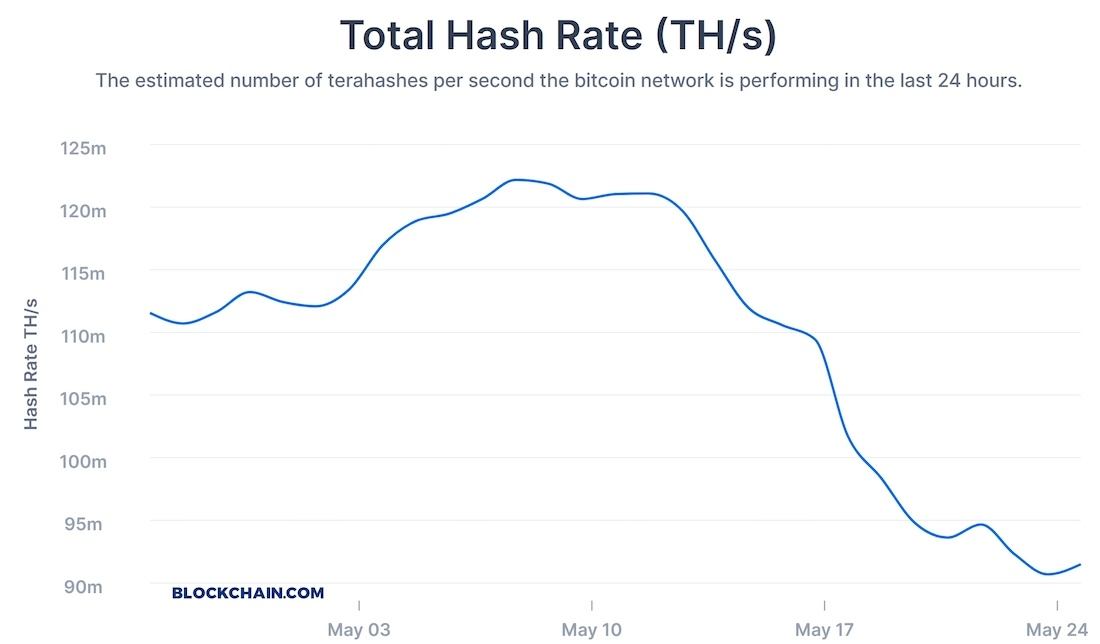
The Bitcoin protocol transition from a “block reward” model to a “transaction fee” model. Even today, miners receive a portion of their income from the fees paid by users to send transactions. As the network grows and the issuance of new coins nears zero, these fees will become the primary incentive for miners to continue securing the network. For the investor, this means Bitcoin will evolve from a speculative growth asset into a mature financial network, where the value is driven by utility and the immutable nature of its 21 million cap.
Conclusion: The Power of the Known
In finance, uncertainty is the enemy. Investors pay a premium for clarity and predictability. The question “how many Bitcoin exist” provides the ultimate clarity. We know exactly how many there are today, how many will be created tomorrow, and exactly when the last one will be minted.
Whether you view Bitcoin as a risky speculative play or a foundational pillar of a modern personal finance strategy, its fixed supply is its most defining characteristic. In a world of infinite digital copies and endless fiat printing, the 21 million limit of Bitcoin stands as a testament to the power of digital scarcity. For those looking to preserve wealth across generations, the math of Bitcoin offers a level of certainty that no central bank can match.
aViewFromTheCave is a participant in the Amazon Services LLC Associates Program, an affiliate advertising program designed to provide a means for sites to earn advertising fees by advertising and linking to Amazon.com. Amazon, the Amazon logo, AmazonSupply, and the AmazonSupply logo are trademarks of Amazon.com, Inc. or its affiliates. As an Amazon Associate we earn affiliate commissions from qualifying purchases.