
When discussing the history of finance, we often speak in centuries. We look at the establishment of the Dutch East India Company in the 1600s or the creation of the Federal Reserve in 1913. However, in the realm of digital finance, the timeline is much tighter, yet exponentially more volatile. To answer the question “how long has Bitcoin been around,” one must look back to the fallout of the 2008 global financial crisis. As of today, Bitcoin has been operational for over 15 years—a period during which it has evolved from a niche cryptographic experiment into a cornerstone of the modern investment landscape.
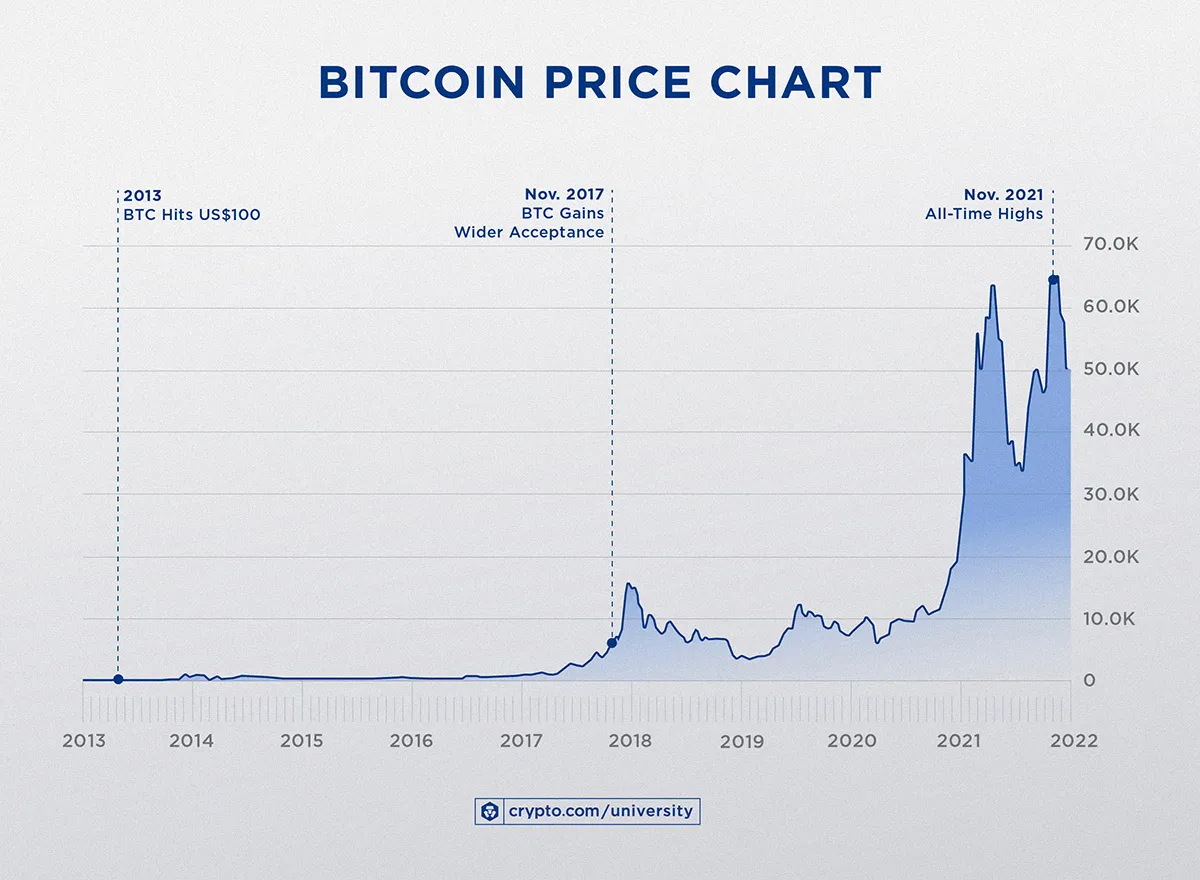
For investors, the longevity of Bitcoin is not just a trivia point; it is a measure of resilience. In the world of finance, the “Lindy Effect” suggests that the longer a non-perishable thing—like an idea or a digital asset—has survived, the longer it is likely to persist in the future. By surviving a decade and a half of regulatory scrutiny, technological hurdles, and extreme market cycles, Bitcoin has transitioned from a speculative gamble into a legitimate asset class.
The Genesis of a New Financial System (2008–2009)
The story of Bitcoin’s age begins not with a line of code, but with a manifesto. In October 2008, an individual or group using the pseudonym Satoshi Nakamoto published the Bitcoin Whitepaper titled Bitcoin: A Peer-to-Peer Electronic Cash System. This document was a direct response to the fragility of the traditional banking system, which was then reeling from the subprime mortgage collapse.
The Whitepaper that Changed Money
The whitepaper did not just propose a new currency; it proposed a new way of recording value without the need for a central intermediary. By utilizing a decentralized ledger—the blockchain—Nakamoto solved the “double-spending problem” that had plagued previous attempts at digital money. For the first time in history, humans had a way to transfer value globally, instantly, and permissionlessly. This conceptual birth in late 2008 set the stage for the actual “minting” of the first coins.
The Genesis Block and Early Transactions
On January 3, 2009, the Bitcoin network went live. Satoshi Nakamoto mined the “Genesis Block” (Block 0), which contained a coded message: “The Times 03/Jan/2009 Chancellor on brink of second bailout for banks.” This message timestamped the network’s birth and anchored its purpose as a financial alternative to the inflationary fiat system. For the first few years, Bitcoin had no market price. It was shared between hobbyists and cryptographers. It wasn’t until 2010 that the first commercial transaction occurred—the famous “Bitcoin Pizza” day—where 10,000 BTC were traded for two pizzas, valuing the asset at a fraction of a cent.
A Decade and a Half of Market Evolution
To understand how long Bitcoin has been around is to observe its rapid ascent through various economic phases. Since 2009, Bitcoin has outperformed almost every traditional asset class, including gold, the S&P 500, and real estate, albeit with significant price swings.
From “Magic Internet Money” to a Trillion-Dollar Asset
In its early years (2009–2013), Bitcoin was often dismissed as “magic internet money” used only by tech enthusiasts or on darknet markets. However, as the network grew, its economic properties became clearer. The fixed supply of 21 million coins created a “digital scarcity” that appealed to investors looking for a hedge against inflation. By the 2017 bull run, Bitcoin reached nearly $20,000, catching the attention of Wall Street. By 2021, its market capitalization exceeded $1 trillion, proving that it had survived its “infancy” and entered “adolescence.”
The Rise of Institutional Adoption
The most significant shift in Bitcoin’s 15-year history has been the move from retail speculation to institutional allocation. In the early 2010s, it was nearly impossible for a corporation to hold Bitcoin. Fast forward to the present, and companies like MicroStrategy and Tesla have added Bitcoin to their balance sheets. Furthermore, the 2024 approval of Spot Bitcoin ETFs (Exchange-Traded Funds) by the SEC marked a watershed moment. This allowed traditional investors to gain exposure to Bitcoin through their standard brokerage accounts, effectively integrating Bitcoin into the plumbing of the global financial system.
Bitcoin’s Role in Modern Wealth Management
Because Bitcoin has been around for over 15 years, financial advisors and portfolio managers now have enough historical data to analyze its performance. It is no longer an “unknown” variable; it is a calculated risk with a proven track record of recovery.
Understanding Halving Cycles and Scarcity
One of the reasons Bitcoin has survived and thrived is its programmatic monetary policy. Approximately every four years, the “Halving” event occurs, where the reward for mining new blocks is cut in half. This reduces the rate at which new supply enters the market. We have seen halvings in 2012, 2016, 2020, and 2024. These cycles have historically created supply shocks that lead to significant price appreciation, making Bitcoin an attractive long-term “buy and hold” asset for those looking to preserve purchasing power over 5-to-10-year horizons.
Bitcoin vs. Traditional Financial Tools (Gold and Fiat)
When comparing Bitcoin’s age to gold, Bitcoin is the newcomer. Gold has been a store of value for 5,000 years. However, Bitcoin is often referred to as “Gold 2.0” because it shares gold’s scarcity but improves upon its portability, divisibility, and verifiability. Unlike fiat currencies (such as the US Dollar), which lose value over time due to central bank printing, Bitcoin’s supply is capped by mathematics. In its 15 years of existence, the US Dollar has lost a significant percentage of its purchasing power, while Bitcoin has grown from zero to a global reserve asset.
The Lindy Effect and the Future of Digital Scarcity
As Bitcoin moves past its 15th anniversary, the narrative is shifting from “will it survive?” to “how will it be integrated?” The longer Bitcoin stays around, the more it cements its status as the “pristine collateral” of the digital age.
Regulatory Evolution and Global Recognition
For much of its life, Bitcoin operated in a “Grey Area.” Today, we see a much more defined regulatory landscape. Countries like El Salvador have adopted it as legal tender, and major economies are drafting frameworks (like MICA in Europe) to govern its use. This regulatory maturity is a direct result of Bitcoin’s longevity. Regulators can no longer ignore it, so they must find ways to incorporate it into the existing legal framework. This provides a level of “investor protection” that was missing during Bitcoin’s first decade.
The Role of Bitcoin in a Modern Portfolio
Today, many financial experts suggest a 1% to 5% allocation to Bitcoin for a diversified portfolio. This recommendation stems from Bitcoin’s “asymmetric return” profile—the idea that the potential upside significantly outweighs the downside, especially given its 15-year history of bouncing back from “crashes.” As it continues to age, Bitcoin is increasingly viewed not as a tech stock, but as a neutral, global, decentralized monetary network that provides an insurance policy against traditional financial instability.
In conclusion, Bitcoin has been around for 15 years, but in that short time, it has condensed centuries of financial evolution into a single decade and a half. From its humble beginnings in the wake of a banking crisis to its current status as a regulated financial product held by millions, Bitcoin’s age is a testament to its durability. For the modern investor, understanding this timeline is the first step in recognizing that Bitcoin is no longer a passing fad—it is a permanent fixture of the global financial architecture.
aViewFromTheCave is a participant in the Amazon Services LLC Associates Program, an affiliate advertising program designed to provide a means for sites to earn advertising fees by advertising and linking to Amazon.com. Amazon, the Amazon logo, AmazonSupply, and the AmazonSupply logo are trademarks of Amazon.com, Inc. or its affiliates. As an Amazon Associate we earn affiliate commissions from qualifying purchases.