
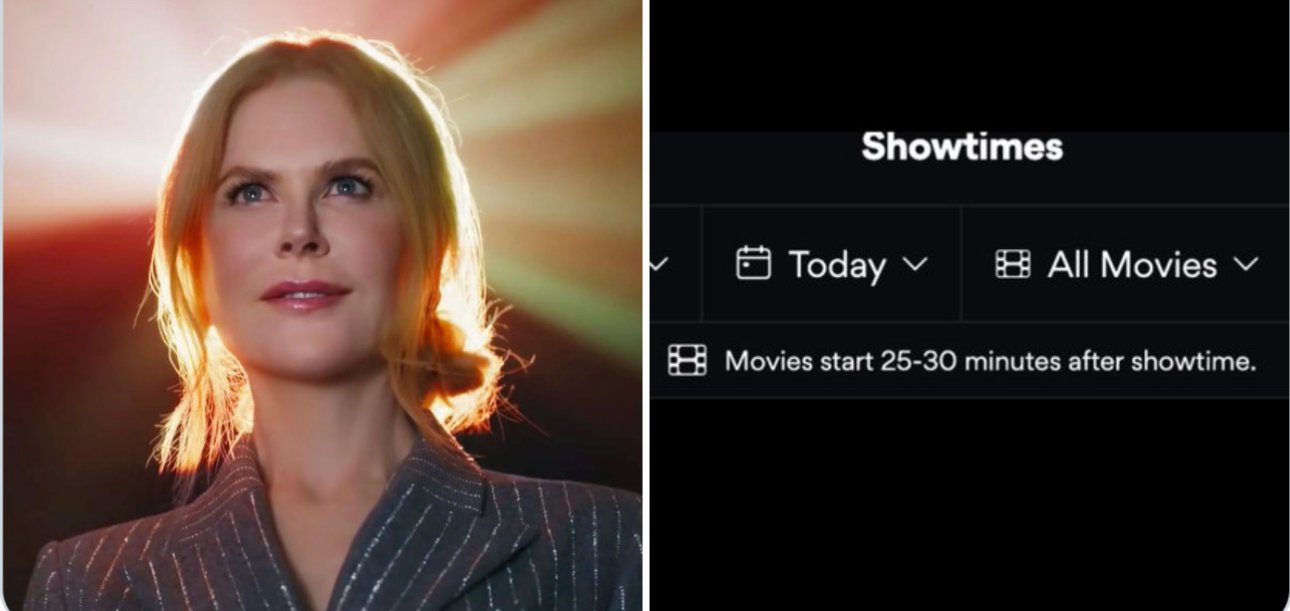
For the modern moviegoer, the question of “how long are previews at AMC” is more than a logistical inquiry; it is a fundamental part of the theatrical brand experience. While the short answer is typically 20 minutes, the strategic reasoning behind this window reveals a sophisticated approach to brand management, audience engagement, and corporate identity. AMC Theatres, the largest movie exhibition company in the world, does not view the pre-show as mere “dead air” or a delay to the feature film. Instead, it is a meticulously curated marketing engine designed to reinforce the AMC brand and build anticipation for future content.
In an era where streaming services offer instant gratification, AMC has doubled down on the “cinema as an event” philosophy. This article explores how AMC utilizes its lengthy preview window to solidify its brand strategy, monetize its audience’s attention, and maintain its status as a titan of the entertainment industry.
Decoding the AMC Brand Identity Through Cinema Previews
The AMC brand is built on the promise of a premium, immersive experience. The previews serve as the “onboarding” process for this experience. When a guest sits in a signature AMC Power Recliner, the 20-minute block of trailers and advertisements is the first touchpoint in their journey.
The Psychology of Anticipation
From a brand strategy perspective, the preview window is used to transition the consumer from the “outside world” into the “cinematic world.” AMC understands that the theater is a sanctuary. By standardizing a 20-minute preview period, the brand creates a reliable ritual. This window allows for late arrivals—a grace period that reduces consumer anxiety—while simultaneously building a psychological “crescendo” that makes the start of the feature film feel more significant.
“We Make Movies Better”: The Nicole Kidman Phenomenon
Perhaps the most potent example of AMC’s branding within the preview window is the now-iconic “We Make Movies Better” campaign featuring Nicole Kidman. Often played at the tail end of the previews, just as the lights dim to their lowest setting, this short film is a masterclass in corporate identity. It reinforces the brand’s core message: that movies are meant to be seen in a theater, specifically an AMC theater. The campaign became a viral sensation, not just because of its high production value, but because it gave AMC a “face” and a voice that resonated with the emotional attachment audiences have to cinema.
The Revenue Engine: How AMC Monetizes the Pre-Feature Slot
While trailers are the primary draw, the “pre-show” (the content that plays before the official start time) and the “previews” (the trailers after the start time) represent a massive revenue stream. AMC’s brand strategy involves a delicate balance between being an entertainment provider and a high-value advertising platform.
Partnership with Noovie and Screenvision Media
AMC’s brand identity is intertwined with its partnerships. By utilizing “Noovie” (provided by National CineMedia), AMC integrates interactive elements into the pre-show. This is a strategic move to gamify the theater experience. For the AMC brand, this serves a dual purpose: it keeps the audience engaged so they don’t spend the entire 20 minutes on their phones, and it provides a lucrative channel for third-party brands to reach a captive, high-intent audience.
Native Advertising and Brand Integration
AMC also uses the preview window to market its own ecosystem. This includes advertisements for AMC Stubs (their loyalty program), the AMC credit card, and the theater’s high-margin food and beverage offerings. By placing these advertisements within the high-gloss environment of movie trailers, AMC elevates its own sub-brands. The message is clear: the AMC brand isn’t just where you watch movies; it’s a membership club and a culinary destination.
Trailer Curation: A Masterclass in Target Marketing
The content of the previews is rarely random. AMC works closely with film studios to ensure that the trailers shown are perfectly aligned with the demographic profile of the audience in the seats. This is a critical component of brand consistency.

Selecting the Right “Coming Attractions”
If a consumer is at AMC to watch a high-budget superhero film, the 20 minutes of previews will be dominated by action, sci-fi, and tentpole franchises. This data-driven curation ensures that the AMC brand is seen as a curator of taste. By showing audiences exactly what they want to see next, AMC increases the “Customer Lifetime Value” (CLV), ensuring that the guest will return in two to three months for the next blockbuster.
Building Long-Term Franchise Loyalty
The preview window is the birthplace of film franchises. AMC’s commitment to showing extended previews and “first looks” cements its brand as a destination for “the first to know.” This positioning is vital in a competitive landscape. When AMC debuts an exclusive look at a highly anticipated sequel, it reinforces the brand’s authority within the film industry and its proximity to Hollywood’s inner circle.
Operational Consistency and the Customer Journey
The 20-minute standard is a “Brand Promise.” In the world of marketing, consistency is the bedrock of trust. If a customer knows exactly how long the previews will last, they can plan their evening with precision.
The Standard 20-Minute Window
AMC has faced criticism in the past for the length of its previews, with some sessions stretching toward 25 minutes. However, from a brand management standpoint, this window is a calculated risk. The brand bets that the quality of the content (IMAX trailers, Dolby Cinema demonstrations) will outweigh the frustration of the wait. By standardizing this time, AMC sets expectations. A guest at an AMC in New York has the same brand experience as a guest in Los Angeles, which is essential for a global corporate identity.
Balancing Advertising with Brand Trust
One of the greatest challenges to the AMC brand is “ad fatigue.” If the preview window contains too many commercials and not enough trailers, the brand equity begins to erode. AMC manages this by “sandwiching” commercials between high-octane trailers. This strategic placement ensures that the audience remains receptive. The goal is to make the ads feel like a part of the “show” rather than an interruption of it.
The Future of the AMC Brand in a Post-Streaming World
As the theatrical window evolves, AMC’s use of the preview time is likely to change. The brand must continue to innovate to prove that the “theatrical experience” is worth the 20-minute wait before the movie begins.
Transforming Previews into Exclusive Brand Events
We are already seeing AMC experiment with “Early Access” screenings and “Fan Events,” where the preview window is replaced or augmented with behind-the-scenes footage, director Q&As, and exclusive merchandise offers. This shifts the AMC brand from a passive exhibitor to an active participant in the filmmaking process. It turns the “wait” into a “perk,” further differentiating AMC from home-viewing options.
Enhancing Sensory Branding with Dolby and IMAX
AMC’s partnerships with Dolby and IMAX are central to its “Premium Large Format” (PLF) branding. During the previews, AMC often runs “sensory” ads—such as the “The Projector” or “The Power of Sound” clips—that utilize the full range of the theater’s technical capabilities. This isn’t just tech; it’s branding. It tells the consumer, “You are in an AMC theater, and your home setup cannot replicate this.” By the time the previews end, the audience has been primed to appreciate the technical superiority of the AMC brand.
Conclusion: The Strategic Value of the 20-Minute Wait
So, how long are previews at AMC? While the clock says 20 minutes, the brand strategy says much more. That window is a high-value period of brand immersion, revenue generation, and audience education. Through the use of iconic spokespeople like Nicole Kidman, strategic partnerships with Noovie, and the careful curation of “Coming Attractions,” AMC has turned a potential annoyance into a pillar of its corporate identity.
For AMC, the previews are not an obstacle to the movie; they are the preamble to the brand promise. They remind the audience that they are part of a storied tradition of cinema-going, a tradition that AMC intends to lead well into the future. By maintaining this consistent, high-quality pre-show environment, AMC ensures that when the lights finally go down, the audience isn’t just ready for a movie—they are fully immersed in the AMC experience.
aViewFromTheCave is a participant in the Amazon Services LLC Associates Program, an affiliate advertising program designed to provide a means for sites to earn advertising fees by advertising and linking to Amazon.com. Amazon, the Amazon logo, AmazonSupply, and the AmazonSupply logo are trademarks of Amazon.com, Inc. or its affiliates. As an Amazon Associate we earn affiliate commissions from qualifying purchases.