
The act of boarding an aircraft, seemingly a simple transition from gate to seat, is in reality a highly choreographed operational ballet that profoundly impacts a passenger’s overall perception of an airline. For American Airlines, one of the world’s largest carriers, this process is far more than just getting people onto a plane; it’s a critical touchpoint in their brand strategy, a moment where efficiency, customer service, and the tangible delivery of their brand promise are put to the test. In an industry where competition is fierce and customer loyalty is hard-won, how American Airlines manages its boarding process speaks volumes about its corporate identity, its commitment to different passenger segments, and its ongoing effort to balance operational imperatives with customer satisfaction.
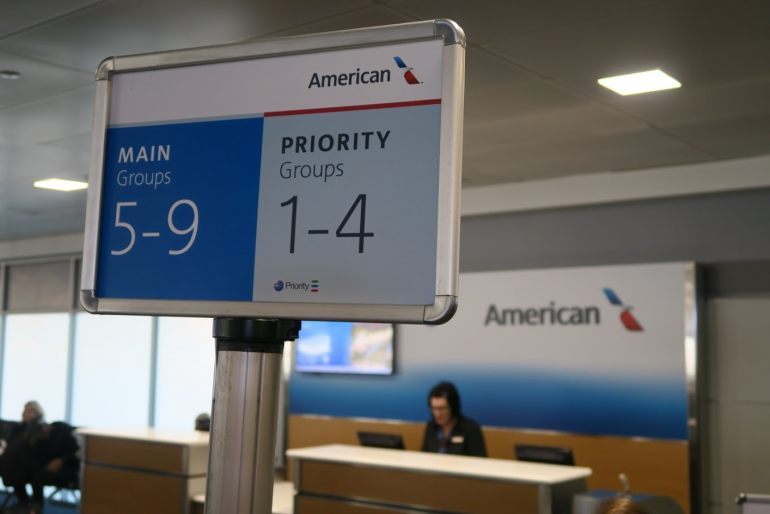
This article delves into the specifics of American Airlines’ boarding methodology, examining it through the lens of brand strategy. We will explore how their tiered boarding groups reflect their value proposition, how communication and technology underpin the experience, and the strategic implications of an efficient, or conversely, a chaotic boarding process on customer perception and loyalty. Understanding “how American Airlines boards” is to understand a significant facet of their customer experience management and brand delivery.
The Boarding Process as a Crucial Brand Touchpoint
Every interaction a customer has with a brand contributes to their overall perception, and for an airline, the boarding process stands out as particularly impactful. It’s often the culmination of a passenger’s pre-flight journey – navigating check-in, security, and gate waits – and the precursor to their in-flight experience. For American Airlines, this moment is a pivotal opportunity to reinforce its brand values, whether they are efficiency, premium service, or reliable connectivity.
First Impressions and Lasting Perceptions
The boarding gate is a crucible where a brand’s promises meet reality. A smooth, organized boarding process can instill confidence and reduce pre-flight stress, setting a positive tone for the entire journey. Passengers appreciate clarity, efficiency, and a sense of order. When the process is chaotic, confusing, or significantly delayed, it can quickly erode trust, creating anxiety and frustration that color the perception of the airline long after the flight has landed. American Airlines, therefore, must meticulously manage this phase to ensure it aligns with its desired brand image of a dependable and customer-centric carrier. The experience at the gate, from the demeanor of the gate agents to the clarity of announcements, directly contributes to whether a passenger feels valued and respected, or merely processed. This immediate feeling can translate into a lasting impression, influencing future booking decisions and word-of-mouth recommendations, both vital for brand health.
Operational Efficiency Versus Customer Experience
The strategic challenge for American Airlines, like any major airline, is to balance the imperative of operational efficiency with the need to deliver a positive customer experience. From an operational standpoint, boarding an aircraft quickly and safely is paramount to maintaining on-time performance, minimizing gate turn-around times, and avoiding costly delays. Every minute an aircraft spends on the ground beyond its scheduled turn is a financial liability. However, prioritizing speed above all else can lead to a rushed, impersonal, and potentially confusing experience for passengers. The brand’s equity lies in finding the sweet spot: a process that is efficient enough to meet operational targets without making passengers feel like mere cargo. American Airlines employs a tiered boarding system as a key strategy to manage this balance, attempting to cater to diverse customer needs and expectations while maintaining a structured flow that respects flight schedules. The success of this balance directly impacts how the brand is perceived in terms of its ability to manage complex operations while still valuing the individual customer’s journey.
American Airlines’ Tiered Boarding Strategy
American Airlines utilizes a well-defined, multi-group boarding strategy designed to manage passenger flow effectively while simultaneously rewarding its most valuable customers. This tiered approach is a core component of its brand strategy, segmenting passengers and delivering differentiated experiences based on loyalty, fare class, and other factors.
Prioritizing Premium Passengers and Elevating the Brand
At the pinnacle of American Airlines’ boarding hierarchy are its most valued customers, a strategic choice that reinforces the airline’s premium service offerings and rewards loyalty. This group typically includes ConciergeKey members, Executive Platinum, Platinum Pro, and Platinum AAdvantage members, as well as those traveling in Flagship First, First Class, and Business Class. These passengers are among the first to board, allowing them ample time to settle into their seats, store their carry-on luggage without competition for overhead space, and enjoy pre-departure amenities.
This priority boarding serves a dual purpose for American Airlines’ brand. Firstly, it provides a tangible benefit to its most frequent and high-spending customers, reinforcing the value of elite status and premium cabin purchases. It’s a key retention strategy, ensuring that these passengers feel recognized and appreciated. Secondly, it elevates the perception of American Airlines as a premium carrier. By visibly prioritizing these segments, the airline subtly communicates its commitment to a higher standard of service, even to those boarding later. This differentiation is crucial in a competitive market, helping to justify higher fares and encouraging passengers to aspire to elite status or upgrade their travel class. The smooth, unhurried start to their journey for these passengers significantly contributes to their overall satisfaction and loyalty to the American Airlines brand.
Loyalty Program Benefits and Brand Engagement
Beyond the highest echelons, American Airlines’ boarding groups continue to reflect its commitment to its AAdvantage loyalty program. Gold AAdvantage members and Oneworld Sapphire and Ruby members typically board in subsequent priority groups. This strategy extends the feeling of recognition and reward to a broader base of loyal customers, making the AAdvantage program more attractive and fostering deeper brand engagement.
Offering priority boarding to these tiers acts as a powerful incentive for passengers to consolidate their travel with American Airlines and its partners. It’s a non-monetary perk that has significant value for many travelers, particularly those who frequently carry overhead luggage or prefer to settle in without rush. From a brand perspective, this reinforces the idea that loyalty pays off, creating a virtuous cycle where increased engagement with the AAdvantage program leads to a better travel experience, which in turn encourages more loyalty. It positions American Airlines not just as a transport provider, but as a partner in travel, recognizing and rewarding its community of frequent flyers.
General Boarding Groups and Managing Expectations
Following the priority groups, American Airlines systematically boards its Main Cabin passengers, often categorized into several groups (e.g., Group 5, 6, 7, 8) based on booking date, fare type, or other factors. Finally, Basic Economy passengers typically board last, often in Group 9. This sequential approach is vital for managing the sheer volume of passengers on a typical flight and ensuring a steady flow onto the aircraft.
For the general boarding groups, the brand challenge is to manage expectations effectively and minimize potential frustration. While these passengers do not receive priority, a clear, consistent, and well-communicated boarding process can still deliver a positive experience. American Airlines aims to achieve this by:
- Clear Announcements: Providing timely and concise updates on boarding progress and group calls.
- Gate Agent Efficiency: Ensuring gate agents are well-trained, personable, and efficient in scanning boarding passes and resolving minor issues.
- Digital Integration: Utilizing the American Airlines app to provide real-time boarding updates and group information, reducing the need for constant announcements and allowing passengers to manage their wait time more effectively.
By structuring these groups, American Airlines manages the practicalities of boarding while implicitly communicating its value proposition across different fare classes. Basic Economy, positioned as the most budget-friendly option, inherently comes with fewer perks, including being the last to board. This clear delineation helps manage customer expectations, aligning the service received with the fare paid and maintaining brand consistency across its product offerings. It’s a transparent system that, when executed well, can minimize dissatisfaction even for those in the last boarding groups.
Communication, Technology, and Brand Consistency
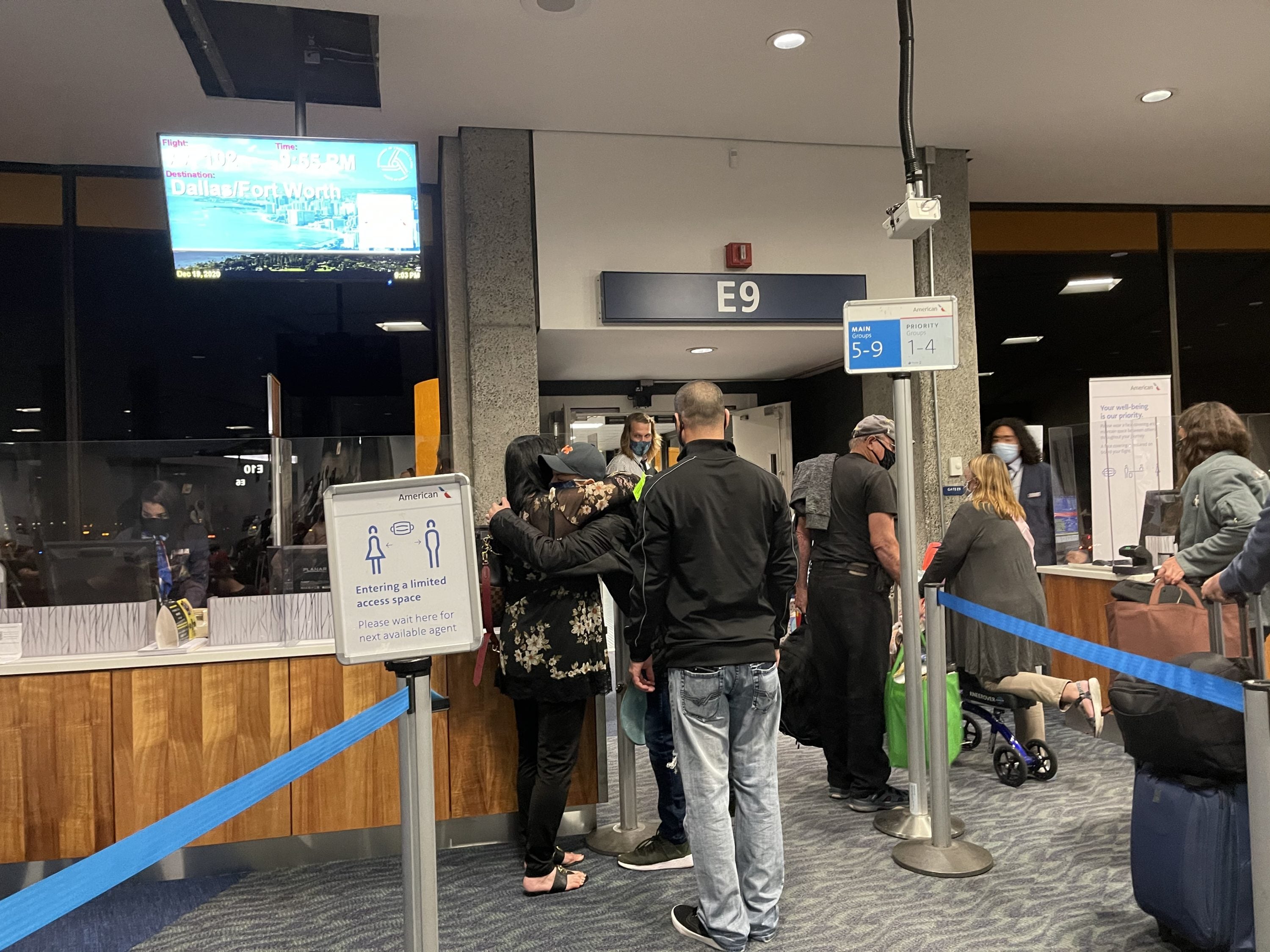
In today’s interconnected world, an airline’s brand is not just defined by its physical service but equally by its digital presence and communication strategy. For American Airlines, effective communication and the strategic deployment of technology are indispensable for ensuring a smooth boarding experience that consistently reinforces its brand promise.
Pre-Boarding Communication: Setting Expectations and Reducing Anxiety
The boarding process doesn’t begin at the gate; it starts much earlier with the communication passengers receive leading up to their flight. American Airlines leverages its digital channels – primarily its mobile app, website, and email notifications – to provide passengers with crucial information. This includes details about their boarding group, reminders about carry-on luggage policies, and real-time updates on gate changes or potential delays.
This proactive communication strategy serves several critical brand functions:
- Setting Expectations: By clearly outlining the boarding process and group assignments in advance, American Airlines helps passengers understand what to expect, reducing uncertainty and potential anxiety. This transparency builds trust and positions the airline as organized and thoughtful.
- Reducing Stress: Knowing their boarding group and being able to track progress via an app empowers passengers, making them feel more in control of their journey. This contributes to a calmer, more positive pre-flight experience, a key element of customer satisfaction.
- Brand Consistency: Consistent messaging across all touchpoints (digital, email, airport signage) reinforces American Airlines’ brand identity as reliable and customer-focused. Any discrepancies or lack of information can quickly lead to frustration and undermine brand perception.
The Gate Agent’s Role as Brand Embodiment
Despite advancements in technology, the gate agent remains a vital human touchpoint in the boarding process. These individuals are the frontline representatives of American Airlines, and their interactions with passengers directly reflect on the brand. A professional, courteous, and efficient gate agent can salvage a potentially frustrating situation, while a disengaged or unhelpful one can sour a passenger’s entire experience.
Gate agents are responsible for:
- Clarity of Instructions: Making clear announcements about boarding groups, procedures, and any unusual circumstances.
- Problem-Solving: Assisting passengers with last-minute issues, such as gate changes, seat assignments, or luggage concerns. Their ability to handle these situations with empathy and efficiency is crucial.
- Brand Embodiment: Their demeanor, responsiveness, and ability to manage crowds reflect American Airlines’ commitment to customer service. They are the human face of the brand at a critical juncture, capable of turning a potentially stressful moment into a reassuring one through their professionalism and helpfulness. Investing in well-trained, empowered gate agents is a direct investment in brand equity.
Digital Tools and Self-Service Options: Enhancing Efficiency and Modern Brand Image
American Airlines has increasingly integrated digital tools to streamline the boarding process and enhance the customer experience. The widespread adoption of mobile boarding passes and self-service scanning kiosks are prime examples.
- Mobile Boarding Passes: Allowing passengers to access their boarding pass on their smartphone significantly reduces reliance on paper documents, speeds up the scanning process, and offers convenience. This aligns with a modern, tech-forward brand image.
- Self-Service Scanning: At many gates, passengers can self-scan their boarding passes, which can accelerate the flow of passengers and free up gate agents for more complex tasks. This efficiency is a direct benefit to both the airline (turnaround time) and the passenger (quicker boarding).
- Real-time Notifications: The American Airlines app provides push notifications for boarding calls, gate changes, and flight status, keeping passengers informed without them having to constantly monitor the gate area. This proactive information delivery is a hallmark of a customer-centric brand.
These technological integrations not only improve operational efficiency but also bolster American Airlines’ brand image as an innovative and customer-friendly airline. They demonstrate a commitment to leveraging modern solutions to simplify travel, enhancing the overall journey and reinforcing a perception of competence and forward-thinking.
Challenges and Opportunities for Brand Enhancement
Even with a well-structured boarding process, American Airlines faces inherent challenges that can impact its brand. However, these challenges also present significant opportunities for innovation and further brand differentiation.
The Perils of Delay and Disruption: Impact on Brand Trust
Few things test an airline’s brand more than flight delays or disruptions, and the boarding process is often the immediate point of impact. When a flight is delayed, the carefully planned boarding groups can unravel, leading to frustrated passengers, crowded gate areas, and sometimes conflicting information. A disorganized or delayed boarding process can quickly erode customer trust and loyalty, regardless of the underlying cause of the delay. Passengers often associate the chaos at the gate with the airline’s overall competence, impacting their perception of reliability and professionalism.
For American Airlines, the challenge lies in how it manages these disruptions. Proactive communication, empathetic gate agents, and clear contingency plans are crucial. An airline that can navigate disruption with grace, transparency, and a focus on passenger comfort can mitigate negative brand impact and even strengthen loyalty by demonstrating resilience and care under pressure. This is where the brand is truly tested, and how it responds defines its character.
Balancing Speed with Passenger Comfort: Overcrowding and Gate Stress
The inherent tension between boarding an aircraft quickly and ensuring passenger comfort is a continuous tightrope walk for American Airlines. Modern aircraft are designed to carry hundreds of passengers, and the process of getting everyone and their carry-on luggage into a confined space can quickly become stressful. Overcrowded gate areas, the jostling for overhead bin space, and the feeling of being rushed can detract significantly from the customer experience.
From a brand perspective, American Airlines must continually review and refine its boarding procedures to alleviate these pressures. This might involve exploring more dynamic boarding methods, better gate area design, or even stricter enforcement of carry-on limits to reduce the scramble for space. The goal is to ensure that while the process is efficient, it doesn’t create an environment that feels frantic or undignified for passengers. A brand that prioritizes both speed and comfort demonstrates a deeper understanding of its customers’ needs, fostering a sense of care and consideration that resonates positively.
Innovations in Boarding for Future Brand Differentiation
The future of airline boarding holds significant opportunities for American Airlines to further enhance its brand through innovation. Emerging technologies and evolving passenger expectations present avenues for differentiation:
- Biometric Boarding: Technologies like facial recognition for boarding, already being piloted by several airlines, offer a seamless, touchless experience. For American Airlines, adopting and integrating such technologies can position it as a modern, innovative, and secure airline, enhancing its brand image as a leader in travel technology. This not only speeds up the process but also provides a futuristic, hassle-free experience that many travelers will appreciate.
- Dynamic Boarding Algorithms: Utilizing advanced data analytics to create more personalized and efficient boarding sequences could further optimize the process. This might involve considering factors like seat location, carry-on luggage size, and even passenger mobility to create the fastest and least disruptive flow. A smart, adaptable boarding system would reinforce American Airlines’ brand as intelligent, efficient, and customer-focused.
- Improved Gate Experiences: Beyond the boarding itself, reimagining the gate area with better amenities, clearer digital signage, and more comfortable waiting zones can transform the pre-boarding wait from a mundane necessity into a more pleasant part of the journey. This holistic approach to the gate experience would further strengthen American Airlines’ brand as one that cares about its passengers’ well-being from curb to cabin.
By embracing these innovations, American Airlines can not only address existing challenges but also proactively shape its brand identity as a forward-thinking, customer-centric airline that consistently strives to make the travel experience better. These advancements represent strategic investments in brand loyalty and market leadership.
In conclusion, how American Airlines boards its passengers is a microcosm of its broader brand strategy. It is a complex interplay of operational efficiency, customer segmentation, communication, and technological integration, all aimed at delivering a consistent and positive brand experience. By meticulously managing its tiered boarding groups, leveraging digital tools for communication, and empowering its frontline staff, American Airlines endeavors to reinforce its brand promise of reliability, service, and value. The continuous pursuit of excellence in this critical touchpoint, especially through strategic innovation, will remain key to fostering customer loyalty and maintaining its competitive edge in the dynamic airline industry.
aViewFromTheCave is a participant in the Amazon Services LLC Associates Program, an affiliate advertising program designed to provide a means for sites to earn advertising fees by advertising and linking to Amazon.com. Amazon, the Amazon logo, AmazonSupply, and the AmazonSupply logo are trademarks of Amazon.com, Inc. or its affiliates. As an Amazon Associate we earn affiliate commissions from qualifying purchases.