
In the rapidly evolving landscape of global commerce, the transition from physical currency to digital assets has redefined how we perceive value and liquidity. At the forefront of this revolution is PayPal, a platform that has evolved from a simple payment processor into a comprehensive financial ecosystem. Understanding how to use PayPal effectively is no longer just a matter of convenience; it is a fundamental skill for anyone looking to navigate personal finance, manage a side hustle, or scale a global business.
This guide explores the multifaceted dimensions of PayPal through the lens of financial management, providing a roadmap for optimizing your digital transactions, protecting your assets, and leveraging professional financial tools.
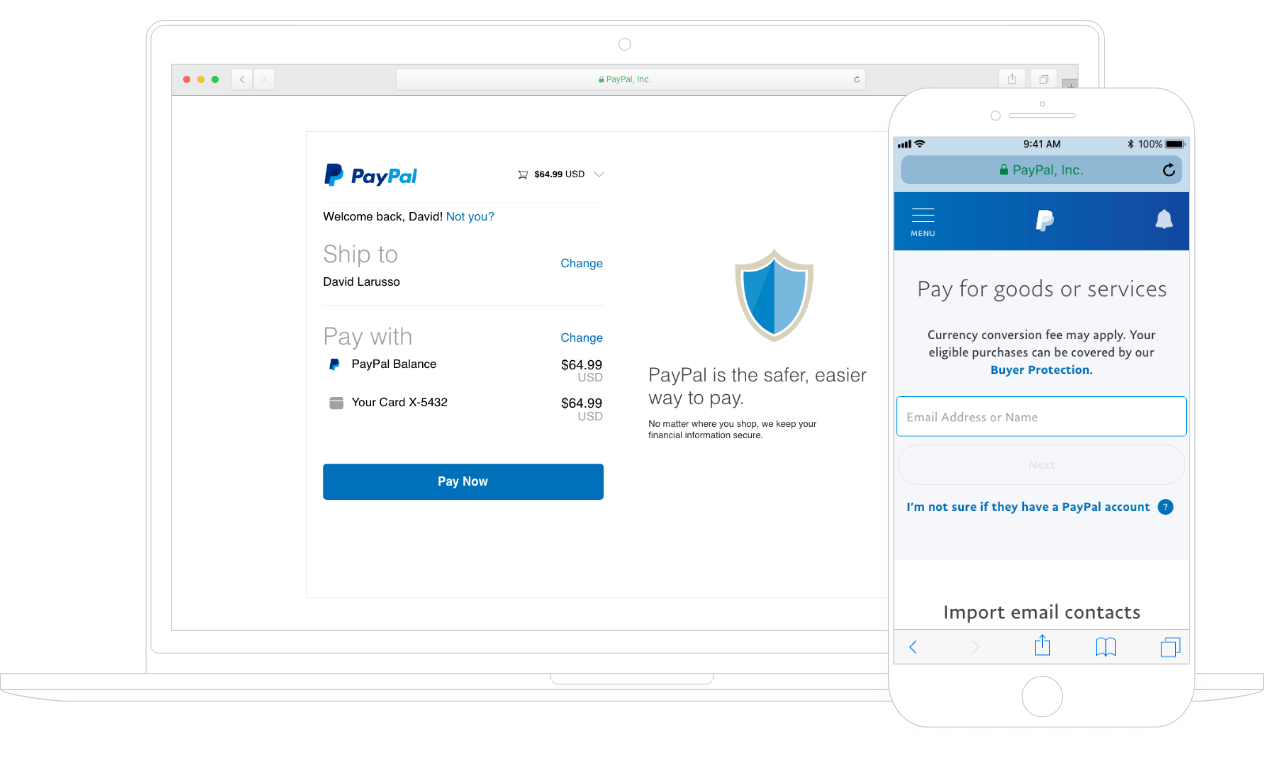
1. Establishing Your Digital Financial Foundation
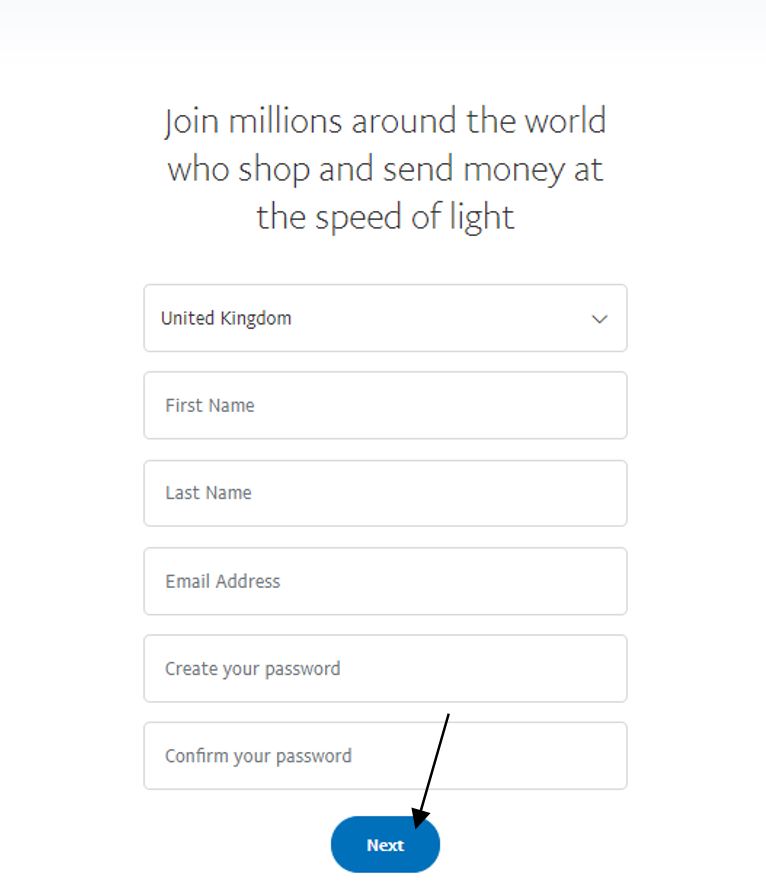
Before executing a single transaction, one must understand that PayPal functions as a sophisticated bridge between traditional banking institutions and the digital marketplace. Setting up an account correctly is the first step toward securing your financial data and ensuring seamless capital movement.
Selecting the Right Account Architecture
PayPal offers two primary account types: Personal and Business. For those focused on personal finance—such as splitting bills with friends or shopping online—the Personal account is sufficient. However, for individuals engaged in the “gig economy,” freelancing, or running an e-commerce store, a Business account is essential. It allows you to operate under a corporate identity, provides access to multi-user login features, and offers more robust reporting tools for tax season.
Linking and Verifying Financial Instruments
To move money efficiently, you must link your account to a primary funding source. This can be a traditional bank account, a debit card, or a credit card. From a financial strategy perspective, linking a bank account via ACH (Automated Clearing House) is often the most cost-effective method for transferring large sums. Verification is the next critical step; by confirming your identity and bank details, you remove initial spending limits and signal to the platform’s security algorithms that you are a legitimate financial actor.
Understanding the PayPal Balance vs. External Funding
One of the most common points of confusion is the “PayPal Balance.” When you receive money, it resides in your PayPal digital wallet. You can choose to keep it there for future purchases or “sweep” it into your linked bank account. Managing this balance effectively is a key component of digital cash flow management, allowing you to maintain liquidity without constant reliance on traditional bank transfers.
2. Facilitating Seamless Capital Movement
Once your foundation is set, the primary utility of PayPal lies in its ability to move money across borders and platforms with minimal friction. However, doing so requires an understanding of different transaction types and their associated costs.
Peer-to-Peer (P2P) vs. Commercial Payments
PayPal distinguishes between “Friends and Family” and “Goods and Services.” For personal finance management, “Friends and Family” allows for the transfer of funds without transaction fees when using a bank balance. In contrast, “Goods and Services” payments include a fee—typically paid by the recipient—but offer the critical benefit of Purchase Protection. For any transaction involving a commercial exchange, choosing the latter is a non-negotiable step for risk mitigation.
Mastering the Art of Invoicing
For freelancers and small business owners, the invoicing tool is a vital financial asset. Rather than waiting for a client to initiate a payment, you can generate professional, itemized invoices directly within the platform. This creates a clear paper trail for accounting purposes and allows clients to pay via credit card or their own PayPal balance, significantly reducing the “Days Sales Outstanding” (DSO) for your business.
Navigating International Transactions and Currency Conversion
One of PayPal’s greatest strengths is its global reach, supporting dozens of currencies. However, from a money management perspective, users must be wary of currency conversion fees. PayPal applies a “spread” or a margin above the mid-market exchange rate. For those receiving significant international income, it is often wise to hold the balance in the original currency until exchange rates are favorable or to use a specialized multi-currency account to minimize conversion overhead.
3. PayPal as a Tool for Business Growth and Side Hustles
In the modern economy, the line between personal and professional finance is often blurred. PayPal provides the infrastructure necessary to turn a hobby into a revenue stream or a small business into a scalable enterprise.
Leveraging PayPal Checkout for E-commerce
If you sell products online, integrating PayPal Checkout into your website can drastically increase conversion rates. Consumers often feel more comfortable using a trusted intermediary than entering their credit card details into an unknown site. From a financial management standpoint, this integration provides consolidated reporting, making it easier to track gross sales, fees, and net profit in one centralized dashboard.
Accessing Working Capital and Business Loans
A less-discussed feature of PayPal’s financial suite is PayPal Working Capital. For businesses with a consistent sales history on the platform, PayPal offers short-term financing based on account volume. Unlike traditional bank loans that require a rigorous credit check and fixed monthly payments, Working Capital is often repaid as a percentage of your daily sales. This creates a flexible repayment structure that aligns with your business’s actual cash flow.
Subscription Management and Recurring Revenue
For those moving toward a service-based or subscription model, PayPal’s recurring payment tools are invaluable. Automating the collection of monthly dues or retainer fees ensures a predictable revenue stream. By reducing the administrative burden of manual billing, you can focus on the core value proposition of your business while the platform handles the financial logistics.
4. Protecting Assets and Mitigating Financial Risk
No discussion on “how to use PayPal” is complete without addressing security. Because PayPal sits at the intersection of your bank and the internet, it is a primary target for sophisticated phishing and fraud attempts.
Implementing Multi-Layered Security
From a professional financial standpoint, relying on a password alone is insufficient. Users should implement Two-Factor Authentication (2FA), preferably using an authenticator app rather than SMS. Furthermore, monitoring your account for “Pre-approved payments” or “Automatic Top-ups” is essential for maintaining control over your outgoing capital and preventing unauthorized “drip” expenses.
Utilizing Purchase and Seller Protection
PayPal’s Dispute Resolution Center is a core component of its value proposition. If an item does not arrive or is significantly not as described, Buyer Protection allows you to claw back funds that might otherwise be lost. Conversely, Seller Protection shields merchants from “unauthorized transaction” claims and “item not received” scams, provided they have valid proof of shipping. Understanding the documentation required for these protections is a vital part of professional financial hygiene.
Managing Disputes and Chargebacks
When a transaction goes wrong, the dispute process acts as a private mediation service. A savvy user knows to keep all communication within the PayPal ecosystem and to retain tracking numbers and receipts. Handling disputes professionally and promptly is key to maintaining a “healthy” account status, which in turn prevents the platform from placing holds on your funds.
5. Advanced Financial Features and the Future of Digital Assets
As the fintech sector matures, PayPal continues to integrate features that were once the exclusive domain of traditional banks and brokerage firms.
PayPal Savings and Interest-Bearing Accounts
In certain regions, PayPal has introduced high-yield savings accounts in partnership with licensed banks. For users who maintain a large balance within the app, moving those funds into a “Savings” partition allows the money to earn interest while remaining highly liquid. This transforms PayPal from a mere transactional tool into a legitimate vehicle for short-term asset growth.
Navigating the Cryptocurrency Frontier
PayPal now allows users to buy, sell, and hold major cryptocurrencies like Bitcoin and Ethereum. While this introduces a higher level of risk and volatility, it provides an accessible entry point for those looking to diversify their financial portfolio. Users can even use their crypto holdings to fund purchases at millions of merchants, effectively bridging the gap between decentralized finance and traditional retail.
Strategic Tax Reporting and Documentation
As tax authorities worldwide increase their oversight of digital transactions, PayPal’s reporting tools have become more robust. For those earning an online income, the platform provides 1099-K forms (in the U.S.) and detailed transaction logs. A professional approach to using PayPal involves regular exports of these logs into accounting software like QuickBooks or Xero, ensuring that your digital activity is fully integrated into your broader financial picture.

Conclusion: The Professional Path to Digital Liquidity
Using PayPal effectively is about far more than clicking a “Pay” button. It is about understanding the mechanics of digital cash flow, the costs of global transactions, and the tools available for asset protection and growth. By treating your PayPal account as a central pillar of your financial architecture, you can move capital with confidence, scale your income streams, and navigate the complexities of the modern digital economy with professional precision. Whether you are a casual user or a high-volume merchant, the strategic use of this platform remains one of the most powerful ways to manage money in the 21st century.
aViewFromTheCave is a participant in the Amazon Services LLC Associates Program, an affiliate advertising program designed to provide a means for sites to earn advertising fees by advertising and linking to Amazon.com. Amazon, the Amazon logo, AmazonSupply, and the AmazonSupply logo are trademarks of Amazon.com, Inc. or its affiliates. As an Amazon Associate we earn affiliate commissions from qualifying purchases.