
Investing in the stock market is one of the most effective ways to build long-term wealth and outpace inflation. Historically, the stock market has provided an average annual return of approximately 10% over long periods, making it a cornerstone of personal finance for millions of individuals. However, for a beginner, the jargon of Wall Street can feel like a foreign language, and the volatility of the market can be intimidating.
The truth is that you do not need a degree in finance or a million-dollar inheritance to start. Modern technology has democratized the markets, allowing anyone with a smartphone and a few dollars to become a partial owner of the world’s most successful companies. This guide will walk you through the essential steps of stock market investing, from setting your goals to executing your first trade and managing your portfolio for the long haul.
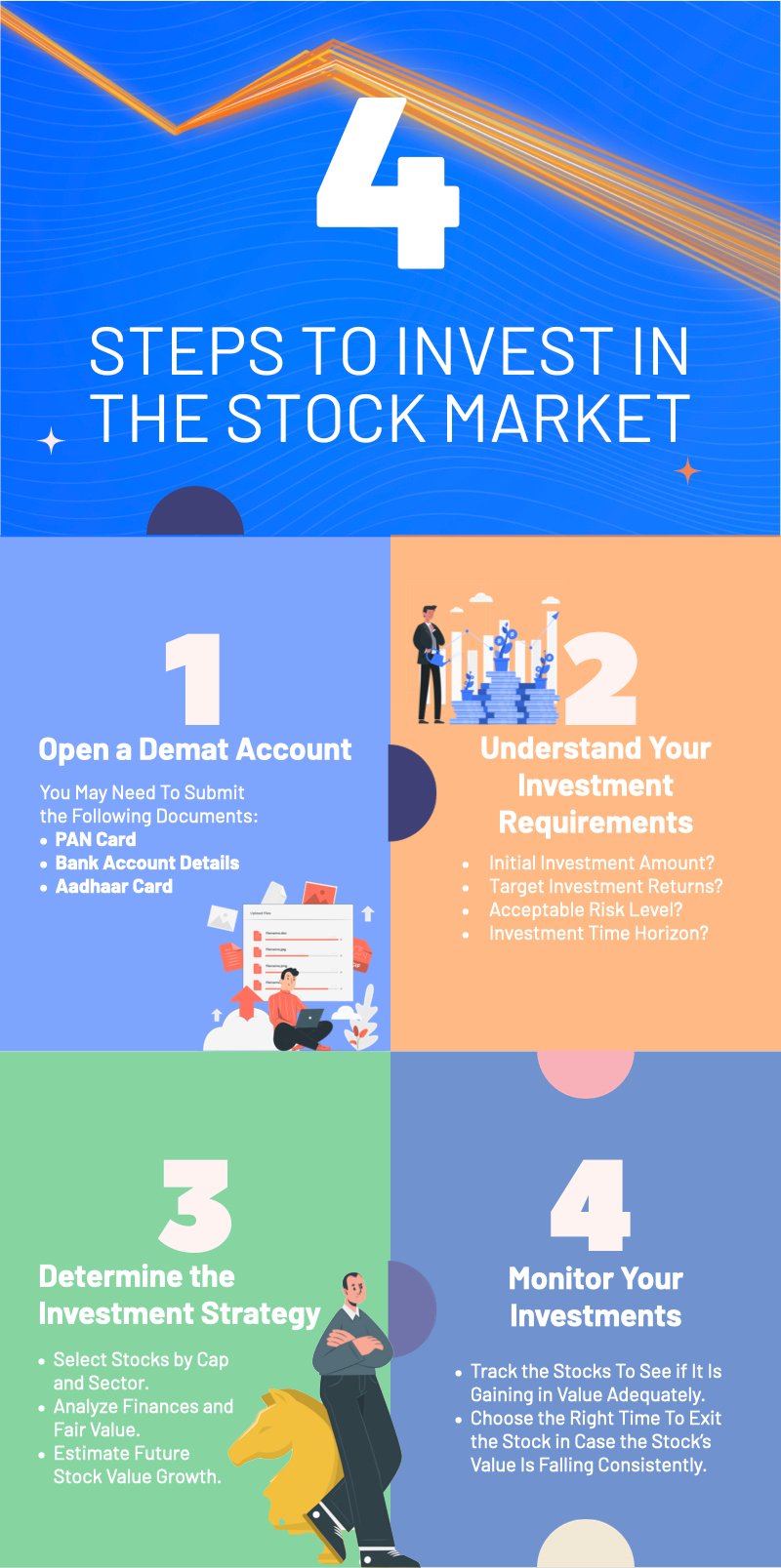
Establishing Your Financial Foundation
Before you purchase your first share of stock, you must ensure that your personal finances are in a position to handle the inherent risks of the market. Investing is a long-term game; you should never invest money that you might need for essential expenses in the next three to five years.
Defining Your Financial Goals and Time Horizon
The way you invest should be dictated by what you are investing for. Are you looking to build a retirement nest egg over thirty years, or are you saving for a down payment on a home in five years? Your “time horizon”—the length of time you plan to hold your investments—is the most critical factor in your strategy. A longer time horizon allows you to ride out the market’s inevitable “dips” and benefit from the power of compound growth. Conversely, a shorter time horizon requires a more conservative approach to protect your principal capital.
Assessing Risk Tolerance and Capacity
Risk tolerance is your psychological ability to handle market volatility. If seeing your account balance drop by 20% in a single month would cause you to panic and sell your holdings, you have a lower risk tolerance. Risk capacity, however, is your financial ability to endure a loss. Even if you have nerves of steel, if you have no emergency fund and high-interest debt (like credit cards), your capacity for risk is low. It is generally recommended to pay off high-interest debt and establish an emergency fund covering 3–6 months of expenses before diving into stocks.
Choosing Your Investment Style and Platform
Once your foundation is solid, you need to decide how you want to interact with the market. There are two primary paths: doing it yourself or letting a professional (or an algorithm) do it for you.
Active vs. Passive Investing
Active investing involves researching individual companies, reading balance sheets, and trying to “beat the market” by buying low and selling high. This requires significant time, skill, and emotional discipline. Passive investing, on the other hand, involves buying “the market” as a whole. This is typically done through index funds or Exchange-Traded Funds (ETFs) that track major benchmarks like the S&P 500. For the vast majority of individual investors, passive investing is the most reliable path to success, as it lowers costs and minimizes the impact of human error.
Selecting the Right Brokerage Account
To buy stocks, you need a brokerage account. In the modern era, you have three main choices:
- Full-Service Brokers: Traditional firms that offer personalized advice and wealth management but charge high commissions.
- Discount Online Brokers: Platforms like Fidelity, Charles Schwab, or Vanguard that offer robust research tools and $0 commission trades on most stocks and ETFs.
- Robo-Advisors: Services like Betterment or Wealthfront that use algorithms to build and manage a diversified portfolio for you based on your risk profile, usually for a small annual fee.
When choosing, consider the user interface, available research tools, and the types of accounts offered, such as Individual Retirement Accounts (IRAs) or standard taxable brokerage accounts.
Building Your Portfolio
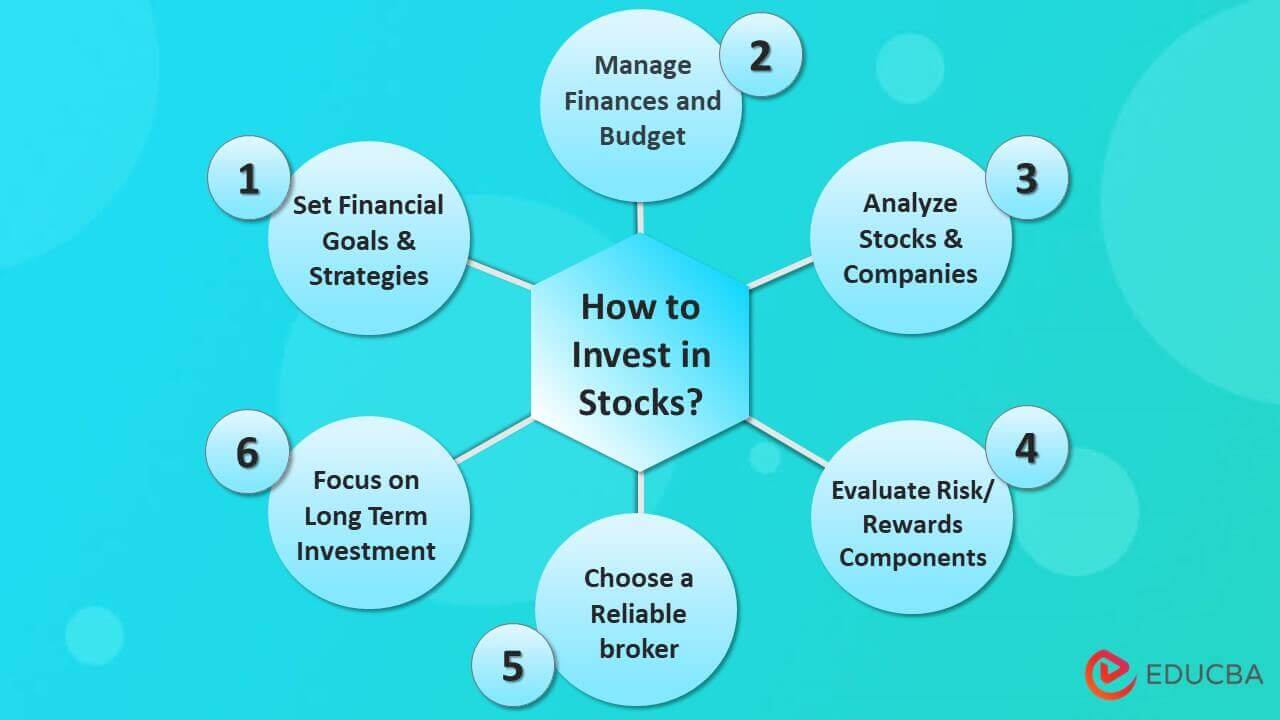
With an account open and funded, the next step is selecting the actual assets. A well-constructed portfolio is built on the principle of diversification—the idea that you should not put all your eggs in one basket.
Understanding Different Types of Stocks
Stocks are generally categorized by their characteristics. Growth stocks are companies expected to grow at a rate significantly above the average for the market. These often don’t pay dividends because they reinvest profits to fuel further growth (e.g., many tech companies). Value stocks are companies that appear to be trading for less than their intrinsic worth. Dividend stocks are established companies that pay out a portion of their earnings to shareholders regularly, providing a steady stream of income. Finally, you have Market Cap categories: Large-cap (big, stable companies), Mid-cap, and Small-cap (younger, more volatile companies).
The Power of ETFs and Index Funds
For most investors, picking 20 to 30 individual stocks to achieve diversification is difficult and time-consuming. This is where Exchange-Traded Funds (ETFs) come in. An ETF is a basket of hundreds or even thousands of stocks bundled into a single share. By buying one share of an S&P 500 ETF, you instantly become a partial owner of the 500 largest companies in the United States. This spreads your risk; if one company goes bankrupt, it has a negligible impact on your overall portfolio. This “buy-the-haystack” approach is the cornerstone of modern wealth building.
The Mechanics of Placing a Trade
Once you’ve decided what to buy, you need to execute the transaction. While it’s as simple as clicking a button on an app, understanding the nuances of trade orders can save you money.
Market Orders vs. Limit Orders
A Market Order tells the broker to buy or sell the stock immediately at the best available current price. While fast, you might pay slightly more than you expected if the price is fluctuating rapidly. A Limit Order allows you to set a specific price at which you are willing to buy or sell. If the stock doesn’t hit that price, the trade doesn’t happen. Limit orders give you more control, especially when dealing with volatile stocks or “low volume” assets where the price can swing wildly.
Managing Fees, Taxes, and Commissions
While many brokers now offer $0 commissions, investing is never entirely free. You must be aware of the Expense Ratio on ETFs—this is the annual fee charged by the fund manager to run the fund. A “low-cost” fund might charge 0.03%, while an expensive one might charge 0.75% or more. Over 30 years, that difference can cost you tens of thousands of dollars. Additionally, consider the tax implications. If you hold a stock for more than a year before selling, you pay the lower “Long-Term Capital Gains” tax rate. If you sell in less than a year, your profits are taxed at your regular income tax rate.
Long-Term Strategies for Success
Investing is not a “get rich quick” scheme; it is a “get rich slowly” discipline. The most successful investors are those who can stay the course when the market gets “noisy” or frightening.
The Strategy of Dollar-Cost Averaging (DCA)
Market timing—trying to predict when the market has hit bottom or peak—is a loser’s game. Instead, many successful investors use Dollar-Cost Averaging. This involves investing a fixed amount of money at regular intervals (e.g., $500 every month), regardless of the share price. When prices are high, your $500 buys fewer shares; when prices are low, your $500 buys more shares. Over time, this lowers your average cost per share and removes the emotional stress of trying to “time” the market perfectly.
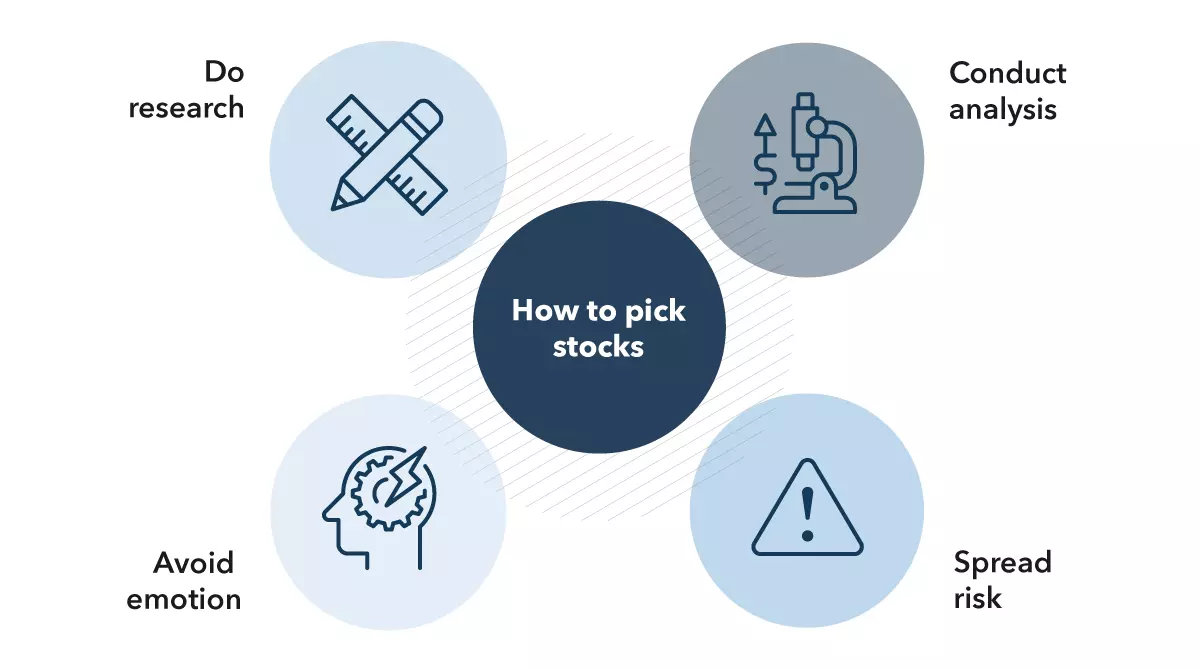
The Importance of Rebalancing and Discipline
As different parts of your portfolio grow at different rates, your original “asset allocation” will shift. For example, if you wanted 80% stocks and 20% bonds, a great year for the stock market might leave you with 90% stocks. Rebalancing is the process of selling a bit of what has performed well and buying more of what has underperformed to return to your target allocation. This forces you to “sell high and buy low.” Most importantly, the greatest asset an investor has is discipline. Stock market crashes are a feature, not a bug, of the system. History shows that those who stay invested during downturns are the ones who reap the rewards when the market eventually recovers and reaches new highs.
By understanding these fundamentals—financial preparation, selecting a style, diversifying through ETFs, and maintaining discipline through dollar-cost averaging—you transform the stock market from a place of gambling into a powerful engine for your personal financial freedom. The best time to start was ten years ago; the second best time is today.
aViewFromTheCave is a participant in the Amazon Services LLC Associates Program, an affiliate advertising program designed to provide a means for sites to earn advertising fees by advertising and linking to Amazon.com. Amazon, the Amazon logo, AmazonSupply, and the AmazonSupply logo are trademarks of Amazon.com, Inc. or its affiliates. As an Amazon Associate we earn affiliate commissions from qualifying purchases.