
In the contemporary landscape of global commerce, the transition from physical currency to digital transactions is no longer a luxury—it is a necessity. For many, the gateway into this digital financial ecosystem begins with one specific question: “How do you get PayPal?” While the process might seem as simple as signing up for an email account, PayPal represents a sophisticated financial tool that bridges the gap between traditional banking and the modern internet economy. Whether you are looking to manage your personal spending, launch a side hustle, or streamline your business finances, understanding how to properly acquire and optimize a PayPal account is a foundational step in modern financial literacy.
Understanding PayPal’s Role in Modern Personal Finance
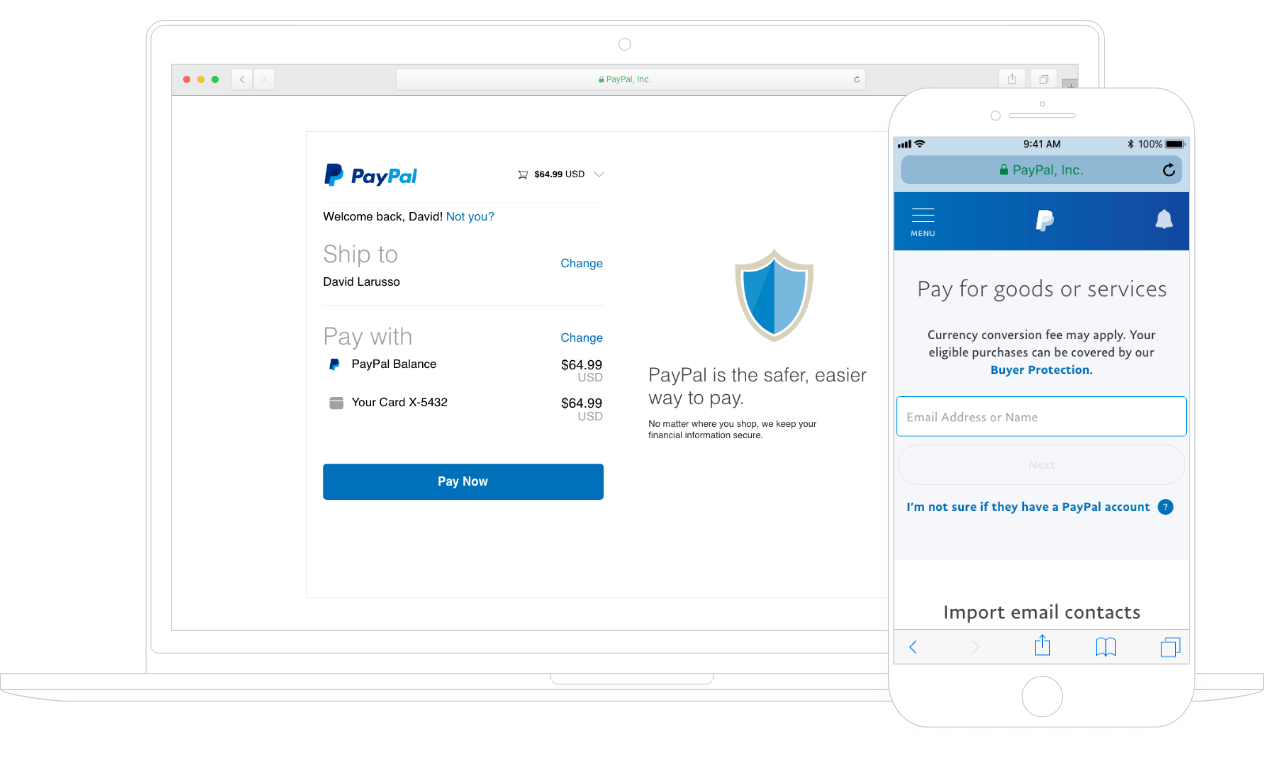
Before diving into the mechanics of “getting” PayPal, it is essential to understand what you are adding to your financial toolkit. PayPal is not a bank in the traditional sense, but it acts as a digital wallet and a payment processor that facilitates secure transactions without requiring the constant sharing of sensitive credit card or bank account information with third-party vendors.
The Shift from Physical Wallets to Digital Solutions
The traditional method of carrying a leather wallet filled with plastic cards and paper cash is rapidly being supplemented by digital alternatives. PayPal was one of the first pioneers in this space, creating a layer of security between your bank and the merchant. When you get PayPal, you are essentially creating a financial buffer. Instead of entering your 16-digit card number on every website you visit, you use a centralized login. This minimizes the “attack surface” for identity thieves and provides a streamlined way to track expenses across multiple vendors in a single dashboard. For the personal finance enthusiast, this centralization is the first step toward better budgeting and financial oversight.
Choosing the Right Account: Personal vs. Business
A critical part of “getting” PayPal is deciding which iteration of the service suits your financial goals. PayPal offers two primary account types, each tailored to different economic activities:
- Personal Accounts: These are ideal for the casual user. If your primary goal is to shop online, send money to friends for dinner, or receive occasional payments from selling old items on a marketplace, a Personal account is the standard choice. It offers basic features with minimal fees for consumer-level transactions.
- Business Accounts: For those looking to build an online income or manage a corporate identity, a Business account is mandatory. This allows you to operate under a company name, provides access to advanced invoicing tools, and allows multiple employees to access the account with limited permissions. From a financial management perspective, keeping business revenue separate from personal spending is a hallmark of professional fiscal responsibility.
The Step-by-Step Process to Getting and Configuring Your PayPal Account
Getting PayPal is a straightforward process, but doing it correctly involves several layers of verification that ensure your money remains secure and your account stays compliant with international financial regulations.
Verification: Linking Bank Accounts and Credit Cards
To move beyond a “restricted” status, you must link your PayPal account to a legitimate funding source. This is the “Know Your Customer” (KYC) phase that all reputable financial tools require.
- The Linking Process: You can link a debit card, a credit card, or a direct bank account. For those focused on personal finance, linking a bank account via ACH transfer is often preferred for moving large sums of money without incurring the high interest rates sometimes associated with credit card cash advances.
- The Micro-Deposit Method: To verify a bank account, PayPal typically sends two tiny deposits (usually a few cents) to your bank. You must check your bank statement and enter those exact amounts into the PayPal portal. This proves that you have authorized access to the underlying financial institution, a crucial step in preventing fraud and ensuring that your digital wallet is an extension of your real-world wealth.
Security Measures: Protecting Your Financial Identity
Once the account is created, the focus must shift to security. Because PayPal holds the “keys” to your linked bank accounts, its security is paramount. Professional financial management dictates the use of Multi-Factor Authentication (MFA). By requiring a code sent to your mobile device in addition to your password, you create a dual-layer defense. Furthermore, PayPal’s “Purchase Protection” is a significant financial asset; it offers a safety net for buyers, ensuring that if a product doesn’t arrive or isn’t as described, your capital is protected. Understanding these protections is as important as the account setup itself.
Leveraging PayPal for Income and Wealth Management
Once you have “gotten” PayPal, it ceases to be just a payment method and becomes a tool for generating and managing wealth. In the gig economy, PayPal is often the default infrastructure for receiving international payments.
Receiving Payments: From Side Hustles to Full-Time Freelancing
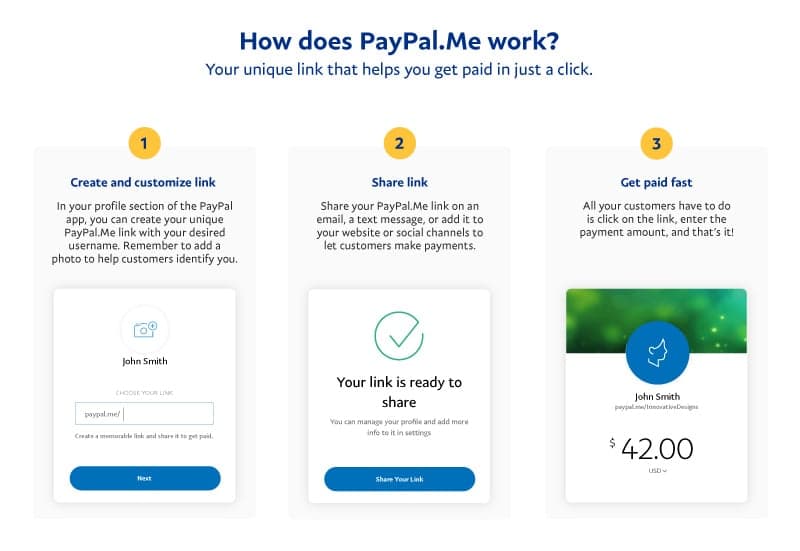
For freelancers and digital nomads, PayPal is the “office” where they get paid. Getting PayPal allows you to send professional invoices that clients can pay with a single click. This reduces the friction of getting paid, which is a major hurdle in cash flow management for small businesses.
- Instant Access to Funds: Through the “Instant Transfer” feature, users can move their earnings from the digital wallet to their bank account in minutes for a small fee, or wait 1–3 days for a free standard transfer. This flexibility allows for better liquidity management, ensuring that you have cash on hand when bills are due.
- Integration with Platforms: Most side-hustle platforms, such as eBay, Etsy, and various tutoring or consulting sites, use PayPal as their primary payout method. Without it, your ability to participate in the global digital marketplace is severely hindered.
PayPal Savings and Cryptocurrencies: Diversifying Your Portfolio
In recent years, PayPal has expanded its financial tools to include wealth-building features.
- High-Yield Savings: PayPal now offers a “Savings” account (often in partnership with banks like Synchrony Bank) that provides competitive APY (Annual Percentage Yield). This allows users to keep their “spending money” and “saving money” in the same ecosystem, making it easier to automate transfers toward financial goals.
- Digital Assets: For those interested in the frontier of finance, PayPal allows for the buying, selling, and holding of major cryptocurrencies like Bitcoin and Ethereum. While high-risk, having these tools integrated into a familiar platform lowers the barrier to entry for modern asset diversification.
Navigating the Financial Logistics: Fees, Transfers, and International Transactions
A professional approach to using PayPal requires a deep understanding of the costs involved. No financial tool is truly “free,” and PayPal generates revenue through a variety of fee structures that users must navigate to protect their margins.
Understanding the Fee Structure
If you are using PayPal for personal use—such as buying a pair of shoes online—there is generally no fee for the buyer. However, the financial dynamics shift when you are the recipient.
- The Seller Fee: Typically, when you receive a payment for a “Goods and Services” transaction, PayPal takes a percentage (often around 2.9% plus a fixed fee). For a business, this must be factored into the pricing strategy.
- Friends and Family: This is a zero-fee option intended for sending money to people you trust. However, it lacks Purchase Protection. From a financial safety perspective, one should never use “Friends and Family” for business transactions, as it leaves the buyer with no recourse in the event of a scam.
Managing Cross-Border Payments and Currency Conversion
One of PayPal’s greatest strengths is its global reach, supporting over 200 countries and 25 currencies. However, international finance introduces the complexity of exchange rates. When you get a payment in Euros but your primary balance is in USD, PayPal performs a currency conversion.
- The Conversion Spread: PayPal typically charges a spread above the “mid-market” exchange rate. For significant international business, a savvy financial manager will track these rates to determine the most cost-effective time to convert and withdraw funds.
- Global Expansion: Despite the fees, the ability to accept payments from a customer in Tokyo and have the funds available in London within seconds is an incredible feat of financial engineering that allows even the smallest “solopreneur” to act as a global corporation.

Conclusion: PayPal as a Pillar of Digital Finance
Getting PayPal is more than just a technical task; it is an entry point into a sophisticated world of digital asset management, international commerce, and financial security. By following the proper steps to set up, verify, and secure an account, you move from being a passive consumer to an active participant in the digital economy.
The true value of PayPal lies in its versatility. It serves as a shield for your bank data, a ledger for your business income, a vehicle for your side-hustle earnings, and even a platform for your savings and investments. As the world continues to move away from the limitations of physical currency, mastering tools like PayPal is essential for anyone looking to maintain a robust and modern financial life. Whether you are sending $20 to a friend or processing $20,000 for a client, the principles of security, fee management, and strategic account usage remain the same. Now that you know how to get PayPal, the next step is to use it as a cornerstone for your broader financial success.
aViewFromTheCave is a participant in the Amazon Services LLC Associates Program, an affiliate advertising program designed to provide a means for sites to earn advertising fees by advertising and linking to Amazon.com. Amazon, the Amazon logo, AmazonSupply, and the AmazonSupply logo are trademarks of Amazon.com, Inc. or its affiliates. As an Amazon Associate we earn affiliate commissions from qualifying purchases.