
In the modern financial landscape, travel is often viewed as a luxury expense that sits at the top of the discretionary spending pile. However, for the financially savvy individual, airfare is not a fixed cost but a volatile market that can be navigated with the right strategy. Securing a cheap flight is less about “luck” and more about understanding the principles of market arbitrage, dynamic pricing, and the strategic use of financial tools. By treating travel planning as an extension of personal finance management, you can significantly reduce your overhead, allowing you to reallocate capital toward investments, savings, or enhanced experiences during your journey.
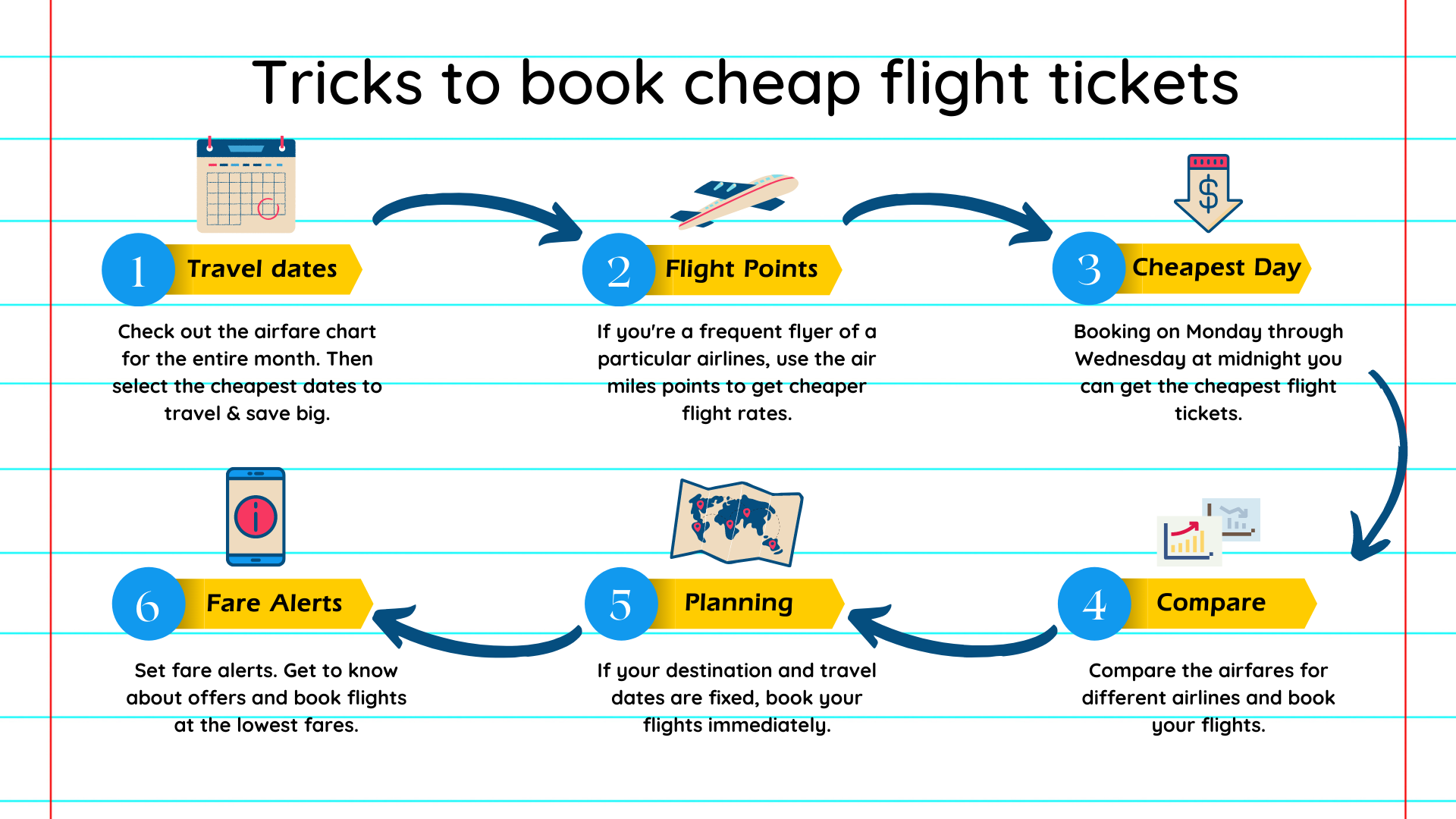
This guide explores the sophisticated financial strategies required to master the airfare market, moving beyond basic tips to provide a comprehensive framework for cost optimization.
The Financial Strategy of Travel Hacking
Travel hacking is the practice of leveraging existing financial systems—specifically credit card rewards and airline loyalty programs—to subsidize the cost of flights. When executed correctly, this transforms travel from a major expense into a byproduct of your regular spending habits.
Leveraging Credit Card Rewards and Sign-up Bonuses
The most effective way to secure “cheap” or even “free” flights is through the strategic acquisition and use of credit card points. In the realm of personal finance, this is known as maximizing your return on spend. Instead of using a standard debit card, high-net-worth individuals and savvy savers utilize rewards cards that offer significant sign-up bonuses. These bonuses often provide enough points for a round-trip international flight after meeting a specific spending requirement within the first few months.
To do this effectively, one must treat points as a secondary currency. By calculating the “cents per point” (CPP) value, you can determine if a redemption offers a better return than paying cash. A professional approach involves tracking these points through financial management software to ensure they are used before expiration and targeted toward high-value routes where cash prices are traditionally inflated.
The Arbitrage of Airline Miles and Points
Points and miles are not created equal. Financial optimization in travel often involves “point transfers,” where you move rewards from a flexible currency (like Chase Ultimate Rewards or Amex Membership Rewards) to a specific airline partner. This is a form of arbitrage. For example, a flight might cost $1,000 in cash or 80,000 miles on Airline A, but only 40,000 miles on Airline B (a partner). By understanding the valuation of different mileage programs, you can effectively “buy” your flight at a 50% discount relative to the standard market rate.
Timing the Market: The Volatility of Airfare Pricing
Much like the stock market, airfare is subject to extreme volatility based on supply, demand, and algorithmic predictions. To get a cheap flight, one must understand the economic forces at play behind the screen.
Understanding Dynamic Pricing Models
Airlines utilize sophisticated revenue management systems that adjust prices in real-time. These algorithms factor in historical data, remaining seat inventory, and even the purchasing power of the region from which you are searching. From a financial perspective, the goal is to buy when the “price floor” has been reached.
It is a common myth that searching in “incognito mode” or on a Tuesday at 3:00 AM provides a magic discount. While there is a grain of truth to historical booking patterns, modern dynamic pricing is much more complex. The “Money” approach focuses on “Price Anchoring.” Before booking, you must establish a baseline price for your route over a three-month period. This allows you to recognize a genuine “buy signal” when the price dips below the moving average.
The “Goldilocks Window” for Booking
Timing your entry into the market is crucial. Data from financial travel analysts suggest a “Goldilocks Window” for domestic and international flights. For domestic travel, this is typically 1 to 3 months in advance; for international, 2 to 8 months. Booking too early means you miss out on potential sales as the airline tries to fill the plane; booking too late subjects you to the “inelastic demand” of business travelers who are willing to pay a premium for last-minute flexibility. Treating your flight purchase like a Limit Order in trading—deciding on a price you are willing to pay and waiting for the market to hit it—is the most disciplined way to save.
Cost-Cutting Tactics and Hidden Savings

Beyond timing and points, there are structural ways to manipulate your itinerary to lower the total cost of acquisition.
The Hidden City Ticketing Method
One of the more controversial but effective financial maneuvers is “Hidden City Ticketing.” This occurs when a flight with a layover in your actual destination is cheaper than a direct flight to that destination. For example, if you want to fly from New York to Charlotte, you might find that a flight from New York to Orlando with a layover in Charlotte is $100 cheaper. In this scenario, the traveler simply exits the airport at the layover.
From a personal finance risk-management perspective, this tactic must be used with caution. Airlines discourage this practice, and it requires traveling with only a carry-on bag. However, for a solo traveler looking to maximize their travel budget, the cost savings can be substantial, often reaching 30% to 50% off the standard fare.
Utilizing Multi-City Routing and Positioning Flights
Another advanced strategy is the use of “Positioning Flights.” If you live in a secondary market (like Indianapolis), international flights are often prohibitively expensive. A savvy financial move is to book a cheap domestic flight to a major hub (like JFK or O’Hare) and then book a separate, highly discounted international ticket from that hub. Even when factoring in the cost of the positioning flight, the total “all-in” cost is frequently much lower than a single through-ticket. This requires a “Cost-Benefit Analysis” of your time versus the capital saved, a hallmark of professional financial planning.
Tools for Financial Optimization in Travel
To manage these strategies effectively, you need the right financial toolset. These tools act as the “Bloomberg Terminal” for airfare, providing the data necessary to make informed decisions.
Aggregators vs. Direct Booking: A Cost-Benefit Analysis
While aggregators like Google Flights or Skyscanner provide a broad overview of the market, they are not always the cheapest option when considering “hidden costs.” A professional approach involves using aggregators for discovery but booking directly with the airline when possible.
Why? Because from a risk management standpoint, booking direct offers better consumer protection. If a flight is canceled, the airline is financially responsible for rebooking you. Third-party sites often have restrictive refund policies that can turn a “cheap” flight into a total loss. Therefore, the “cheapest” flight is the one that offers the best “Value at Risk” (VaR).
Setting Up Price Alerts for Passive Savings
Automating your financial life is a key tenet of wealth building, and travel is no different. Using tools to set price alerts allows you to monitor the market without active time investment. By setting a “target price” based on your earlier research, you can receive notifications the moment the market drops. This removes the emotional component of booking, preventing “FOMO” (Fear Of Missing Out) and ensuring you only deploy capital when the price aligns with your budget.
Long-term Budgeting for Global Mobility
Finally, the most successful travelers do not look at flights as one-off purchases. They integrate travel into their broader financial ecosystem.
Creating a Dedicated Travel Sinking Fund
A “Sinking Fund” is a strategic savings category for a specific future expense. By automating a monthly transfer into a dedicated travel account, you ensure that when a “Mistake Fare” or an incredible sale arises, you have the liquid capital ready to deploy immediately.
Mistake fares—where an airline accidentally lists a $1,200 flight for $200—often last for only a few hours. Those who have to check their monthly budget or wait for a paycheck miss these opportunities. Having a dedicated fund ensures you can engage in “opportunistic buying,” which is often where the greatest savings in any market are found.

Conclusion: The Disciplined Approach to Travel
Getting a cheap flight is not the result of a single “trick,” but rather the outcome of a disciplined financial strategy. By mastering the use of points as a currency, understanding the volatility of dynamic pricing, and utilizing sophisticated tools to monitor the market, you can significantly lower your cost of travel.
In the world of finance, every dollar saved on an expense is a dollar that can be put to work in an investment. By applying the same rigor to airfare that you apply to your investment portfolio, you can see the world without compromising your long-term financial health. Travel, when optimized correctly, becomes an affordable investment in your personal growth rather than a drain on your net worth.
aViewFromTheCave is a participant in the Amazon Services LLC Associates Program, an affiliate advertising program designed to provide a means for sites to earn advertising fees by advertising and linking to Amazon.com. Amazon, the Amazon logo, AmazonSupply, and the AmazonSupply logo are trademarks of Amazon.com, Inc. or its affiliates. As an Amazon Associate we earn affiliate commissions from qualifying purchases.