
Navigating the complexities of the tax system is often viewed with a sense of dread, yet it remains one of the most critical pillars of personal finance. Understanding how to do your taxes is not merely about fulfilling a legal obligation; it is about strategic wealth management, maximizing your net income, and ensuring that you are utilizing every tool available to protect your financial future. Whether you are a salaried employee, a freelancer in the burgeoning gig economy, or a seasoned investor, mastering the tax process is an essential skill that transitions you from a passive participant to an active manager of your capital.

In this guide, we will break down the mechanics of the tax filing process, the strategic organization of financial data, and the long-term planning required to optimize your tax liability.
Understanding Your Tax Obligation: The Foundation of Personal Finance
Before diving into forms and software, it is vital to understand the conceptual framework of the tax system. In most modern economies, particularly in the United States, the tax system is progressive. This means that as your income increases, the rate at which you are taxed on additional dollars also increases. Understanding your “tax bracket” is the first step in comprehending how your earnings are treated.
Determining Your Filing Status
Your filing status is the first major decision you make on your tax return, and it significantly impacts your standard deduction and tax rates. The common categories include Single, Married Filing Jointly, Married Filing Separately, Head of Household, and Qualifying Surviving Spouse. Choosing the correct status is crucial. For instance, the “Head of Household” status often provides more favorable tax rates and a higher standard deduction than filing as “Single,” provided you meet the criteria for maintaining a home for a qualifying person.
Distinguishing Between Gross, Adjusted, and Taxable Income
Many individuals confuse their total earnings with the amount they are actually taxed on. To “do your taxes” effectively, you must understand the flow of income:
- Gross Income: This is the total of all income earned, including wages, interest, dividends, and capital gains.
- Adjusted Gross Income (AGI): This is calculated by taking your Gross Income and subtracting specific “above-the-line” adjustments, such as student loan interest, HSA contributions, or educator expenses.
- Taxable Income: This is the final amount used to calculate your tax bill after subtracting either the standard deduction or itemized deductions. Minimizing this number through legal means is the primary goal of tax planning.
Organizing Your Documentation: The Pre-Filing Checklist
The most stressful part of tax season is often the hunt for missing paperwork. Professional financial management requires a year-round approach to documentation. By the time you sit down to file, you should have a “tax folder”—either physical or digital—ready to go.
Income Records and Information Returns
The IRS receives copies of the same forms you do, so accuracy is paramount to avoid audits or notices. You must gather:
- W-2 Forms: Provided by employers for salaried work.
- 1099-NEC/MISC: For independent contractor work or side hustles.
- 1099-INT and 1099-DIV: For interest earned in savings accounts and dividends from investments.
- 1099-B: Summarizing proceeds from brokerages for the sale of stocks or cryptocurrencies.
Tracking Deductions and Credits
Deductions reduce the amount of income you are taxed on, while credits provide a dollar-for-dollar reduction in the actual tax you owe. To maximize your return, you must track:
- Charitable Contributions: Receipts for cash donations or valuations for donated goods.
- Medical Expenses: If they exceed a certain percentage of your AGI.
- Business Expenses: For those with side incomes, tracking home office expenses, travel, and equipment is vital for reducing the taxable profit of the business.
- Educational Expenses: Form 1098-T for tuition payments, which may qualify you for the American Opportunity Tax Credit (AOTC).
Navigating the Filing Process: Strategies for Accuracy
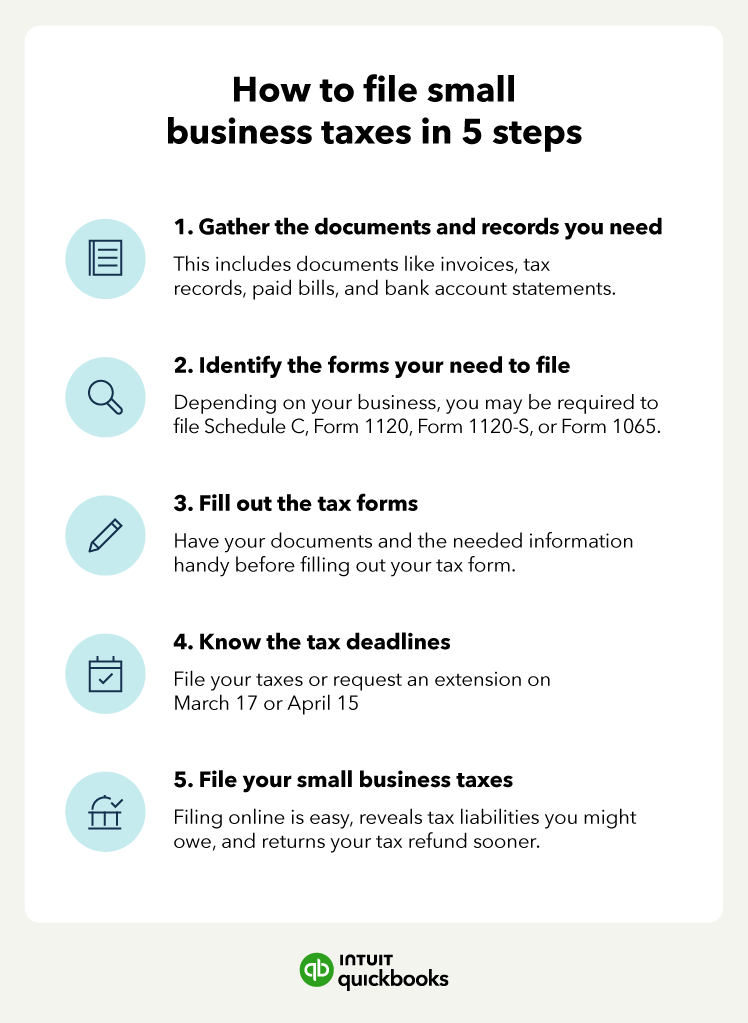
Once your data is organized, the actual process of “doing” your taxes involves choosing the right method to submit your return. In the modern era, the manual paper-and-pen method has largely been replaced by sophisticated software and professional services.
Standard Deduction vs. Itemizing
One of the most significant choices in the filing process is whether to take the standard deduction or to itemize. The standard deduction is a flat amount that the government allows you to subtract from your income, no questions asked. Itemizing involves listing out specific expenses (like mortgage interest, state and local taxes, and medical bills) on Schedule A.
With the passage of recent tax reforms that nearly doubled the standard deduction, fewer taxpayers find it beneficial to itemize. However, for those with significant mortgage interest or high state taxes, itemizing remains a powerful tool to lower tax liability.
Leveraging Tax Software and Professional Help
For the majority of taxpayers with straightforward financial situations (a W-2 and some bank interest), tax software is the most efficient route. These programs use interview-style interfaces to guide you through the process, ensuring you don’t miss common credits.
However, as your “Money” profile becomes more complex—perhaps involving rental properties, K-1s from partnerships, or complex stock options—the value of a Certified Public Accountant (CPA) or Enrolled Agent (EA) increases. A professional does more than just fill out forms; they provide “tax alpha,” which is the additional value created through expert planning and error prevention.
Maximizing Tax Efficiency: Long-term Wealth Strategies
Doing your taxes shouldn’t be an isolated event that happens every April. Instead, it should be the culmination of a year-long strategy designed to minimize your lifetime tax burden. This is where personal finance meets sophisticated tax planning.
Retirement Contributions as a Tax Shield
One of the most effective ways to lower your taxes while building wealth is through tax-advantaged retirement accounts. Contributions to a traditional 401(k) or a Traditional IRA are often “pre-tax,” meaning they are deducted from your income before you are even taxed.
For example, if you earn $70,000 and contribute $10,000 to a traditional 401(k), the government only sees $60,000 of taxable income. Not only are you saving for your future, but you are also receiving an immediate “discount” on your tax bill equivalent to your marginal tax rate.
Tax-Loss Harvesting and Capital Gains
For those involved in investing, “doing taxes” includes managing your portfolio’s impact on your tax return. Tax-loss harvesting is the practice of selling investments that are at a loss to offset capital gains realized from winning investments. If your losses exceed your gains, you can even use up to $3,000 of those losses to offset your ordinary income. This strategy is a cornerstone of professional investment management, ensuring that market volatility can be used to a taxpayer’s advantage.
The Power of Tax Credits
While deductions are beneficial, tax credits are the “gold standard” of tax savings. Credits like the Child Tax Credit (CTC) or the Earned Income Tax Credit (EITC) can result in significant refunds. Additionally, “green” energy credits for home improvements (like solar panels or heat pumps) and credits for electric vehicles provide substantial financial incentives for specific consumer behaviors. Understanding which credits you qualify for is a key component of high-level financial literacy.

Conclusion: The Mindset of Proactive Financial Management
Learning how to do your taxes is a transformative step in a person’s financial journey. It shifts the perspective from viewing taxes as a “loss” to viewing them as a variable that can be managed and optimized. By understanding the foundational rules of filing, maintaining meticulous records, choosing the right filing strategy, and implementing long-term tax-efficient investment habits, you position yourself for greater financial stability.
Ultimately, tax literacy is about agency. When you understand the “why” and “how” behind the numbers on your return, you gain the power to make informed decisions about your spending, your saving, and your investments. Taxes are inevitable, but overpaying them is not. Through diligent preparation and strategic planning, you can ensure that you keep more of your hard-earned money working for you, rather than simply sending it away.
aViewFromTheCave is a participant in the Amazon Services LLC Associates Program, an affiliate advertising program designed to provide a means for sites to earn advertising fees by advertising and linking to Amazon.com. Amazon, the Amazon logo, AmazonSupply, and the AmazonSupply logo are trademarks of Amazon.com, Inc. or its affiliates. As an Amazon Associate we earn affiliate commissions from qualifying purchases.