
Booking a cruise represents more than just selecting a destination; it’s a significant financial decision that requires careful planning, shrewd navigation of options, and a clear understanding of your budget. For many, a cruise is the culmination of months, if not years, of saving and anticipation. Therefore, approaching the booking process with a financial strategy is paramount to ensuring not only a memorable vacation but also one that aligns perfectly with your monetary comfort zone and provides genuine value. This guide will walk you through the essential financial considerations and smart strategies required to book your ideal cruise, transforming a potentially overwhelming task into an empowering journey of informed decisions.
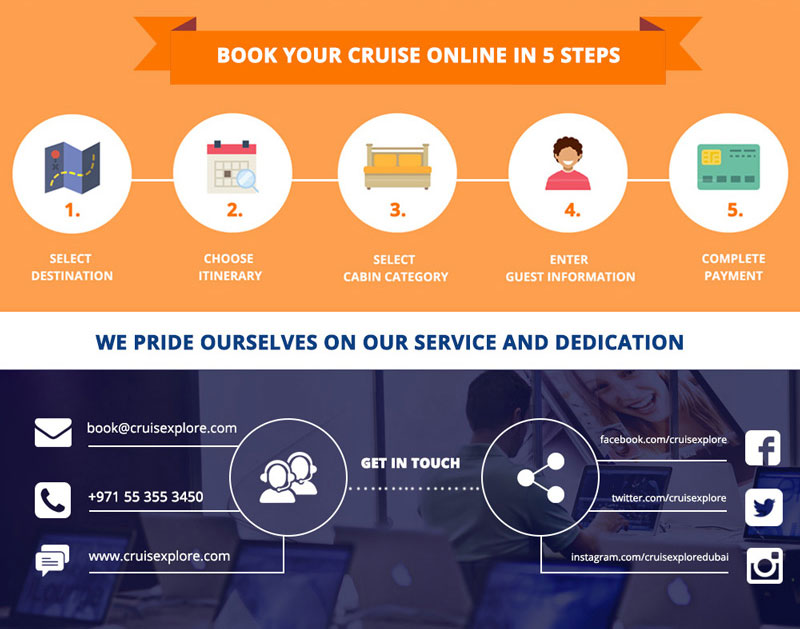
1. Demystifying Your Cruise Budget and Preferences
Before you even begin browsing itineraries, the foundational step to booking any cruise is to establish a clear and comprehensive budget. This isn’t merely about the sticker price; it involves anticipating and allocating funds for a myriad of expenses that contribute to the overall cost of your vacation.
Defining Your Financial Comfort Zone
Many first-time cruisers fall into the trap of only considering the base fare. However, a truly informed budget goes much deeper. You need to consider what we call “ancillary costs”—expenses that arise before, during, and after your sailing. These can include flights to and from the embarkation port, pre- or post-cruise hotel stays, shore excursions, gratuities, drink packages, specialty dining, internet access, spa treatments, travel insurance, and even port fees and government taxes that might not be included in the initial quoted price.
The key is to set a realistic total budget, encompassing all these potential expenditures. Start by identifying your maximum comfortable spend for the entire trip, then work backward, allocating percentages or fixed amounts to each category. This holistic view prevents sticker shock later and ensures you don’t overextend your finances.
Aligning Budget with Cruise Type and Duration
Your budget directly influences the type of cruise experience you can afford. The cruise market offers a vast spectrum, from budget-friendly options on older ships or shorter itineraries to ultra-luxury voyages with all-inclusive amenities.
- Luxury vs. Mainstream vs. Budget Cruising: Luxury lines typically include most amenities (drinks, excursions, gratuities) in the fare, resulting in a higher upfront cost but often less onboard spending. Mainstream lines offer a tiered approach, allowing you to customize your experience with various add-ons. Budget lines, while offering attractive base fares, often require significant additional spending for extras, which can quickly inflate the total cost.
- Impact of Itinerary and Season on Price: A Caribbean cruise in peak winter season will inherently be more expensive than one in the shoulder season (e.g., late spring or early fall). Similarly, exotic itineraries to places like Alaska, the Galapagos, or Antarctica typically command higher prices due to operational costs and demand. Researching the cost implications of different destinations and travel times is crucial for budget alignment.
- Cabin Categories and Their Cost Implications: The cabin you choose is one of the most significant factors affecting your cruise fare. Inside cabins are the most economical, followed by oceanview, balcony, and ultimately, suites. While upgrading offers more space and amenities, it comes at a premium. Weigh the value of a balcony or suite against your overall budget and how much time you realistically expect to spend in your cabin.
2. Mastering the Art of Finding and Securing Value
Once your budget framework is in place, the next phase involves strategically navigating the market to find the best cruise at the best price. This requires a discerning eye, patience, and an understanding of how cruise pricing works.
Leveraging Comparison Tools and Travel Agents
The digital age has brought an abundance of resources to help you find cruise deals.
- Online Travel Agencies (OTAs) vs. Direct Booking: Websites like CruiseDirect, Expedia Cruises, or Travelocity often offer competitive pricing, exclusive promotions (e.g., free onboard credit, prepaid gratuities), or bundled packages that can present better value than booking directly with the cruise line. However, direct booking can sometimes offer loyalty program benefits or specific flexibility options. It’s wise to compare both avenues thoroughly.
- The Value Proposition of a Travel Advisor: For complex itineraries, first-time cruisers, or those seeking personalized service, a knowledgeable travel advisor can be an invaluable asset. They often have access to group rates, unadvertised deals, and can secure perks (like cabin upgrades or extra onboard credit) that you might not find independently. Moreover, they act as your advocate if issues arise, saving you time and stress.
- Using Price Alert Tools and Deal Aggregators: Websites and apps allow you to set price alerts for specific cruises, notifying you when prices drop. Aggregator sites scour multiple sources to present a comprehensive view of available deals, saving you hours of manual searching.
Deciphering Discounts, Promotions, and Inclusions
Cruise lines are masters of promotion, often advertising enticing offers. Understanding these offers is key to discerning true value.
- “Free At Sea,” Onboard Credit, Drink Packages, Wi-Fi: Many promotions bundle “free” perks. While these can add significant value, it’s essential to understand the fine print. Are the drink packages limited? Is the Wi-Fi package sufficient for your needs? Does the onboard credit cover everything you’d want to buy? Sometimes, a lower base fare without perks can be a better deal if you don’t plan to utilize all the inclusions.
- Understanding Terms and Conditions: A “deal” isn’t a deal if it comes with restrictive cancellation policies or hidden fees. Always read the terms and conditions carefully, especially regarding deposits, final payment dates, and change fees.
- Group Rates and Loyalty Programs: If you’re traveling with a large group, inquire about group rates, which can include special perks or a free berth for the organizer. For repeat cruisers, loyalty programs offer escalating benefits, from discounts to exclusive access, which can significantly enhance your cruise value over time.
Timing Your Booking for Optimal Savings
When you book can be as critical as where you book. Cruise pricing is dynamic, fluctuating based on demand, capacity, and seasonality.

- Early Bird Specials: Often, booking 12-18 months in advance, especially for popular itineraries or new ships, yields the best selection of cabins and sometimes “early bird” discounts or added perks. This strategy is ideal for those with fixed travel dates or specific cabin preferences.
- Last-Minute Deals: For flexible travelers, booking within 90 days of departure can sometimes lead to significant discounts as cruise lines try to fill remaining cabins. However, this strategy carries risks: limited cabin choices, potentially higher airfare, and popular itineraries might already be sold out.
- Shoulder Season and Off-Peak Travel: Traveling during the “shoulder season” (just before or after peak season) or completely off-peak (e.g., Caribbean during hurricane season, though with insurance) often presents the best balance of lower prices, fewer crowds, and decent weather.
3. Navigating Payment Plans and Financial Commitments
Once you’ve selected your cruise, understanding the financial mechanics of securing your booking is the next crucial step. This involves deposits, payment schedules, and crucially, protecting your investment.
Understanding Deposits and Final Payment Schedules
Cruise bookings typically require an initial deposit to confirm your reservation. This deposit amount varies by cruise line, length of sailing, and cabin category. The final payment for your cruise is usually due anywhere from 60 to 120 days before your sailing date. Missing this deadline can result in the cancellation of your booking and forfeiture of your deposit. Be diligent about noting these dates and planning your finances accordingly. In some cases, Future Cruise Credits (FCCs), often issued for cancelled voyages, can be used as part or full payment, but check their expiration dates and terms of use.
Strategic Payment Options and Credit Card Benefits
How you pay for your cruise can also offer financial advantages.
- Using Travel Rewards Credit Cards: Many credit cards offer lucrative travel rewards, cashback, or sign-up bonuses. Using such a card for your cruise booking can earn you significant points, miles, or cashback that can be redeemed for future travel expenses, including flights, hotels, or even another cruise. Ensure your card offers strong consumer protection benefits, especially for large purchases.
- Avoiding Foreign Transaction Fees: If booking a cruise in a foreign currency or through a non-U.S. website, use a credit card that does not charge foreign transaction fees to avoid unnecessary surcharges, which typically range from 1-3% of the transaction value.
- Payment Plans: Many cruise lines and OTAs offer interest-free payment plans, allowing you to spread the cost of your cruise over several months leading up to the final payment date. This can be an excellent budgeting tool, making a cruise more accessible without incurring debt.
The Critical Role of Travel Insurance
Protecting your financial investment in a cruise is non-negotiable. Travel insurance, while an added cost, provides invaluable peace of mind and safeguards against unforeseen circumstances.
- Why Standard Health Insurance Isn’t Enough: Most domestic health insurance policies offer limited or no coverage overseas, including on international waters. Travel insurance typically includes emergency medical expenses and emergency medical evacuation, which can be astronomically expensive without coverage.
- Comprehensive Coverage: Look for policies that cover trip cancellation/interruption (due to illness, unforeseen events), baggage loss/delay, and missed connections. The cost of a cruise, combined with flights and pre/post-cruise hotels, makes comprehensive coverage a wise investment.
- “Cancel For Any Reason” (CFAR): For ultimate flexibility, consider a “Cancel For Any Reason” (CFAR) add-on. While more expensive, it allows you to cancel your trip and recover a significant portion (typically 50-75%) of your non-refundable costs, regardless of the reason for cancellation. This is particularly valuable in uncertain times or if your travel plans are prone to last-minute changes.
4. Avoiding Common Financial Pitfalls and Hidden Costs
Even with a meticulous budget and smart booking strategies, cruises can surprise you with unexpected expenses if you’re not vigilant. A truly financially savvy cruiser anticipates and minimizes these potential pitfalls.
Scrutinizing the Fine Print
Hidden costs often lurk in the details of your booking confirmation.
- Port Charges, Government Taxes, Fuel Surcharges: While some travel agents or cruise lines include these in the initial quote, others list them separately. Ensure you understand the full cost that will be added to your fare.
- Gratuities: Most cruise lines automatically add daily gratuities to your onboard account. While you can often adjust these, it’s better to factor them into your upfront budget. Some luxury lines or all-inclusive packages include gratuities.
- Understanding What’s Not Included: Explicitly identify what amenities, services, and activities are not covered by your base fare or chosen package. This clarity prevents disappointment and unexpected charges.
Managing Onboard Spending Wisely
Once you’re onboard, the temptation to spend can be high. Proactive planning can keep your finances in check.
- Drink Packages: Evaluate if a drink package truly offers value based on your consumption habits. For light drinkers, paying per drink might be more economical. For heavy drinkers, it could be a significant saving.
- Specialty Dining and Spa Treatments: These premium experiences come with a separate charge. Decide upfront if they are a priority and budget for them.
- Internet Access and Phone Charges: Onboard Wi-Fi and satellite phone services are notoriously expensive. Consider disconnecting or using port Wi-Fi strategically. Check your mobile carrier’s international roaming plans, which might be cheaper than satellite phone services.
- Excursions: While convenient, cruise line excursions can be pricier. Research independent tour operators in port for potentially lower costs, but ensure they have a solid reputation and guarantee timely return to the ship.
Post-Cruise Financial Review and Future Planning
After your cruise, take a moment to review your final onboard statement for accuracy and reflect on your spending habits. This post-trip financial review is an invaluable tool for future budgeting. Identify areas where you overspent or underspent, and use these insights to refine your strategy for your next adventure. Booking a cruise is an investment in experiences and memories. By approaching it with a strategic financial mindset, you ensure that this investment delivers maximum enjoyment without any unwelcome monetary surprises.
aViewFromTheCave is a participant in the Amazon Services LLC Associates Program, an affiliate advertising program designed to provide a means for sites to earn advertising fees by advertising and linking to Amazon.com. Amazon, the Amazon logo, AmazonSupply, and the AmazonSupply logo are trademarks of Amazon.com, Inc. or its affiliates. As an Amazon Associate we earn affiliate commissions from qualifying purchases.