
The journey to financial independence often feels like a steep mountain climb, but the most effective tool for reaching the summit has historically been the stock market. For decades, stock investing was viewed as a playground for the wealthy or those with specialized degrees in finance. However, the digital revolution has democratized access to the markets, allowing anyone with a smartphone and a few dollars to become a partial owner of the world’s most successful companies.
Starting your investment journey is not merely about picking a “winning” stock; it is about developing a disciplined strategy, understanding your financial goals, and harnessing the power of compounding interest over time. This guide will walk you through the essential steps to transition from a saver to a strategic investor.
1. Building a Robust Financial Foundation
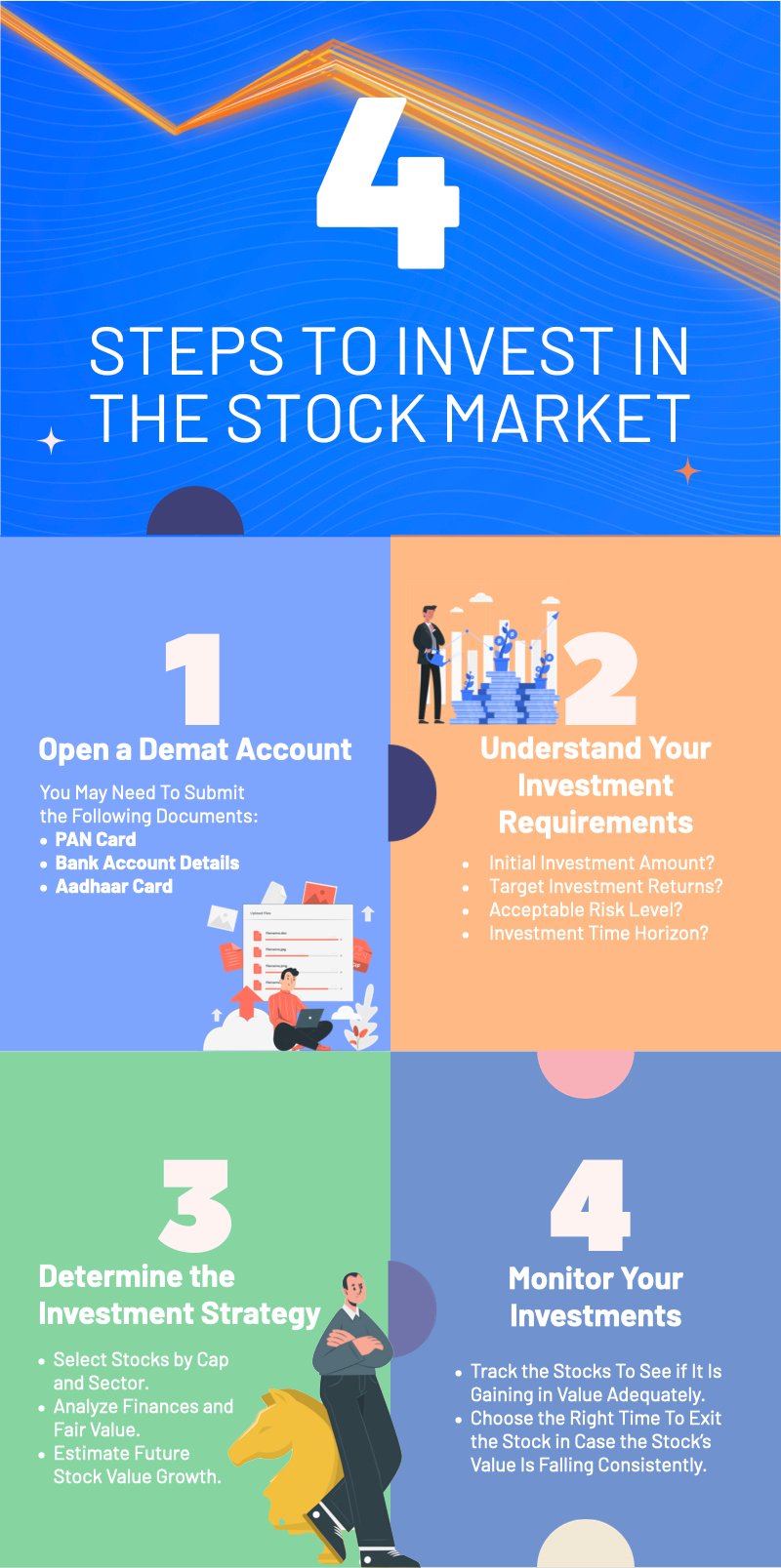
Before you purchase your first share of stock, you must ensure that your financial house is in order. Investing involves risk, and the last thing a new investor should do is put “rent money” into a volatile market. Establishing a baseline of financial security ensures that you can stay invested during market downturns without being forced to sell at a loss.
Assessing Your Debt and Cash Flow
High-interest debt is the enemy of wealth creation. If you are carrying credit card debt with an interest rate of 20% or higher, paying that down is a guaranteed “return” on your money that exceeds what you are likely to earn in the stock market. Before investing, categorize your debts. Low-interest debt, such as a mortgage or certain student loans, can often be managed alongside an investment plan, but toxic, high-interest debt should be eliminated first.
The Necessity of an Emergency Fund
The stock market is a long-term vehicle. To avoid being forced to liquidate your positions during a market dip, you need an emergency fund. Most financial advisors recommend saving three to six months’ worth of living expenses in a high-yield savings account. This “buffer” provides the psychological and financial peace of mind required to weather the natural fluctuations of the stock market.
Identifying Your Investment Horizon and Risk Tolerance
Every investor has a different “time horizon”—the period during which they plan to keep their money invested before needing it. If you are 25 and saving for retirement, your horizon is 40 years, allowing you to take more risks. If you are 50 and saving for a house purchase in three years, your horizon is short, and your strategy should be more conservative. Understanding your risk tolerance—how much of a portfolio drop you can stomach without panicking—is crucial to choosing the right assets.
2. Choosing the Right Investment Account and Platform
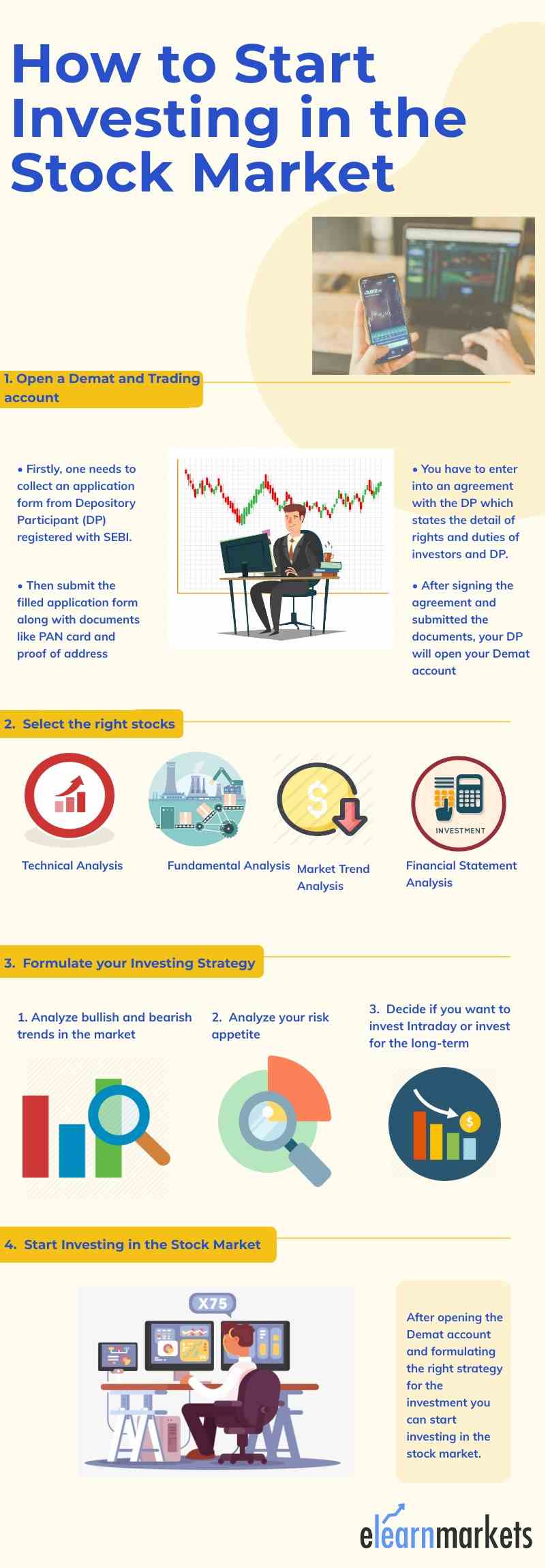
Once your foundation is set, you need a gateway to the market. In the modern era, you have several choices regarding where to hold your investments and how much control you want over individual trades.
Tax-Advantaged vs. Taxable Brokerage Accounts
The “container” you choose for your stocks matters as much as the stocks themselves.
- Retirement Accounts (IRAs/401ks): These offer significant tax advantages. A Roth IRA, for example, allows your investments to grow tax-free, and withdrawals in retirement are also tax-free. If your employer offers a 401(k) match, that is essentially a 100% return on your money and should be your first priority.
- Taxable Brokerage Accounts: These offer the most flexibility. You can withdraw your money at any time without age-related penalties, but you will owe taxes on any capital gains and dividends earned.
Selecting a Brokerage Platform
The days of high commissions are largely over. Most modern brokers, such as Charles Schwab, Fidelity, or Vanguard, offer zero-commission trades on stocks and ETFs. For those who prefer a mobile-first experience, apps like Robinhood or Public have simplified the interface. When choosing, look for a platform that offers “fractional shares.” This feature allows you to buy $5 worth of a company like Amazon or Google, even if the price of a full share is hundreds or thousands of dollars.
The Role of Robo-Advisors
If the idea of picking individual stocks feels overwhelming, a robo-advisor (like Betterment or Wealthfront) might be the right fit. These platforms use algorithms to build and manage a diversified portfolio for you based on your risk profile. While they charge a small management fee (typically around 0.25%), they automate the process of rebalancing and tax-loss harvesting, making them an excellent “set-it-and-forget-it” option for beginners.
3. Selecting Your Assets: Stocks, ETFs, and Mutual Funds
The core of your strategy involves deciding what to actually buy. While many beginners are drawn to the excitement of individual stocks, a balanced portfolio usually consists of a mix of different asset types to spread out risk.
Individual Stocks vs. Diversified Funds
Buying an individual stock makes you a part-owner of a single company. If that company excels, your gains can be substantial. However, if that company fails, your losses can be total. Diversified funds, such as Mutual Funds and Exchange-Traded Funds (ETFs), allow you to buy a “basket” of hundreds or thousands of stocks in a single transaction. This significantly reduces “unsystematic risk”—the risk associated with a single company’s management or industry-specific failures.
The Power of Index Funds and ETFs
For the vast majority of investors, index funds are the most reliable path to wealth. An index fund tracks a specific market segment, such as the S&P 500 (the 500 largest companies in the US). By buying an S&P 500 ETF (like VOO or SPY), you are betting on the American economy as a whole rather than a single CEO. Over long periods, index funds have historically outperformed the majority of professional fund managers who try to pick winning stocks manually.
Growth vs. Value and Dividend Investing
As you become more comfortable, you may want to tailor your portfolio to specific financial outcomes.
- Growth Stocks: These are companies expected to grow at a rate significantly above the average for the market (e.g., tech giants). They often don’t pay dividends, reinvesting all profits back into the company.
- Value Stocks: These are companies that appear to be trading for less than their intrinsic value.
- Dividend Stocks: These are established companies (like Coca-Cola or Proctor & Gamble) that pay out a portion of their earnings to shareholders regularly. This is a popular strategy for those seeking passive income.
4. Executing Trades and Managing Your Portfolio
Having a plan is one thing; executing it with discipline is another. Understanding the mechanics of the market will prevent you from making common “rookie” mistakes that can erode your returns.
Market Orders vs. Limit Orders
When you go to buy a stock, you will see different order types.
- Market Order: Instructs the broker to buy or sell the stock immediately at the best available current price.
- Limit Order: Tells the broker to only buy the stock if the price hits a specific target you set. For beginners, market orders are usually sufficient for highly liquid, large-cap stocks, but limit orders provide more control over the price you pay.
Embracing Dollar-Cost Averaging (DCA)
One of the biggest fears for new investors is “buying at the top.” To mitigate this, professionals use a strategy called Dollar-Cost Averaging. Instead of investing $10,000 all at once, you invest $833 every month for a year. When prices are high, your money buys fewer shares; when prices are low, your money buys more shares. This removes the emotional stress of trying to “time the market” and lowers your average cost per share over time.
The Importance of Rebalancing and Long-term Discipline
Over time, some parts of your portfolio will grow faster than others, which can leave you “overweight” in one sector. For example, if your tech stocks soar, they might eventually represent 80% of your portfolio, making you more vulnerable to a tech crash. “Rebalancing” involves selling a bit of what has grown and buying more of what has lagged to return to your original target allocation. Most importantly, successful investing requires the discipline to stay the course. The market will go down; it is a mathematical certainty. The investors who succeed are those who view market “red days” as sales rather than reasons to panic.
Conclusion
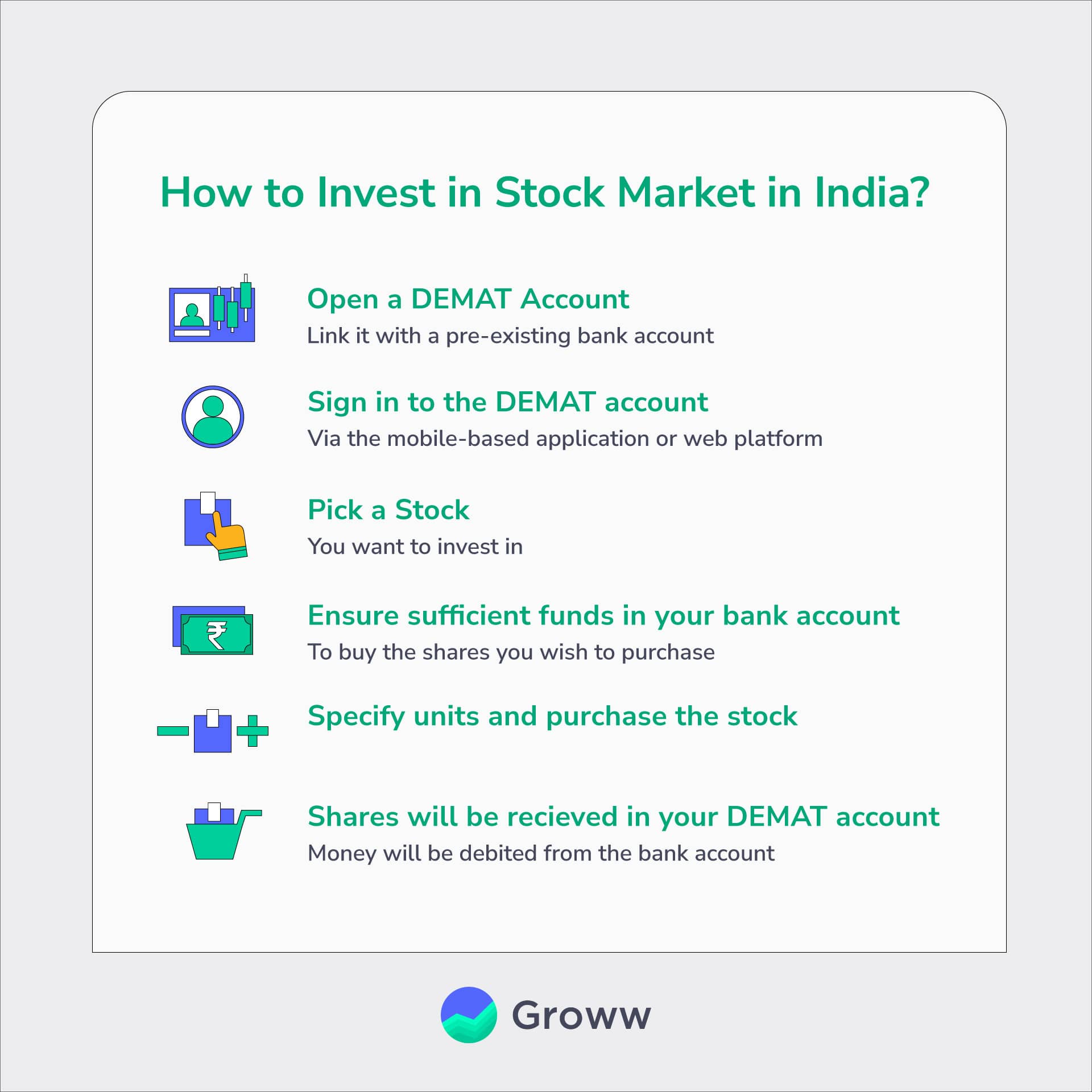
Starting to invest in stocks is a marathon, not a sprint. The goal of your first year should not necessarily be to achieve record-breaking returns, but to build the habit of consistent investing and to educate yourself on the mechanics of the market. By establishing a firm financial foundation, choosing the right accounts, diversifying your holdings through low-cost index funds, and utilizing strategies like dollar-cost averaging, you are not just “playing the market”—you are building a sophisticated engine for long-term wealth. The best time to start was ten years ago; the second best time is today. Stay patient, stay informed, and let the power of the global economy work for you.
aViewFromTheCave is a participant in the Amazon Services LLC Associates Program, an affiliate advertising program designed to provide a means for sites to earn advertising fees by advertising and linking to Amazon.com. Amazon, the Amazon logo, AmazonSupply, and the AmazonSupply logo are trademarks of Amazon.com, Inc. or its affiliates. As an Amazon Associate we earn affiliate commissions from qualifying purchases.