
In an era defined by fluctuating markets, rising living costs, and the constant lure of consumerism, the question “how do I save money?” has evolved from a simple inquiry into a critical survival skill. Saving money is rarely about a single, monumental sacrifice; rather, it is the result of a series of intentional habits, strategic tool utilization, and a fundamental shift in one’s psychological relationship with capital. To master your finances, you must view saving not as a restriction of your current lifestyle, but as the active purchase of your future freedom.
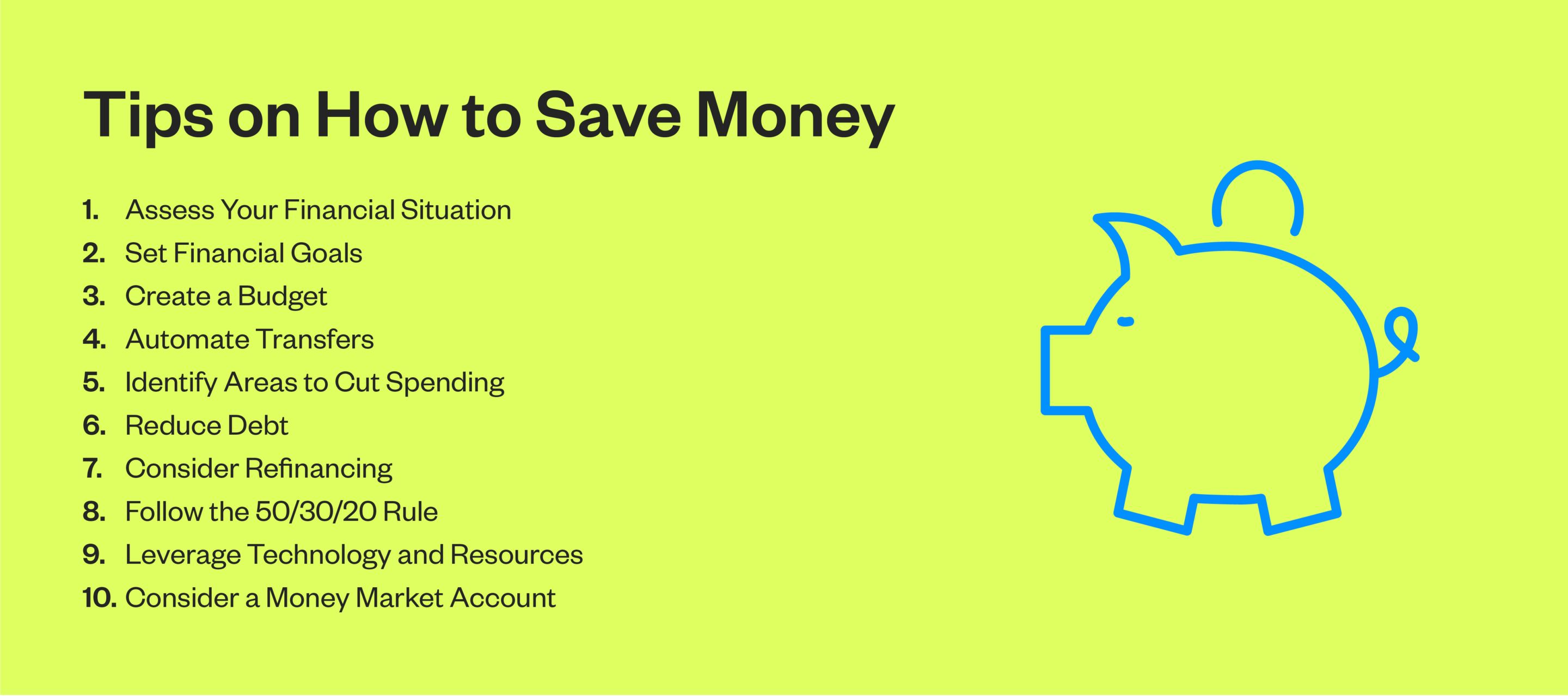
This guide explores the multifaceted approach required to build a robust financial cushion, ranging from behavioral frameworks and digital tools to strategic spending and the transition from simple saving to long-term wealth building.
The Psychology of Saving: Shifting from Consumption to Accumulation
Before addressing spreadsheets or bank accounts, one must address the mindset. Most people fail to save not because they don’t earn enough, but because of “lifestyle creep”—the tendency for expenses to rise in tandem with income. To combat this, you must establish a structural framework that prioritizes your future self over immediate gratification.
The 50/30/20 Rule: A Framework for Success
One of the most effective ways to conceptualize saving is through the 50/30/20 rule. This breakdown suggests that 50% of your after-tax income should go toward “Needs” (housing, utilities, groceries), 30% toward “Wants” (dining out, hobbies, streaming services), and—most importantly—20% toward “Savings and Debt Repayment.” By categorizing your outflow this way, you create a clear boundary that prevents discretionary spending from bleeding into your financial security. If you find your needs exceed 50%, it is a signal to audit your fixed costs rather than simply hoping there will be money left at the end of the month.
Automating Your Financial Discipline
The greatest enemy of saving is human willpower, which is a finite resource. To bypass the temptation to spend, you should “pay yourself first” through automation. By setting up an automatic transfer that moves a portion of your paycheck into a separate savings account the moment it hits your bank, you remove the decision-making process entirely. When the money is moved before you have the chance to see it as “spendable,” you naturally adjust your lifestyle to the remaining balance. This is the cornerstone of effortless wealth accumulation.
Overcoming the “Latte Factor” vs. Big Wins
While popular financial advice often focuses on small daily expenses like coffee, the psychological reality is that “decision fatigue” makes it hard to cut out small joys. Instead, focus on “Big Wins.” Reducing your rent by moving or taking a roommate, refinancing a high-interest loan, or negotiating your insurance premiums provides thousands of dollars in annual savings with a single one-time action. Once the Big Wins are secured, the smaller daily habits become easier to manage because the financial pressure is significantly lower.
Leveraging Modern Financial Tools and Technology
We live in a golden age of financial technology (FinTech). Saving money in the 21st century no longer requires keeping physical ledgers or hiding cash under a mattress. Utilizing the right digital infrastructure can optimize your interest earnings and provide clarity on where every dollar is going.
High-Yield Savings Accounts vs. Traditional Banking
One of the most common mistakes is keeping an emergency fund or short-term savings in a traditional “big bank” savings account, which often offers negligible interest rates (sometimes as low as 0.01%). To truly save, your money must at least keep pace with inflation. High-Yield Savings Accounts (HYSAs), typically offered by online banks, provide interest rates that can be 10 to 20 times higher than the national average. By moving your cash to an HYSA, you are essentially earning “passive savings” through compound interest with zero additional effort.
Expense Tracking Apps and Digital Budgeting
You cannot manage what you do not measure. Modern budgeting apps allow you to sync your accounts and categorize transactions automatically. Tools like YNAB (You Need A Budget), Rocket Money, or Mint (and its successors) provide a “bird’s-eye view” of your financial health. These tools are particularly effective at identifying “ghost subscriptions”—recurring payments for services you no longer use. Auditing these subscriptions can often save the average consumer hundreds of dollars per year instantly.
Digital Round-Ups and Micro-Saving
For those who struggle to start, micro-saving apps offer a low-barrier entry point. These tools “round up” your transactions to the nearest dollar and move the change into a savings or investment account. While these small amounts won’t fund a retirement on their own, they serve a vital psychological purpose: they prove that saving is possible without feeling any impact on your daily purchasing power.
Strategic Spending: Optimizing Major Life Expenses

Saving money is as much about how you spend as it is about how much you keep. Strategic spending involves analyzing your largest outflow categories and applying optimization techniques to reduce costs without significantly diminishing your quality of life.
Housing and Utility Efficiency
For most individuals, housing is the largest monthly expense. Beyond the obvious choice of finding lower rent, you can save by optimizing utility usage. Smart thermostats, LED lighting, and weather-stripping are small investments that yield long-term dividends in lower electricity and heating bills. Furthermore, if you are a homeowner, periodically reviewing your mortgage rate for refinancing opportunities (when rates are favorable) can save tens of thousands of dollars over the life of the loan.
The Art of Conscious Consumerism
The “Save Money” mindset requires a shift from impulsive buying to conscious consumerism. This involves implementing the “72-hour rule”: before making any non-essential purchase over a certain dollar amount, wait three days. This cooling-off period often reveals that the “need” was merely a fleeting “want” fueled by marketing or dopamine. Additionally, buying high-quality items that last longer (the “Buy It For Life” philosophy) often saves more money in the long run than repeatedly replacing cheap, disposable alternatives.
Grocery Optimization and Meal Planning
Food is often the most volatile part of a household budget. Strategic saving in this category involves meal planning and bulk purchasing. By planning meals around what is already in your pantry and what is on sale at the grocer, you eliminate food waste—which accounts for nearly 30% of grocery spending in many households. Switching to store brands (generic) for staples like grains, spices, and cleaning supplies can also reduce your grocery bill by 20–30% without a discernible change in quality.
Building Resilience Through Emergency Funds and Debt Management
A primary reason people fail to save long-term is that they are frequently “derailed” by unexpected expenses. Saving, therefore, must be defensive as well as offensive. You must build a moat around your finances to protect your progress.
The “Starter” Emergency Fund
Before aggressively paying down low-interest debt or investing in the stock market, you must establish a “starter” emergency fund—typically $1,000 to one month’s expenses. This fund acts as a shock absorber for life’s inevitable surprises, such as a flat tire or a broken appliance. Without this fund, most people turn to credit cards when an emergency strikes, creating a cycle of high-interest debt that makes future saving nearly impossible.
High-Interest Debt Elimination Strategies
Debt is the “anti-savings.” Paying 20% interest on a credit card balance is mathematically equivalent to losing a 20% guaranteed return on your money. To save effectively, you must eliminate high-interest debt using either the “Debt Avalanche” method (paying off the highest interest rate first to save the most money) or the “Debt Snowball” method (paying off the smallest balance first for psychological momentum). Once this debt is gone, the money previously allocated to interest payments can be redirected entirely into your savings.
Insurance as a Savings Protector
While paying for insurance feels like an expense, it is actually a vital savings strategy. Being underinsured in areas like health, auto, or renters’ insurance can result in a single event wiping out years of diligent saving. Periodically “shopping” your insurance policies—comparing quotes from different providers—ensures you are protected at the lowest possible price point, keeping more money in your pocket while maintaining your safety net.
Growing Your Savings: Transitioning from Saving to Investing
The final stage of “how to save money” is recognizing when you have saved enough in cash and need to start putting that money to work. Cash is a depreciating asset due to inflation; therefore, true financial security requires moving beyond a savings account.
Understanding Inflation’s Impact on Cash
If the inflation rate is 3% and your savings account pays 1%, you are effectively losing 2% of your purchasing power every year. While cash is necessary for liquidity and emergencies, keeping too much of it can hinder your long-term wealth. Once you have a 3–6 month emergency fund, additional “savings” should generally be directed toward assets that appreciate or produce income.
Tax-Advantaged Accounts and Long-Term Wealth
One of the most efficient ways to “save” is to reduce your tax liability. Contributing to employer-sponsored 401(k) plans or individual retirement accounts (IRAs) allows your money to grow tax-deferred or tax-free. If your employer offers a “match,” this is essentially a 100% return on your investment—an opportunity that no traditional savings account can ever match. By utilizing these accounts, you are saving money on taxes today while building a massive nest egg for tomorrow.

The Power of Compound Interest
The ultimate goal of saving is to reach a “tipping point” where the interest and growth on your savings exceed the amount you contribute manually. By starting early and being consistent, you allow compound interest to do the heavy lifting. A person who saves $500 a month starting at age 25 will have significantly more wealth at age 65 than someone who saves $1,500 a month starting at age 45. Saving money is not just about the amount; it is about the time you allow that money to work for you.
In conclusion, learning how to save money is a journey of intentionality. It begins with a psychological commitment to the future, is facilitated by modern technology, is maintained through strategic lifestyle choices, and is protected by a solid emergency foundation. By following these principles, you transform saving from a chore into a powerful engine for personal and financial freedom.
aViewFromTheCave is a participant in the Amazon Services LLC Associates Program, an affiliate advertising program designed to provide a means for sites to earn advertising fees by advertising and linking to Amazon.com. Amazon, the Amazon logo, AmazonSupply, and the AmazonSupply logo are trademarks of Amazon.com, Inc. or its affiliates. As an Amazon Associate we earn affiliate commissions from qualifying purchases.