
Opening a small business is one of the most significant financial decisions an individual can make. While many approach entrepreneurship from the perspective of passion or “being their own boss,” the most successful ventures are those built on a foundation of rigorous financial logic. To transition from an idea to a revenue-generating asset, one must navigate the complexities of capital allocation, tax optimization, and cash flow management. This guide explores the essential financial steps required to launch a small business, focusing on fiscal sustainability and long-term wealth creation.
1. Establishing the Financial Foundation and Structure
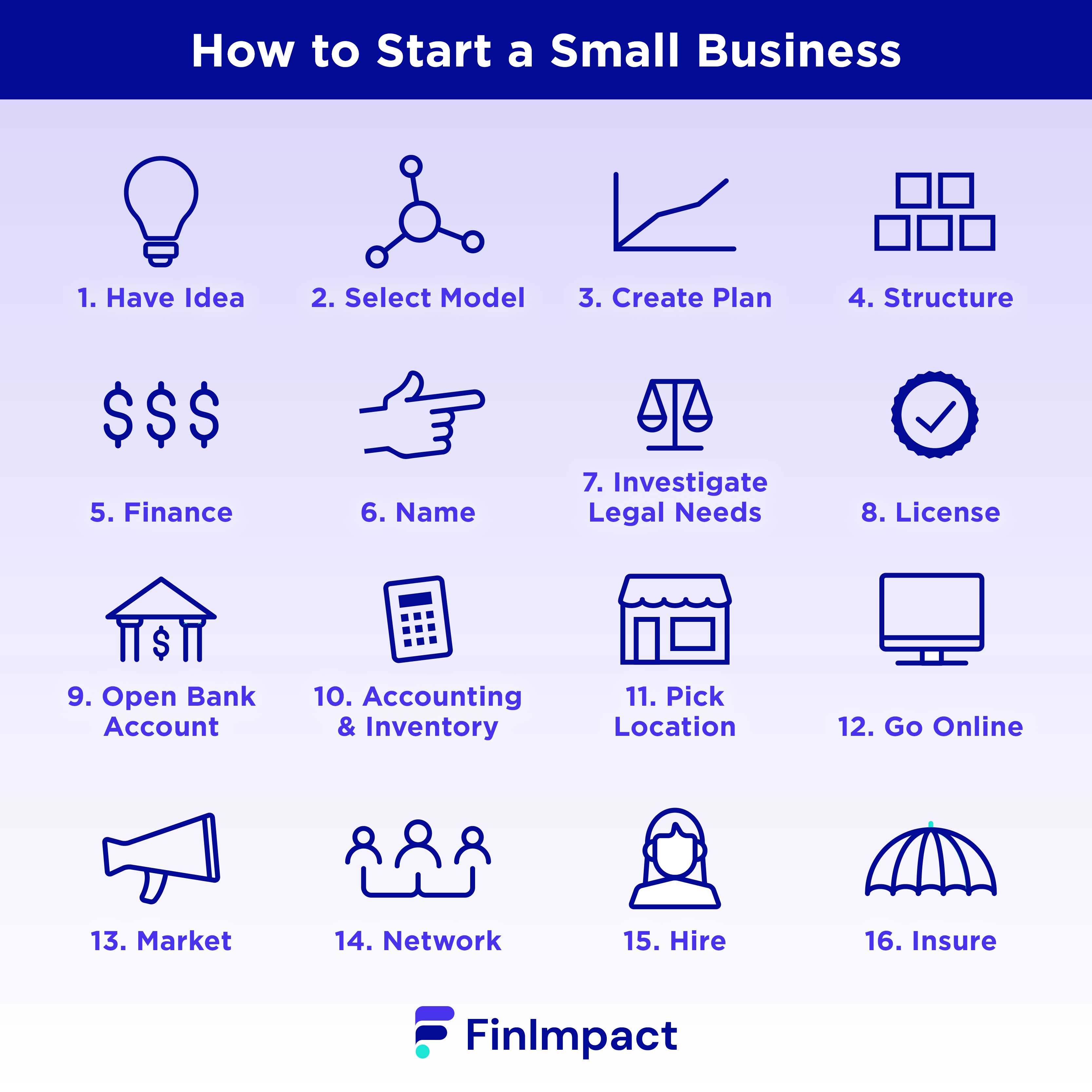
Before the first product is sold or the first service is rendered, a business owner must define the legal and financial parameters of the entity. This stage is less about the “what” of your business and more about the “how” of its fiscal operations.
Choosing the Right Business Structure for Tax Efficiency
The legal structure of your business dictates how you are taxed and your level of personal liability. For many new entrepreneurs, the choice often falls between a Sole Proprietorship, a Limited Liability Company (LLC), or an S-Corporation.
From a “Money” perspective, the LLC is frequently the preferred starting point. It provides a “pass-through” tax benefit, meaning the business’s profits are reported on the owner’s individual tax return, avoiding the double taxation often associated with C-Corporations. However, as the business grows, electing S-Corp status can provide significant savings on self-employment taxes by allowing owners to split income between a “reasonable salary” and shareholder distributions. Deciding this early ensures that you aren’t overpaying the government from day one.
Developing a Robust Financial Model and Pro Forma Statements
A business plan is essentially a financial hypothesis. To open a business successfully, you must move beyond a simple “idea” and create pro forma financial statements. These are projections of your financial position based on specific assumptions.
Your financial model should include:
- Startup Costs: A comprehensive list of every penny required to open the doors (permits, inventory, initial marketing, equipment).
- Income Statement Projections: Monthly revenue goals versus the Cost of Goods Sold (COGS).
- Break-even Analysis: Calculating the exact moment your total revenue equals your total expenses. Knowing your break-even point is the difference between a calculated risk and a blind gamble.
2. Capital Acquisition and Funding Strategies
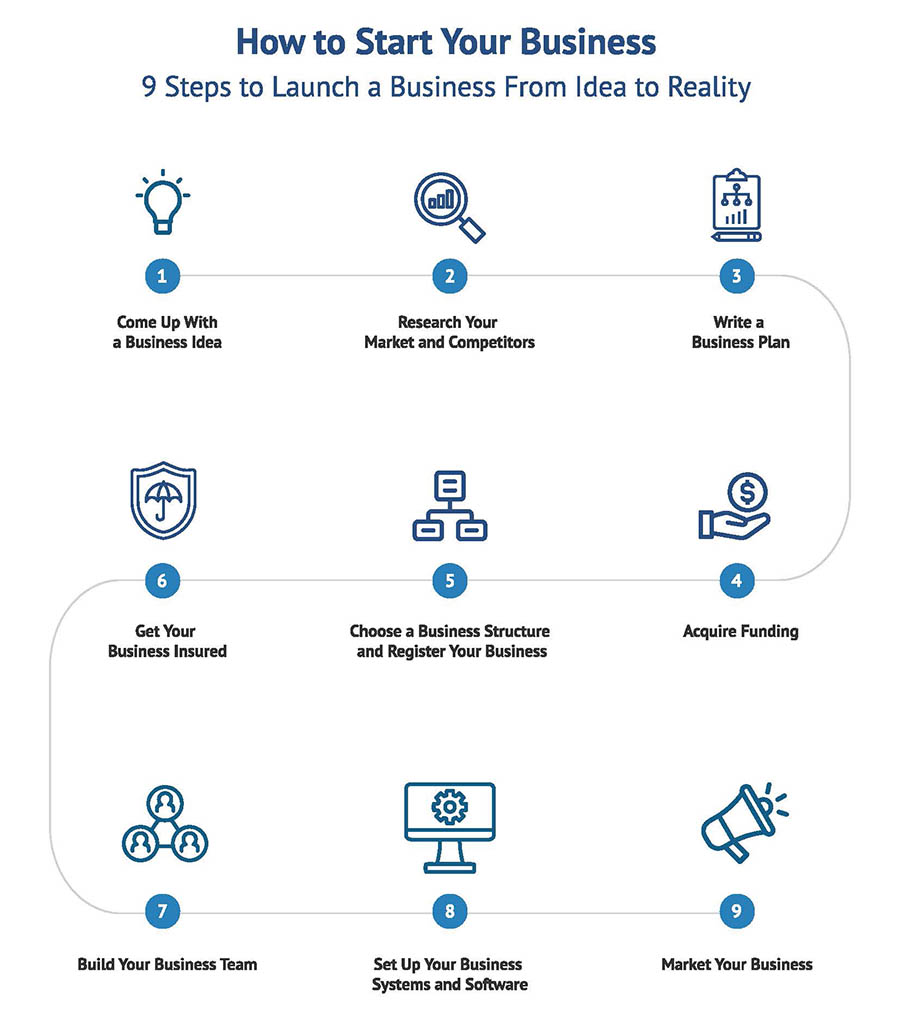
Rarely does a business launch without some form of initial investment. The method you choose to fund your startup will dictate your debt-to-equity ratio and influence your future profitability.
Bootstrapping vs. External Investment
Bootstrapping—funding the business through personal savings and early sales—is the leanest way to start. It allows the owner to retain 100% equity and avoids the pressure of interest payments. However, it also limits the speed of growth.
If your business requires significant upfront capital (such as manufacturing or high-level retail), you may look toward external sources:
- Angel Investors: Individuals who provide capital in exchange for equity. This is “expensive” money because you are giving away a piece of future profits, but it carries no debt obligation.
- Friends and Family: Often the first stop for small businesses, though it requires clear legal documentation to prevent personal relationship friction.
Navigating Small Business Loans and Lines of Credit
Debt financing is a common tool for entrepreneurs who want to maintain full ownership. The Small Business Administration (SBA) offers various loan programs, such as the 7(a) loan, which are partially guaranteed by the government.
When seeking a loan, banks look at the “Five Cs of Credit”: Character, Capacity, Capital, Collateral, and Conditions. For a new business, your personal credit score is often the primary metric of your business’s creditworthiness. Securing a business line of credit early—even if you don’t need it immediately—provides a liquidity safety net for unforeseen expenses or seasonal fluctuations in revenue.
3. Operational Finance and Cash Flow Management
Once the business is legal and funded, the focus shifts to the day-to-day management of capital. Many businesses fail not because they lack profit on paper, but because they run out of cash.
Setting Up Dedicated Business Banking and Accounting Systems
One of the most common financial mistakes new business owners make is “commingling” funds—mixing personal and business expenses. To protect your limited liability status and ensure accurate bookkeeping, you must open a dedicated business checking account and a business credit card.
Implementing a cloud-based accounting system (such as QuickBooks, Xero, or FreshBooks) is non-negotiable. These tools allow you to track every transaction in real-time. By automating your accounting, you can generate “Profit and Loss” (P&L) statements and “Balance Sheets” at the click of a button, giving you the data needed to make informed financial pivots.
Managing Burn Rate and Reaching the Break-Even Point
In the early months of a small business, you will likely have a “burn rate”—the rate at which you are spending capital before generating a positive cash flow.
Managing this requires a strict adherence to a budget. You must categorize expenses into “Fixed” (rent, insurance, software subscriptions) and “Variable” (marketing, raw materials, hourly labor). By minimizing fixed costs early on, you lower your break-even point. The goal is to reach “Cash Flow Positive” status as quickly as possible, where the money coming in exceeds the money going out, allowing the business to become self-sustaining.
4. Risk Mitigation and Long-Term Fiscal Sustainability
A business is a financial asset that must be protected. As it begins to generate income, the entrepreneur’s role shifts from “builder” to “steward” of that capital.
Understanding Insurance and Contingency Funds
Risk management is an essential part of business finance. Without proper insurance, a single lawsuit or natural disaster can wipe out years of financial progress. Key coverages include:
- General Liability: Protects against claims of bodily injury or property damage.
- Professional Liability: Essential for service-based businesses to protect against errors and omissions.
- Business Interruption Insurance: Provides income if your business is unable to operate due to a covered peril.
Furthermore, a healthy business should maintain a “Capital Reserve.” Just as individuals need an emergency fund, a business should ideally have 3–6 months of operating expenses in a high-yield savings account to weather economic downturns.
Tax Planning and Compliance Strategies
Taxation is often a small business’s largest expense. Unlike a W-2 employee, a business owner is responsible for paying both the employer and employee portions of Social Security and Medicare taxes (Self-Employment Tax).
Strategic tax planning involves:
- Estimated Quarterly Payments: The IRS requires small business owners to pay taxes four times a year. Failing to do this can lead to significant penalties and interest.
- Deductible Business Expenses: Understanding what is “ordinary and necessary” for your industry allows you to lower your taxable income. This includes home office deductions, travel, equipment depreciation, and even health insurance premiums.
- Retirement Vehicles: Opening a SEP-IRA or a Solo 401(k) allows you to funnel business profits into tax-advantaged investment accounts, simultaneously building personal wealth and reducing the business’s tax burden.
The Path to Financial Independence
Opening a small business is more than just a career change; it is an exercise in sophisticated financial management. By choosing the correct structure, securing the right type of capital, and maintaining a hawk-like focus on cash flow and tax efficiency, you transform a simple idea into a powerful engine for wealth creation.
The transition from a “side hustle” to a legitimate small business requires a shift in mindset. You are no longer just a practitioner of your craft; you are a Chief Financial Officer. When you treat your business finances with the same respect and rigor as a Fortune 500 company, you significantly increase your chances of not only surviving the first year but thriving for decades to come. Entrepreneurship is a marathon of fiscal discipline, and the prize is the ultimate financial asset: a profitable, scalable, and sustainable business.
aViewFromTheCave is a participant in the Amazon Services LLC Associates Program, an affiliate advertising program designed to provide a means for sites to earn advertising fees by advertising and linking to Amazon.com. Amazon, the Amazon logo, AmazonSupply, and the AmazonSupply logo are trademarks of Amazon.com, Inc. or its affiliates. As an Amazon Associate we earn affiliate commissions from qualifying purchases.