
In the rapidly evolving landscape of modern finance, Bitcoin has transitioned from a fringe digital experiment to a cornerstone of the alternative asset class. For individual investors and institutional players alike, Coinbase has emerged as one of the most reputable gateways to this ecosystem. However, for those looking to move beyond simple “buy and hold” strategies within the exchange, understanding how to interact with the blockchain directly is essential. The most fundamental skill in this regard is knowing how to find and utilize your Bitcoin address.
Finding your Bitcoin address on Coinbase is more than just a technical necessity; it is a critical step in managing your digital capital, facilitating peer-to-peer transactions, and integrating your crypto-assets into a broader financial strategy. This guide explores the procedural steps to locating your address while framing the action within the context of asset security and portfolio management.
Understanding the Architecture of Your Digital Assets
Before diving into the “how-to,” it is vital to understand what a Bitcoin address represents in your financial portfolio. Much like an International Bank Account Number (IBAN) or a routing number in traditional banking, a Bitcoin address is a unique identifier that allows you to receive funds. However, unlike a traditional bank account, your Bitcoin address on a platform like Coinbase is part of a sophisticated custodial architecture.
The Role of Public and Private Keys in Personal Finance
In the world of digital finance, your “wallet” is governed by two keys: public and private. The public key is what generates your Bitcoin address—this is the information you share with others to receive payments. The private key, conversely, is akin to a high-level digital signature that authorizes the movement of funds out of the wallet. When you use Coinbase, they manage the private keys on your behalf (custodial service), providing you with a user-friendly interface to access your public receiving addresses.
Why Your Bitcoin Address May Change
One common point of confusion for new investors is the “dynamic” nature of Bitcoin addresses on Coinbase. To enhance financial privacy, Coinbase (and many other modern wallets) generates a new address for every transaction. This prevents observers on the public blockchain from easily mapping out your entire wealth by looking at a single address. It is important to note that all previously generated addresses remain linked to your account and are still valid for receiving funds indefinitely.
Navigating the Coinbase Interface to Retrieve Your Address
Accessing your Bitcoin address is a straightforward process, but it requires precision. Whether you are using a desktop for comprehensive portfolio management or a mobile device for on-the-go transactions, the steps remain centered on the “Send/Receive” functionality.
Accessing Your Address via Web Browser
For investors who prefer the desktop interface for its detailed reporting and security features, the process is as follows:
- Log In: Sign in to your Coinbase account using your credentials and complete the required Two-Factor Authentication (2FA).
- Navigate to “Send & Receive”: In the upper right-hand corner of the dashboard, you will see a button labeled “Send & Receive.” Click this to open the transaction module.
- Select the “Receive” Tab: By default, the module may open to “Send.” Click the “Receive” tab to view your incoming parameters.
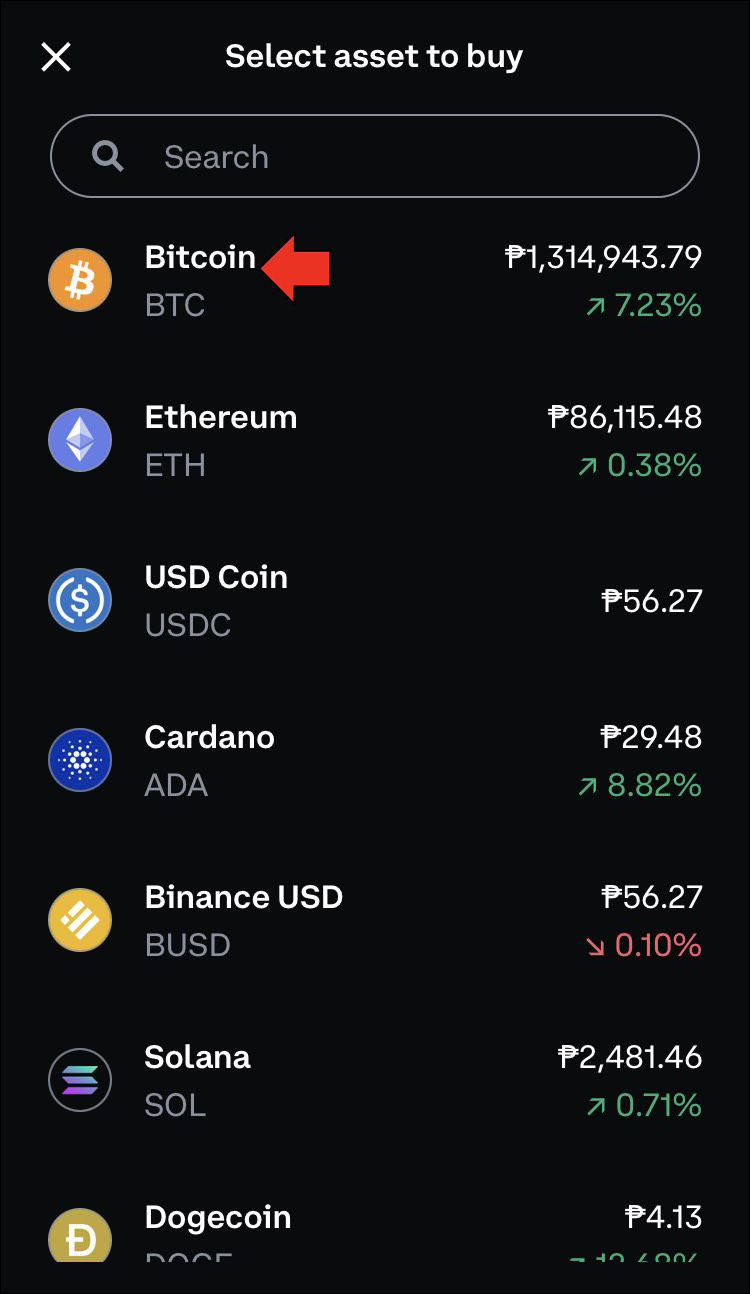
- Choose the Correct Asset: Ensure that “Bitcoin (BTC)” is selected in the asset dropdown. Choosing the wrong asset (such as Bitcoin Cash or Ethereum) can result in a total loss of funds.
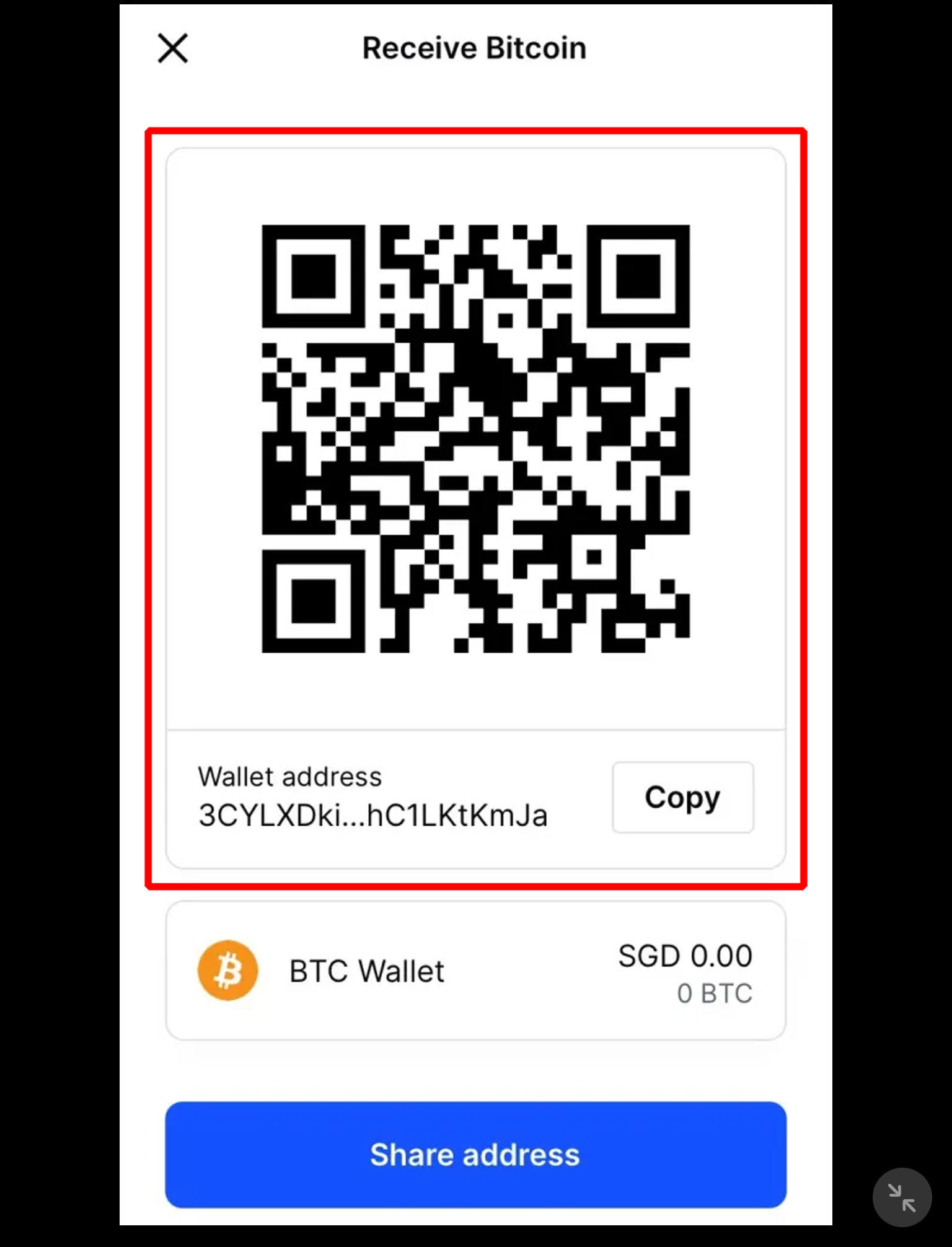
- Copy the Address: You will see a long string of alphanumeric characters and a QR code. Use the “copy” icon to ensure the address is captured perfectly.
Using the Coinbase Mobile App
For the modern mobile investor, the app provides a streamlined experience:
- Open the App: Authenticate using biometric data or your PIN.
- Tap the “Receive” Icon: This is usually located prominently on the home screen or within the “Transfer” menu at the bottom.
- Select Bitcoin: Choose BTC from your list of assets.
- Share or Scan: The app will display your QR code. If you are receiving funds from a person physically present, they can scan this code. Otherwise, tap the address string to copy it to your clipboard.
Risk Management: Protecting Your Capital During Transfers
In personal finance, the goal is not just the accumulation of wealth but the preservation of it. Managing Bitcoin addresses carries a unique set of risks that do not exist in traditional banking, where “reversible” transactions are the norm. In the crypto-financial world, transactions are immutable.

The Importance of Address Verification
A single mistyped character in a Bitcoin address will result in the permanent loss of the sent funds. There is no “customer service” for the blockchain. Therefore, a professional best practice is to always use the “copy and paste” function rather than typing the address manually. Furthermore, seasoned investors always verify the first four and last four characters of the address after pasting it to ensure that “clipboard hijacking” malware has not altered the destination.
Distinguishing Between Coinbase Exchange and Coinbase Wallet
A crucial distinction for your financial strategy is the difference between the Coinbase Exchange and the Coinbase Wallet. The exchange (Coinbase.com) is a custodial service where Coinbase holds the keys. The Coinbase Wallet is a self-custody app where you hold the keys. If you are looking for your address to move funds from a cold storage device into your trading account, you need your Exchange address. If you are moving funds for long-term “sovereign” storage, you likely need your Wallet address.
Strategic Considerations for Bitcoin Transactions
Once you know how to find your address, you must understand the financial implications of using it. Moving Bitcoin involves costs and timing considerations that can impact your net investment returns.
Understanding Network Fees and Settlement Times
When you share your address to receive Bitcoin, the sender (or the platform they are using) will pay a “miner fee.” This fee fluctuates based on the congestion of the Bitcoin network. From a financial planning perspective, it is important to realize that during times of high market volatility, these fees can spike, and confirmation times can move from minutes to hours. Understanding these dynamics allows you to time your transfers to minimize costs and maximize liquidity.
Managing Privacy in Your Financial Records
While Bitcoin is often touted as anonymous, it is actually “pseudonymous.” Every transaction is recorded on a public ledger. If you share your Bitcoin address publicly (for example, on a social media profile for donations), anyone can see the balance and transaction history associated with that specific address. To maintain professional financial privacy, it is recommended to use the unique addresses Coinbase generates for each specific transaction rather than reusing a single address for multiple sources of income.
Tax and Reporting: The Financial Responsibility of Bitcoin Ownership
In most jurisdictions, Bitcoin is treated as property or a capital asset. Every time you receive Bitcoin into your Coinbase address, it establishes a “cost basis” for tax purposes.
Integrating with Tax Software
Coinbase provides robust reporting tools that track the fair market value of the Bitcoin at the moment it hits your address. For high-net-worth individuals or active traders, it is wise to sync your Coinbase account with specialized tax software (like CoinTracker or Koinly). These tools use the data associated with your addresses to automatically calculate capital gains or losses, ensuring you remain compliant with the IRS or your local tax authority.
Record Keeping for Audit Trails
Even though the blockchain provides a permanent record, maintaining your own logs of why you received certain amounts is a hallmark of sound financial management. When you retrieve your address to receive a payment, make a note of the sender and the purpose. This practice is invaluable during a financial audit or when applying for large loans (like a mortgage) where you may need to prove the source of your digital wealth.
Conclusion: Mastering the Gateway to Digital Wealth
Learning how to find and use your Bitcoin address on Coinbase is a foundational skill in the modern investor’s toolkit. It represents the bridge between the centralized world of traditional finance and the decentralized world of the blockchain. By approaching this task with a focus on security, precision, and strategic planning, you do more than just facilitate a transfer; you take active control of your digital financial future.
As Bitcoin continues to integrate into the global economy, the ability to navigate these digital interfaces with confidence will separate the casual observer from the sophisticated investor. Treat your Bitcoin address with the same care you would a bank account number, and always prioritize the security protocols that keep your capital safe. Through diligent management and an understanding of the underlying financial principles, your journey into digital assets can be both secure and prosperous.