
The question of “how can you watch” has transformed from a simple choice of turning on a television set to a complex navigation of hardware, software, and high-speed networking. In the current digital era, the act of consuming media is dictated by an intricate web of technological innovations that determine not just what we see, but how the data is delivered, processed, and displayed. From the algorithms that predict our preferences to the fiber-optic cables that carry 4K signals across oceans, the “how” of modern viewing is a triumph of engineering.
To understand the modern viewing experience, one must look beyond the screen. This exploration delves into the technological infrastructure, the hardware evolution, and the software-driven ecosystems that define how we watch content today.
The Infrastructure of Modern Streaming: How Data Reaches Your Screen
At the heart of every streaming session is a massive logistical operation. When you press “play,” you are triggering a sequence of events across a global network designed to minimize latency and maximize visual fidelity. The infrastructure supporting this is often invisible to the user but is the most critical component of the “how.”
Content Delivery Networks (CDNs) and Edge Computing
Content Delivery Networks (CDNs) are the backbone of the streaming world. Instead of every user pulling a movie file from a single central server, companies like Netflix, Amazon, and Akamai utilize a distributed network of servers. By caching content at the “edge” of the network—physically closer to the end-user—latency is drastically reduced. This prevents the dreaded “buffering” wheel by ensuring that the data only has to travel a few dozen miles rather than thousands.
Video Compression and Codecs: The Science of Efficiency
High-definition and 4K video files are enormous. Without compression, streaming a single film would overwhelm most home internet connections. This is where codecs (Compression-Decompression) come in. Technologies such as H.264, HEVC (H.265), and the newer, open-source AV1 are designed to shrink video data without sacrificing perceived quality. These algorithms identify redundant pixels and predict movement between frames, allowing for a rich visual experience even at lower bitrates. The evolution of AV1, in particular, represents a major tech trend, offering 30% better compression than its predecessors, which is essential for the future of 8K streaming.
The Role of 5G and Fiber Optics
The physical medium of “how” we watch is also changing. The rollout of 5G technology has introduced Ultra-Reliable Low-Latency Communication (URLLC), which allows for seamless streaming on mobile devices in crowded areas. Meanwhile, the expansion of Fiber-to-the-Home (FTTH) provides the symmetrical bandwidth necessary for high-bitrate HDR content, ensuring that the “pipe” is wide enough to handle the massive data flow required by modern displays.
The Hardware Revolution: From Smart TVs to Immersive Gadgets
While the backend infrastructure moves the data, the hardware determines the sensory experience. The devices we use to watch have evolved from passive monitors into powerful computers optimized for media playback.
Display Technologies: OLED, QLED, and MicroLED
The most immediate factor in how we watch is the display panel itself. Organic Light Emitting Diode (OLED) technology has revolutionized contrast ratios by allowing each pixel to turn off completely, creating “perfect blacks.” On the other hand, QLED (Quantum Dot LED) uses a layer of nanoparticles to enhance brightness and color volume. The emerging frontier is MicroLED, which seeks to combine the best of both worlds—the self-emissive properties of OLED with the extreme brightness and longevity of traditional LEDs. Understanding these specs is vital for any consumer looking to optimize their viewing environment.
The Rise of Dedicated Streaming Gadgets
The “how” is often answered by the device plugged into the HDMI port. Specialized hardware like the Apple TV 4K, Nvidia Shield, and Roku Ultra provide dedicated processors for video decoding. These gadgets often outperform the built-in “smart” features of televisions, offering faster user interfaces, better Wi-Fi antennas, and support for high-end audio formats like Dolby Atmos and DTS:X. For tech enthusiasts, the choice of hardware is about more than just convenience; it’s about the computational power required to handle high-dynamic-range (HDR) metadata.
Wearable Media: VR and AR Headsets
We are moving toward a future where “watching” doesn’t require a physical screen on a wall. Virtual Reality (VR) and Augmented Reality (AR) headsets, such as the Apple Vision Pro or the Meta Quest 3, are redefining the viewing experience. These devices use spatial computing to create “virtual cinemas,” allowing users to watch movies on a simulated 100-foot screen from the comfort of an airplane seat. This shift represents a transition from viewing a 2D plane to being immersed in a 360-degree digital environment.
The Software Layer: Operating Systems and AI Personalization
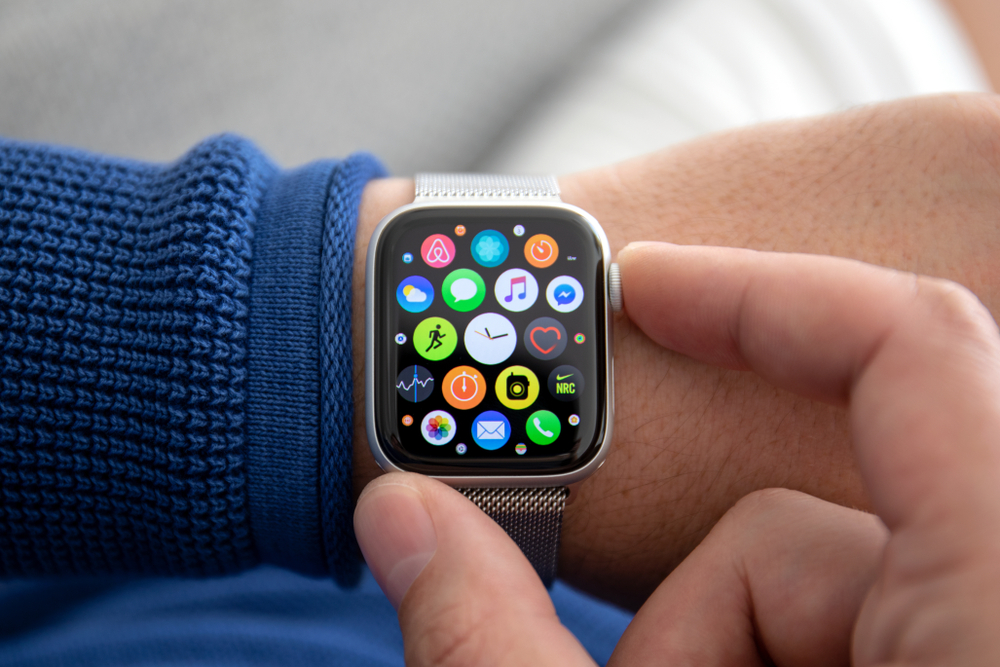
If hardware is the body and infrastructure is the nervous system, then software is the brain of the viewing experience. How we find content and interact with it is governed by complex software ecosystems.
Smart TV Operating Systems and UX Design
The user interface (UI) is the gatekeeper of content. Platforms like Google TV, webOS, and tvOS use sophisticated software stacks to aggregate content from multiple apps into a single, cohesive dashboard. The technical challenge here is “Universal Search”—the ability of an OS to crawl through dozens of disparate databases (Netflix, Disney+, Hulu) to find a specific title and present it to the user instantly.
AI-Powered Recommendation Engines
Artificial Intelligence is the invisible hand guiding “how” you watch. Streaming services employ machine learning models to analyze thousands of data points: what you watch, when you pause, what you skip, and even the time of day you consume certain genres. These AI tools don’t just suggest movies; they often change the “thumbnail” art of a show to match your aesthetic preferences, a technique known as dynamic creative optimization. This ensures that the software is constantly iterating to keep the user engaged.
Upscaling and Image Processing Software
Modern televisions use AI-driven image processors (like Sony’s XR Processor or Samsung’s Neural Quantum Processor) to “upscale” lower-resolution content. If you are watching an old 1080p show on a new 4K screen, the software uses deep learning algorithms to “guess” and fill in the missing pixels in real-time. This software-based enhancement is a crucial part of the tech stack, ensuring that legacy content remains watchable on cutting-edge hardware.
Security and Access: VPNs, DRM, and Digital Privacy
A significant part of “how can you watch” involves the digital permissions and security protocols that govern content access. As media becomes more global, the technology used to protect and restrict it becomes more sophisticated.
Digital Rights Management (DRM)
DRM is the technical layer that prevents unauthorized copying of digital content. Technologies like Widevine (used by Google) and FairPlay (used by Apple) encrypt the video stream from the server to the device. The “how” in this case involves a complex “handshake” between your hardware’s secure enclave and the streaming provider’s server. If this handshake fails—due to outdated firmware or incompatible cables—the video may be downgraded to standard definition or blocked entirely.
The Role of VPNs in Bypassing Geo-Blocking
For many users, “how can you watch” is a question of geography. Virtual Private Networks (VPNs) have become essential tools for tech-savvy viewers. By encrypting internet traffic and routing it through a server in a different country, a VPN allows users to bypass regional content restrictions. However, this has led to a technological “arms race” between VPN providers and streaming platforms, with the latter using AI to detect and block known VPN IP addresses.
Privacy and Data Tracking in Smart TVs
There is a darker side to how we watch: Automatic Content Recognition (ACR). Most modern smart TVs include software that tracks everything you watch—even on external devices like DVD players—to sell that data to advertisers. Understanding digital security in this context means knowing how to dive into the software settings to disable these tracking pixels, ensuring that your viewing habits remain private.
The Future of “Watching”: Interactivity and Beyond
The trajectory of viewing technology suggests that the boundary between “watching” and “interacting” is blurring. The next decade will likely see a shift toward more dynamic and personalized media formats.
Cloud Gaming and Interactive Media
Platforms like Netflix have begun experimenting with interactive “choose-your-own-adventure” software (e.g., Black Mirror: Bandersnatch). Furthermore, the rise of cloud gaming (Xbox Cloud Gaming, Nvidia GeForce Now) means that we are “watching” high-end video games rendered on remote servers and streamed back to us in real-time. This requires even lower latency than traditional video, pushing the limits of current networking technology.

Volumetric Video and 8K Delivery
As we move toward 8K resolution and volumetric video (video that allows you to move your perspective within a scene), the data requirements will skyrocket. The “how” will eventually involve AI-based “neural compression,” where the video isn’t sent as a series of images, but as a set of instructions for an AI on your device to reconstruct the scene from scratch.
In conclusion, “how can you watch” is a question that finds its answer in the peak of human ingenuity. It is a symphony of global networks, advanced materials science in displays, and the cutting-edge of artificial intelligence. As these technologies continue to converge, the act of watching will become even more seamless, immersive, and tailored to the individual, forever changing our relationship with the digital world.
aViewFromTheCave is a participant in the Amazon Services LLC Associates Program, an affiliate advertising program designed to provide a means for sites to earn advertising fees by advertising and linking to Amazon.com. Amazon, the Amazon logo, AmazonSupply, and the AmazonSupply logo are trademarks of Amazon.com, Inc. or its affiliates. As an Amazon Associate we earn affiliate commissions from qualifying purchases.