
The landscape of personal and business finance has undergone a radical transformation over the last decade. Gone are the days of mailing thick envelopes filled with paper forms and paper checks, hoping they arrive at the tax office before the midnight deadline. Today, the intersection of finance and digital accessibility has made paying taxes online not just an option, but the preferred standard for millions of taxpayers. Understanding how to navigate this digital ecosystem is essential for maintaining financial health, avoiding costly penalties, and optimizing your cash flow management.
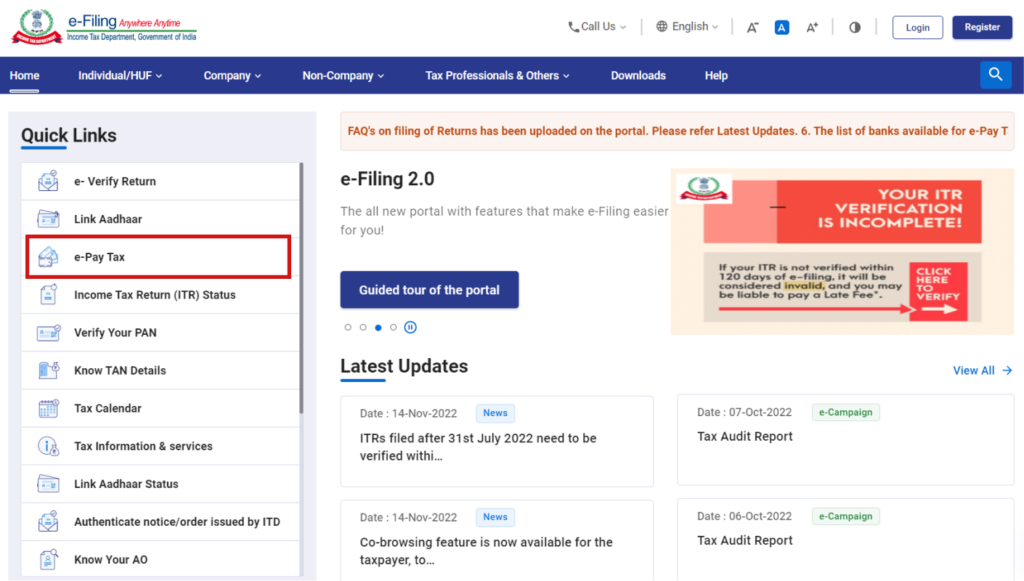
Navigating the Digital Shift: Why Online Tax Payments Matter
Transitioning to online tax payments is more than just a matter of convenience; it is a strategic financial move. In the realm of personal finance and business management, the speed and accuracy of transactions can significantly impact your bottom line. When you pay taxes online, you are engaging with a system designed for real-time validation, which minimizes the “human error” factor often associated with manual processing.
Speed and Efficiency in Financial Planning
One of the primary advantages of digital tax payments is the immediacy of the transaction. For individuals managing tight monthly budgets or businesses balancing accounts payable, knowing exactly when funds will leave an account is vital for liquidity management. Online portals provide instant confirmation numbers, which serve as a digital receipt. This immediacy allows for more precise financial forecasting, as there is no “float” period where a check might be sitting in a mailbox or on a processor’s desk for several days.
Avoiding Penalties through Instant Verification
Late filing and late payment penalties can erode your savings and disrupt your investment strategies. By paying online, you eliminate the risks associated with the postal service. Most digital tax systems allow you to schedule payments in advance. For a taxpayer, this means you can set up your payment on April 1st to be executed on April 15th, ensuring you meet the deadline while keeping the capital in your interest-bearing accounts for as long as possible. This level of control is a cornerstone of proactive financial planning.
Primary Methods for Paying Federal and State Taxes Online
The modern financial ecosystem offers several pathways to settle tax liabilities. Depending on whether you are a W-2 employee, a freelancer with a side hustle, or a small business owner, the “best” method may vary based on transaction fees and record-keeping requirements.
Direct Pay and Bank Transfers (ACH)
For most individual taxpayers, the most cost-effective method is a direct transfer from a checking or savings account, often referred to as an ACH (Automated Clearing House) transfer. In the United States, the IRS “Direct Pay” system is a prime example. This method is typically free and requires only your tax information and bank routing/account numbers. From a financial perspective, this is the cleanest method, as it involves no processing fees and provides a direct paper trail in your bank statements, making it easy to reconcile during your end-of-year financial review.
Credit and Debit Card Payments: Costs vs. Benefits
While most government agencies allow payment via credit or debit cards, this route requires a nuanced financial analysis. Third-party processors usually charge a percentage-based convenience fee for credit cards (often ranging from 1.8% to 2.5%).
From a wealth-management perspective, you must calculate whether the rewards—such as frequent flyer miles or cash-back bonuses—outweigh the cost of the fee. For example, if you are paying a $10,000 tax bill and the fee is 2%, you are paying $200 for the privilege. If your credit card provides 1.5% cash back, you are technically losing $50. However, if you are using the payment to meet a “minimum spend” requirement for a high-value sign-up bonus, the math might shift in your favor.
The Electronic Federal Tax Payment System (EFTPS) for Businesses
For business owners and those with significant online income, the EFTPS is the gold standard. This is a free service provided by the Department of the Treasury. Unlike simple one-time portals, EFTPS is a comprehensive system designed for high-frequency payments, such as corporate income taxes and payroll taxes. It offers advanced reporting features and the ability to schedule payments up to 365 days in advance. For the disciplined investor or business owner, this tool is indispensable for maintaining a consistent tax-compliance schedule.
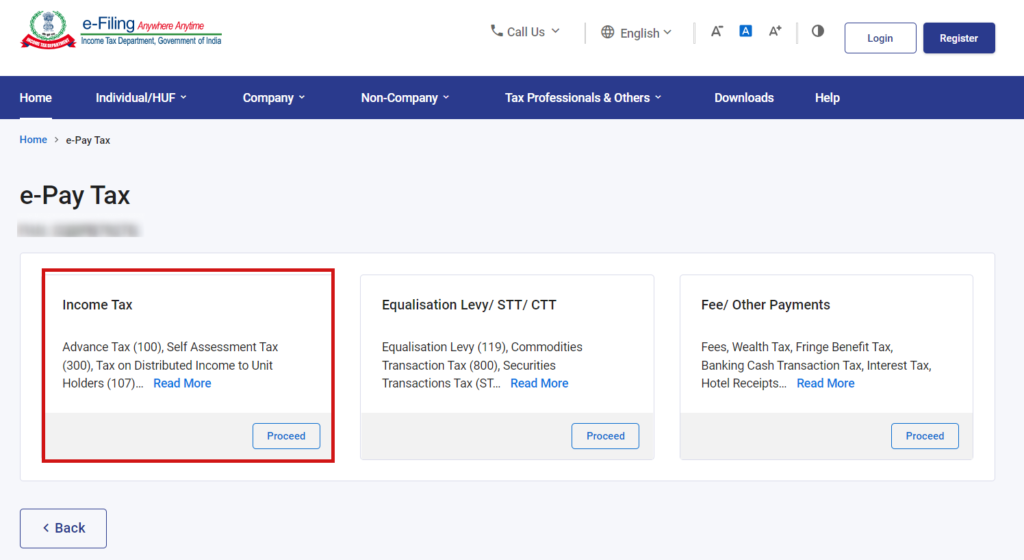
Leveraging Financial Tools and Software for Tax Management
The “how” of paying taxes online is often integrated into the broader software we use to manage our money. The synergy between accounting software and government portals has simplified the user experience, turning a complex legal obligation into a few clicks.
Integrating Cloud Accounting with Tax Portals
Modern financial tools like QuickBooks, Xero, and FreshBooks have revolutionized how side hustles and small businesses handle tax season. These platforms often feature direct integrations or exportable data formats that align with online tax filing systems. By maintaining a real-time digital ledger throughout the year, the “online payment” becomes the final step of a continuous process rather than a stressful annual event. This integration ensures that the amount you pay online is backed by accurate, categorized financial data, reducing the likelihood of overpayment or underpayment.
Digital Wallets and Modern Payment Gateways
As financial technology evolves, we are seeing the emergence of digital wallet integrations, such as PayPal or Click to Pay, in government tax portals. This reflects a broader trend in the “Money” niche toward the consolidation of financial services. Using a digital wallet can add an extra layer of abstraction between your bank account and the government portal, which some users prefer for organizational purposes. However, always remain vigilant about the fee structures associated with these gateways, as they can sometimes mirror the higher costs of credit card transactions.
Security and Best Practices in the Digital Financial Ecosystem
Whenever money moves online, security must be the top priority. Protecting your financial identity and your capital is a critical component of modern money management. Paying taxes online is secure, but it requires the user to follow strict protocols to avoid phishing scams and identity theft.
Protecting Your Financial Identity
Official tax payments should only be made through verified government websites (ending in .gov). From a financial security standpoint, you should never click on links in emails or text messages claiming to be from a tax authority asking for payment. Always navigate directly to the official portal by typing the URL into your browser. Utilizing Multi-Factor Authentication (MFA) on your bank accounts and tax portal accounts is a non-negotiable practice for anyone serious about their personal financial security.
Documenting Transactions for Audit Protection
In the world of finance, if it isn’t documented, it didn’t happen. One of the greatest benefits of paying taxes online is the digital audit trail. After every transaction, you should download and archive the confirmation receipt in a secure, encrypted cloud storage folder. These digital records are essential for proving compliance during an audit and are much easier to organize than physical filing cabinets. For those with complex investment portfolios or multiple income streams, having a timestamped digital record of every tax payment made throughout the year is a fundamental part of “bulletproofing” your finances.
The Future of Online Tax Payments: Automation and Beyond
As we look toward the future of personal and business finance, the process of paying taxes online is likely to become even more automated. We are moving away from “tax season” as a static period and toward a model of “continuous compliance.”
Real-Time Tax Reporting
In some international markets, tax systems are beginning to move toward real-time reporting, where taxes are calculated and paid the moment a transaction occurs. For the online income earner or freelancer, this could eventually mean that your accounting software automatically calculates the tax on every invoice paid and sends it to the government instantly. This would solve the “cash flow shock” many people experience in April when they realize they haven’t saved enough for their tax bill.
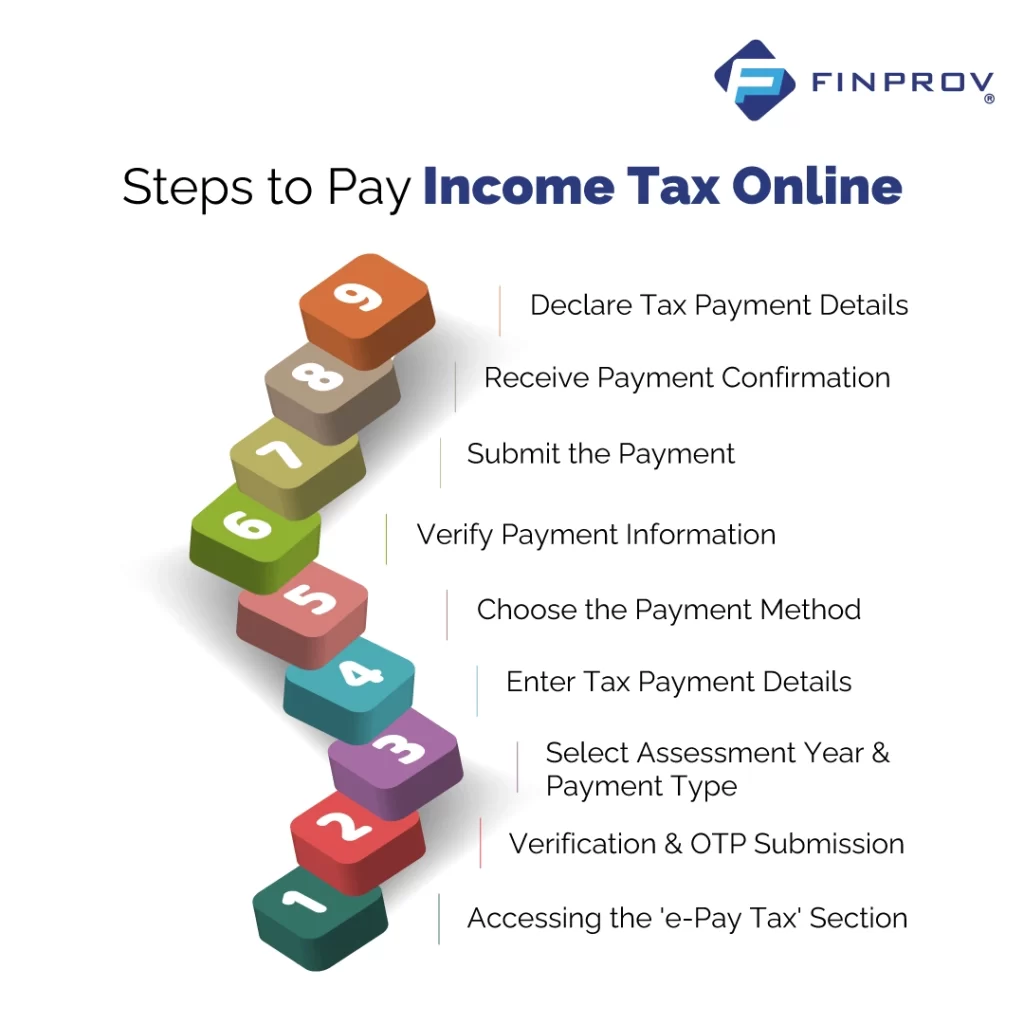
AI-Driven Tax Optimization
Artificial Intelligence is already being integrated into financial tools to help taxpayers identify deductions and credits in real-time. Future online payment portals may offer “smart suggestions” based on your payment history, helping you optimize your tax liability before you even hit the “submit” button. For the savvy investor, these technological advancements represent an opportunity to keep more of their hard-earned money and ensure that every dollar is working toward their long-term financial goals.
By mastering the various methods of paying taxes online and integrating them into your broader financial strategy, you transform a mandatory chore into a streamlined, secure, and efficient part of your wealth-management routine. Whether you are paying via a simple bank transfer or managing complex business filings through EFTPS, the digital path is the most effective way to stay compliant in the modern age.
aViewFromTheCave is a participant in the Amazon Services LLC Associates Program, an affiliate advertising program designed to provide a means for sites to earn advertising fees by advertising and linking to Amazon.com. Amazon, the Amazon logo, AmazonSupply, and the AmazonSupply logo are trademarks of Amazon.com, Inc. or its affiliates. As an Amazon Associate we earn affiliate commissions from qualifying purchases.