
In the early days of aviation, tracking a flight was a privilege reserved for air traffic controllers and military personnel stationed behind bulky, flickering radar screens. For the average person waiting at an arrivals gate, information was limited to the binary status of a mechanical flip-board: “On Time” or “Delayed.” Today, we live in an era of unprecedented data democratization. With a smartphone in your pocket, you have access to the same high-fidelity geospatial data used by industry professionals.
Tracking a flight is no longer just about knowing when a plane lands; it is about leveraging a sophisticated ecosystem of satellite networks, terrestrial receivers, and complex software algorithms. This guide explores the technological infrastructure that makes real-time flight tracking possible and the best tools available for digital enthusiasts and frequent travelers alike.
1. The Infrastructure of Transparency: How Flight Tracking Technology Works
To understand how to track a flight, one must first understand the signals being broadcast from the sky. Modern flight tracking does not rely on a single source of truth; rather, it is a symphony of several different technological protocols working in tandem.
Automatic Dependent Surveillance-Broadcast (ADS-B)
The backbone of modern flight tracking is ADS-B technology. Unlike traditional radar, which “interrogates” an aircraft to determine its position, ADS-B-equipped aircraft automatically broadcast their GPS location, altitude, speed, and other data every second. This information is picked up by a global network of ground stations. For the tech-savvy user, this means the “real-time” data you see on an app is often accurate within a few meters.
Multilateration (MLAT) and Radar
Not all aircraft are equipped with the latest ADS-B transponders, particularly older models or light aircraft. In these cases, tracking platforms use Multilateration (MLAT). By measuring the “Time Difference of Arrival” (TDOA) of a signal at four or more separate ground stations, software can calculate the precise position of the aircraft. Furthermore, integrated feeds from traditional primary and secondary surveillance radars fill in the gaps where satellite-based data might be unavailable.
Satellite Data Integration
In remote areas or over vast oceans, ground-based receivers cannot reach the aircraft. This is where space-based ADS-B comes into play. Companies like Aireon use constellations of low-Earth orbit (LEO) satellites to provide 100% global coverage. This ensures that even a flight crossing the “Point of Inaccessibility” in the Pacific remains visible on your digital dashboard.
2. Top-Tier Software and Mobile Platforms for Precision Tracking
The interface through which you track a flight is just as important as the data behind it. Several platforms have emerged as leaders in the consumer and professional tech space, each offering unique features ranging from 3D cockpits to historical data analysis.
FlightRadar24: The Gold Standard of Visualization
FlightRadar24 is arguably the most popular flight tracking app in the world, and for good reason. Its tech stack allows for an incredibly fluid user experience. One of its most impressive technical features is the “AR View.” By utilizing your smartphone’s camera, GPS, and gyroscope, the app allows you to point your device at a plane in the sky to see its flight number, destination, and altitude in an augmented reality overlay.
FlightAware: The Enterprise Data Powerhouse
While FlightRadar24 excels in visuals, FlightAware is often the choice for those who need deep data integration. Their “HyperFeed” engine uses machine learning to process thousands of disparate data sources, providing the most accurate “Estimated Time of Arrival” (ETA) in the industry. For developers, FlightAware offers robust APIs (Firehose and AeroAPI) that allow businesses to integrate flight data into their own software ecosystems.
The Power of Search Engine Integration
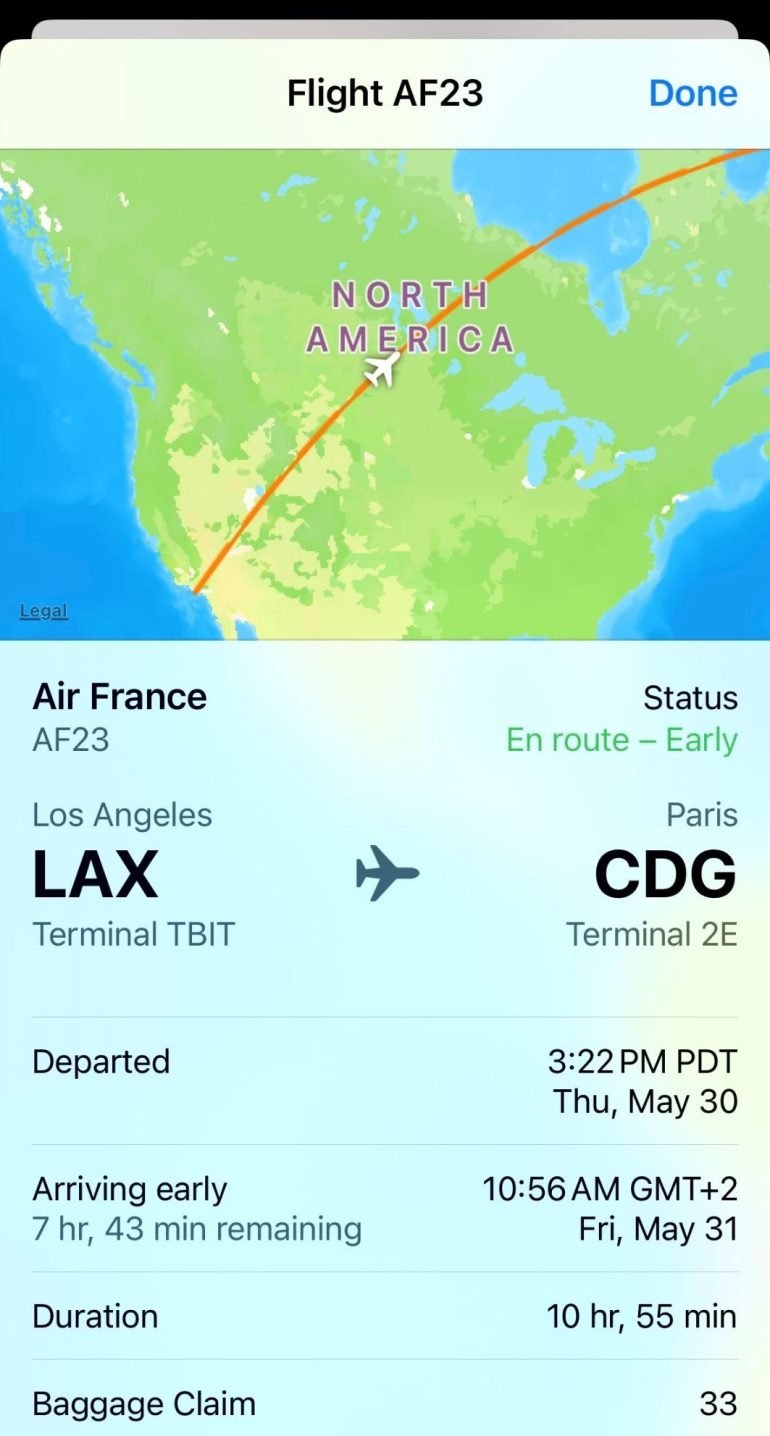
For those who need a quick update without downloading a dedicated app, Google and Bing have integrated flight tracking directly into their search algorithms. By simply typing a flight number (e.g., “AA100”) into the search bar, the engine queries real-time databases to present a simplified tracking card. This is made possible through direct data partnerships with Global Distribution Systems (GDS).
3. Leveraging AI and Predictive Analytics in Aviation Tech
The latest frontier in flight tracking isn’t just showing where a plane is, but predicting where it will be and what challenges it might face. Artificial Intelligence (AI) and Machine Learning (ML) are now integral components of the tracking experience.

Predictive Delay Algorithms
Modern tracking apps use AI to monitor weather patterns, “turnaround” times at specific gates, and air traffic congestion. If a plane is currently at Heathrow but is scheduled to fly from JFK in three hours, AI can analyze the current holding patterns at Heathrow to predict a delay in New York before the airline even announces it officially. This “predictive situational awareness” is a game-changer for digital-first travelers.
Automated Notifications and Scripting
For advanced users, tracking can be automated. Through tools like IFTTT (If This Then That) or Zapier, you can create “recipes” that trigger smart home events based on flight status. For example, you can program your smart lights to flash green when a specific flight enters a certain geofenced radius around your local airport, or have an automated Slack message sent to your team when your flight’s wheels touch the tarmac.
4. Hardware and the “Internet of Things” (IoT) Integration
The ecosystem of flight tracking extends beyond the screen and into the world of specialized hardware and IoT devices.
Smartwatch Complications and Wearables
Both the Apple Watch and Wear OS devices offer “complications”—small data widgets on the watch face—that provide real-time flight updates. By syncing with your digital itinerary (via apps like App in the Air or Flighty), your watch can use haptic feedback to alert you to gate changes or boarding statuses, ensuring you stay informed without needing to constantly check a handheld device.
DIY Ground Stations: The ADS-B Receiver
For the ultimate tech hobbyist, you can contribute to the global tracking network by building your own ADS-B receiver. Using a Raspberry Pi, a specialized USB software-defined radio (SDR) stick, and an antenna, you can capture raw signals from aircraft flying overhead. This data can be fed into a local server to view “unfiltered” air traffic, or uploaded to networks like FlightAware in exchange for premium enterprise-level subscriptions.
Luggage Tracking: Completing the Journey
Tracking the flight is only half the battle; tracking what’s on the flight is the other. Technology like Apple’s AirTag or Tile uses “crowdsourced BLE” (Bluetooth Low Energy) networks to track baggage. While not flight tracking in the traditional sense, the integration of these devices into the travel tech stack provides a holistic view of the transit process, from the aircraft’s coordinates to the exact location of your suitcase in the cargo hold.
5. Digital Security and Privacy in the Open Skies
As flight tracking technology becomes more accessible, it raises significant questions regarding digital security and the privacy of individuals using private aviation.
Data Masking and Block Lists
The FAA (Federal Aviation Administration) in the United States has implemented programs like LADD (Limiting Aircraft Data Display) and PIA (Privacy ICAO Address). These allow aircraft owners to request that their data be masked from public view. From a technical standpoint, this involves the tracking software filtering out specific ICAO hex codes from their public-facing API while still allowing the data to be used by air traffic control for safety purposes.
The Ethics of “Plane Spotting” Tech
The democratization of this data has led to high-profile incidents involving the tracking of celebrity and government aircraft. This highlights the tension between the “Open Source Intelligence” (OSINT) community, which believes in the total transparency of the sky, and the need for operational security. As a user of these technologies, understanding the source of the data—whether it is an open-source community-fed network or a closed-loop corporate database—is essential for understanding the limitations and ethical boundaries of the software.
Protecting Your Own Data
When using flight tracking apps, it is important to manage your own digital footprint. Many apps request location permissions to show your position relative to the aircraft. Professional-grade tracking requires a balance between the convenience of “Live View” features and the privacy of your personal geolocation data. Always opt for apps with transparent data-sharing policies and robust encryption for synced itineraries.

Conclusion: The Future of the Connected Sky
Tracking a flight has evolved from a specialized skill into a seamless digital experience. By leveraging the power of ADS-B, satellite constellations, and AI-driven predictive analytics, we have gained an unprecedented level of control and insight into the world of aviation. Whether you are a hobbyist building your own Raspberry Pi receiver, a developer utilizing flight APIs, or a traveler simply wanting to know exactly when to leave for the airport, the technology available today offers a level of precision that was once the stuff of science fiction.
As we move toward a future of “Urban Air Mobility” (drones and air taxis), these tracking technologies will only become more integrated into our daily digital lives. The sky is no longer a mystery; it is a data-rich environment waiting to be explored.
aViewFromTheCave is a participant in the Amazon Services LLC Associates Program, an affiliate advertising program designed to provide a means for sites to earn advertising fees by advertising and linking to Amazon.com. Amazon, the Amazon logo, AmazonSupply, and the AmazonSupply logo are trademarks of Amazon.com, Inc. or its affiliates. As an Amazon Associate we earn affiliate commissions from qualifying purchases.