
In an era defined by fluctuating markets, rising inflation, and an ever-evolving digital landscape, the question “How can I save money?” has transitioned from a basic household inquiry to a vital strategic pillar for financial survival and independence. Saving money is rarely about the deprivation of joy; rather, it is about the disciplined allocation of resources to ensure future security, flexibility, and wealth generation. To master the art of saving, one must move beyond the “piggy bank” mentality and embrace a sophisticated approach that combines psychological shifts, data-driven budgeting, and the intelligent use of modern financial tools.
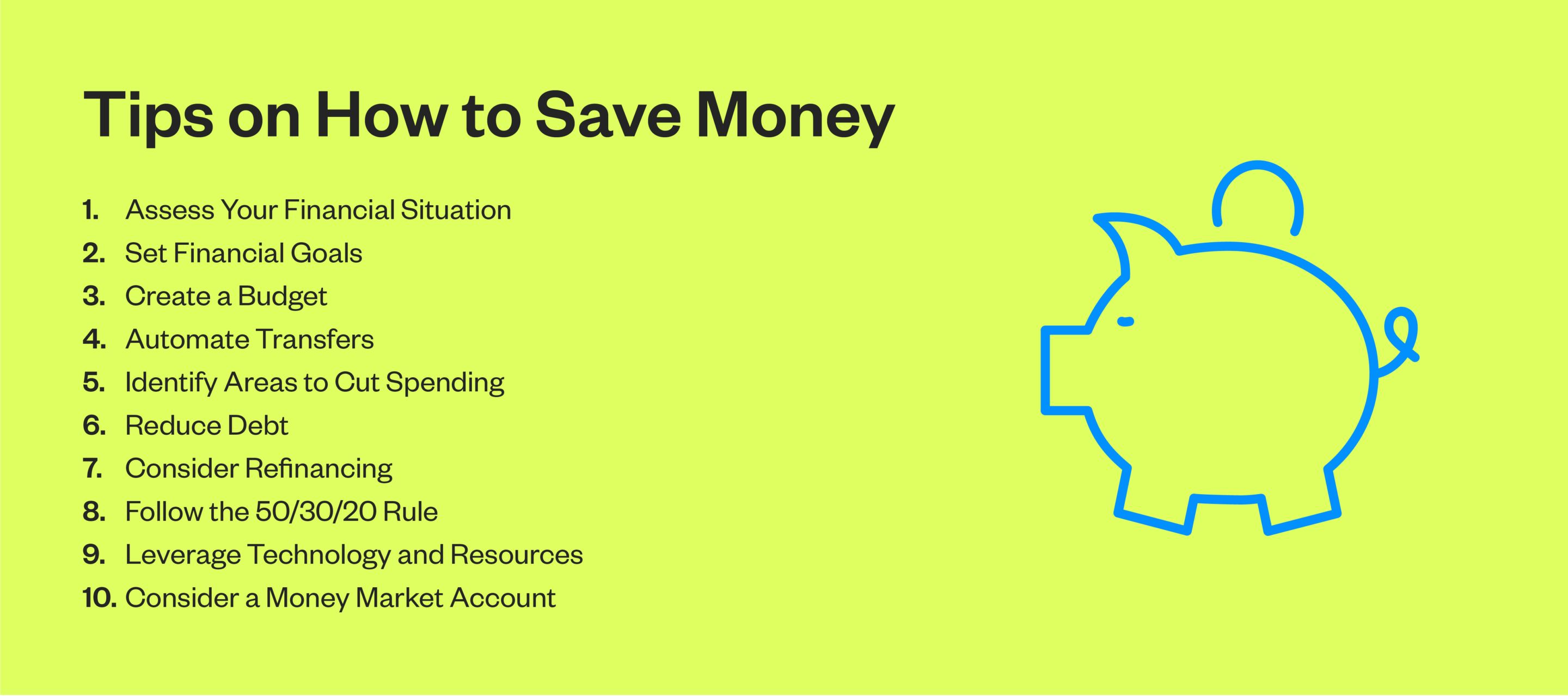
This guide explores the comprehensive architecture of personal finance, focusing on how individuals can optimize their cash flow, minimize waste, and build a robust financial fortress.
The Psychology of Saving: Shifting Your Mindset from Consumption to Accumulation
Before a single dollar can be saved, a mental shift must occur. The modern consumer environment is engineered to encourage immediate gratification, making the act of saving an uphill battle against sophisticated marketing and social pressure.
Identifying “Lifestyle Creep” and the Instant Gratification Trap
Lifestyle creep, or lifestyle inflation, occurs when an individual’s standard of living increases as their income rises. While it is natural to want to enjoy the fruits of your labor, the subtle increase in discretionary spending—upgrading to a more expensive car, dining at premium restaurants more frequently, or subscribing to multiple streaming services—often consumes the surplus that should have been directed toward savings. Recognizing this trap is the first step toward financial resilience. By maintaining a “buffer” between your income and your expenses, you ensure that every raise or bonus contributes to your net worth rather than your monthly burn rate.
Establishing Clear Financial Goals (Short-term vs. Long-term)
Saving without a purpose is difficult to sustain. To remain disciplined, it is essential to categorize your savings goals. Short-term goals might include an emergency fund (3–6 months of expenses) or a vacation fund. Long-term goals usually focus on retirement, homeownership, or capital for a business venture. When every dollar saved is tied to a specific “Why,” the psychological friction of choosing a future benefit over a present purchase is significantly reduced.
The Concept of Opportunity Cost in Daily Purchases
Every financial decision involves a trade-off. In the world of finance, this is known as opportunity cost. When you spend $100 on an unnecessary luxury today, you are not just losing $100; you are losing the potential growth that $100 could have achieved if invested over twenty years. Viewing expenditures through the lens of lost future value is a powerful deterrent against impulsive spending.
Strategic Budgeting Frameworks for the Modern Household
A budget is not a cage; it is a roadmap. Without a structured way to track income and expenses, it is impossible to identify where money is leaking from your ecosystem.
The 50/30/20 Rule: A Balanced Approach
One of the most effective and popular frameworks for those starting their saving journey is the 50/30/20 rule. This strategy suggests allocating 50% of your after-tax income to “Needs” (housing, utilities, groceries), 30% to “Wants” (hobbies, dining out, entertainment), and 20% to “Savings and Debt Repayment.” This model provides a clear structure while ensuring that you are consistently paying your future self before you indulge in discretionary spending.
Zero-Based Budgeting: Giving Every Dollar a Job
For those who require more precision, Zero-Based Budgeting (ZBB) is the gold standard. The core principle of ZBB is that your income minus your expenses should equal zero at the end of the month. This does not mean you have zero dollars in your bank account; it means that every single cent has been assigned to a specific category, whether it be rent, groceries, or a high-yield savings account. This level of intentionality prevents “ghost spending”—those small, unmonitored purchases that quietly erode your monthly surplus.
Monitoring Cash Flow with High-Precision Financial Apps
In the digital age, manual spreadsheets are often replaced by automated financial aggregators. Tools that sync with your bank accounts can provide real-time insights into your spending patterns. By categorizing your transactions automatically, these tools highlight areas of overspending, such as “Dining Out” or “Subscriptions,” allowing for immediate tactical adjustments to your budget.
Radical Optimization: Cutting Costs Without Sacrificing Quality of Life

Saving money does not always require a lower quality of life; it often requires a more intelligent approach to consumption. By auditing the “fixed” and “variable” costs of your life, you can find significant savings that accumulate over time.
Auditing Subscription Services and Hidden Fees
The “subscription economy” has made it easier than ever for companies to extract small, recurring amounts of money from consumers. Many people pay for gym memberships they don’t use, software they’ve forgotten about, and premium tiers of services they don’t need. A quarterly “subscription audit” can often uncover hundreds of dollars in annual savings. Similarly, bank fees, ATM charges, and high-interest credit card fees should be eliminated by switching to fee-free institutions or negotiating better rates.
Energy Efficiency and the Economics of Home Maintenance
For homeowners and renters alike, utility costs represent a significant portion of monthly outflows. Implementing energy-efficient habits—such as using programmable thermostats, upgrading to LED lighting, and ensuring proper insulation—can lead to substantial long-term savings. Furthermore, proactive maintenance of vehicles and home appliances prevents the “emergency” costs associated with total failure, which are almost always more expensive than preventative care.
Smart Grocery Strategies and the Cost of Convenience
Food is one of the largest variable expenses in a household budget. The “convenience tax”—the extra cost paid for pre-cut vegetables, food delivery apps, and individual snack packs—can inflate a grocery bill by 30% or more. Transitioning to meal planning, buying in bulk for non-perishable items, and utilizing store-brand alternatives can drastically reduce monthly food expenditures without compromising nutritional value.
The Power of Automation and Digital Financial Tools
Consistency is the greatest challenge in saving money. Human willpower is a finite resource; therefore, the most successful savers remove willpower from the equation entirely by using technology.
Automating Transfers to High-Yield Savings Accounts (HYSA)
The most effective way to save is to “pay yourself first.” By setting up an automated transfer that moves a portion of your paycheck into a savings account the moment it hits your bank, you ensure that your savings goals are met before you have the chance to spend the money. Furthermore, moving those savings to a High-Yield Savings Account (HYSA) allows your money to earn interest at a rate significantly higher than a standard checking account, helping your capital maintain its purchasing power against inflation.
Round-up Apps and Micro-Investing Platforms
For those who find it difficult to save large sums at once, “round-up” technology offers a frictionless entry point. These apps round up every purchase to the nearest dollar and invest or save the difference. While the amounts seem negligible—perhaps 40 cents here or 15 cents there—over a year, this micro-saving strategy can result in a significant “found” emergency fund or the beginnings of an investment portfolio.
Utilizing Cashback Portals and Reward Optimization
If you must spend money, you should aim to get a percentage of it back. Utilizing cashback portals for online shopping and strategically using credit card rewards (only if the balance is paid in full monthly) can provide a 1% to 5% discount on your entire lifestyle. This is essentially “financial arbitrage,” where you use existing systems to lower your effective cost of living.
Advancing Beyond Simple Saving: Preservation and Wealth Growth
Saving is the foundation, but wealth is built through the preservation and strategic deployment of that capital. Once you have mastered the art of retaining money, the focus shifts to protecting it.
Emergency Funds as a Barrier Against High-Interest Debt
The primary purpose of an initial savings push is to build an emergency fund. This fund acts as a buffer against life’s volatility—job loss, medical emergencies, or urgent repairs. Without this cushion, individuals are often forced to turn to high-interest debt (like credit cards or payday loans) during a crisis. In this context, saving money is the best insurance policy against the debt cycles that trap many in financial instability.
Tax-Advantaged Accounts: The Ultimate Saving Vehicle
One of the most overlooked “savings” strategies is tax optimization. By contributing to retirement accounts such as a 401(k) or an IRA, you are effectively saving money that would have otherwise gone to the government in the form of taxes. If your employer offers a “match” on contributions, that is a 100% return on your investment—money that is being saved on your behalf simply for participating in the program.

Conclusion: The Compounding Effect of Discipline
Learning how to save money is not a one-time event; it is a continuous process of refinement. It begins with the psychological realization that financial peace of mind is worth more than any temporary luxury. By implementing structured budgeting, optimizing daily expenses, and leveraging the power of automation, you transform saving from a chore into a seamless part of your identity. Over time, these small, disciplined actions compound, turning modest monthly savings into a significant financial legacy that provides security for you and your family. In the world of finance, it is not just about how much you make, but how much you keep—and how hard that kept money works for you.
aViewFromTheCave is a participant in the Amazon Services LLC Associates Program, an affiliate advertising program designed to provide a means for sites to earn advertising fees by advertising and linking to Amazon.com. Amazon, the Amazon logo, AmazonSupply, and the AmazonSupply logo are trademarks of Amazon.com, Inc. or its affiliates. As an Amazon Associate we earn affiliate commissions from qualifying purchases.