
The dream of financial independence often begins with a single, pivotal question: “How can I purchase stocks?” In decades past, the answer involved high-barrier entry points, expensive stockbrokers, and a maze of physical paperwork. Today, the landscape of the financial markets has been democratized. Through digital transformation and the evolution of financial services, anyone with a smartphone and a modest amount of capital can become a shareholder in the world’s most influential companies.
However, the ease of access does not eliminate the need for a strategic approach. Purchasing a stock is not merely a transaction; it is an allocation of your hard-earned capital into a living, breathing business entity. To navigate this journey successfully, one must understand the mechanics of the market, the tools available, and the discipline required to grow wealth over time.

1. Building a Foundation: Understanding the Stock Market and Setting Goals
Before you execute your first trade, it is imperative to understand what you are actually buying. A stock, or a share, represents a fractional ownership interest in a corporation. When you purchase stocks, you are betting on the future success, profitability, and growth of that company. If the company prospers, the value of your shares generally rises, and you may even receive a portion of the profits in the form of dividends.
Defining Your Investment Objectives
The first step in purchasing stocks is identifying your “why.” Are you investing for retirement thirty years down the road, or are you looking to build a fund for a down payment on a house in five years? Your timeline—often referred to as your investment horizon—dictates your strategy. Long-term investors can typically afford to weather the volatility of the stock market, while short-term investors must be more cautious. Defining your objectives helps you decide whether you should focus on aggressive growth stocks or stable, dividend-paying companies.
Assessing Your Risk Tolerance
Investing involves inherent risk. The value of stocks can fluctuate wildly based on economic data, geopolitical events, or company-specific news. Before purchasing stocks, you must perform an honest self-assessment of your risk tolerance. Could you stay calm if your portfolio dropped 20% in a single month? If the answer is no, your strategy should lean toward diversified index funds rather than individual volatile equities. Understanding your emotional and financial capacity for loss is the bedrock of a sustainable investment plan.
The Power of Compound Interest
The most significant advantage a retail investor has is time. Through the power of compound interest—where your earnings generate their own earnings—even small, consistent investments can grow into substantial sums. When you purchase stocks with a long-term mindset, you allow the “eighth wonder of the world” to work in your favor. This perspective shifts the focus from “timing the market” (trying to predict short-term price movements) to “time in the market.”
2. Choosing the Right Platform: Navigating Brokers and Financial Tools
To purchase stocks, you need a bridge to the stock exchanges (like the NYSE or NASDAQ). This bridge is a brokerage account. In the modern era, investors are spoiled for choice, but selecting the right platform depends on your specific needs and level of expertise.
Full-Service vs. Discount Brokers
Historically, investors used full-service brokers who provided personalized advice, estate planning, and tax tips in exchange for high commissions. Today, most individual investors opt for discount brokers or online platforms. These providers offer the infrastructure to buy and sell stocks with little to no commission fees. While you won’t get a personal advisor calling you with “hot tips,” you gain total control over your portfolio and significantly lower your overhead costs.
Evaluating Mobile Trading Apps and Web Platforms
The rise of fintech has introduced a variety of user-friendly apps designed for the modern investor. When choosing a platform, consider the following:
- User Interface (UI): Is the app intuitive? Can you find ticker symbols and execute trades easily?
- Research Tools: Does the broker provide access to analyst reports, earnings call transcripts, and real-time data?
- Fractional Shares: This is a crucial feature for beginners. If a single share of a major tech company costs $3,000 and you only have $100, fractional shares allow you to buy a small piece of that share.
- Security: Ensure the broker is a member of the SIPC (Securities Investor Protection Corporation), which protects your assets if the brokerage firm fails.
Understanding Fees and the “Fine Print”
While many brokers advertise “zero-commission” trading, they still need to make money. It is vital to understand the fee structure. Some platforms might charge for wire transfers, inactivity, or paper statements. Additionally, be aware of “Payment for Order Flow” (PFOF), a practice where brokers send your trades to market makers for a fee. While this usually results in zero commissions for you, it can occasionally lead to slightly less favorable execution prices. Always read the fee schedule before funding your account.
3. The Practical Steps: Opening an Account and Funding Your Future
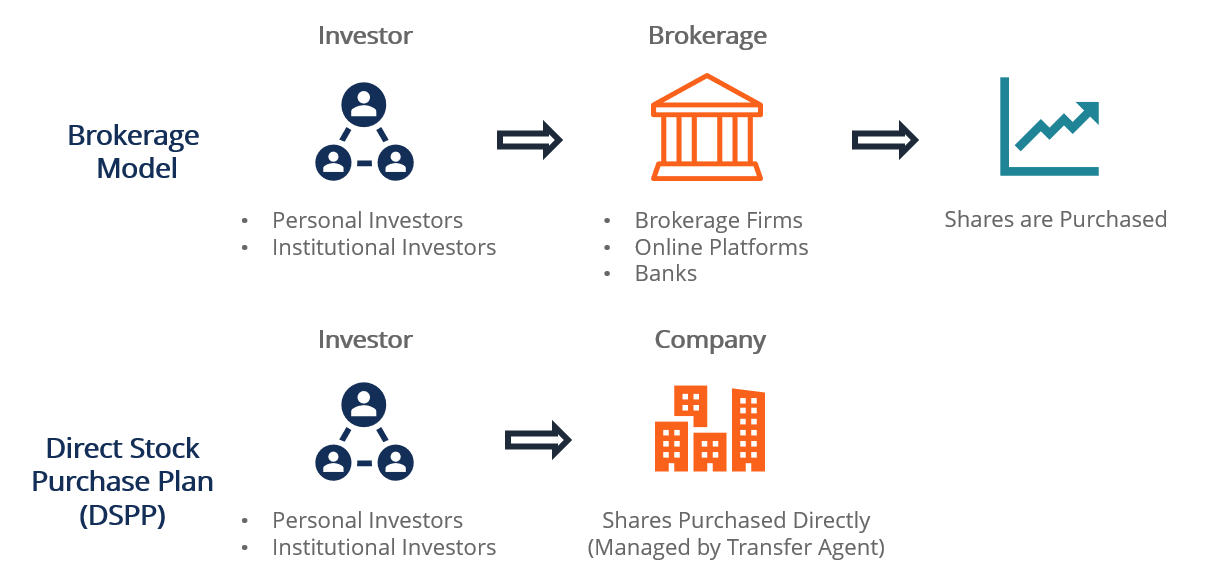
Once you have selected a brokerage, the actual process of opening an account is remarkably straightforward, often taking less than ten minutes. However, choosing the type of account is a critical financial decision.
Selecting the Right Account Type
In the realm of personal finance, how you hold your stocks is as important as which stocks you buy.
- Individual Brokerage Account: This is a standard taxable account. You can withdraw money at any time, but you will owe taxes on any realized capital gains and dividends.
- Retirement Accounts (IRA/Roth IRA): In the United States, these accounts offer significant tax advantages. A traditional IRA may provide a tax deduction today, while a Roth IRA allows for tax-free withdrawals in retirement. Purchasing stocks within these “wrappers” is often the most efficient way to build long-term wealth.
- Joint Accounts: These are designed for couples or partners who wish to manage their investments together.
The Verification and Funding Process
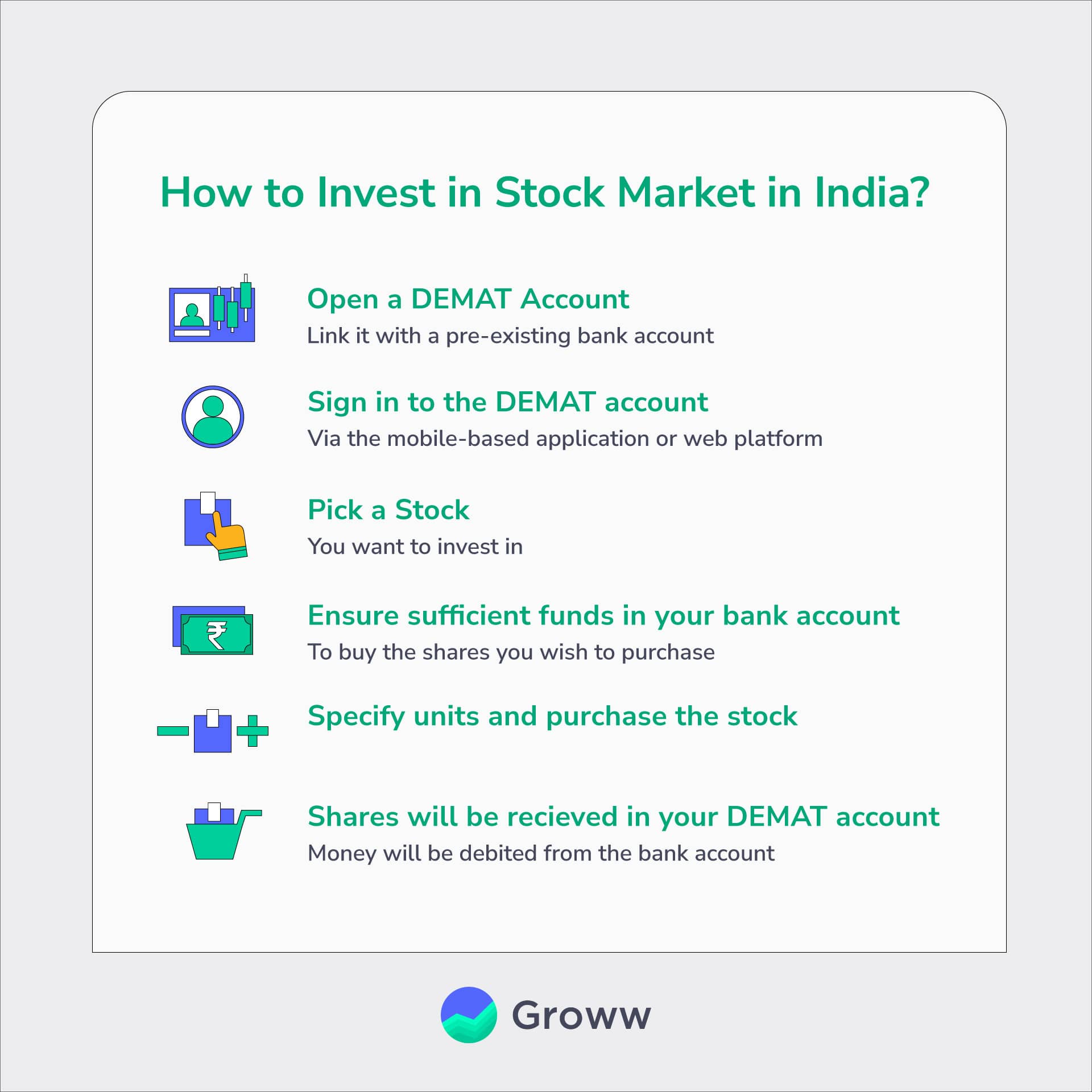
Due to “Know Your Customer” (KYC) and anti-money laundering regulations, you will need to provide personal information, including your Social Security number and employment details. Once the account is approved, you must fund it. Most investors link their bank account via ACH transfer. A professional tip is to set up an automatic recurring transfer. By automating your contributions, you ensure that you are consistently purchasing stocks regardless of market conditions, a strategy known as dollar-cost averaging.
4. Execution Strategy: Selecting Your First Investments and Placing Trades
Now comes the most exciting part: choosing your investments. This is where your research meets reality.
Individual Stocks vs. ETFs and Index Funds
For a beginner, the question isn’t just how to buy stocks, but which ones.
- Individual Stocks: Buying shares of a single company, like Apple or Disney. This offers the potential for high returns but comes with higher risk if that specific company underperforms.
- ETFs (Exchange-Traded Funds): An ETF is a basket of hundreds or thousands of stocks. By purchasing one share of an S&P 500 ETF, you are instantly diversified across the 500 largest companies in the US. For most investors, ETFs are the safest and most effective way to enter the market.
How to Place a Trade: Market vs. Limit Orders
When you are ready to buy, you will see two primary types of orders:
- Market Order: This tells the broker to buy the stock immediately at the best available current price. It guarantees execution but doesn’t guarantee the exact price.
- Limit Order: This tells the broker to buy the stock only if it hits a specific price or lower. This gives you control over the price you pay, but if the stock never hits that price, your trade won’t be executed. For volatile stocks, limit orders are generally the more professional choice.
Decoding Ticker Symbols and Quotes
Every public company has a unique identifier known as a ticker symbol (e.g., TSLA for Tesla, MSFT for Microsoft). When you search for a stock, you will see the “Bid” (the highest price a buyer is willing to pay) and the “Ask” (the lowest price a seller is willing to accept). The difference between the two is the “spread.” In highly liquid stocks, this spread is usually only a penny, meaning the cost of entering the trade is minimal.
5. Managing Your Portfolio: Long-Term Maintenance and Behavioral Finance
Purchasing the stock is only the beginning. The real work of an investor lies in the management of those assets over years and decades.
The Importance of Diversification
The golden rule of investing is “don’t put all your eggs in one basket.” If you only purchase stocks in the technology sector and that sector takes a hit, your entire portfolio will suffer. A professional approach involves diversifying across different sectors (healthcare, energy, consumer staples) and even different asset classes (bonds, real estate, international stocks). Diversification doesn’t eliminate risk, but it smooths out the ride.
Rebalancing and Portfolio Hygiene
Over time, some of your stocks will grow faster than others, causing your portfolio to become lopsided. For example, if you intended to have 50% in tech and 50% in energy, a tech boom might shift your balance to 70/30. Periodically “rebalancing”—selling some of the winners and buying more of the underperformers—ensures you stay within your risk tolerance. This disciplined approach forces you to “buy low and sell high” automatically.
Controlling Emotions in Volatile Markets
The biggest threat to your investment success isn’t the stock market; it’s your own psychology. Humans are hardwired to flee during danger, which translates to “panic selling” when the market drops. However, the stock market has historically recovered from every single downturn. Successful investors maintain an “owner’s mindset.” They view market dips as opportunities to purchase stocks at a discount rather than a reason to exit.
Continuous Learning and Evolution
The financial world is dynamic. New industries emerge, and old giants fade. To be a successful investor, you must commit to continuous learning. Read annual reports, stay informed about macroeconomic trends, and understand the competitive advantages of the companies you own. Investing is a journey of intellectual curiosity that, when executed with patience and discipline, leads to the ultimate goal of financial freedom.
aViewFromTheCave is a participant in the Amazon Services LLC Associates Program, an affiliate advertising program designed to provide a means for sites to earn advertising fees by advertising and linking to Amazon.com. Amazon, the Amazon logo, AmazonSupply, and the AmazonSupply logo are trademarks of Amazon.com, Inc. or its affiliates. As an Amazon Associate we earn affiliate commissions from qualifying purchases.