
Embarking on the journey to acquire your first credit card, or even another one, can feel like navigating a complex financial labyrinth. For many, a credit card is more than just a piece of plastic; it’s a powerful financial tool that, when wielded responsibly, can unlock a myriad of benefits, from building a strong credit history to earning valuable rewards. However, the path to obtaining one is paved with specific requirements and crucial decisions. This comprehensive guide aims to demystify the process, offering clear, insightful steps and considerations for anyone asking, “How can I get a credit card?” We’ll delve into understanding what credit cards entail, the eligibility criteria lenders look for, how to successfully apply, and most importantly, how to choose and manage your credit card responsibly for long-term financial health.
Understanding Credit Cards and Why You Might Want One
Before diving into the application process, it’s essential to grasp what a credit card fundamentally is and the significant role it can play in your financial life. More than just a convenient payment method, it’s a line of credit extended by a financial institution, allowing you to borrow money up to a certain limit and repay it later, often with interest if not paid in full by the due date.
What Exactly is a Credit Card?
At its core, a credit card is an unsecured revolving credit account. Unlike a debit card, which draws funds directly from your bank account, a credit card allows you to make purchases on credit. This means you’re borrowing money from the card issuer, with an agreement to pay it back. Each month, you receive a statement detailing your purchases, payments, and the minimum amount due. Paying your balance in full by the due date avoids interest charges, while carrying a balance incurs interest at the card’s Annual Percentage Rate (APR). The credit limit is the maximum amount you can borrow on the card.
The Benefits of Having a Credit Card
The advantages of owning a credit card are numerous and extend far beyond simple convenience:
- Building Credit History: This is perhaps the most crucial benefit. Responsible credit card use — making payments on time and keeping balances low — is a primary way to establish and improve your credit score. A strong credit score is vital for obtaining loans for homes or cars, renting apartments, and even securing certain jobs or lower insurance premiums.
- Convenience and Security: Credit cards offer a cashless way to pay for goods and services, both online and in person. They also provide fraud protection, meaning you’re typically not liable for unauthorized charges if your card is lost or stolen.
- Rewards and Perks: Many credit cards come with lucrative rewards programs, offering cash back, travel points, airline miles, or other benefits on your spending. Some also include perks like extended warranties, purchase protection, travel insurance, or access to airport lounges.
- Emergency Fund Supplement: While not a substitute for a true emergency fund, a credit card can provide a financial safety net for unexpected expenses, offering immediate access to funds when needed most.
- Budgeting and Tracking: Credit card statements provide a detailed record of your spending, which can be an invaluable tool for budgeting and tracking your expenses.
Potential Downsides and Risks
While beneficial, credit cards also carry risks if not managed carefully. High-interest rates can lead to mounting debt if balances are carried over, and missed payments can severely damage your credit score, leading to higher interest rates on future loans and a diminished financial standing. Understanding these risks is the first step towards responsible credit card use.
Key Eligibility Requirements for Credit Cards
Lenders don’t hand out credit cards to just anyone; they assess your creditworthiness to determine the likelihood of you repaying borrowed money. Understanding these key eligibility requirements will help you prepare for a successful application.
The Cornerstone: Your Credit Score
Your credit score is a three-digit number that summarizes your credit risk. It’s the most critical factor lenders consider. For individuals new to credit, a “thin file” (little to no credit history) can be a hurdle. Those with existing credit should aim for a good to excellent score (generally 670 and above) to qualify for the best cards with lower interest rates and richer rewards. Lenders use scores from agencies like FICO or VantageScore, which are calculated based on factors like payment history, amounts owed, length of credit history, new credit, and credit mix.
Income and Employment Stability
Lenders want assurance that you have the financial capacity to repay your debts. This means demonstrating a stable income source. While specific income thresholds vary by card and issuer, you’ll generally need to report your gross annual income. This can include wages, salaries, self-employment income, benefits, investment income, and even reasonable access to the income of a spouse or partner if it’s available to pay your debts. Employment stability, indicated by a steady job history, also plays a role as it suggests consistent income.
Age and Residency
To legally enter into a credit card agreement, applicants must be at least 18 years old. For those under 21, the Credit CARD Act of 2009 requires applicants to either have an independent means of repaying the debt or a co-signer (over 21) who has the means to repay. Additionally, applicants typically need to be a U.S. citizen or a permanent resident with a valid Social Security Number (SSN) or Individual Taxpayer Identification Number (ITIN).
Debt-to-Income Ratio
Your Debt-to-Income (DTI) ratio is another important metric. It’s the percentage of your gross monthly income that goes towards paying your monthly debt payments. A lower DTI indicates that you have more disposable income available to take on new debt, making you a less risky borrower. Lenders typically prefer a DTI below 36%, though this can vary.
Navigating the Credit Card Application Process
Once you understand the eligibility criteria and have assessed your own financial standing, the next step is the application itself. Approaching this phase strategically can significantly improve your chances of approval.
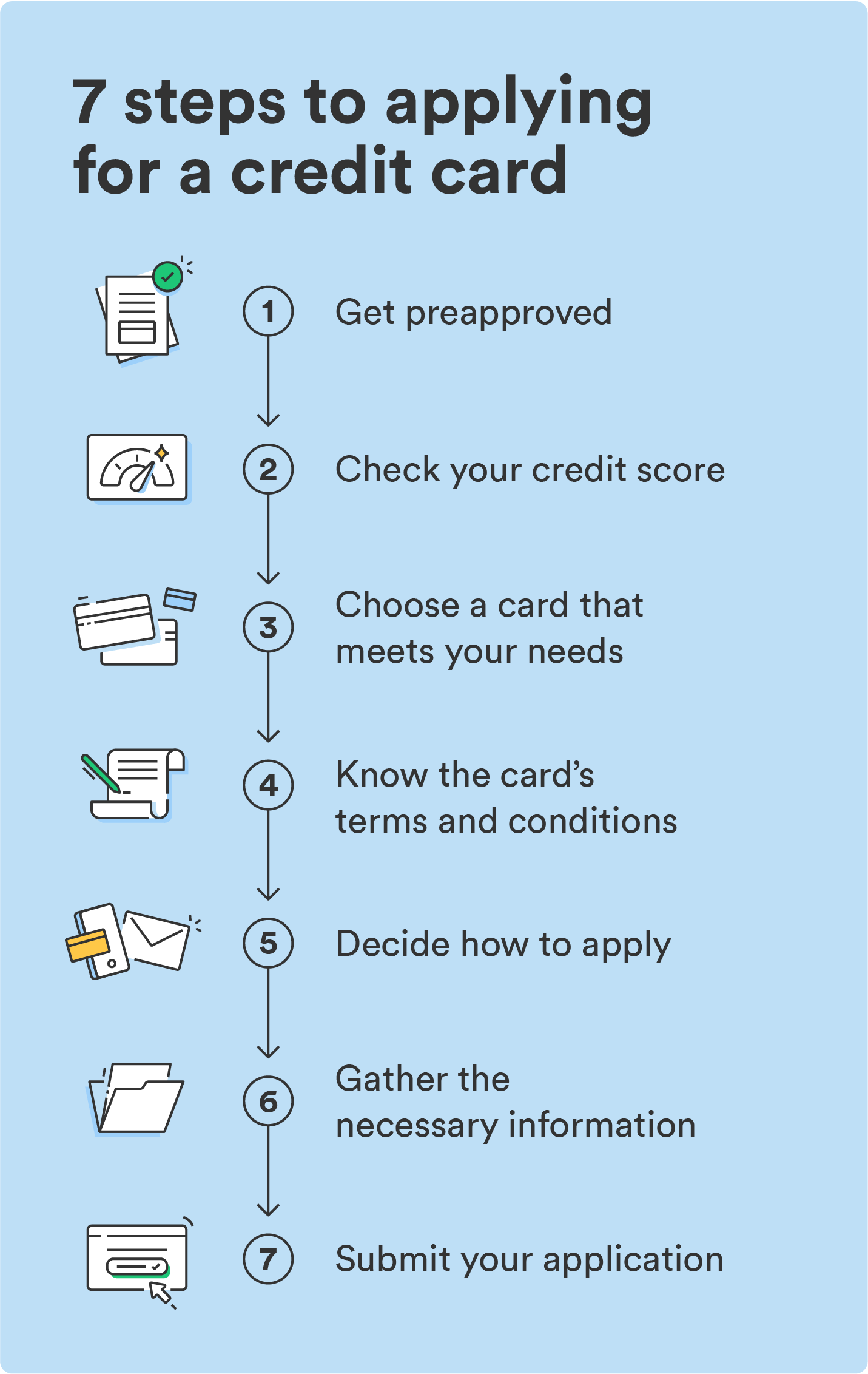
Pre-Application Steps: Checking Your Credit and Research
Before applying, obtain a copy of your credit report from AnnualCreditReport.com (you are entitled to one free report from each of the three major credit bureaus—Equifax, Experian, and TransUnion—annually). Review it thoroughly for errors and dispute any inaccuracies, as these can negatively impact your score. Simultaneously, research different credit cards. Consider your credit profile:
- No Credit/Poor Credit: Look for secured credit cards (requiring a deposit) or student credit cards (if applicable).
- Fair Credit: Explore cards designed for rebuilding credit.
- Good/Excellent Credit: You’ll have access to a wider range of rewards cards, low APR cards, and premium offerings.
Compare interest rates, annual fees, rewards programs, sign-up bonuses, and other benefits. Websites like NerdWallet, Credit Karma, and Bankrate offer excellent comparison tools.
Gathering Necessary Documentation
Most online applications are quick, but it’s good to have the following information readily available:
- Personal Information: Full legal name, date of birth, Social Security Number (SSN) or ITIN, phone number, email address.
- Contact Information: Current residential address, previous addresses if you’ve moved recently.
- Financial Information: Gross annual income, employment status and employer information, monthly housing payment (rent or mortgage), and sometimes other monthly debt payments.
Having these details on hand will streamline the application process.
The Application Form: What to Expect
Credit card applications are typically straightforward and can often be completed online in a matter of minutes. You’ll be asked to provide the information listed above. Be truthful and accurate; providing false information can lead to denial or even legal repercussions. Most issuers provide an instant decision, though some applications may require further review and take a few business days.
Understanding Approval, Denial, and Reconsideration
- Approval: Congratulations! Your card will usually arrive by mail within 7-10 business days. Upon arrival, activate it as per the instructions and start using it responsibly.
- Denial: If your application is denied, don’t despair. The issuer is legally required to send you an Adverse Action Notice explaining the specific reasons for the denial. This notice is invaluable as it highlights areas where you need to improve, such as a low credit score, high debt, or insufficient income.
- Reconsideration: Sometimes, a denial can be overturned. If you believe there was a misunderstanding or you have additional information to provide (e.g., a recent pay raise not reflected on your credit report), you can call the issuer’s reconsideration line. Be polite, explain your situation, and highlight why you believe you are a good credit risk.
Choosing the Right Credit Card for Your Needs
The “best” credit card is subjective; it’s the one that best aligns with your financial habits and goals. With a vast array of options available, informed decision-making is paramount.
For Beginners: Secured Cards and Student Cards
- Secured Credit Cards: These are excellent for building credit when you have none or a poor score. You make a cash deposit, which acts as your credit limit (e.g., a $300 deposit for a $300 credit limit). The deposit secures the card, reducing the risk for the issuer. After responsible use for 6-12 months, you can often “graduate” to an unsecured card and get your deposit back.
- Student Credit Cards: Designed for college students, these cards often have more lenient approval criteria, recognizing that students may have limited income and no credit history. They typically offer modest credit limits and some basic rewards.
For Rewards Seekers: Cash Back, Travel, and Points Cards
Once you have a good credit history, a world of rewards cards opens up:
- Cash Back Cards: Offer a percentage of your spending back as cash, either flat-rate on all purchases (e.g., 1.5% back) or higher percentages in rotating bonus categories (e.g., 5% back on groceries one quarter).
- Travel Credit Cards: Ideal for frequent travelers, these cards earn miles or points that can be redeemed for flights, hotel stays, or other travel-related expenses. Many come with premium travel perks like lounge access or travel insurance.
- Points Cards: These cards earn flexible points that can be redeemed for various options, including travel, cash back, merchandise, or gift cards, offering versatility.
For Debt Consolidation: Balance Transfer Cards
If you have high-interest debt on existing credit cards, a balance transfer card can be a game-changer. These cards offer an introductory 0% APR period (often 12-21 months) on transferred balances. This allows you to pay down your principal without interest charges, provided you can pay off the transferred amount before the promotional period ends. Be aware of balance transfer fees, typically 3-5% of the transferred amount.
Understanding APR, Fees, and Other Terms
Beyond rewards and specific card types, pay close attention to the card’s terms and conditions:
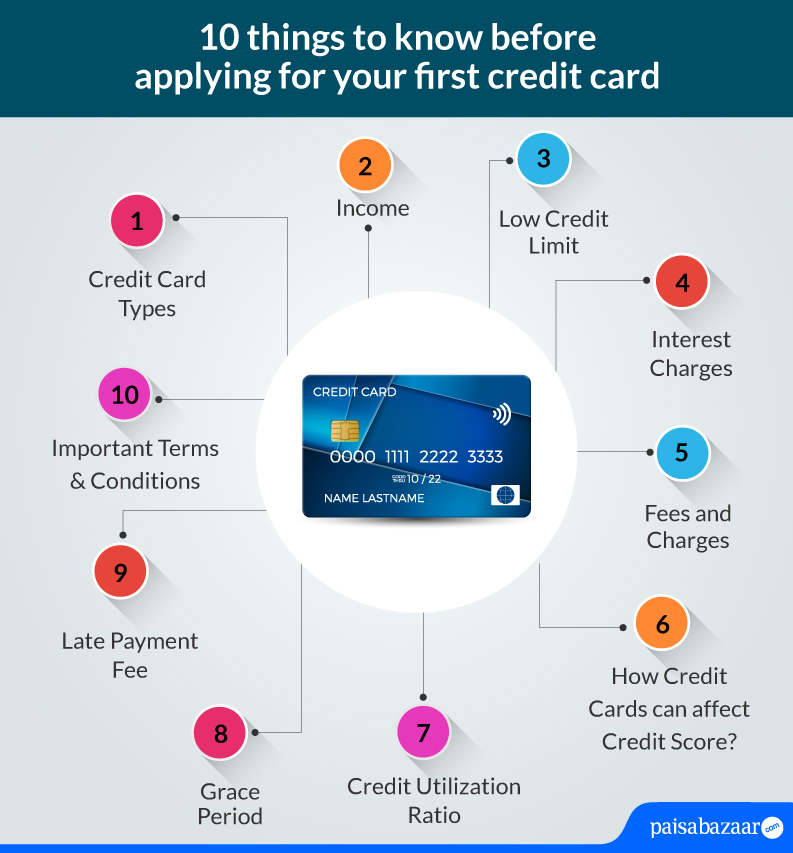
- Annual Percentage Rate (APR): This is the interest rate you pay on balances carried over. Look for a low APR if you anticipate carrying a balance.
- Annual Fee: Some cards charge a yearly fee, especially premium rewards cards. Weigh the fee against the value of the rewards and benefits you expect to receive.
- Other Fees: Be aware of late payment fees, foreign transaction fees (for international purchases), and cash advance fees.
- Introductory Offers: Many cards offer sign-up bonuses or 0% APR periods. Understand the conditions and expiration dates of these offers.
Responsible Credit Card Usage and Management
Getting a credit card is just the first step; managing it wisely is crucial for harnessing its benefits and avoiding pitfalls. Responsible usage builds a strong financial foundation.
Paying Your Bills On Time, Every Time
This is the golden rule of credit card management and the single most important factor for your credit score. Set up automatic payments for at least the minimum amount due, or better yet, the full statement balance. Late payments incur fees and are reported to credit bureaus, significantly damaging your credit score. Consistency demonstrates reliability to lenders.
Keeping Your Credit Utilization Low
Credit utilization is the amount of credit you’re using compared to your total available credit, expressed as a percentage. For example, if you have a $1,000 credit limit and a $300 balance, your utilization is 30%. Financial experts recommend keeping your credit utilization below 30% across all your cards, and ideally even lower (under 10%) for optimal credit scoring. High utilization signals to lenders that you might be over-reliant on credit, which can negatively impact your score.
Monitoring Your Statements and Credit Report
Regularly review your monthly credit card statements for accuracy. Check for unauthorized charges, billing errors, or discrepancies. If you spot anything unusual, report it to your issuer immediately. Additionally, continue to monitor your credit report periodically. You can get free copies from AnnualCreditReport.com and many credit card issuers and financial services offer free access to your credit score. This vigilance helps protect against fraud and keeps you informed about your credit health.

Protecting Your Information from Fraud
Credit card fraud is a constant threat. Take proactive steps to protect your personal and financial information:
- Use strong, unique passwords for online accounts.
- Be cautious of phishing emails or calls requesting card details.
- Shred documents containing financial information before discarding them.
- Use secure Wi-Fi networks for online transactions.
- Avoid sharing your card details unnecessarily.
Many credit cards offer real-time transaction alerts, which can help you quickly identify and report fraudulent activity.
Obtaining a credit card is an accessible goal for many, regardless of their starting point. By understanding the fundamentals, meeting eligibility requirements, carefully navigating the application process, and making informed choices about the right card, you can successfully add this powerful tool to your financial arsenal. Remember, the true value of a credit card lies not just in its acquisition, but in its responsible and strategic management. By prioritizing timely payments, managing your spending, and protecting your information, you can leverage your credit card to build a robust financial future.
aViewFromTheCave is a participant in the Amazon Services LLC Associates Program, an affiliate advertising program designed to provide a means for sites to earn advertising fees by advertising and linking to Amazon.com. Amazon, the Amazon logo, AmazonSupply, and the AmazonSupply logo are trademarks of Amazon.com, Inc. or its affiliates. As an Amazon Associate we earn affiliate commissions from qualifying purchases.