
In the realm of personal finance, travel is often viewed as a discretionary luxury—a significant “leak” in a household budget that can delay long-term wealth accumulation. However, for the financially savvy individual, airfare is not a fixed cost but a volatile asset class that can be optimized through strategic planning, arbitrage, and the sophisticated use of financial tools.
Securing cheap flights is less about “luck” and more about understanding the underlying economic principles of the aviation industry. By applying a disciplined, data-driven approach to booking, you can significantly reduce your travel overhead, allowing you to reallocate those funds toward investments, retirement accounts, or higher-quality experiences. This guide explores the financial strategies necessary to master the art of travel arbitrage and minimize the cost of global mobility.
1. The Economics of Airfare: Understanding Dynamic Pricing and Market Volatility
To save money on flights, one must first understand how airlines price their inventory. Unlike retail goods with stable margins, airline seats are “perishable assets.” Once a plane takes off, the value of an empty seat drops to zero. Consequently, airlines utilize complex revenue management algorithms to maximize the “yield” (revenue per passenger) for every flight.
The Supply and Demand Curve of Seat Inventory
Airlines categorize seats into various “fare buckets.” Even within the same economy cabin, there may be ten different price points for the exact same service. As the departure date approaches and the lower-priced buckets are filled, the price automatically scales upward.
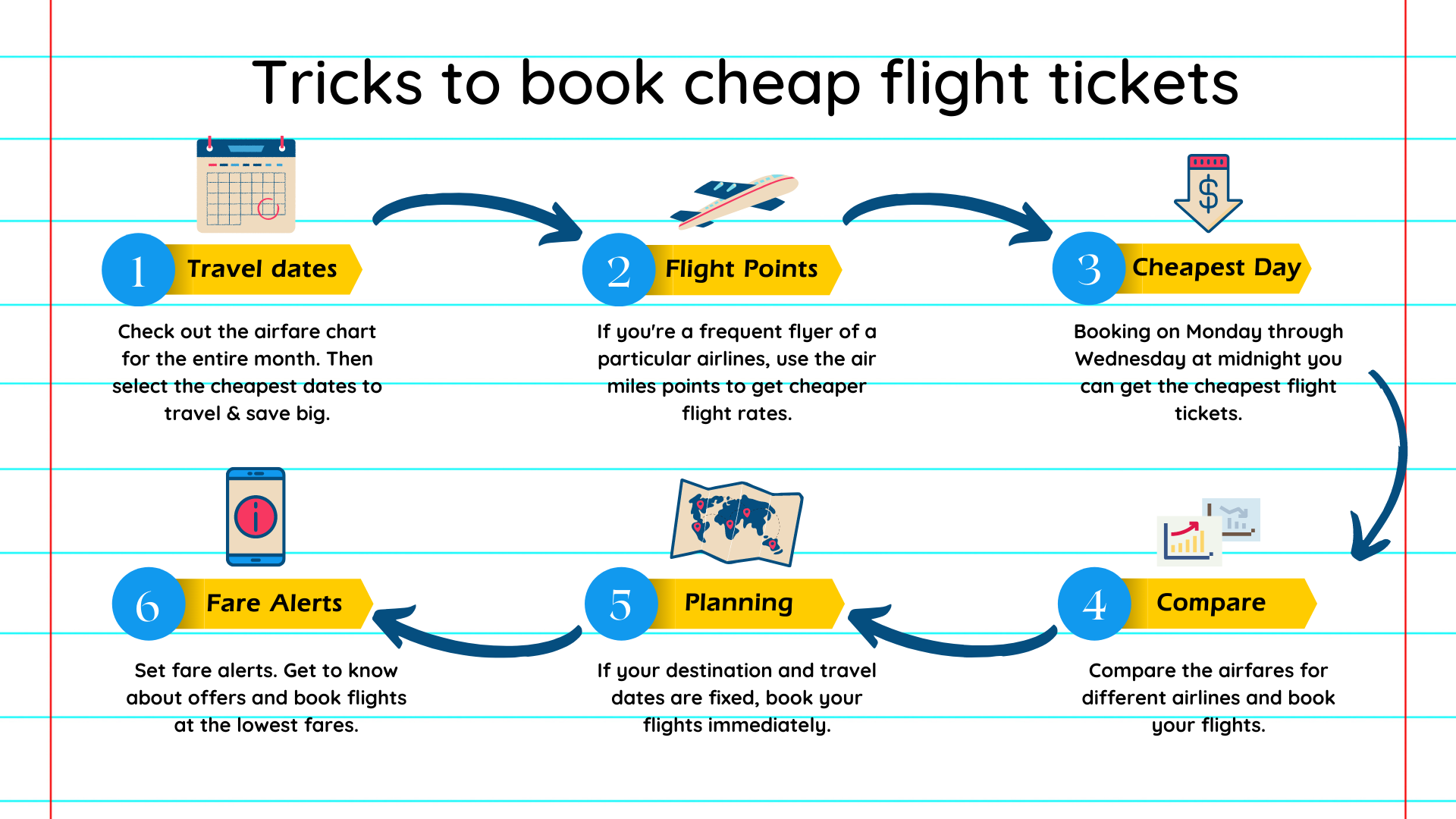
From a financial perspective, the goal is to buy into the lowest fare bucket before the “demand curve” spikes. Statistically, for domestic flights, the “sweet spot” for price optimization usually occurs between one and three months before departure. For international routes, the window extends to six months. Monitoring these cycles allows you to act as a value investor, purchasing when the “market” for that specific route is at its lowest.
Why Last-Minute Booking is a Financial Liability
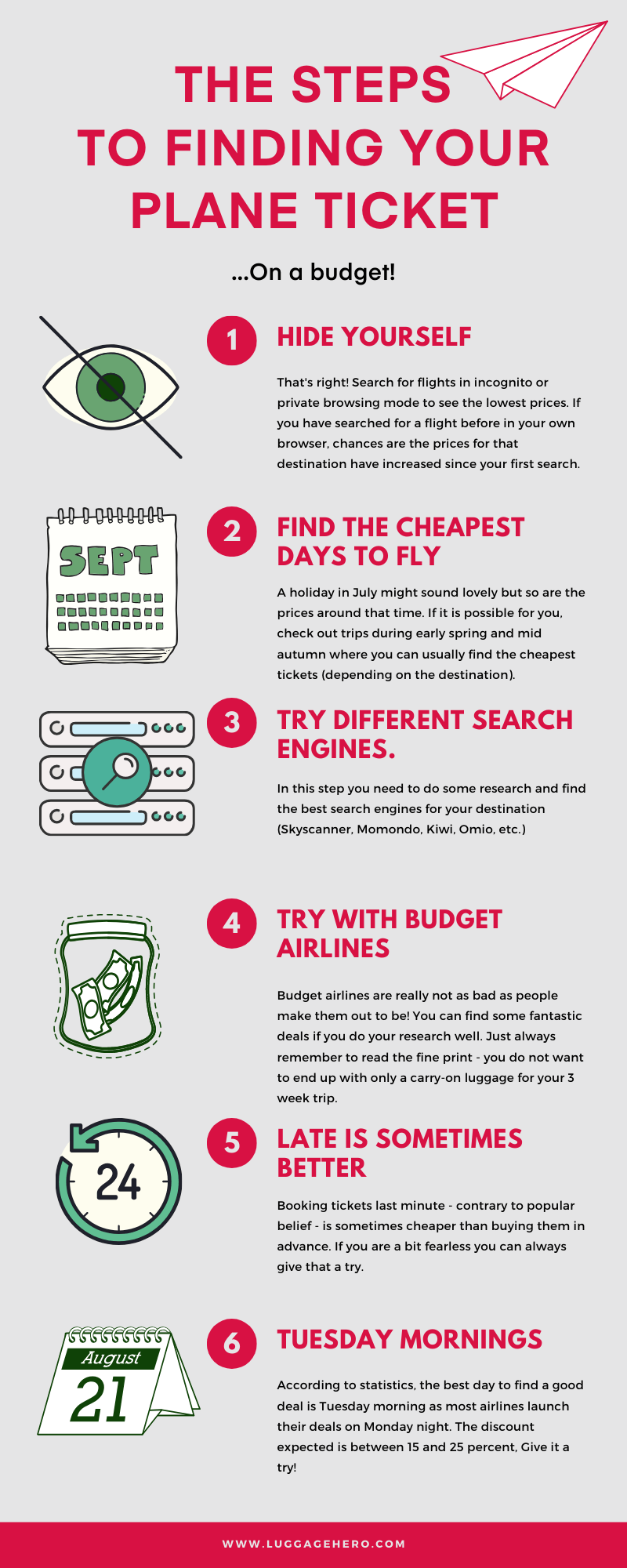
In many financial sectors, buying last-minute can lead to “fire sale” prices. In the airline industry, the opposite is true. Airlines recognize that last-minute travelers are often corporate flyers with inelastic demand—meaning they will pay whatever is necessary to reach a meeting.
To avoid this “urgency tax,” it is essential to decouple your travel dates from rigid schedules. By viewing your travel dates as a flexible variable rather than a fixed constraint, you can capitalize on “trough” periods (such as mid-week departures or “dead weeks” following major holidays) where demand is low and prices are artificially suppressed to fill capacity.
2. Leveraging Financial Tools: Credit Card Rewards and Point Optimization
For the sophisticated traveler, the most effective way to secure a “cheap” flight is to bypass cash transactions entirely. The credit card industry offers a unique financial ecosystem where consumer spending can be converted into high-value travel currency.
The Concept of “Travel Churning” for Maximum ROI
“Churning” refers to the strategic opening of credit card accounts to earn substantial sign-up bonuses. From a personal finance standpoint, this is a form of high-yield return on necessary spending. If a card requires a $4,000 spend in three months to award 80,000 points, and those points can be redeemed for a $1,200 flight, you have effectively earned a 30% “cash-back” return on your organic spending.
However, this strategy requires rigorous fiscal discipline. The interest rates on travel rewards cards are notoriously high; therefore, the financial benefit is only realized if the balance is paid in full every month. When managed correctly, the “cost” of your flight is reduced to the card’s annual fee, which is often offset by additional perks like lounge access and waived baggage fees.
Transfer Partners: Converting Points into High-Value Assets
Not all travel points are created equal. Fixed-value points (where 100 points always equals $1.00) offer a poor return on investment. The real financial gain lies in “transferable currencies” offered by major financial institutions.
By transferring points to airline loyalty programs rather than booking through a bank’s travel portal, you can exploit “sweet spots” in award charts. For instance, a flight that costs $800 in cash might cost 40,000 points. If you transfer those points to a partner airline during a 25% transfer bonus promotion, your effective cost drops to 32,000 points. Understanding the conversion rates between financial institutions and airlines is the key to multiplying the purchasing power of your rewards.

3. Strategic Arbitrage: Hidden City Ticketing and Currency Devaluation
Arbitrage is the simultaneous purchase and sale of an asset in different markets to exploit price imbalances. In the world of airfare, this involves finding “glitches” in how flights are routed and priced.
Navigating the Risks of “Skiplagging”
“Hidden city ticketing,” or “skiplagging,” occurs when a traveler books a flight with a layover in their actual destination because it is cheaper than a direct flight. For example, a flight from New York to London might be $600, but a flight from New York to Paris with a layover in London might be $450.
While this offers a clear financial advantage, it carries operational risks. You cannot check luggage (as it would go to the final destination), and airlines generally frown upon the practice. From a financial risk-management perspective, one must weigh the immediate savings against the potential of being flagged by a frequent flyer program. Nevertheless, for the solo traveler looking to minimize capital outlay, it remains a potent—if controversial—tool.
Currency Arbitrage: Booking in Foreign Denominations
The global nature of the aviation industry means that tickets are sold in dozens of different currencies. Often, due to rapid fluctuations in exchange rates or localized promotions, a ticket priced in a foreign currency (such as the Vietnamese Dong or the Brazilian Real) may be significantly cheaper than the same ticket priced in US Dollars.
By using a VPN to set your location to a lower-income country and paying with a credit card that has no foreign transaction fees, you can often save 5% to 15% on the total fare. This is a pure form of currency arbitrage, where the digital “location” of the transaction determines the price of the asset.
4. Digital Financial Management: Budgeting for Your Next Journey
Securing a cheap flight is only half the battle; the other half is ensuring that the purchase fits within a broader financial framework. Travel should never be funded by high-interest debt; instead, it should be a planned expenditure.
Sinking Funds and Dedicated Travel Accounts
A “sinking fund” is a strategic way to save for a specific expense over time. By setting aside a small, automated portion of each paycheck into a high-yield savings account dedicated solely to travel, you create a liquid pool of capital.
This financial preparation allows you to act decisively. When a “mistake fare” or a flash sale occurs, you don’t need to check your monthly budget to see if you can afford it. The capital is already allocated and ready for deployment. This proactive approach prevents the “financial friction” that often causes travelers to miss out on the best deals while they wait for their next payday.
Using Price Tracking as a Financial Monitoring Tool
In the same way an investor might set a “buy limit” on a stock, you should set price alerts for your desired routes. Various financial tools and platforms allow you to track the price history of a specific flight.
By observing the volatility of a route over several weeks, you can establish a “fair market value.” When the price dips below this threshold, it triggers a buy signal. This removes the emotional element of booking—the fear of missing out or the anxiety of overpaying—and replaces it with a disciplined, logic-based execution.
Conclusion: The Wealth-Building Potential of Smart Travel
The pursuit of cheap flights is often dismissed as a hobby for the frugal, but it is actually a masterclass in modern financial management. It requires an understanding of dynamic markets, the strategic use of credit and leverage, the ability to identify arbitrage opportunities, and the discipline to maintain a dedicated savings plan.
By treating travel as a financial puzzle to be solved, you do more than just see the world for less; you hone the skills of a value investor. Every dollar saved on a flight is a dollar that can be put to work in a compounding environment. Over a lifetime, the difference between an unoptimized traveler and a “financial architect” of travel can amount to tens of thousands of dollars in saved capital. In the end, getting cheap flights is about more than just a vacation—it’s about achieving the freedom of global mobility without compromising your financial future.