
The question “How are the stock markets doing today?” is perhaps the most frequent query in the world of finance. To the casual observer, the answer is often reduced to a single color: green for growth or red for decline. However, for the serious investor, the “how” involves a complex tapestry of macroeconomic data, corporate earnings, geopolitical shifts, and psychological sentiment. Understanding the state of the market requires looking beyond the daily fluctuations of the Dow Jones Industrial Average or the S&P 500 and diving into the underlying forces that drive global capital.
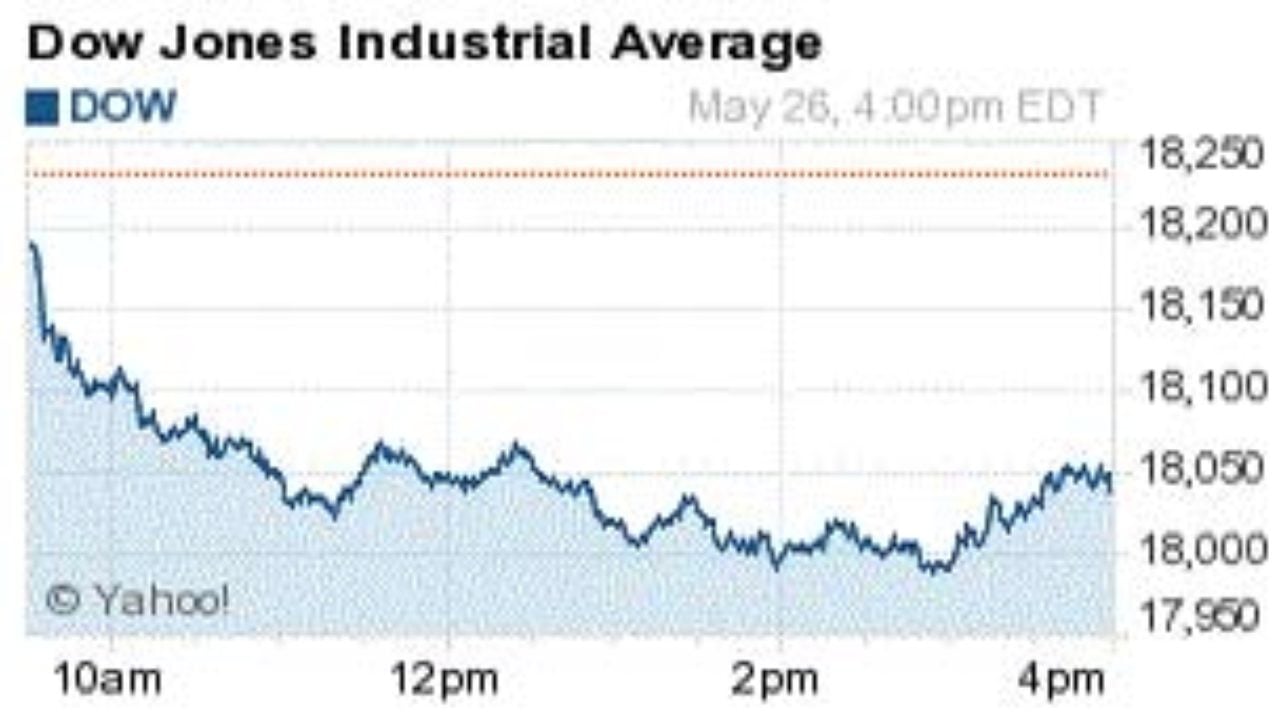
In today’s volatile economic landscape, the stock market serves as a real-time barometer for the health of the global economy. Whether you are a seasoned day trader or a long-term retirement saver, interpreting today’s market performance is essential for making informed financial decisions.
Decoding Today’s Market Performance: The Major Indices
When we ask how the market is doing, we are usually referring to the performance of several key indices. These benchmarks act as a shorthand for the collective health of thousands of publicly traded companies. Understanding the nuances between these indices is the first step in assessing the broader financial environment.
Key Indices: S&P 500, Dow Jones, and Nasdaq
The S&P 500 is widely considered the most accurate representation of the U.S. economy, tracking 500 of the largest publicly traded companies. Because it is market-cap weighted, a few massive technology companies often have a disproportionate impact on its movement. When the S&P 500 is “doing well,” it generally indicates that large-cap American enterprise is thriving.
The Dow Jones Industrial Average (DJIA), by contrast, tracks only 30 “blue-chip” companies. While it is the most famous index, its price-weighted nature means it can sometimes diverge from the broader market. Finally, the Nasdaq Composite is heavily tilted toward the technology and biotech sectors. In a “risk-on” environment, the Nasdaq often outperforms, whereas it tends to suffer more acutely during periods of rising interest rates.
Sector Rotations: Who is Leading and Who is Lagging?
Market performance is rarely uniform. On any given day, some sectors may be soaring while others plummet. This phenomenon is known as “sector rotation.” For instance, in an environment of rising oil prices, the Energy sector often leads the market. Conversely, when investors are worried about an economic slowdown, they often rotate into “Defensive” sectors like Consumer Staples (food and household goods) or Healthcare. Observing which sectors are leading today provides a window into the current “mood” of the market—whether investors are feeling aggressive or cautious.
Macroeconomic Drivers Influencing Current Volatility
The stock market does not exist in a vacuum. It is heavily influenced by “macro” factors that originate outside of corporate boardrooms. If the markets are experiencing significant volatility today, the cause is likely rooted in one of several recurring economic themes.
Inflation and Central Bank Policy
The single most influential factor in today’s markets is the trajectory of inflation and the subsequent response from central banks, such as the Federal Reserve in the United States. When inflation is high, central banks raise interest rates to cool the economy. Higher rates make borrowing more expensive for companies, which can eat into profits and lead to lower stock valuations. Investors spend a significant amount of time “Fed-watching”—analyzing every speech and data point to predict whether rates will rise, pause, or fall. Today’s market movement is often a direct reaction to the latest Consumer Price Index (CPI) report or a Federal Open Market Committee (FOMC) meeting.
Geopolitical Factors and Global Supply Chains
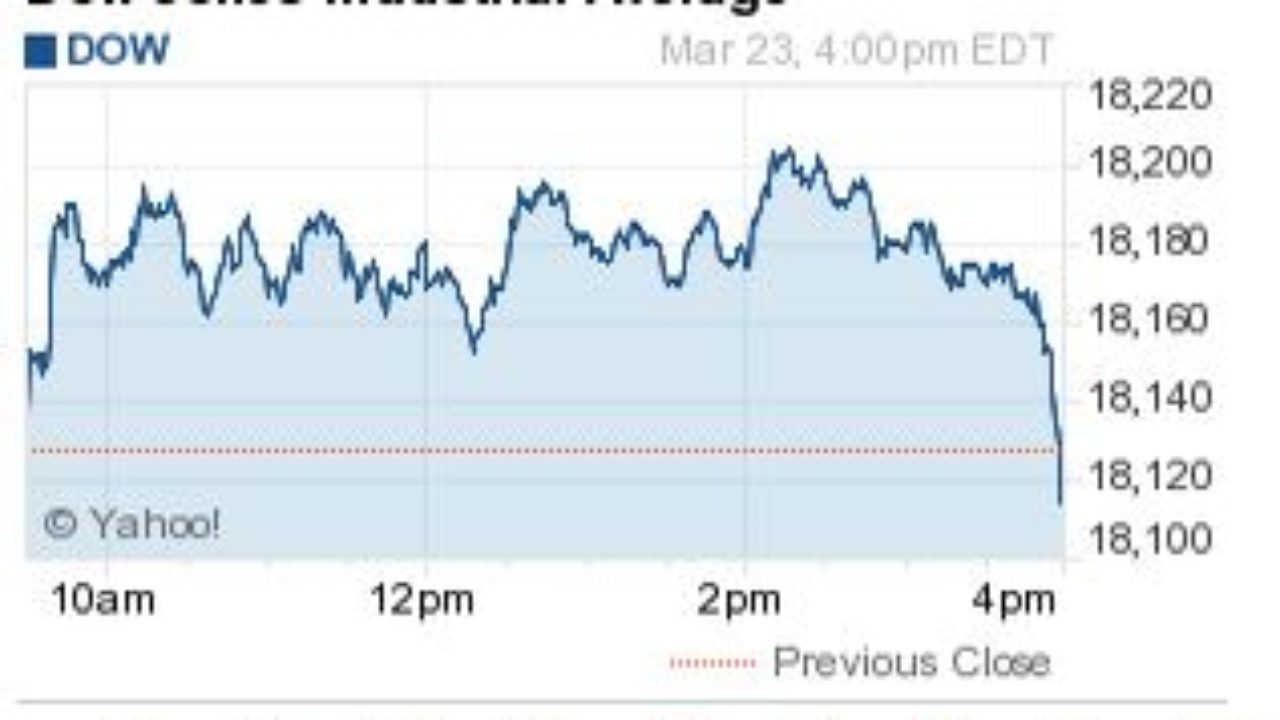
In our interconnected global economy, a conflict in Eastern Europe or a trade dispute in East Asia can have immediate repercussions on the New York Stock Exchange. Geopolitical instability often leads to “shocks” in the commodities markets, particularly in oil, gas, and wheat. Furthermore, any disruption to global supply chains—such as port closures or semiconductor shortages—can dampen the earnings potential of multinational corporations. When the market is “down today” without a clear domestic cause, look toward international headlines for the answer.
The Role of Investor Sentiment and Psychological Trends
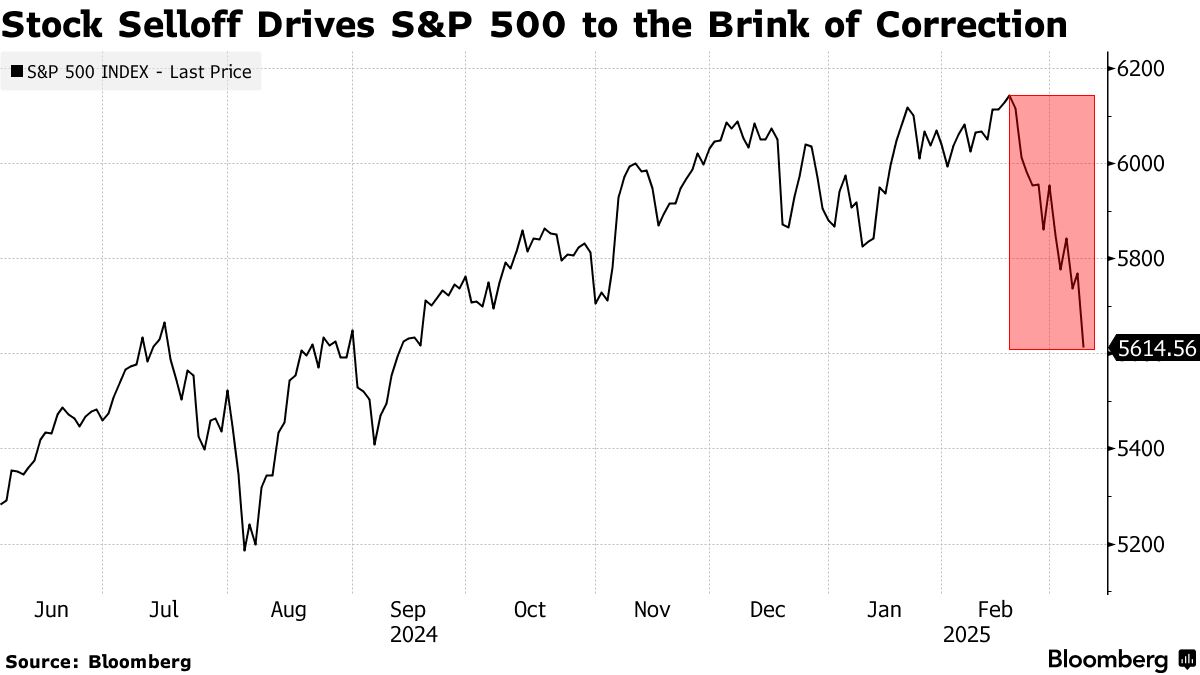
Markets are not purely mathematical; they are driven by human emotion. Fear and greed are the two primary engines that drive price action. Understanding the psychological state of the market can help an investor distinguish between a rational correction and an irrational panic.
The Fear & Greed Index Explained
Financial analysts often use the “Fear & Greed Index” to gauge the prevailing sentiment. This index looks at factors such as market momentum, stock price strength, and put/call options ratios. When the index leans toward “Extreme Fear,” it often suggests that the market is oversold, and a rebound may be imminent. When it leans toward “Extreme Greed,” it may indicate that stocks are overvalued and due for a pullback. Checking this index can provide a sanity check when the market feels particularly chaotic.
Analyzing Retail vs. Institutional Activity
Another layer of market performance is the tug-of-war between retail investors (individuals) and institutional investors (hedge funds, pension funds, and banks). In recent years, the rise of commission-free trading apps and social media-driven “meme stocks” has increased the influence of retail traders. However, “smart money”—the massive institutional blocks—still dictates the long-term trends. Today’s market activity might be driven by high-frequency trading algorithms or by large-scale institutional “rebalancing” that occurs at the end of each quarter.
Navigating the Market: Strategies for Long-Term Growth
Regardless of how the market is doing “today,” the goal for most investors is long-term wealth accumulation. The daily “noise” of the stock market can be distracting, but a disciplined strategy can help you navigate even the most turbulent waters.
Diversification in a High-Interest Rate Environment
One of the most effective ways to manage the risks discussed above is through diversification. This means spreading your investments across different asset classes, such as stocks, bonds, real estate, and cash. In a high-interest-rate environment, fixed-income assets like Treasury bonds become more attractive, providing a “buffer” against stock market volatility. A well-diversified portfolio ensures that you are not overly exposed to the failure of a single company or sector.
The Importance of Technical and Fundamental Analysis
To understand market health, professionals use two primary tools:
- Fundamental Analysis: Examining a company’s financial statements, management, and market position to determine its “intrinsic value.” If the stock price is lower than the intrinsic value, it may be a good buy.
- Technical Analysis: Studying price charts and patterns to predict future movements. Indicators like “Moving Averages” or the “Relative Strength Index (RSI)” help traders determine if a stock is overbought or oversold in the short term.
By combining these two approaches, investors can make more objective decisions rather than reacting emotionally to daily headlines.
Future Outlook: What to Watch in the Coming Months
The question of how the market is doing today naturally leads to the question of where it is going tomorrow. While no one has a crystal ball, there are specific “catalysts” that will likely define the market’s direction for the remainder of the year.
Earnings Season Expectations
Four times a year, publicly traded companies release their quarterly earnings reports. This is the “moment of truth” for the market. A company might have a great product, but if its earnings fail to meet analyst expectations, its stock price will likely fall. Conversely, “earnings beats”—where companies perform better than expected—can trigger massive market rallies. Watching the guidance provided by CEOs during these reports offers the best insight into the future health of the corporate world.
Emerging Market Opportunities and AI Innovation
Finally, we must look at the sectors of tomorrow. The rapid advancement of Artificial Intelligence (AI) has already begun to reshape the stock market, with companies involved in chip manufacturing and cloud computing seeing massive gains. Beyond tech, emerging markets in Southeast Asia and South America represent potential areas of growth as these economies mature.
In conclusion, “how the stock markets are doing today” is a multifaceted story. It is a story of economic data, human psychology, and global politics. By understanding the indices, the macroeconomic drivers, and the underlying sentiment, you can move beyond the surface-level numbers and develop a sophisticated perspective on your personal finances. Remember, the market is a marathon, not a sprint; today’s dip might be tomorrow’s opportunity, provided you have the insight to recognize it.
aViewFromTheCave is a participant in the Amazon Services LLC Associates Program, an affiliate advertising program designed to provide a means for sites to earn advertising fees by advertising and linking to Amazon.com. Amazon, the Amazon logo, AmazonSupply, and the AmazonSupply logo are trademarks of Amazon.com, Inc. or its affiliates. As an Amazon Associate we earn affiliate commissions from qualifying purchases.