
The allure of harnessing the sun’s power for your home is growing stronger. Lower electricity bills, environmental responsibility, and energy independence are compelling reasons to consider solar. But the question lingers for many: “Can I install my own solar panels?” While the initial thought might be a DIY project for the technically inclined, the reality is a multifaceted consideration touching upon technology, branding (your home’s and your own), and crucially, your finances. This article will dissect these elements to help you make an informed decision, moving beyond a simple “yes” or “no.”
The DIY Solar Dream: Weighing the Technological Hurdles
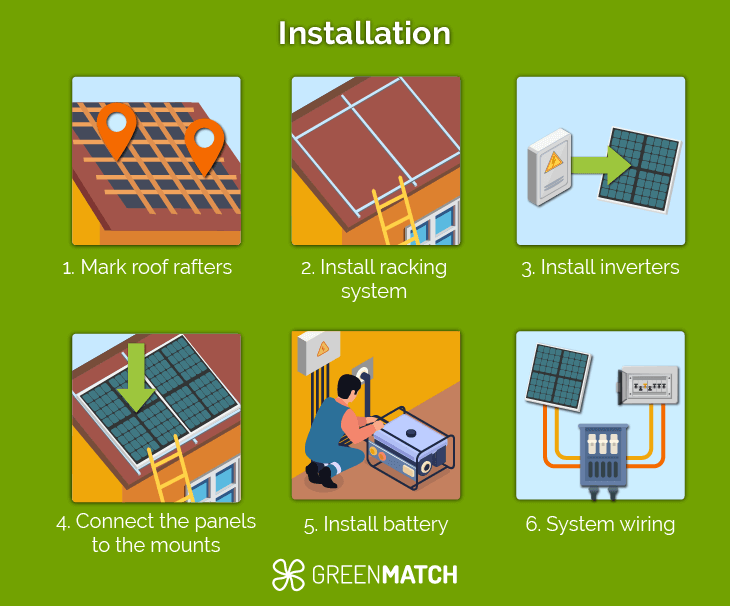
The term “installing your own solar panels” conjures images of triumphant homeowners perched on their roofs, confidently connecting wires. In theory, the fundamental components of a solar system are understandable: photovoltaic (PV) panels convert sunlight into direct current (DC) electricity, an inverter transforms DC into alternating current (AC) compatible with your home, and mounting hardware secures everything.
However, the leap from understanding components to safely and effectively installing them is significant. This is where the “Tech” aspect of our website becomes paramount.
Understanding the Core Technologies
At its heart, solar power relies on sophisticated semiconductor technology within the PV panels. These panels are not merely flat surfaces; they are intricate devices designed for maximum efficiency. Understanding their specifications, such as wattage, efficiency ratings, and temperature coefficients, is crucial for selecting the right panels for your needs. For a DIY installer, this means delving into technical datasheets and comparing different manufacturers, a task that requires a degree of technical literacy.
Beyond the Panels: The Inverter’s Role
The inverter is the brain of your solar system. Its primary function is to convert the DC electricity generated by the panels into AC electricity that can power your appliances and be fed back into the grid. There are several types of inverters, each with its own advantages and disadvantages:
- String Inverters: These are the most common and cost-effective. Multiple panels are wired in series (“strings”), and one inverter handles the entire string’s output. However, if one panel in the string is shaded or malfunctioning, it can affect the performance of all panels in that string.
- Microinverters: These are installed on each individual solar panel. They convert DC to AC at the panel level, offering greater flexibility and optimization. If one panel is shaded, it won’t impact the others. They also allow for panel-level monitoring, providing granular insights into performance.
- Power Optimizers: These devices work in conjunction with a central inverter. They are attached to each panel and optimize the DC output before it reaches the inverter. This offers some of the benefits of microinverters, like shade mitigation, at a potentially lower cost.
Choosing the right inverter technology, and understanding how to integrate it with your chosen panels, is a critical technical decision.
Safety and Electrical Expertise: A Non-Negotiable Requirement
Perhaps the most significant technological hurdle for a DIY solar installation is safety. Working with electricity, especially high-voltage DC, carries inherent risks. Improper wiring can lead to:
- Electrical Fires: Faulty connections or inadequate insulation can cause arcing and ignition.
- Electrocution: Direct contact with live wires can be fatal.
- Damage to Appliances and the Grid: Incorrect voltage or frequency can harm your home’s electrical system and even pose a risk to the utility grid.
Furthermore, the electrical code requirements for solar installations are stringent. These codes are in place to ensure safety and reliability. Understanding and adhering to the National Electrical Code (NEC) or your local equivalents is essential. This often requires knowledge of grounding, bonding, overcurrent protection, and proper wiring techniques.
It’s crucial to emphasize that unless you possess a strong background in electrical engineering and are thoroughly familiar with local electrical codes and safety protocols, attempting a DIY solar installation is strongly discouraged from a technical and safety standpoint.
Structural Integrity and Mounting Systems
Beyond electrical work, mounting the solar panels securely to your roof or ground-mounted structure is another technical challenge. This involves:
- Roof Load Calculations: Ensuring your roof can support the weight of the panels and any potential snow or wind loads.
- Waterproofing: Properly sealing any penetrations into the roof to prevent leaks.
- Wind Load Resistance: Designing a mounting system that can withstand high winds without dislodging the panels.
- Material Selection: Choosing durable and weather-resistant mounting hardware.
A poorly designed or installed mounting system can lead to structural damage to your home, costly repairs, and potential safety hazards.
Your Home as a Brand: The Implications of DIY Solar
Beyond the purely technical aspects, the decision to DIY solar also touches upon your “Brand” – specifically, the brand of your home and potentially your personal brand as a homeowner.
Enhancing Your Home’s Value and Appeal
A professionally installed solar system is often seen as a valuable upgrade, enhancing your home’s appeal to potential buyers. It signals energy efficiency, environmental consciousness, and potential cost savings. However, a DIY installation, especially if it appears amateurish or lacks proper permits and certifications, can have the opposite effect.

- Perceived Quality: Buyers often associate a professional installation with quality workmanship and adherence to standards. A DIY job might raise questions about the longevity and reliability of the system.
- Resale Value: While solar generally adds value, the method of installation can influence the extent of that value. A system that looks clean, well-integrated, and has all the necessary paperwork is more likely to command a higher price.
- Warranty and Support: Professional installers typically offer warranties on their workmanship and the system components. A DIY installation can void manufacturer warranties and leaves you without recourse for installation-related issues.
Personal Branding: The Savvy vs. the Risky Homeowner
For some, the idea of a DIY solar installation is part of their personal brand – the resourceful, tech-savvy individual who takes control of their energy needs. This can be a positive image if executed flawlessly. However, there’s a fine line between being resourceful and being reckless.
- The Risk of Failure: If a DIY installation goes wrong, leading to electrical problems, roof damage, or system malfunctions, it can detract from your personal brand, portraying you as someone who took on more than they could handle.
- Insurance and Liability: In the event of an accident or damage caused by a DIY solar installation, your homeowner’s insurance may not cover the costs, leaving you personally liable. This can be a significant financial and reputational risk.
- Permitting and Inspections: A professional installation ensures all necessary permits are obtained and inspections passed, demonstrating compliance and legitimacy. A DIY project that bypasses these steps can create legal and insurance headaches down the line.
Ultimately, your home’s brand and your personal brand are intertwined with the decisions you make regarding its upkeep and upgrades. A solar installation, whether DIY or professional, is a significant statement.
The Financial Equation: Is DIY Solar Truly Cheaper?
The most compelling reason for considering DIY solar is often the perceived cost savings. Eliminating the labor costs associated with professional installation can indeed seem attractive, placing this squarely in the “Money” section of our website. However, a true financial assessment requires a deeper dive.
Initial Cost Savings vs. Long-Term Expenses
While you might save on labor, the initial costs of purchasing the solar panels, inverters, mounting hardware, wiring, and safety equipment can still be substantial. You’ll also need to factor in:
- Tool Costs: Specialized tools for electrical work, roof work, and potentially solar panel installation might need to be purchased or rented.
- Permit Fees: Obtaining necessary permits from your local building department will incur fees.
- Inspection Fees: After installation, your system will need to be inspected by a qualified inspector.
- Potential for Errors: As discussed, mistakes in a DIY installation can lead to costly repairs or premature system failure, negating any initial savings.
Rebates, Incentives, and Warranties: The Hidden Costs of DIY
This is where the financial benefits of professional installation often outweigh the DIY approach:
- Manufacturer Warranties: Most solar panel and inverter manufacturers offer warranties on their products. However, these warranties are often contingent upon installation by certified professionals. A DIY installation can void these warranties, leaving you unprotected against product defects.
- Installer Warranties: Reputable solar installers provide warranties on their workmanship, covering issues like leaks or faulty connections. This provides peace of mind and financial protection.
- Incentives and Tax Credits: Many government and local utility programs offer rebates, tax credits, and other incentives for solar installations. These programs often have specific requirements, including installation by certified professionals, to qualify. A DIY installation might disqualify you from these significant financial benefits.
- Financing Options: Solar loans and leases are often structured with professional installations in mind. DIY might limit your financing options.
Calculating the True ROI: Beyond the Initial Price Tag
To truly assess the financial viability of DIY solar, you need to calculate the Return on Investment (ROI), considering all potential costs and benefits over the system’s lifespan. This involves:
- Energy Savings: Estimating the amount of electricity your system will generate and the resulting savings on your electricity bills.
- Incentive Value: Quantifying the value of any rebates, tax credits, or renewable energy certificates (RECs) you can claim.
- Maintenance and Repair Costs: Estimating the ongoing costs of maintaining the system and accounting for potential repairs, especially if the DIY installation is not perfect.
- System Lifespan: Considering the expected lifespan of the solar panels and inverter.
In many cases, when you factor in the potential loss of warranties, incentives, and the increased risk of costly errors, the initial perceived savings of a DIY solar installation can quickly evaporate, making a professional installation the more financially sound choice in the long run.
The Verdict: When DIY Might Be Viable (and When It’s Not)
So, can you install your own solar panels? The answer is a nuanced “it depends.”
When DIY Might Be Considered:
- Extensive Electrical and Construction Experience: You are a licensed electrician or have significant, demonstrable experience in electrical systems and construction, with a deep understanding of building codes and safety protocols.
- Small-Scale, Off-Grid Systems: For very small, off-grid systems (e.g., for a shed or RV) where grid connection, complex regulations, and extensive warranties are less of a concern, a DIY approach might be more feasible.
- Willingness to Absorb Risk: You are fully aware of and comfortable with the significant risks involved, including potential safety hazards, voided warranties, and the possibility of costly mistakes.

When to Absolutely Hire a Professional:
- Grid-Tied Systems: Connecting to the utility grid involves complex regulations, safety standards, and utility company approvals. Professionals are essential for this.
- Lack of Electrical Expertise: If you are not a qualified electrician, the risks are simply too high.
- Desire for Warranties and Incentives: If you want to maximize financial benefits and have peace of mind, professional installation is crucial.
- Homeowner’s Insurance and Liability Concerns: Professionals ensure compliance, reducing your liability.
- Maximizing Home Value: A professional installation is more likely to enhance your home’s brand and resale value.
In conclusion, while the DIY spirit is admirable, the installation of solar panels is a complex undertaking that requires specialized knowledge, adherence to strict safety regulations, and careful consideration of long-term financial implications. For most homeowners, partnering with a reputable solar installer is the safest, most reliable, and ultimately, the most financially prudent path to embracing solar energy. It allows you to leverage technological expertise, protect your home’s brand, and ensure a solid financial return on your investment.
aViewFromTheCave is a participant in the Amazon Services LLC Associates Program, an affiliate advertising program designed to provide a means for sites to earn advertising fees by advertising and linking to Amazon.com. Amazon, the Amazon logo, AmazonSupply, and the AmazonSupply logo are trademarks of Amazon.com, Inc. or its affiliates. As an Amazon Associate we earn affiliate commissions from qualifying purchases.