
To truly understand a city’s heartbeat, you must eat its street food. Forget the white-linen restaurants; the real culinary magic happens on bustling corners, in vibrant markets, and beside steaming pushcarts. Street food is more than just cheap eats; it is a direct, honest, and flavorful window into the local culture, history, and community spirit. It’s often the most memorable part of a trip, providing a taste of authenticity that you simply cannot replicate indoors.
From spicy Asian skewers to savory European pastries, this guide takes you on a global gastronomic adventure, highlighting the must-try street foods that define their destinations. Embracing this style of dining is also one of the key budget travel tips to save money; while experiencing destinations richly.
Asia: The Epicenter of Street Food Culture
Asia is the undisputed champion of street food. In almost every major city, food stalls dominate the sidewalks, offering an incredible variety of textures and flavors, day and night.
Thailand: A Symphony of Spice and Sweetness
Thailand’s street food scene is legendary, offering a vibrant mix of flavors that hits all parts of the palate.
- Pad Thai: While common globally, the authentic street Pad Thai—stir-fried rice noodles with tofu, shrimp, peanuts, chili, and lime—is unmatched. Look for vendors who cook it fast in a scorching hot wok.
- Mango Sticky Rice (Khao Niao Mamuang): A sublime dessert featuring sweet sticky rice, rich coconut cream, and ripe mango slices. It’s the perfect end to a spicy meal.
- Grilled Meat Skewers (Moo Ping): Sweet and savory marinated pork skewers, grilled over charcoal, offering a smoky, caramelized bite.
Vietnam: Freshness and Fragrance
Vietnamese street food emphasizes freshness, herbs, and balance. The cuisine is light yet deeply flavorful.
- Bánh Mì: The ultimate fusion food. This crispy French baguette is stuffed with savory fillings like seasoned pork belly, pâté, fresh herbs, pickled carrots, and chili. It’s a complete meal in hand.
- Phở: Although often served in simple sit-down shops, Phở (beef or chicken noodle soup) is the quintessential Vietnamese dish. The aromatic broth, rich herbs, and tender meat make it a morning staple.
- Bánh Xèo: A crispy, savory pancake made from rice flour and turmeric, filled with shrimp, pork, and bean sprouts, often wrapped in fresh lettuce leaves and dipped in a sweet-sour sauce.
India: Chaat and Spice Blends
Indian street food is explosive, colorful, and highly regional. The term chaat generally refers to savory snacks that offer a delightful combination of crunchy, soft, tangy, and spicy elements.
- Vada Pav (Mumbai): Known as the Indian burger, this simple yet satisfying snack features a spiced, deep-fried potato dumpling (vada) served inside a soft bread roll (pav), often accompanied by chutneys.
- Pani Puri/Golgappa: Crispy, hollow wheat balls (puris) filled with spiced mashed potatoes, chickpeas, and topped with flavored water (pani). The goal is to pop the whole thing in your mouth at once.
The Americas: Melting Pots of Flavor
Street food in the Americas often reflects deep indigenous roots mixed with European and African influences.
Mexico: Tacos and Beyond
Mexican street food is globally recognized for its incredible depth of flavor and variety.
- Tacos al Pastor: Pork marinated in a blend of chilies, spices, and pineapple, then cooked on a vertical spit (similar to shawarma). The meat is shaved directly onto small corn tortillas and topped with onion, cilantro, and a slice of pineapple.
- Elote: Grilled corn on the cob, slathered in mayonnaise, sour cream, cheese (cotija), chili powder, and lime juice. It’s creamy, salty, smoky, and spicy all at once.
Argentina: The Savory Handheld
Argentina’s street food is heavily influenced by its Italian heritage and love for meat.
- Choripán: A simple but mighty sandwich consisting of grilled chorizo (pork sausage) split open and served on a crusty roll, typically dressed with the vibrant chimichurri sauce. It’s an essential roadside snack.
Europe and the Middle East: Tradition on the Go
In these regions, street food often carries ancient traditions, evolving from quick meals for workers into national staples.
Turkey: Kebab and Dough Delights
Turkish street food is rich, textural, and relies heavily on slow-cooked, perfectly seasoned meats and simple baked goods.
- Döner Kebab: Thin slices of seasoned meat (lamb, beef, or chicken) carved from a vertical rotisserie, served either wrapped in pita bread or placed on a plate with rice and salad.
- Simit: The Turkish equivalent of a bagel, this circular bread is coated in sesame seeds and is often sold from carts, perfect for a quick breakfast.
Italy: Fried and Affordable
While Italy is famous for fine dining, its street food offers simple, often fried, comfort in a cone.
- Arancini (Sicily): Deep-fried, breaded rice balls filled with ragù (meat sauce), mozzarella, and peas. They are crispy on the outside and rich and cheesy on the inside.
- Supplì (Rome): Similar to arancini, these are small rice croquettes usually filled with tomato sauce and mozzarella, famously served al telefono because the melted cheese stretches like a telephone wire when pulled apart.
Africa: Unconventional Textures and Bold Spices
African street food is incredibly diverse, offering unique grains, complex spice rubs, and grilling techniques.
Morocco: Tagines and Seafood
The markets of Marrakech, particularly Jemaa el-Fnaa, transform at night into the ultimate street food haven.
- Snail Soup (Babbouche): A surprising but popular street food, often sold in small cups. The broth is highly spiced and believed to have medicinal properties.
- Sfenj: Light, airy, and slightly chewy fried Moroccan doughnuts, perfect when dipped in honey or dusted with sugar.
The Art of Street Food Hunting
Finding the best street food requires embracing the local rhythm and knowing what to look for.
The Golden Rules of Eating Street Food
When exploring global markets for the best bites, there are a few general rules to maximize your enjoyment and safety. Much like learning how to plan a DIY trip, scouting out the best vendors takes a little planning and insider knowledge.
- Follow the Locals: The longest line of locals is usually the best indicator of quality, freshness, and authenticity.
- Look for High Turnover: Stalls with fast customer turnover mean the food is cooked constantly and hasn’t been sitting out for long.
- Watch the Cooking Process: Ensure the food is cooked to order (especially meat) and served piping hot.
- Check the Hygiene: Look for vendors wearing gloves, using clean utensils, and having a well-managed waste disposal area. A little grittiness is fine, but visible sanitation issues are a red flag.
- Start Small: Don’t commit to a full meal until you’ve tried a small sample or a modest portion.
Maximizing the Experience
Street food isn’t just about the meal; it’s about the atmosphere.
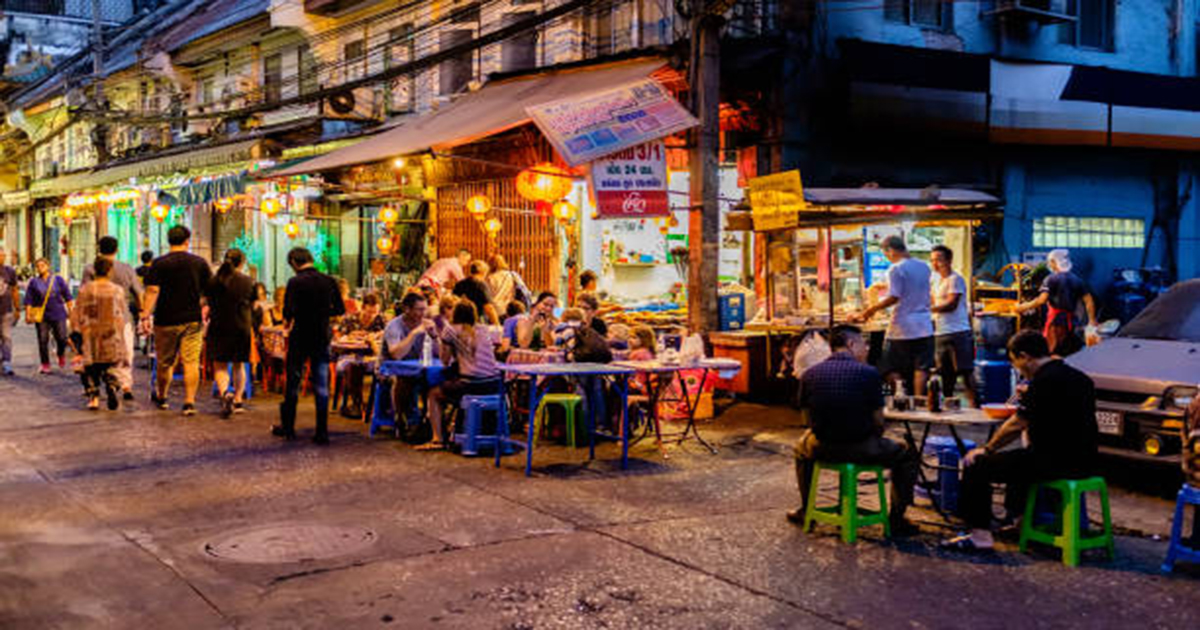
- Embrace the Chaos: Markets are loud, crowded, and often hectic. This is part of the fun!
- Eat Communally: Don’t be shy about sitting on a small plastic stool next to a stranger. This is where you might pick up travel tips, learn about the culture, or find out which cart has the best late-night snack.
- Stay Open-Minded: Some of the best discoveries are dishes you might never order in a restaurant. Trying healthy eating for beginners on the streets can involve selecting fresh produce and simply prepared proteins.
Conclusion
The world’s best street food offers more than just sustenance; it provides an authentic, sensory experience that connects you directly to the culture you are visiting. It’s an adventure for the palate and a masterclass in local flavor.
Whether you’re carefully managing your smart ways to manage personal finances on a long trip or just seeking a quick, authentic meal, the humble street vendor is your greatest ally. So next time you travel, skip the reservations and head straight for the smoke, the sizzle, and the happy crowds; that’s where the true flavors of the world await.
aViewFromTheCave is a participant in the Amazon Services LLC Associates Program, an affiliate advertising program designed to provide a means for sites to earn advertising fees by advertising and linking to Amazon.com. Amazon, the Amazon logo, AmazonSupply, and the AmazonSupply logo are trademarks of Amazon.com, Inc. or its affiliates. As an Amazon Associate we earn affiliate commissions from qualifying purchases.