
The question of “who created Tesla” is often met with a singular, high-profile answer: Elon Musk. However, from a brand strategy and corporate identity perspective, the answer is far more nuanced, involving a complex tapestry of visionary engineering, strategic litigation, and one of the most successful rebranding efforts in modern history. Understanding the origins of Tesla is not merely a history lesson in automotive manufacturing; it is a masterclass in how a brand can be built, pivoted, and eventually synonymous with an entire industry’s future.
Beyond the Single Founder Myth: The Genesis of the Tesla Brand
In the world of personal branding and corporate identity, the “founder story” is a potent asset. It provides the narrative arc that consumers and investors latch onto. For Tesla, this story began not with a billionaire’s tweet, but with two engineers in Silicon Valley who recognized a gap in the market that the established automotive giants were unwilling to fill.

Eberhard and Tarpenning: Building the Foundation
Tesla Motors was officially incorporated in July 2003 by Martin Eberhard and Marc Tarpenning. Their brand vision was clear: to prove that electric vehicles (EVs) did not have to be slow, unappealing golf carts. They sought to create a “computer on wheels” that prioritized performance and aesthetics. In these early days, the brand identity was rooted in engineering purity and environmental advocacy. Eberhard served as the original CEO, and his technical leadership was the primary driver behind the development of the Roadster’s initial prototypes.
The Elon Musk Inflection Point
In 2004, the nascent company required a significant capital infusion to move from concept to production. This led them to Elon Musk, who led the Series A investment round. While Musk was initially a financier and Chairman, his role quickly evolved into that of a brand architect. He realized that for Tesla to survive, it couldn’t just be a car company; it had to be a lifestyle and technology brand. Musk brought a sense of grandiosity and “First Principles” thinking that shifted the brand’s trajectory from a niche engineering project to a global disruptor.
The Legal and Cultural Battle for “Founder” Status
The evolution of Tesla’s brand identity was marked by internal friction. In 2009, a legal settlement was reached following a lawsuit by Martin Eberhard. The result was a definitive shift in the company’s corporate identity: five individuals—Elon Musk, J.B. Straubel, Martin Eberhard, Marc Tarpenning, and Ian Wright—were legally allowed to call themselves “founders.” This strategic move was essential for the brand’s continuity. It allowed Tesla to project a united front of visionary leadership, blending the original engineering pedigree with Musk’s aggressive growth strategy.
Leveraging the Legacy: Why the Name “Tesla” Defines the Brand
The selection of a brand name is perhaps the most critical decision in establishing a corporate identity. The choice of “Tesla” was a deliberate move to align the company with a specific set of values: intellectual brilliance, outsider status, and revolutionary science.
The Nikola Tesla Association: Intellectual Credibility
By naming the company after Nikola Tesla, the Serbian-American inventor of the alternating current (AC) motor, the founders tapped into an existing narrative of “the misunderstood genius.” Unlike Thomas Edison, who is often associated with corporate commercialism, Nikola Tesla represents pure scientific pursuit and visionary thinking. This association gave the Tesla brand immediate intellectual credibility and a “cool factor” that appealed to early adopters in the tech community. It positioned the company as the underdog fighting against a stagnant, “Edison-like” establishment of internal combustion engine (ICE) manufacturers.
Positioning Against the Internal Combustion Legacy
The brand identity of Tesla is defined as much by what it is not as by what it is. Most traditional car brands are named after their founders (Ford, Ferrari, Honda) or represent heritage and luxury (Mercedes-Benz). By choosing a name associated with electricity and the future, Tesla positioned itself outside the traditional automotive hierarchy. This branding strategy allowed the company to bypass the century-old baggage of the auto industry and present itself as a technology firm that happened to manufacture cars.
Brand Strategy: How Tesla Redefined Automotive Marketing
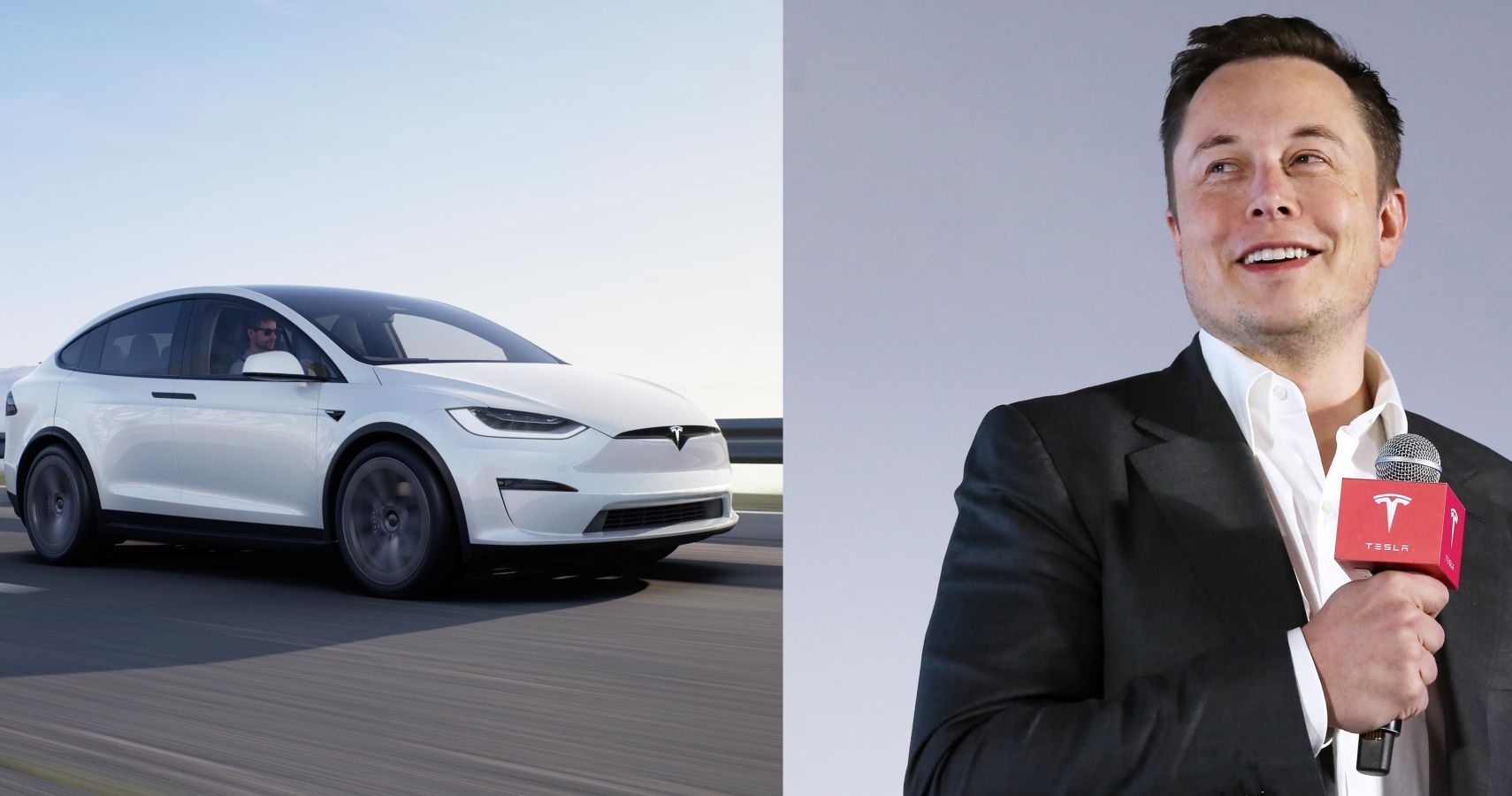
Traditional automotive brands spend billions of dollars on television commercials, print ads, and celebrity endorsements. Tesla’s brand strategy, however, famously involves a $0 marketing budget. This unconventional approach has become a core part of its corporate identity, reinforcing the idea that the product is so superior it sells itself.
The Zero-Dollar Marketing Budget
Instead of traditional advertising, Tesla relies on earned media, word-of-mouth, and the viral nature of its innovations. Every product launch is treated like a Silicon Valley keynote rather than a dealership unveiling. By focusing on “events” (like the Cybertruck reveal or the Falcon Heavy launch carrying a Tesla Roadster into space), the brand generates massive amounts of free global press. This strategy creates an aura of exclusivity and authenticity that traditional paid media cannot replicate.
Direct-to-Consumer: Disrupting the Dealership Brand Experience
One of the most significant pillars of Tesla’s brand strategy is its direct-to-consumer sales model. By eschewing the traditional franchised dealership network, Tesla maintains total control over the customer experience. This allows the brand to ensure that every touchpoint—from the minimalist showrooms in high-end malls to the mobile service technicians—reflects the company’s modern, tech-forward identity. This vertical integration of the brand experience builds deep trust and loyalty, as customers feel they are dealing directly with the “source” rather than a middleman.
The “Secret Master Plan” as a Brand Manifesto
In 2006, Elon Musk published a blog post titled “The Secret Tesla Motors Master Plan (just between you and me).” This document was a stroke of branding genius. It outlined a simple, four-step strategy:
- Build a sports car.
- Use that money to build an affordable car.
- Use that money to build an even more affordable car.
- While doing above, also provide zero-emission electric power generation options.
This transparency turned customers into participants in a mission. They weren’t just buying a car; they were funding a revolution. This “purpose-driven” branding is why Tesla maintains one of the highest brand loyalty scores in any industry.
The Cult of Personality vs. Corporate Identity
In modern branding, the line between a CEO’s personal brand and the company’s corporate identity is often blurred. For Tesla, this synergy is both its greatest strength and a significant strategic risk.
The CEO as the Ultimate Brand Asset
Elon Musk has become the personification of the Tesla brand. His personal brand—built on the pillars of risk-taking, futuristic thinking, and “memetic” communication—drives much of Tesla’s market perception. When people think of Tesla, they think of Musk’s vision for Mars, neural links, and sustainable energy. This “founder-led” brand strategy gives Tesla a human face that traditional, faceless corporations lack. It allows the company to communicate with its audience in a way that feels personal, urgent, and exciting.
Managing Brand Risk in the Era of Social Media
The flip side of a brand tied so closely to a single individual is the volatility it introduces. Any controversy surrounding the “face” of the brand inevitably reflects on the company. Over the years, Tesla’s corporate identity has had to weather various storms related to Musk’s social media presence and extracurricular business ventures. The challenge for Tesla’s long-term brand strategy is to eventually decouple the company’s identity from Musk’s personal antics, ensuring that the brand’s value is rooted in its products and mission rather than just its leader’s persona.
The Future of the Tesla Brand: Evolution or Dilution?
As Tesla moves from a niche luxury disruptor to a mass-market manufacturer, its brand identity faces a critical evolution. The “who” behind Tesla is no longer just the founders or the CEO; it is now a global community of millions of owners and enthusiasts.
From Niche Luxury to Mass Market Accessibility
The launch of the Model 3 and Model Y marked a transition for the Tesla brand. The challenge in this phase of brand strategy is maintaining the “premium” and “innovative” feel while producing vehicles at a massive scale. To combat brand dilution, Tesla has doubled down on its software ecosystem. Features like Full Self-Driving (FSD) beta and over-the-air (OTA) updates ensure that the brand remains synonymous with “the future,” even as the cars themselves become more common on city streets.

Maintaining the “Innovation” Tag in a Crowded Market
Today, every major automaker has an EV strategy. To maintain its brand dominance, Tesla must constantly redefine what it means to be an innovator. This is why the company has expanded its corporate identity into energy storage (Powerwall), solar (Solar Roof), and artificial intelligence (Optimus robot). By positioning itself as an AI and robotics company rather than just a car company, Tesla ensures that its brand remains at the cutting edge of technology, far ahead of traditional automotive competitors.
In conclusion, “who created Tesla” is a question with a multifaceted answer. While the foundational work was done by Eberhard and Tarpenning, the brand we recognize today—the disruptive, mission-driven, tech-centric titan—was forged through the strategic vision of Elon Musk and a team of early innovators. Tesla’s success is a testament to the power of a cohesive brand strategy that combines a compelling origin story, a powerful name, and a mission that transcends the product itself. Tesla didn’t just create a car; it created a new category of corporate identity that continues to lead the global conversation on innovation.
aViewFromTheCave is a participant in the Amazon Services LLC Associates Program, an affiliate advertising program designed to provide a means for sites to earn advertising fees by advertising and linking to Amazon.com. Amazon, the Amazon logo, AmazonSupply, and the AmazonSupply logo are trademarks of Amazon.com, Inc. or its affiliates. As an Amazon Associate we earn affiliate commissions from qualifying purchases.