
In the modern financial landscape, few tickers command as much attention as NVDA. When investors ask, “How much is NVIDIA stock?” they are rarely just looking for the intraday price displayed on a brokerage app. Instead, they are asking a much more complex question: What is the underlying value of a company that has become the bedrock of the artificial intelligence revolution? As of the current market cycle, NVIDIA has transitioned from a niche hardware manufacturer for gamers into a global economic titan, often rivaling the market capitalization of companies like Apple and Microsoft.
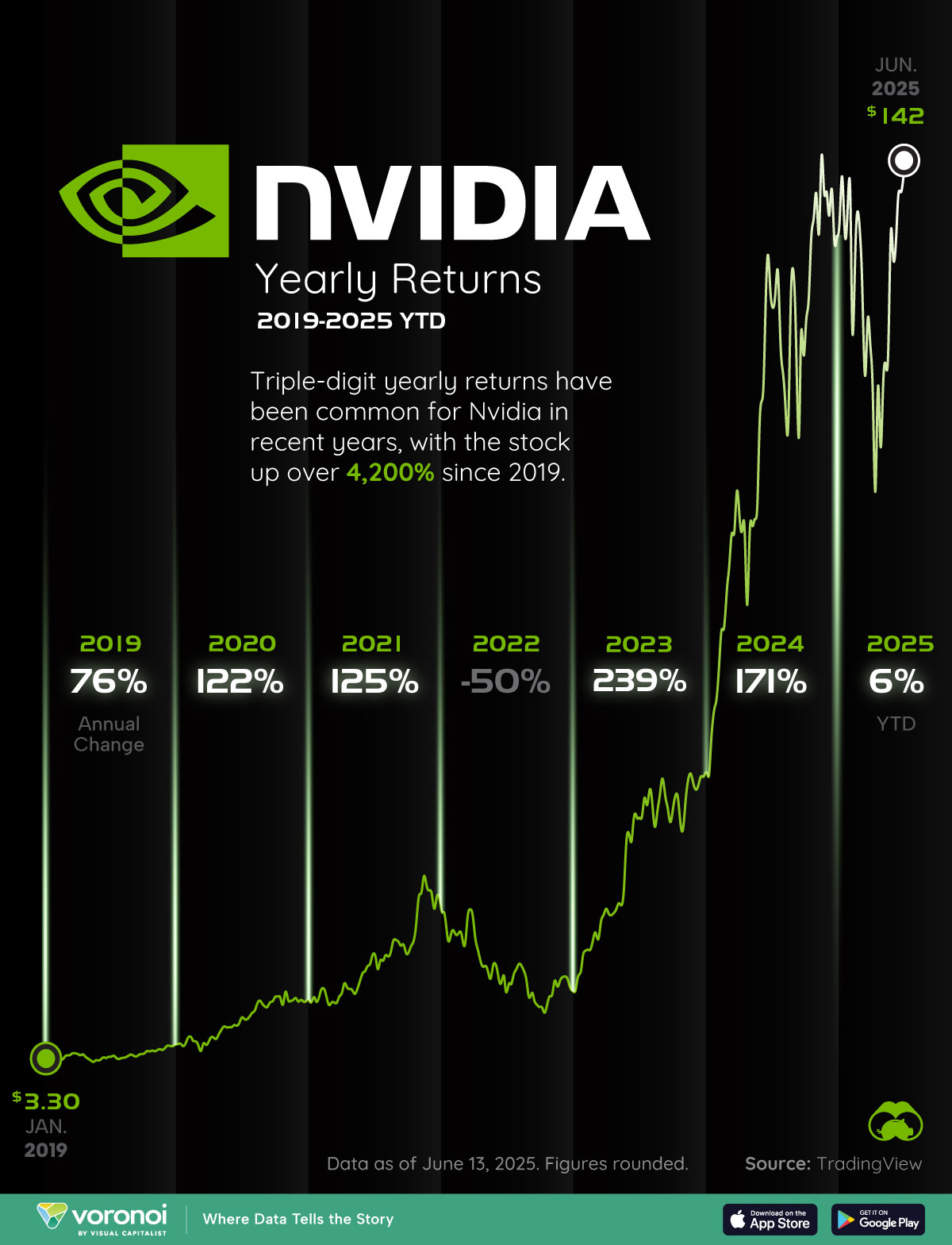
To understand the price of NVIDIA today, one must look beyond the ticker symbol and analyze the convergence of unprecedented demand, high-margin fiscal performance, and the macroeconomic shifts that govern the semiconductor industry. This article explores the financial health of NVIDIA, the metrics that justify its premium valuation, and the strategic considerations for any investor looking to enter or expand their position.
The Anatomy of the NVDA Stock Price: Beyond the Daily Ticker
The daily price of NVIDIA is a reflection of global sentiment regarding the future of computing. To understand why the stock carries its current price tag, we must first look at its market capitalization and its weight within major indices like the S&P 500 and the Nasdaq-100.
Market Capitalization and Index Influence
NVIDIA’s ascent into the multi-trillion-dollar club is not merely a vanity metric; it fundamentally changes how the stock behaves. Because it represents such a significant portion of major exchange-traded funds (ETFs), the “price” of NVIDIA is often buoyed by passive investment flows. When an investor buys a total market fund, they are inadvertently buying a significant stake in NVIDIA. This institutional support provides a level of liquidity and price stability that few other stocks enjoy, though it also means that volatility in the tech sector can disproportionately affect NVIDIA’s daily valuation.
Historical Price Context and Stock Splits
When evaluating “how much” the stock costs, historical context is vital. NVIDIA has famously utilized stock splits—most recently a 10-for-1 split—to keep its share price accessible to retail investors. While a split does not change the fundamental value of the company, it increases the number of shares outstanding and lowers the entry price per share. This psychological pricing strategy often leads to increased trading volume, as it allows smaller investors to participate in the growth of the company without needing to utilize fractional shares.
Financial Indicators and Fundamental Strength
A stock’s price is a function of its earnings power. For NVIDIA, the financial metrics over the last several quarters have been nothing short of historic. To determine if the current price is “expensive” or “fair,” investors must dive into the company’s balance sheet and income statements.
Revenue Growth and Data Center Dominance
The primary driver of NVIDIA’s stock price is its Data Center revenue. In recent fiscal years, this segment has seen triple-digit percentage growth. This is the “Money” story of the decade: NVIDIA has moved from selling $500 graphics cards to individual consumers to selling $30,000+ H100 and Blackwell systems to the world’s largest enterprises. The sheer scale of these contracts means that NVIDIA’s top-line revenue is growing at a rate rarely seen in companies of this size.
Profit Margins and Earnings Per Share (EPS)
A high stock price is sustainable only if the company is profitable. NVIDIA boasts gross margins that are the envy of the manufacturing world—often exceeding 70%. In the semiconductor industry, where capital expenditure is high, maintaining such margins is a testament to NVIDIA’s “moat.” When analyzing the price, investors focus on the Forward Price-to-Earnings (P/E) ratio. If NVIDIA’s earnings growth outpaces its price growth, the stock may actually be “cheaper” today on a relative basis than it was years ago, even if the absolute dollar amount per share is higher.
Free Cash Flow and Capital Return
How much the stock is worth is also tied to what the company does with its cash. NVIDIA has generated massive amounts of free cash flow, which it uses for strategic acquisitions, research and development, and returning value to shareholders through buybacks. Share repurchase programs effectively reduce the supply of shares, which can put upward pressure on the stock price, making it a key metric for long-term “Money” focused investors.
The Catalysts for Growth: What Drives the Price Upward?
When assessing the future trajectory of NVIDIA’s stock price, one must look at the catalysts that could drive the valuation even higher. The market is forward-looking, meaning the current price reflects not what NVIDIA did yesterday, but what it is expected to do over the next five to ten years.

The AI Infrastructure Supercycle
We are currently in the midst of a massive capital expenditure (CapEx) cycle. Cloud Service Providers (CSPs) like Amazon, Google, and Microsoft are spending billions of dollars to build out AI-ready data centers. NVIDIA is the primary beneficiary of this spend. As long as the “Big Tech” players continue to view AI as an existential race, the demand for NVIDIA’s chips remains high, supporting a robust stock price.
Software Integration and Ecosystem Lock-in
NVIDIA isn’t just a hardware company; its CUDA software platform is a critical component of its valuation. Developers are trained on NVIDIA’s ecosystem, creating a “sticky” relationship that makes it difficult for competitors to steal market share. From a business finance perspective, this creates high switching costs for customers, ensuring a steady stream of recurring-style revenue that justifies a premium stock price.
Risks and Market Headwinds: The Volatility Factor
No investment analysis is complete without acknowledging the risks that could cause the stock price to retreat. Even the strongest companies face “Money” risks that are often outside of their direct control.
Cyclicality and Overcapacity
The semiconductor industry has historically been cyclical—characterized by “boom and bust” periods. There is always a risk that the current surge in AI demand could lead to oversupply. If the major tech firms realize they have over-purchased chips before they have found a way to monetize their AI services, NVIDIA’s revenue could plateau, leading to a significant correction in the stock price.
Regulatory and Geopolitical Risks
Because NVIDIA is a global leader, it is a frequent target of trade regulations. Export controls, particularly concerning shipments to China, can have a multi-billion dollar impact on NVIDIA’s bottom line. Additionally, any disruption in the supply chain—specifically regarding TSMC in Taiwan, where NVIDIA chips are manufactured—poses a systemic risk to the stock price.
Strategic Approaches for Investors: How to Buy NVDA
Knowing “how much” NVIDIA stock is today is only the first step. The second step is determining how to integrate it into a personal finance strategy.
Dollar-Cost Averaging (DCA)
Given NVIDIA’s historical volatility, many financial advisors recommend a Dollar-Cost Averaging approach. Instead of buying a large lump sum at a potential peak, investors can commit to buying a set dollar amount every month. This strategy lowers the average cost per share over time and mitigates the risk of a sudden market downturn.
Valuation-Based Entry Points
For more active investors, watching for “pullbacks” to key technical levels—such as the 50-day or 200-day moving average—can provide better entry points. When a high-growth stock like NVIDIA experiences a 10-15% correction, it is often viewed by institutional “Money” managers as a “buy the dip” opportunity, provided the underlying fundamentals remain unchanged.
Portfolio Allocation and Diversification
While it is tempting to go “all in” on a winner, prudent business finance dictates that no single stock should dominate a portfolio to the point of extreme risk. Most experts suggest that even a high-conviction stock like NVIDIA should be balanced with other sectors, such as healthcare, consumer staples, or fixed-income assets, to protect against a tech-specific crash.
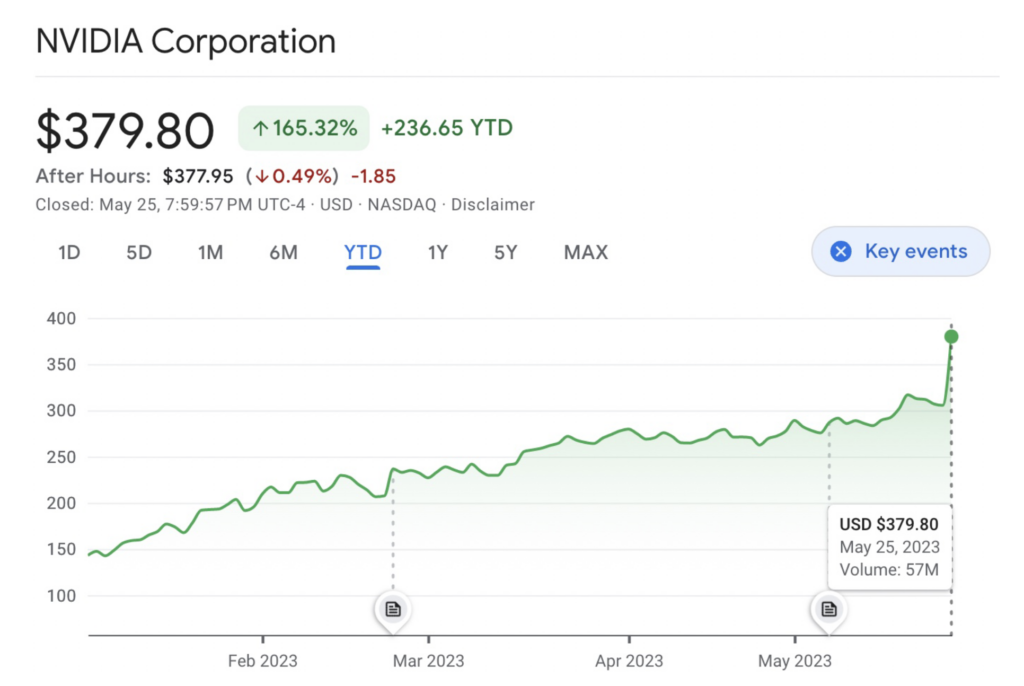
Conclusion: The Price of the Future
In conclusion, when you ask “how much is NVIDIA stock,” you are looking at the price of the world’s most advanced computational engine. The stock price is a reflection of a company that has successfully positioned itself at the center of the most significant technological shift since the dawn of the internet.
While the dollar amount of a single share may fluctuate based on daily news cycles and interest rate changes, the true value of NVIDIA lies in its earnings power, its massive profit margins, and its role as the indispensable architect of the AI era. For the “Money” focused investor, NVIDIA represents a unique blend of growth and institutional stability—a stock that requires careful monitoring but offers the potential for significant long-term wealth creation. As with any investment, the key is to stay informed, understand the metrics, and maintain a disciplined strategy that aligns with your individual financial goals.
aViewFromTheCave is a participant in the Amazon Services LLC Associates Program, an affiliate advertising program designed to provide a means for sites to earn advertising fees by advertising and linking to Amazon.com. Amazon, the Amazon logo, AmazonSupply, and the AmazonSupply logo are trademarks of Amazon.com, Inc. or its affiliates. As an Amazon Associate we earn affiliate commissions from qualifying purchases.