
The question “what’s the interest rate today?” is one of the most consequential queries in the world of personal finance. While it sounds like a simple request for a single number, the answer is a complex tapestry woven from central bank policies, inflationary pressures, and global economic health. Whether you are a first-time homebuyer, a seasoned investor, or someone simply trying to grow a modest savings account, the prevailing interest rate environment dictates the “cost of money.” In a high-rate environment, borrowing becomes an expensive burden, while saving becomes a rewarding endeavor. Conversely, when rates are low, cheap capital fuels expansion and spending, but leaves savers searching for yield.
Understanding where interest rates stand today requires more than just checking a ticker on a financial news site. It requires an understanding of the mechanisms that move these numbers and how those movements trickle down into your daily financial life. This article explores the current state of interest rates, the forces behind them, and the strategic maneuvers you can make to protect and grow your wealth.
The Architect of Rates: Understanding the Federal Reserve and Macroeconomic Drivers
To understand today’s interest rates, one must first look at the “lender of last resort”—the Federal Reserve (or the relevant central bank in your jurisdiction). The most critical figure in the American economy is the Federal Funds Rate. This is the interest rate at which commercial banks borrow and lend their excess reserves to each other overnight. While the average consumer does not borrow at this rate, it serves as the foundation upon which all other consumer interest rates are built.
The Role of the Federal Open Market Committee (FOMC)
The FOMC meets several times a year to assess the health of the economy. Their primary mandate is dual: to maintain price stability (control inflation) and to promote maximum sustainable employment. When inflation rises above the target 2% threshold, the Fed typically raises the federal funds rate to “cool” the economy. By making borrowing more expensive, they reduce the amount of money circulating, which helps to lower the prices of goods and services. Conversely, in a stagnant economy, they lower rates to encourage spending and investment.
Inflation and the “Real” Interest Rate
When you ask about the interest rate today, you must also consider inflation to find the “real” interest rate. If a high-yield savings account offers a 5% interest rate, but inflation is running at 4%, your real rate of return is only 1%. Understanding this distinction is vital for long-term wealth preservation. In recent years, the aggressive pursuit of lower inflation has led to a “higher-for-longer” interest rate environment, which has fundamentally shifted how individuals approach debt and investment.
The Impact on Borrowing: Mortgages, Auto Loans, and Credit Cards
For the average consumer, the most immediate impact of shifting interest rates is felt in their borrowing power. When the federal funds rate moves, the “Prime Rate”—the base rate that banks charge their most creditworthy corporate customers—moves in tandem. This, in turn, influences the APR (Annual Percentage Rate) on everything from your credit card to your next car loan.
Navigating the Mortgage Market
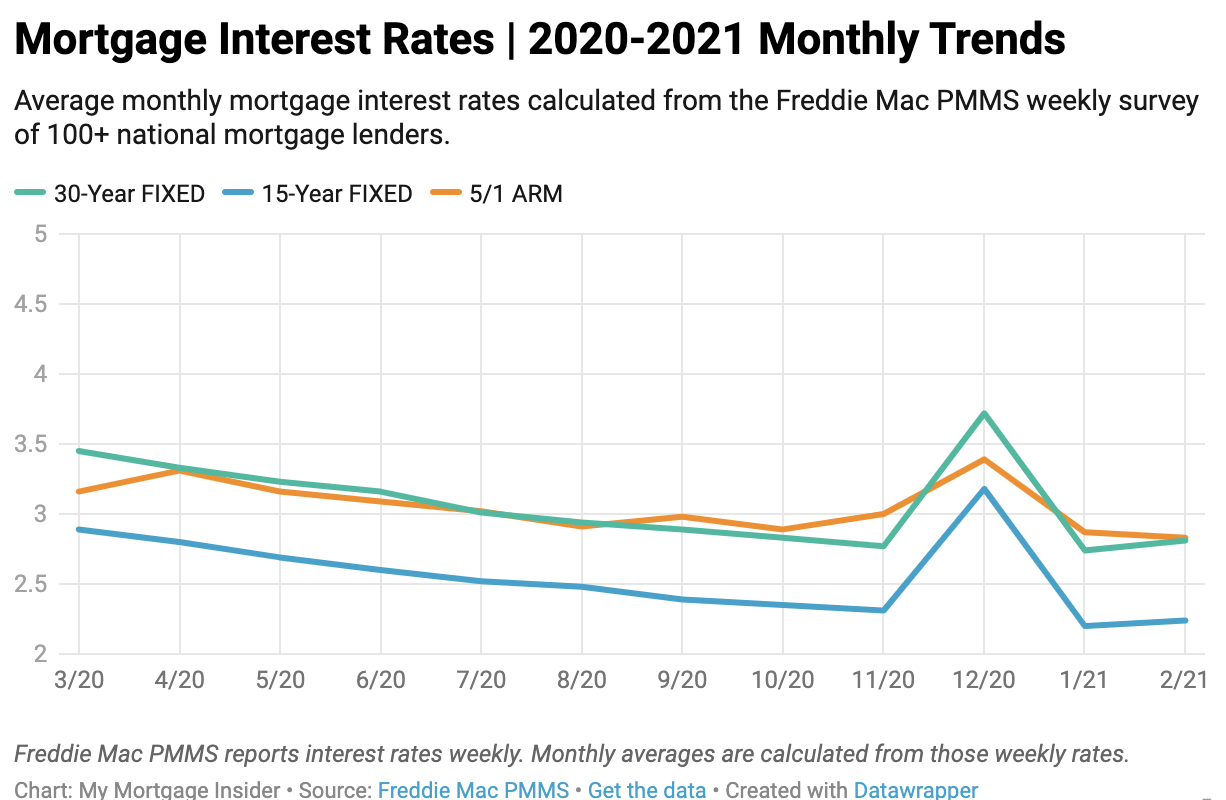
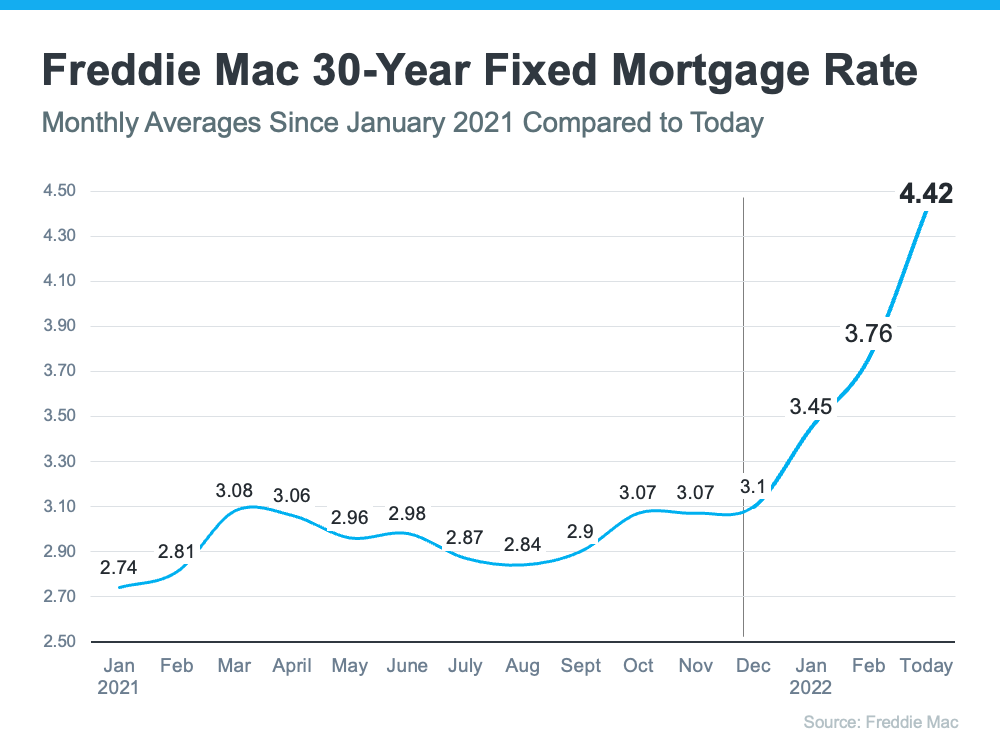
The housing market is perhaps the most sensitive sector to interest rate fluctuations. Most 30-year fixed-rate mortgages are closely tied to the yield on the 10-year Treasury note. When rates are high, the monthly payment on a median-priced home can increase by hundreds or even thousands of dollars compared to a low-rate environment. This creates a “lock-in effect,” where homeowners are reluctant to sell because they do not want to trade their existing 3% mortgage for a new 7% one. For buyers today, the strategy often shifts toward “marrying the house and dating the rate,” with the hope of refinancing when rates eventually decline.
The Rising Cost of Consumer Debt
Credit cards and personal loans are often tied to variable rates. Unlike a fixed-rate mortgage, the interest on these products can climb almost immediately following a Fed rate hike. In a high-rate climate, carrying a balance on a credit card becomes exponentially more dangerous. The interest compounds on a larger base, leading to a debt spiral that is difficult to escape. Financial advisors today emphasize aggressive debt repayment—specifically targeting high-interest revolving debt—as the most effective “investment” one can make, as it provides a guaranteed “return” equal to the interest rate saved.
The Silver Lining for Savers: Maximizing Yield in a High-Rate Climate
While high interest rates are a headwind for borrowers, they are a significant tailwind for savers. For over a decade following the 2008 financial crisis, interest rates remained near zero, leaving savers with virtually no return on their cash holdings. Today, the landscape is entirely different, offering opportunities that haven’t been seen in nearly twenty years.
The Rise of High-Yield Savings Accounts (HYSAs) and Money Market Funds
Traditional brick-and-mortar banks are often slow to raise the interest rates they pay on savings accounts. However, online-only banks and fintech platforms have engaged in a “rate war” to attract deposits. Today, a High-Yield Savings Account (HYSA) can offer rates significantly higher than the national average. Similarly, Money Market Funds—which invest in short-term debt instruments—have become a popular haven for investors looking for liquidity and safety without sacrificing yield.
Locking in Returns with Certificates of Deposit (CDs) and Bonds
For those who do not need immediate access to their cash, Certificates of Deposit (CDs) allow you to “lock in” today’s high rates for a set period, ranging from a few months to several years. This is a defensive strategy against falling rates; if the Fed decides to cut rates in the future, your CD will continue to pay the higher agreed-upon rate. Furthermore, government bonds and Treasury bills have returned as viable components of a balanced portfolio, providing a predictable income stream that helps offset the volatility of the stock market.
Strategic Asset Allocation in a Fluctuating Interest Rate Environment
When interest rates are in flux, your overall investment strategy must adapt. The relationship between interest rates and asset prices is generally inverse: when rates go up, the present value of future cash flows goes down, often leading to a cooling of stock market valuations, particularly in growth and tech sectors.
Reassessing the 60/40 Portfolio
The traditional “60% stocks, 40% bonds” portfolio was challenged during the low-rate era because bonds provided so little income. In today’s environment, the “40%” side of the portfolio is working again. Higher yields mean that bonds can once again act as a true cushion against equity volatility. Investors are now looking at “duration”—the sensitivity of a bond’s price to interest rate changes—more closely than they have in decades.
Real Estate and Alternative Investments
In a high-interest-rate world, the valuation of real estate is pressured by higher cap rates. Investors must be more selective, focusing on properties with strong cash-flow potential rather than relying on cheap financing and rapid appreciation. Additionally, alternative investments like private credit have gained traction, as they can offer floating-rate returns that increase alongside market interest rates, providing a natural hedge for institutional and sophisticated individual investors.
Looking Ahead: How to Prepare for the Future of Rates
Predicting the exact movement of interest rates is notoriously difficult, even for professional economists. However, staying informed about economic indicators—such as the Consumer Price Index (CPI) and employment reports—can give you a head start on where rates might be heading.
Building a Financial Buffer
The best defense against interest rate volatility is a robust financial buffer. This includes maintaining an emergency fund in a liquid, high-yield account and keeping your debt-to-income ratio low. When you aren’t forced to borrow at high rates, you maintain the flexibility to pivot your strategy when the economic tide turns.

The Importance of Flexibility
Financial planning today requires a “barbell” approach: staying liquid enough to take advantage of short-term high yields while being positioned to capture long-term growth. Whether rates stay “higher for longer” or begin a slow descent, the key is to avoid being caught off guard. Periodically reviewing your mortgage, your credit card APRs, and your savings yields ensures that you are always on the right side of the interest rate equation.
In conclusion, “the interest rate today” is more than just a percentage point; it is a reflection of the global economy’s pulse. By understanding how these rates are set and how they influence your borrowing and saving, you can move from being a passive observer to an active manager of your financial destiny. In the world of money, knowledge isn’t just power—it’s profit.
aViewFromTheCave is a participant in the Amazon Services LLC Associates Program, an affiliate advertising program designed to provide a means for sites to earn advertising fees by advertising and linking to Amazon.com. Amazon, the Amazon logo, AmazonSupply, and the AmazonSupply logo are trademarks of Amazon.com, Inc. or its affiliates. As an Amazon Associate we earn affiliate commissions from qualifying purchases.