
In the world of personal and business finance, few variables exert as much influence as interest rates. Often referred to as the “price of money,” interest rates dictate the cost of borrowing and the reward for saving. After a decade of historically low rates, the global economic landscape has shifted dramatically, characterized by aggressive monetary tightening and a “higher-for-longer” sentiment from central banks. Understanding where current interest rates stand and why they are moving is essential for anyone looking to buy a home, expand a business, or optimize an investment portfolio.
The Mechanics of Modern Interest Rates
To understand current rates, one must look at the source: central banks. In the United States, the Federal Reserve (the Fed) sets the Federal Funds Rate, which serves as the benchmark for almost all other interest rates in the economy.
The Federal Reserve and the Federal Funds Rate
The Federal Funds Rate is the interest rate at which commercial banks lend to each other overnight. While the average consumer does not borrow at this rate, it acts as the foundation for the Prime Rate—the rate banks charge their most creditworthy corporate customers. When the Fed raises its benchmark rate to combat inflation, the cost of capital increases across the board. In recent cycles, we have seen the Fed maintain a target range between 5.25% and 5.50%, a stark contrast to the near-zero rates seen during the pandemic era.
How Central Bank Decisions Ripple Through the Economy
The transmission of interest rate policy is not instantaneous but is incredibly thorough. When the benchmark rate rises, banks increase the Annual Percentage Yield (APY) on savings accounts and the Annual Percentage Rate (APR) on loans. This mechanism is designed to cool an overheating economy by making borrowing more expensive, thereby reducing consumer spending and business investment. Conversely, when the economy slows, central banks lower rates to stimulate activity.
The Relationship Between Inflation and Interest Rates
The primary driver of current high interest rates is the battle against inflation. Central banks have a “dual mandate”: to promote maximum employment and stable prices. When the Consumer Price Index (CPI) spiked due to supply chain disruptions and increased money supply, the Fed responded by hiking rates. High interest rates are the “brake” on the economy; by making it more expensive to finance a car or a new factory, the central bank reduces the total demand for goods and services, which eventually brings prices down.
Impact on Personal Borrowing: Mortgages, Auto Loans, and Credit Cards
For the average individual, the most immediate impact of current interest rates is felt in the monthly budget. Borrowing has become significantly more expensive than it was just a few years ago.
Navigating the Housing Market in a High-Rate Environment
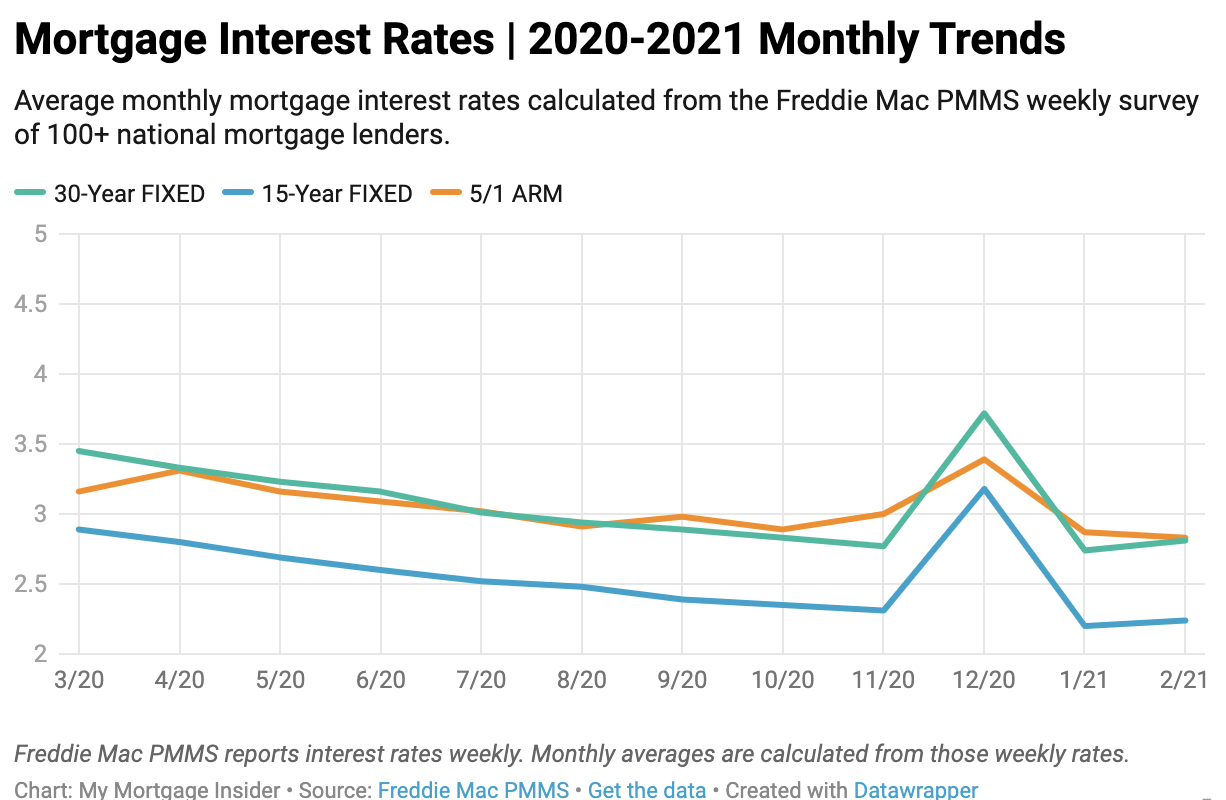
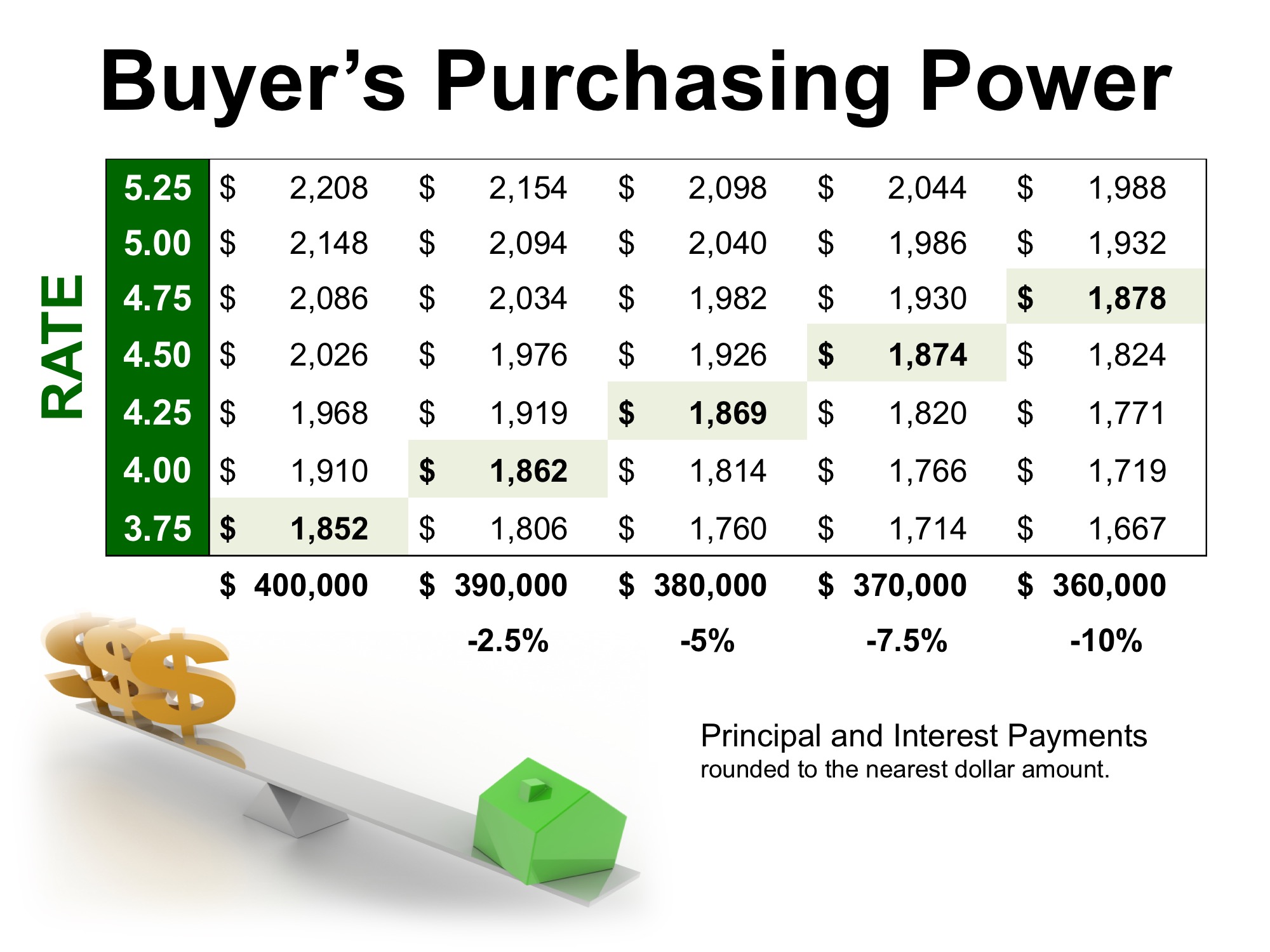
Perhaps no sector is more sensitive to interest rates than real estate. The 30-year fixed-rate mortgage, once available at sub-3% levels, has fluctuated between 6.5% and 8% in the current market. This shift has a massive impact on purchasing power. For example, a $400,000 mortgage at 3% results in a monthly principal and interest payment of roughly $1,686. At 7%, that same loan jumps to approximately $2,661. This “lock-in effect” has also discouraged current homeowners with low rates from selling, leading to decreased inventory and sustained high home prices.
Managing High-Interest Credit Card Debt
Credit card interest rates are typically variable and tied directly to the Prime Rate. As the Fed raised rates, credit card APRs soared, with many now exceeding 20% or even 25%. For consumers carrying a balance, this creates a compounding debt trap. In the current environment, financial advisors emphasize the “avalanche method”—prioritizing payments on the highest-interest debt first—as the most effective way to preserve personal wealth.

Strategies for Refinancing and Consolidation
While rates are high, there are still strategic moves available for borrowers. Debt consolidation loans, which might offer a rate lower than a credit card (though higher than a mortgage), can help streamline payments. Furthermore, many borrowers are currently opting for Adjustable-Rate Mortgages (ARMs) with the hope of refinancing into a fixed-rate loan when the Fed eventually begins its easing cycle. However, this strategy carries the risk that rates may remain elevated longer than anticipated.
The Silver Lining: Maximizing Returns on Savings and Investments
While high interest rates are a burden for borrowers, they represent a golden age for savers and fixed-income investors. For the first time in over a decade, “sitting on cash” is a viable financial strategy.
High-Yield Savings Accounts (HYSA) and CDs
The era of 0.01% interest on traditional savings accounts is over for those who look toward online banks and credit unions. High-Yield Savings Accounts (HYSAs) are currently offering rates between 4% and 5.5%. Similarly, Certificates of Deposit (CDs) have become attractive tools for locking in high rates for a set period. For an investor with a low risk tolerance, a 12-month CD at 5% provides a guaranteed return that keeps pace with or exceeds current inflation, a feat that was nearly impossible five years ago.
Treasury Bonds and Fixed-Income Assets
Government bonds, particularly U.S. Treasuries, have seen a resurgence in popularity. Series I Savings Bonds (I Bonds) became a household name when their inflation-adjusted yields spiked. Additionally, Treasury Bills (T-Bills) with short-term maturities are offering yields that rival the stock market’s historical averages, but with significantly less volatility. This has led to a “flight to quality,” where investors move capital out of speculative stocks and into the safety of government-backed debt.
How Rising Rates Influence the Stock Market
The relationship between interest rates and the stock market is generally inverse. When rates rise, the “discount rate” used by analysts to value future earnings also rises, which can lower the current valuation of stocks—especially growth and tech stocks that rely on future profits. However, the current market has shown resilience. Companies with strong balance sheets and high cash reserves are actually benefiting from higher rates, as they earn more interest on their holdings. Investors must now be more discerning, focusing on “value” and “quality” rather than speculative growth.
Future Outlook: When Will Rates Finally Drop?
The most common question in the financial world today is: “When will the Fed pivot?” The answer depends on a complex interplay of economic indicators.
Analyzing Economic Indicators: CPI and Employment Data
The Fed remains “data-dependent.” This means they are looking for two specific trends: a sustained return of inflation toward their 2% target and a cooling of the labor market. If the Consumer Price Index (CPI) remains sticky or if the job market stays too “hot” (leading to wage-price spirals), the Fed is likely to keep rates elevated. Conversely, if unemployment begins to rise significantly, the Fed may be forced to cut rates to prevent a deep recession.
Expert Predictions for the Next 12–24 Months
Most market analysts expect a gradual decline in interest rates starting in late 2024 or 2025, but they caution that we are unlikely to return to the “zero-bound” era. The new “neutral rate”—the rate that neither stimulates nor restrains the economy—is likely higher than it was pre-pandemic. This suggests that while mortgage and auto loan rates may soften, the days of 2% mortgages are likely a thing of the past.
Financial Strategies for a High-Rate World
In this environment, the best financial strategy is one of balance and liquidity.
- Build a Resilient Emergency Fund: With HYSAs offering great returns, there is no excuse not to have 3–6 months of expenses in a liquid, interest-bearing account.
- Prioritize Debt Repayment: Paying down a credit card with a 22% APR is the equivalent of a guaranteed 22% return on your investment.
- Ladder Your Investments: If using CDs or Bonds, “ladder” your maturities (e.g., buying 3-month, 6-month, and 12-month instruments) so that you always have cash becoming available to reinvest if rates continue to climb or to pivot if they fall.
In conclusion, current interest rates represent a fundamental shift in the global financial paradigm. While the cost of debt has increased, the opportunity for disciplined savers to grow their wealth through low-risk instruments has never been better in the modern era. By staying informed on central bank policy and adjusting borrowing and saving habits accordingly, individuals and businesses can navigate these fluctuations with confidence and strategic foresight.
aViewFromTheCave is a participant in the Amazon Services LLC Associates Program, an affiliate advertising program designed to provide a means for sites to earn advertising fees by advertising and linking to Amazon.com. Amazon, the Amazon logo, AmazonSupply, and the AmazonSupply logo are trademarks of Amazon.com, Inc. or its affiliates. As an Amazon Associate we earn affiliate commissions from qualifying purchases.