
In the modern economy, the price of a service is rarely static. Whether you are paying for electricity, booking a cross-country flight, or taking a train to a business meeting, the cost is often determined not just by what you are buying, but when you are buying it. This concept, known as time-of-use pricing or dynamic pricing, divides the day, week, and year into “peak” and “off-peak” periods.
Understanding these cycles is one of the most effective ways to optimize personal and business finances. By shifting high-energy or high-cost activities to off-peak hours, consumers and business owners can realize significant savings without sacrificing the quality of the services they receive. This guide explores the financial mechanics of peak and off-peak timing across various sectors and provides a roadmap for leveraging these schedules to improve your bottom line.
Understanding the Financial Impact of Time-of-Use Economics
To master your finances, you must first understand why “peak” and “off-peak” times exist. At its core, this is a matter of supply and demand. Service providers—whether they are utility companies, transit authorities, or service platforms—have a finite capacity. During times of high demand, the “peak,” the infrastructure is stressed. To manage this stress, providers raise prices to discourage unnecessary use and to cover the higher costs of sourcing additional supply.
Conversely, during “off-peak” times, demand drops significantly. Infrastructure sits idle, and providers offer lower rates to incentivize usage and balance the load. For the financially savvy individual, these fluctuations represent a significant opportunity for “financial arbitrage”—moving consumption from expensive periods to cheaper ones.
The Core Concept: Supply vs. Demand
In the energy sector, for example, peak hours usually coincide with the time when most people return from work, turn on their lights, cook dinner, and run HVAC systems. Because the grid can only handle so much load, utility companies must often engage “peaker plants”—expensive, less efficient power sources—to meet the surge. The higher cost of this energy is passed directly to the consumer. By identifying when these surges occur, you can avoid the “convenience tax” associated with high-demand windows.
Why Providers Use Tiered Pricing
Tiered pricing isn’t just about profit; it is a behavioral economic tool. By creating a wide price gap between peak and off-peak, providers encourage a more efficient society. From a personal finance perspective, ignoring these tiers is akin to leaving money on the table. In many regions, the price difference between peak and off-peak electricity can be as much as 200% to 300%. Over a fiscal year, these margins add up to thousands of dollars in potential savings or unnecessary expenses.
Electricity and Energy: Navigating Peak Hours to Lower Monthly Bills
For most households and small businesses, the most immediate impact of peak and off-peak timing is seen in the monthly utility bill. As smart meters become the global standard, more utility companies are moving away from flat-rate billing toward time-of-use (TOU) plans.
Identifying Peak, Mid-Peak, and Off-Peak Windows
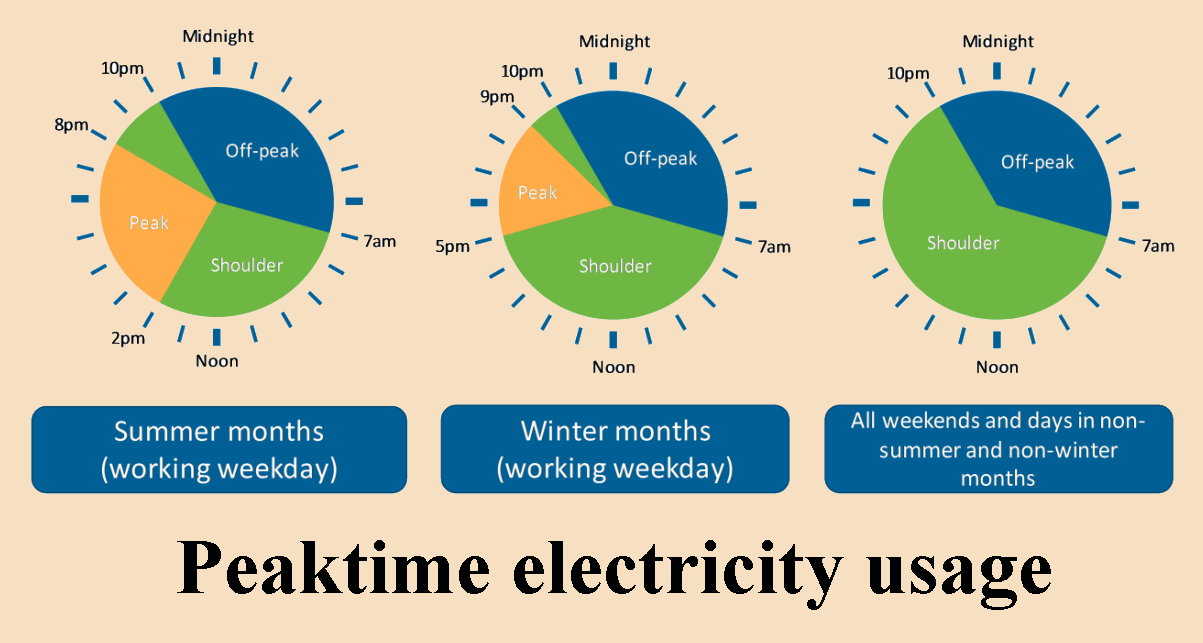
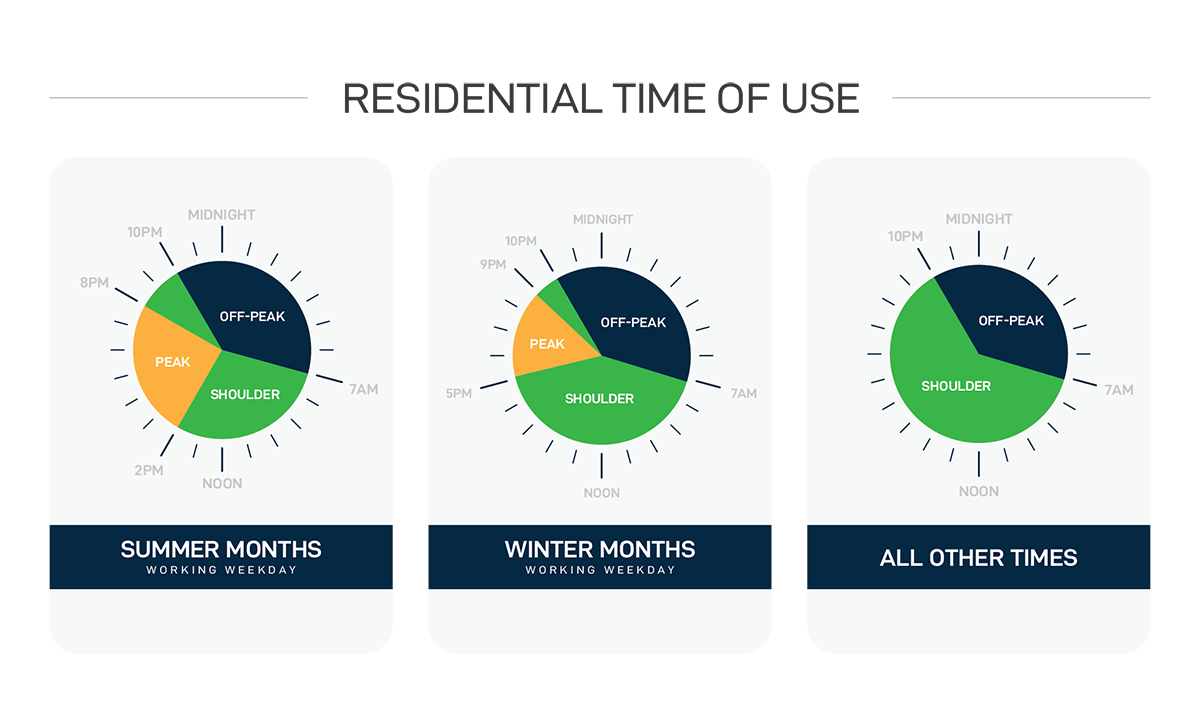
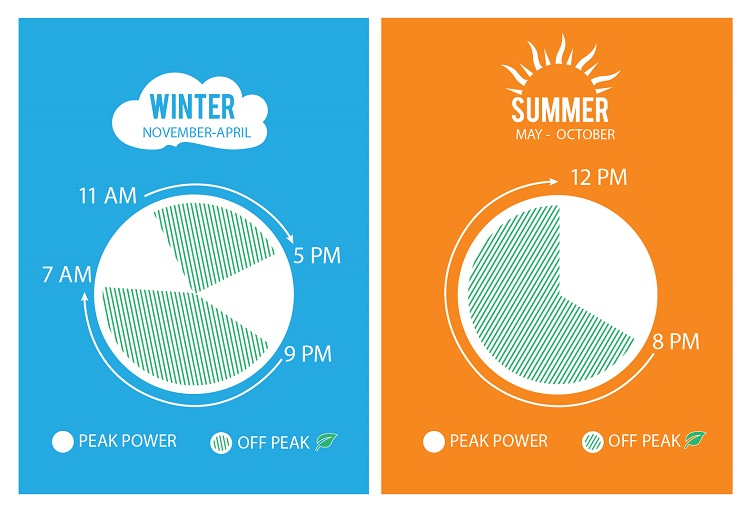
While specific times vary by provider and geography, a general pattern exists. Peak hours typically occur on weekdays, specifically in the late afternoon and early evening (often between 4:00 PM and 9:00 PM). This is when the strain on the electrical grid is highest.
Mid-peak hours often occur during the morning or early afternoon when business activity is high but residential demand has not yet spiked. Off-peak hours almost always include late nights (typically 10:00 PM to 6:00 AM) and entire weekends or holidays. During these windows, the cost per kilowatt-hour (kWh) is at its lowest.
Strategies for Energy Arbitrage at Home
To capitalize on these lower rates, one must adopt a strategy of “load shifting.” This involves scheduling high-energy tasks to occur exclusively during off-peak hours.
- Major Appliances: Running dishwashers, clothes dryers, and washing machines after 10:00 PM can slash the cost of those cycles by half.
- Climate Control: In the summer, “pre-cooling” a home during the off-peak morning hours and then raising the thermostat during the 4:00 PM to 9:00 PM peak can significantly reduce cooling costs.
- Electric Vehicle (EV) Charging: For EV owners, charging during the peak window is a major financial pitfall. Most modern EVs allow owners to program a charging schedule, ensuring the car only draws power during the cheapest midnight window.
The Role of Smart Meters and Automated Scheduling
The shift to a peak/off-peak mindset is made easier by financial tools and technology. Smart home hubs can be programmed to disable high-draw appliances during peak windows automatically. From a business finance perspective, investing in these automated systems provides a high Return on Investment (ROI) by ensuring that the organization never accidentally pays peak rates for non-essential processes.
Transportation and Travel: Optimizing Your Commute and Vacation Budgets
Timing is equally critical in the world of transportation. Whether it is a daily train commute or an annual family vacation, the difference between peak and off-peak pricing can be the difference between a balanced budget and a deficit.
Rail and Public Transit: The High Cost of the Rush Hour
Most major metropolitan transit systems employ peak pricing for commuters. Peak fares usually apply to trains and buses arriving in city centers before 9:30 AM and departing between 4:00 PM and 7:00 PM. For a daily commuter, switching to an off-peak train—even just 30 minutes later—can result in substantial weekly savings. Furthermore, many rail providers offer “Super Off-Peak” tickets for travel during the quietest times of the day, such as mid-morning or late at night, which are ideal for non-essential business travel or personal trips.
Airfare and Hospitality: Peak Seasons vs. Shoulder Periods
In the travel industry, “peak” refers to entire seasons or weeks rather than just hours of the day. Travel during the “Peak Season” (holidays, school breaks, and mid-summer) carries a massive premium.
The savvy investor in their own leisure looks for the “Shoulder Season”—the period between peak and off-peak. For example, traveling in late September or early May often provides the same weather and experience as peak months but at a fraction of the cost for flights and hotels. Additionally, flying on “off-peak days” (Tuesdays and Wednesdays) is almost always cheaper than flying on Fridays or Sundays.
Ride-Sharing and Dynamic Pricing Models
Services like Uber and Lyft have popularized “Surge Pricing,” which is a real-time manifestation of peak demand. Understanding the local “micro-peaks”—such as immediately after a concert ends or during a sudden rainstorm—can help you avoid 2x or 3x fare multipliers. Often, waiting just 15 to 20 minutes for the “peak” to pass can normalize the price, representing a high “hourly rate” of savings for your patience.
Digital and Business Services: Managing Bandwidth and Operation Costs
Even in the digital realm, peak and off-peak times dictate cost structures. For businesses and remote workers, being aware of these cycles is essential for managing overhead.
Cloud Computing and Server Usage
For those running online businesses or using heavy cloud computing resources (like AWS or Azure), “Spot Instances” allow users to take advantage of off-peak capacity at a steep discount. By running data-heavy processing tasks, backups, or non-urgent updates during the middle of the night (relative to the server’s location), businesses can cut their cloud infrastructure costs by up to 90%.
Telecommunications and Data Plans
While unlimited data plans are more common now, many satellite internet providers and international roaming packages still utilize peak and off-peak data caps. In these models, “Bonus Data” is often provided during off-peak hours (midnight to 6:00 AM). Scheduling large software updates, video uploads, or system backups during these windows ensures that your primary “peak” data remains available for essential business tasks during the workday.
Creating a Personalized Peak-Off-Peak Financial Strategy
Transitioning to an off-peak lifestyle requires an initial audit of your spending and habits, but the long-term financial benefits are profound. It is not about deprivation; it is about strategic allocation of resources.
Auditing Your Recurring Expenses
Start by reviewing your utility bills and service contracts. Many people are on a “Standard” rate because they never opted into a Time-of-Use plan. Call your providers and ask for a comparison; if your lifestyle allows you to shift even 30% of your usage to off-peak hours, a TOU plan will almost certainly save you money.
The Long-Term Wealth Impact of Incremental Savings
The beauty of optimizing for off-peak times is the compounding effect. Saving $50 a month on electricity, $100 a month on commuting, and $500 a year on travel may seem small in isolation. However, when these savings are redirected into an investment vehicle or a high-yield savings account, they contribute to long-term wealth building.
By mastering the clock, you transition from a passive consumer to a strategic financial actor. Knowing what times are peak and off-peak is more than just a scheduling trick; it is a fundamental pillar of modern financial literacy. Whether you are managing a household budget or a corporate expense account, the rule remains the same: time is money, and timing is wealth.
aViewFromTheCave is a participant in the Amazon Services LLC Associates Program, an affiliate advertising program designed to provide a means for sites to earn advertising fees by advertising and linking to Amazon.com. Amazon, the Amazon logo, AmazonSupply, and the AmazonSupply logo are trademarks of Amazon.com, Inc. or its affiliates. As an Amazon Associate we earn affiliate commissions from qualifying purchases.