
Navigating the optimal thermostat temperature for winter is a blend of comfort, energy efficiency, and leveraging modern technology. Gone are the days of simple on/off switches; today’s thermostats are sophisticated gadgets, integrating advanced software, AI tools, and connectivity features to redefine how we manage indoor climate during colder months. Understanding the capabilities of these devices is key to determining and maintaining your ideal winter temperature.
Understanding Thermostat Technology for Winter Comfort
The evolution of thermostats mirrors the broader advancements in smart home technology, transforming them from basic mechanical components into intelligent hubs for climate control. Choosing the right temperature for winter isn’t merely about setting a number, but about enabling your technology to maintain an environment that is both comfortable and resource-efficient.

Manual vs. Programmable Thermostats: The First Leap
The foundational distinction lies between manual and programmable thermostats. Manual units, while straightforward, offer no automation. Users physically adjust the temperature, a method often leading to inconsistent comfort levels and potentially higher energy consumption if forgotten.
Programmable thermostats marked a significant technological leap. These gadgets allow users to set schedules for temperature adjustments throughout the day and week. This functionality, typically managed through a simple digital interface, brought an unprecedented level of control and efficiency. For example, a common winter strategy is to program the thermostat to lower the temperature by 5-10 degrees Fahrenheit during sleeping hours or when the home is unoccupied, then automatically raise it before waking or returning. This basic form of automation reduces heating waste by ensuring the system isn’t running unnecessarily when warmth isn’t needed. The software embedded in these devices manages the time-based changes, providing a predictable heating pattern tailored to a consistent daily routine.
The Rise of Smart Thermostats: AI and Automation
The advent of smart thermostats has revolutionized winter temperature management, pushing boundaries far beyond simple programming. These devices are quintessential smart gadgets, often featuring high-resolution touchscreens, Wi-Fi connectivity, and integration with home automation ecosystems. Their core strength lies in their ability to learn, adapt, and respond dynamically, driven by sophisticated software and often, rudimentary AI tools.
Smart thermostats move beyond static schedules. They learn user preferences by observing manual adjustments over time, automatically building a heating schedule that reflects actual living patterns. This learning capability, powered by complex algorithms, significantly reduces the need for manual programming and enhances convenience. Furthermore, many smart thermostats integrate with companion apps, allowing users to monitor and adjust temperatures remotely from anywhere via a smartphone or tablet. This digital interface provides unparalleled flexibility, enabling real-time responses to unexpected changes in plans or weather, ensuring the home is always at the desired comfort level upon arrival. The embedded software continuously processes data, not just from user input but often from internal sensors and external sources, to optimize heating performance.
Leveraging Smart Features for Optimal Winter Settings
Modern thermostat technology offers a suite of advanced features designed to fine-tune your winter heating strategy. These aren’t just novelties; they are powerful tools for achieving unparalleled comfort and efficiency, going well beyond the capabilities of traditional programmable models.
Learning Algorithms and Predictive Heating
One of the most impactful technological advancements in smart thermostats is their learning capability. Devices like the Nest Thermostat employ algorithms that observe user behavior—when you adjust the temperature up or down—and then predict your preferences. Over a few weeks, the thermostat builds an optimized heating schedule tailored to your household’s unique rhythm. For winter, this means the system can preemptively start heating before you wake up or arrive home, ensuring comfort without explicit manual programming. Some advanced models even incorporate machine learning to understand how quickly your home heats and cools, further refining their predictive heating cycles to minimize energy waste. This intelligent automation removes the guesswork and effort from maintaining an ideal winter temperature, making the “what” less about a fixed number and more about a dynamic, self-adjusting system.
Geofencing and Proximity Detection
Geofencing is a location-based service that integrates your smartphone’s GPS with your smart thermostat. This feature allows the thermostat to know when you’re leaving or approaching your home. As you depart a predefined “geofence” radius, the thermostat can automatically set itself to an energy-saving temperature. As you return, it can begin heating the home back to your preferred comfort level, ensuring it’s warm by the time you walk through the door. This hands-free automation is particularly valuable in winter, preventing the heating of an empty house and ensuring immediate comfort upon return, all while being more flexible than a rigid schedule. Some systems also utilize proximity sensors to detect occupancy within the home, adjusting temperatures only when people are present, further optimizing heating during irregular schedules.
Zoned Heating Systems: Precision Control
For homes with multiple heating zones, smart thermostats can offer incredibly granular control. Instead of a single temperature setting for the entire house, zoned systems, often managed through a central smart hub or individual smart vents, allow different areas of the home to be heated independently. This is particularly beneficial in winter, as you can maintain a warmer temperature in frequently used living areas while keeping bedrooms or less-used rooms cooler, saving energy. The underlying software allows for complex orchestration, ensuring each zone receives the precise amount of heat required, minimizing wasted energy and maximizing comfort where it’s most needed. Users can often control these zones via a single app interface, simplifying the management of a multi-zone system.
Remote Access and App Integration
The ability to control your thermostat from anywhere is a cornerstone of smart home technology. Through dedicated apps on your smartphone or tablet, you can monitor your home’s temperature, adjust settings, and even receive alerts. This connectivity is invaluable during winter, allowing you to react to sudden changes in weather, ensure the pipes don’t freeze if you’re away, or simply pre-heat your home on the drive back from work. The app interface often provides detailed energy usage reports, allowing users to visualize their heating patterns and identify opportunities for further efficiency improvements. Beyond basic control, many apps integrate with voice assistants (like Alexa or Google Assistant), offering hands-free temperature adjustments, further enhancing convenience and accessibility.
Beyond the Numbers: Factors Influencing Your Ideal Winter Temperature
While technology provides the tools, determining the “what” for your winter thermostat setting also involves understanding various personal and environmental factors that modern thermostats can help manage or adapt to. The ideal temperature isn’t a universal constant but a dynamic value influenced by several variables.
Personal Comfort and Health Considerations
The most fundamental factor is personal comfort. What feels warm to one person might be chilly to another. Age, health conditions, and personal preference all play a significant role. Elderly individuals or those with certain health conditions may require higher ambient temperatures. Smart thermostats, with their learning capabilities, can adapt to these individual preferences over time, adjusting their algorithms to maintain the specific comfort range preferred by the household. Some advanced systems even integrate with wearables or health apps to suggest temperature adjustments based on biometric data, though this is still an emerging area of tech. The goal of technology here is to personalize the heating experience, making the “ideal” temperature truly reflective of your household’s needs.
Home Insulation and HVAC System Efficiency
The structural integrity of your home significantly impacts how effectively your heating system maintains a desired temperature. A well-insulated home retains heat better, allowing you to potentially set the thermostat slightly lower while maintaining comfort, thus reducing the workload on your HVAC system. Smart thermostats can often integrate with external sensors or even leverage built-in diagnostics to monitor system performance. Some apps provide insights into how quickly your home loses heat, suggesting areas for improvement like weatherstripping or insulation upgrades. The efficiency of your HVAC system itself also matters; newer, high-efficiency furnaces and heat pumps, especially when paired with a smart thermostat, can heat a home more effectively and at a lower cost. The thermostat acts as the intelligent conductor, optimizing the performance of the entire heating apparatus based on real-time conditions.
External Weather Data Integration
Cutting-edge smart thermostats don’t operate in a vacuum; they integrate with external data sources, most notably local weather forecasts. By pulling real-time and predictive weather data, the thermostat can make smarter heating decisions. If a significant cold front is expected, the system might preemptively adjust its schedule to ensure the home remains comfortable without waiting for indoor temperatures to drop too low. Conversely, if an unexpected warm spell occurs in winter, the thermostat can dial back heating to prevent overheating and conserve energy. This proactive approach, powered by cloud-based software and API integrations, means your thermostat is always thinking ahead, ensuring your home is prepared for whatever winter throws its way.
Best Practices for Tech-Enabled Winter Thermostat Management
Leveraging the full potential of your smart thermostat during winter requires more than just installation; it demands a strategic approach to programming and utilization of its advanced features. Adopting best practices ensures you maximize comfort, minimize energy waste, and fully benefit from your gadget’s capabilities.
Programming Schedules for Daily Routines
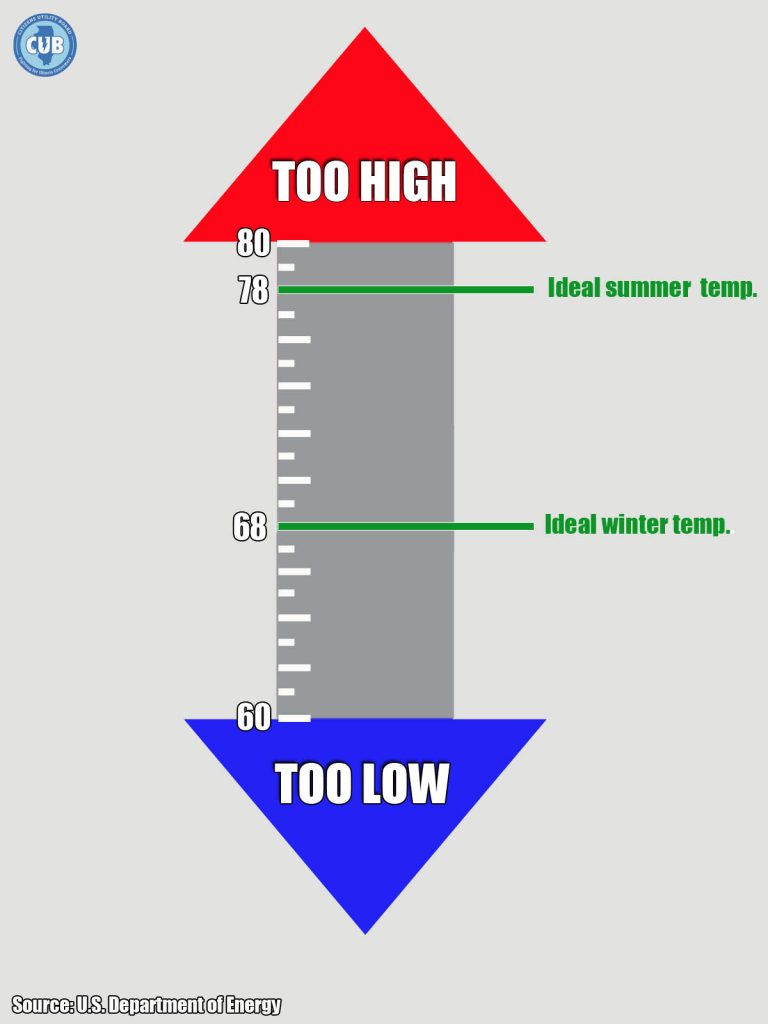
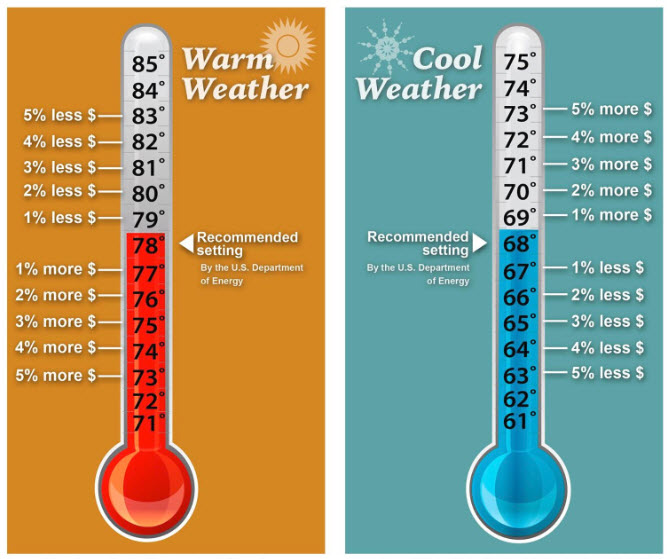
Even with learning algorithms, establishing an initial smart schedule provides a strong baseline. For winter, this typically involves setting a comfortable temperature (e.g., 68-72°F) during occupied hours and a slightly lower temperature (e.g., 60-65°F) when the house is empty or during sleeping hours. The precise “what” temperature depends on personal preference and home insulation. Your smart thermostat’s software allows for easy adjustments to these schedules via its interface or accompanying app. The key is consistency in your initial settings to allow the learning algorithms to fine-tune the schedule effectively. Remember to consider the “recovery time” – how long it takes your home to heat up – and set your “wake up” temperature to begin heating 30-60 minutes before you actually need it.
Utilizing Eco-Modes and Energy-Saving Features
Most smart thermostats come equipped with dedicated eco-modes or energy-saving presets. These features are designed to optimize heating for maximum efficiency without significant sacrifice of comfort. They might gently nudge temperatures a degree or two lower during certain periods, or use more conservative heating cycles. Activating these modes, especially during periods of absence, can significantly contribute to energy conservation. Furthermore, many apps provide detailed energy consumption reports, allowing you to track your usage patterns and understand the impact of different temperature settings or eco-mode activations. This data empowers informed decisions, helping you to refine your “what thermostat temperature” strategy to be both comfortable and economically sound.
Regular Maintenance and Sensor Calibration
Like any sophisticated gadget, smart thermostats and their associated heating systems benefit from regular maintenance. Ensure your thermostat’s sensors (temperature, humidity, occupancy) are clean and unobstructed for accurate readings. Periodically check for software updates, as manufacturers frequently release new features, security enhancements, and performance optimizations. A well-maintained HVAC system works more efficiently, and a precisely calibrated thermostat ensures it’s controlling that system optimally. A yearly professional check-up for your furnace or heat pump, coupled with a vigilant eye on your thermostat’s performance, ensures your winter heating solution remains robust and responsive throughout the coldest months.
aViewFromTheCave is a participant in the Amazon Services LLC Associates Program, an affiliate advertising program designed to provide a means for sites to earn advertising fees by advertising and linking to Amazon.com. Amazon, the Amazon logo, AmazonSupply, and the AmazonSupply logo are trademarks of Amazon.com, Inc. or its affiliates. As an Amazon Associate we earn affiliate commissions from qualifying purchases.