
The concept of “following the law” carries profound implications for all aspects of life, and for those seeking guidance from biblical texts, these directives extend deeply into the realm of personal finance, business ethics, and economic stewardship. While often associated with moral and spiritual mandates, the Bible offers a rich tapestry of principles that directly inform how individuals and communities should manage money, engage in commerce, and uphold financial integrity. Understanding these scriptural tenets can provide a robust framework for ethical wealth creation, responsible resource allocation, and sustained financial well-being.
The Foundation of Financial Integrity: Divine Directives on Honesty and Justice
At the core of biblical teaching regarding law-following is an unyielding demand for honesty and justice, principles that form the bedrock of any sound financial system. The integrity of an individual’s financial dealings is not merely a matter of legal compliance but a reflection of deeper adherence to divine standards.

The Ten Commandments and Economic Principles
Many of the Ten Commandments, foundational to both Old and New Testament ethics, have direct financial ramifications. “Thou shalt not steal” (Exodus 20:15) directly prohibits theft, fraud, and any illicit acquisition of wealth, underscoring the importance of legitimate income. This extends beyond literal taking to encompass deceptive business practices, misrepresentation of value, or exploiting others for financial gain. Similarly, “Thou shalt not covet” (Exodus 20:17) addresses the root of many financial misdeeds – an insatiable desire for what belongs to another, often leading to unethical competition or disregard for others’ property rights. These commandments establish the absolute necessity of respecting property rights and earning wealth through honest means, forming the essential rules for a just economic environment.
Weights and Measures: Equity in Business Transactions
Beyond overt theft, the Bible repeatedly condemns dishonesty in commercial exchanges. Proverbs 11:1 declares, “A false balance is an abomination to the Lord, but a just weight is his delight.” Deuteronomy 25:13-16 further elaborates, “You shall not have in your bag two kinds of weights, a large and a small. You shall not have in your house two kinds of measures, a large and a small. You shall have a full and just weight, you shall have a full and just measure.” These passages emphasize the importance of fair pricing, accurate measurement, and transparent dealings in all business transactions. In a modern context, this translates to honest advertising, accurate product descriptions, fair contracts, and transparent financial reporting. Such principles are crucial for building trust, which is the currency of sustainable business relationships and a healthy economy.
Truthfulness in Dealings: Beyond the Letter of the Law
The biblical call for truthfulness extends beyond explicit laws about weights and measures to encompass all financial communications. While oaths were given significant weight in ancient societies, Jesus’s teaching in Matthew 5:37, “Let what you say be simply ‘Yes’ or ‘No’; anything more than this comes from evil,” encourages a baseline of absolute truthfulness in all statements, removing the need for special vows to ensure veracity. In finance, this means honest disclosure, accurate record-keeping, avoiding misleading statements to investors or clients, and fulfilling contractual obligations. Colossians 3:9 adds, “Do not lie to one another,” a directive that certainly applies to financial negotiations and agreements, establishing a high bar for integrity that transcends mere legal loopholes.
Stewardship and Responsible Resource Management: Beyond Personal Gain
Biblical law is not just about avoiding financial misdeeds; it also actively promotes responsible management of resources. The concept of stewardship frames all financial activity as a trust, where individuals are accountable to a higher authority for how they acquire, manage, and distribute wealth. This perspective shifts the focus from purely personal gain to a broader responsibility for the well-being of the community and the wise use of all entrusted assets.
The Principle of Ownership: God as the Ultimate Proprietor
A fundamental biblical principle is that ultimate ownership of all resources belongs to God. Psalm 24:1 states, “The earth is the Lord’s and the fullness thereof, the world and those who dwell therein.” Haggai 2:8 proclaims, “The silver is mine, and the gold is mine, declares the Lord of hosts.” This worldview fundamentally redefines personal wealth; it is not truly “ours” but rather “entrusted” to us. This understanding compels financial decisions to be made with a long-term, responsible perspective, considering not just immediate personal benefit but also the broader implications for society and future generations. It discourages reckless financial speculation, wasteful consumption, and predatory practices that harm the collective good.
Tithing and Giving: Acknowledging Divine Provision
The practice of tithing, historically dedicating a tenth of one’s income, and broader principles of generous giving (Malachi 3:10, 2 Corinthians 9:7) are expressions of acknowledging God’s ownership and provision. While often viewed as religious obligations, these acts have significant financial implications. They encourage disciplined budgeting, prioritize giving over unrestrained spending, and foster a spirit of generosity that can counteract materialism and selfishness. From a financial management perspective, regular giving necessitates careful income planning and can cultivate a mindset of prioritizing needs over wants, which is crucial for personal financial stability and the ability to support charitable causes.
Wise Investment and Avoidance of Waste
The Parable of the Talents (Matthew 25:14-30) illustrates the principle of wise investment and the expectation to grow resources responsibly, rather than hoarding them or allowing them to stagnate. The master entrusts different amounts to his servants and expects them to utilize these resources productively. This parable encourages proactive financial management, prudent investment, and the avoidance of sloth or neglect in managing assets. Conversely, Proverbs 21:20 warns against wasteful spending: “Precious treasure and oil are in a wise man’s dwelling, but a foolish man devours it.” This highlights the importance of saving, investing, and avoiding impulsive or extravagant consumption, ensuring resources are preserved and multiplied for future needs and impact.
Debt, Lending, and Fair Practices: Economic Justice in Biblical Law
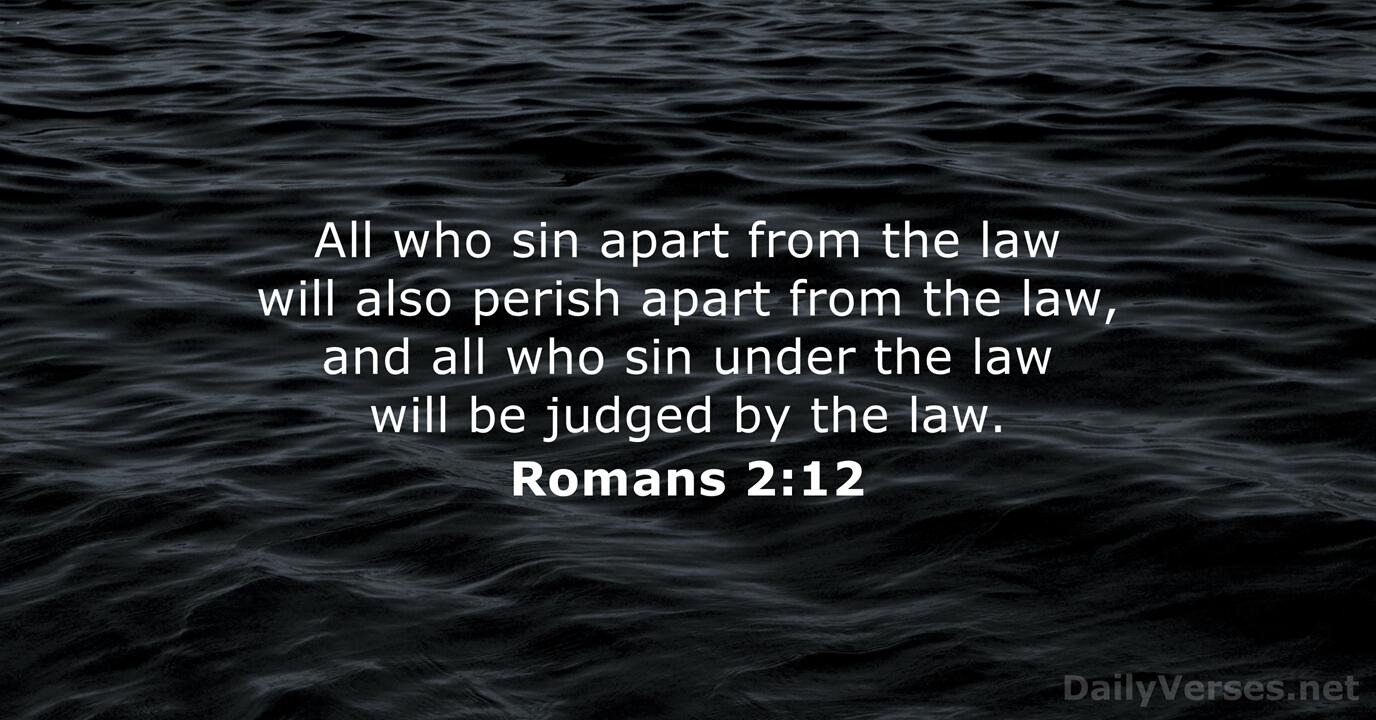
The Bible offers extensive guidance on debt and lending, emphasizing principles of compassion, fairness, and prudence. These laws aim to prevent exploitation, protect the vulnerable, and ensure that financial transactions contribute to overall societal well-being rather than creating cycles of poverty and indebtedness.
Prudence in Borrowing and Lending
Proverbs 22:7 starkly notes, “The rich rules over the poor, and the borrower is the slave of the lender.” This verse serves as a powerful cautionary tale against accumulating excessive debt, highlighting the loss of financial autonomy that can accompany it. While not condemning all borrowing, it strongly advocates for prudence and careful consideration of one’s ability to repay. For lenders, Deuteronomy 23:19-20 sets forth specific regulations regarding interest. While interest on loans to fellow Israelites was often prohibited, it was permitted for foreigners, reflecting a nuanced approach that sought to protect the community’s poor from perpetual debt while allowing for legitimate commercial lending outside this specific context. This principle underscores the importance of ethical lending practices, avoiding usury, and ensuring that loan terms are fair and not exploitative.
Care for the Poor and Vulnerable: Social Justice as Financial Mandate
A recurring theme in biblical law is the mandate to care for the poor and vulnerable, often expressed through financial provisions. Deuteronomy 15:7-8 commands, “If among you, one of your brothers should become poor, in any of your towns within your land that the Lord your God is giving you, you shall not harden your heart or shut your hand against your poor brother, but you shall open your hand to him and lend him sufficient for his need.” This is not merely charity but a legal and ethical expectation. From a financial perspective, this informs social responsibility, advocating for systems that prevent extreme poverty and provide opportunities for economic upliftment. It challenges modern financial institutions and policies to consider their impact on the less fortunate and to contribute to a more equitable distribution of resources.
Restitution and Forgiveness of Debt
Biblical law also prescribed mechanisms for debt relief and restitution. The Year of Jubilee, for instance, mandated the return of ancestral lands and the freeing of slaves every 50 years, fundamentally resetting economic inequalities (Leviticus 25). While not directly applicable in modern economies, the underlying principle of preventing perpetual indebtedness and offering a fresh start resonates with contemporary discussions around bankruptcy laws, debt forgiveness, and fair credit practices. The New Testament also emphasizes forgiveness, including the forgiveness of debts, as seen in the Lord’s Prayer (Matthew 6:12). This instills a spirit of compassion and willingness to provide relief when circumstances dictate, rather than rigidly enforcing punitive financial obligations without mercy.
Taxation and Civic Responsibility: Render Unto Caesar
The Bible also addresses the intersection of divine law and governmental authority, particularly concerning taxation. It provides clear guidance on the obligation to support governing authorities through taxes, while also delineating the boundaries of such obedience.
Obedience to Governing Authorities
Romans 13:1-7 explicitly instructs believers to “be subject to the governing authorities,” stating that these authorities are “instituted by God.” This passage includes a direct command regarding taxes: “For because of this you also pay taxes, for the authorities are ministers of God, attending to this very thing. Pay to all what is owed to them: taxes to whom taxes are owed, revenue to whom revenue is owed, respect to whom respect is owed, honor to whom honor is owed.” This mandate establishes the payment of taxes as a moral and civic duty, contributing to the functioning of society and the maintenance of order. From a financial planning perspective, this means honest and timely tax payments are not optional but are a part of “following the law.”
Ethical Payment of Taxes: A Moral Obligation
Jesus’s famous teaching, “Render to Caesar the things that are Caesar’s, and to God the things that are God’s” (Mark 12:17), further reinforces the duty to pay taxes. This statement acknowledges the legitimate authority of the state in financial matters. It implies that within their legitimate sphere, governments have a right to collect taxes, and citizens have a duty to pay them. This goes beyond mere legal obligation; it’s an ethical one. It discourages tax evasion, illegal financial maneuvers to avoid dues, and any form of deception in fulfilling one’s tax responsibilities. For businesses and individuals, this means transparent accounting and full compliance with tax codes.
Distinguishing Between Divine and Human Law in Financial Context
While encouraging obedience to human laws, the Bible also implies a higher allegiance to divine law. Acts 5:29 states, “We must obey God rather than men.” This principle, while not directly related to everyday tax payments, suggests that if governmental financial laws were to directly contradict fundamental biblical principles (e.g., commanding participation in clearly immoral financial schemes or confiscating resources used for legitimate religious purposes), then a higher loyalty would apply. However, for the vast majority of financial regulations, the biblical mandate is clear: cooperate with and adhere to established legal frameworks for the good of society.
The Ethical Imperative: Long-Term Financial Well-being Through Righteousness
Ultimately, the biblical perspective on following the law in finance paints a picture where ethical conduct is not merely a moral virtue but a pathway to long-term financial stability and true prosperity. It teaches that integrity, generosity, and justice contribute to a more resilient and meaningful financial life.
Prosperity and Righteousness: A Correlation, Not a Guarantee
Many biblical proverbs link diligence and righteousness with financial well-being. Proverbs 10:4 states, “A slack hand causes poverty, but the hand of the diligent makes rich.” Psalm 112:1-3 describes the righteous person whose “wealth and riches are in his house.” While these scriptures suggest a correlation between ethical living and financial blessing, they do not offer a simplistic prosperity gospel. The underlying message is that honest work, responsible stewardship, and fair dealings often lead to stable financial outcomes by building trust, creating value, and avoiding the pitfalls of dishonesty. True wealth, in this view, extends beyond mere monetary accumulation to encompass peace, integrity, and a good reputation.
Avoiding Greed and Materialism
Crucially, biblical law warns against the dangers of greed and materialism, even when wealth is acquired legally. Luke 12:15 admonishes, “Take care, and be on your guard against all covetousness, for one’s life does not consist in the abundance of his possessions.” 1 Timothy 6:10 famously states, “For the love of money is a root of all kinds of evils.” These warnings highlight that while following financial laws is essential, the heart’s attitude toward money is equally critical. Ethical financial management is not just about accumulating wealth, but about doing so with a healthy perspective, recognizing that true value lies beyond material possessions and contributing to a life of purpose and generosity.

Building a Legacy of Integrity: Lasting Financial Impact
Adhering to biblical financial laws allows individuals and businesses to build a legacy of integrity and trustworthiness. Proverbs 13:22 notes, “A good man leaves an inheritance to his children’s children,” implying that wise and ethical financial practices have generational impact. This means fostering financial habits that are sustainable, fair, and contribute positively to society, leaving not just monetary assets but also a reputation for honesty and responsible dealing. This ethical framework ensures that financial success is not fleeting or built on precarious foundations but is sustainable and contributes to lasting good, both for oneself and for future generations.
aViewFromTheCave is a participant in the Amazon Services LLC Associates Program, an affiliate advertising program designed to provide a means for sites to earn advertising fees by advertising and linking to Amazon.com. Amazon, the Amazon logo, AmazonSupply, and the AmazonSupply logo are trademarks of Amazon.com, Inc. or its affiliates. As an Amazon Associate we earn affiliate commissions from qualifying purchases.