
When considering a new bicycle, the decision isn’t merely about choosing between gears and frames; it’s a significant financial investment that can impact your personal budget, transportation costs, and even long-term health expenditures. Approaching this purchase with a keen eye on financial implications ensures you not only find the right bike but also make a fiscally sound choice that aligns with your financial goals.
Understanding Your Budget Before You Pedal
Before diving into specifications, the first and most critical step is to establish a clear budget. This isn’t just about the upfront cost of the bike, but also factoring in accessories, maintenance, and potential insurance. A bike purchase, like any substantial consumer good, should be integrated into your personal finance plan.
Initial Investment vs. Long-Term Value
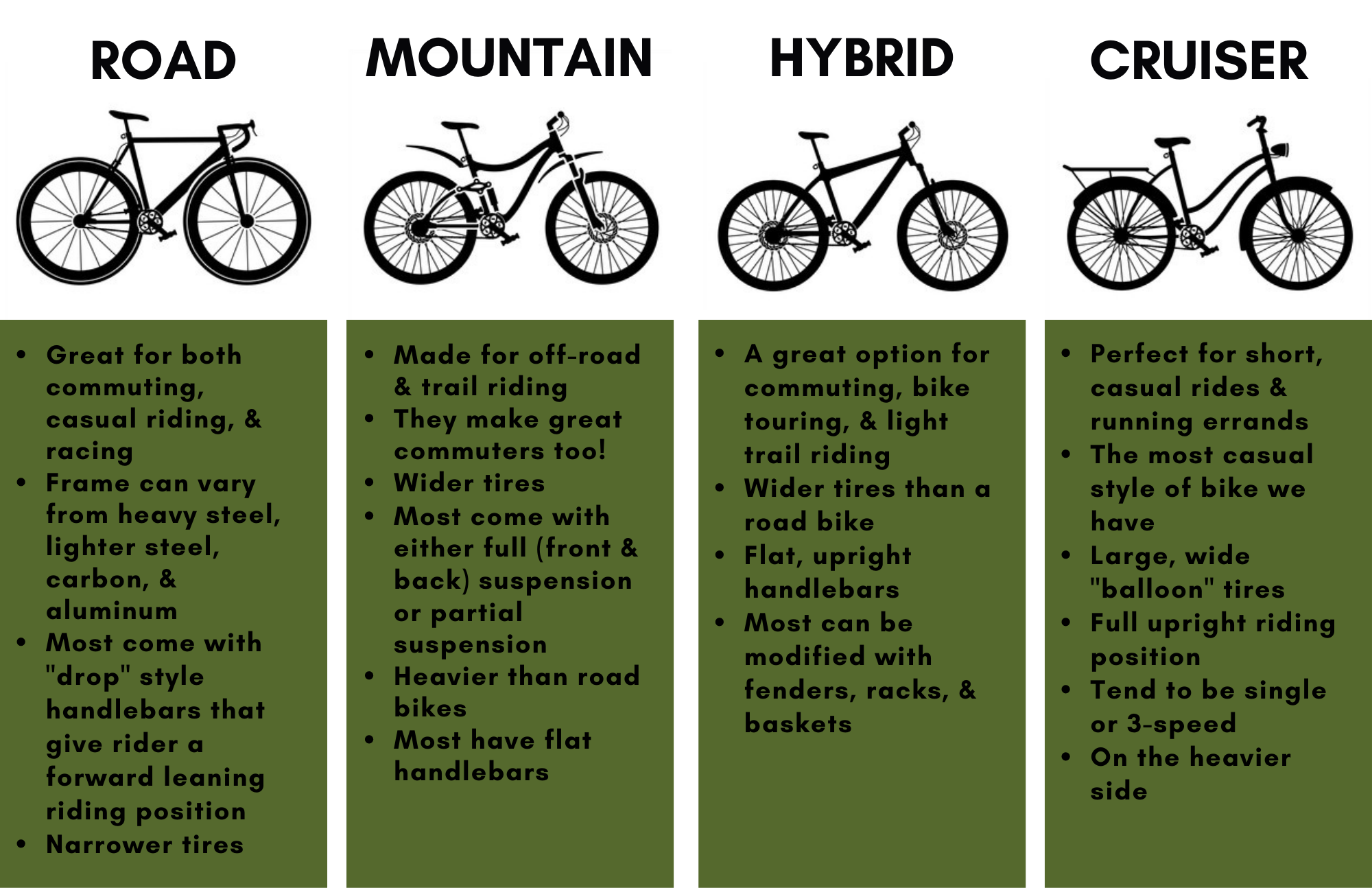
Different types of bikes come with vastly different price tags. A basic single-speed commuter bike might cost a few hundred dollars, while a high-end carbon fiber road bike or a full-suspension electric mountain bike can easily run into several thousands. The key is to assess the value derived from the investment over its lifespan, not just the initial outlay.
- Commuter/Hybrid Bikes: Often the most budget-friendly, offering excellent value for daily transportation. They replace costly public transport fares or fuel expenses, leading to significant monthly savings.
- Road Bikes: Typically mid-to-high range. While more expensive, they can be an investment in health and fitness, potentially reducing future healthcare costs associated with sedentary lifestyles. Their efficient design means longer rides are more accessible, encouraging consistent use.
- Mountain Bikes: Can range from entry-level to extremely expensive. The value here is often in recreation and mental well-being, but durability for off-road use can also lead to a longer lifespan if maintained, amortizing the cost over many years of adventure.
- Electric Bikes (E-Bikes): The highest initial investment, often starting at $1,500 and going much higher. However, their assistance can enable longer commutes, reduce car dependency for a wider range of trips, and offer accessibility to cycling for those who might otherwise avoid it, thereby maximizing the return on investment in terms of sustained usage and associated savings.
Consider how frequently you’ll use the bike, for what purpose, and how long you expect it to last. A more expensive, durable bike that sees daily use for five years might be a better financial decision than a cheaper one that breaks down after a year or sits unused.
The Cost of Ownership: Beyond the Sticker Price
The initial purchase price is just one component of the total cost of ownership. Smart financial planning for a bike includes budgeting for:
- Accessories: Helmets (mandatory), locks (essential for security), lights, pumps, repair kits, water bottles, and appropriate cycling attire can quickly add several hundred dollars to your initial spend. Factor these into your overall budget from the start.
- Maintenance: Bikes require regular upkeep. This includes tire changes, chain lubrication, brake adjustments, and eventual replacement of worn components like chains, cassettes, and brake pads. While some basic maintenance can be DIY, professional tune-ups (typically $50-$150 annually) are often necessary. Neglecting maintenance can lead to costlier repairs down the line or shorten the bike’s lifespan, diminishing your investment.
- Insurance: Depending on the value of your bike and where you live, dedicated bicycle insurance or an extension to your home insurance policy might be a wise investment, particularly for high-value bikes or if theft is a concern in your area. This protects your financial outlay in case of theft or damage.
Matching Bike Type to Financial Goals and Lifestyle
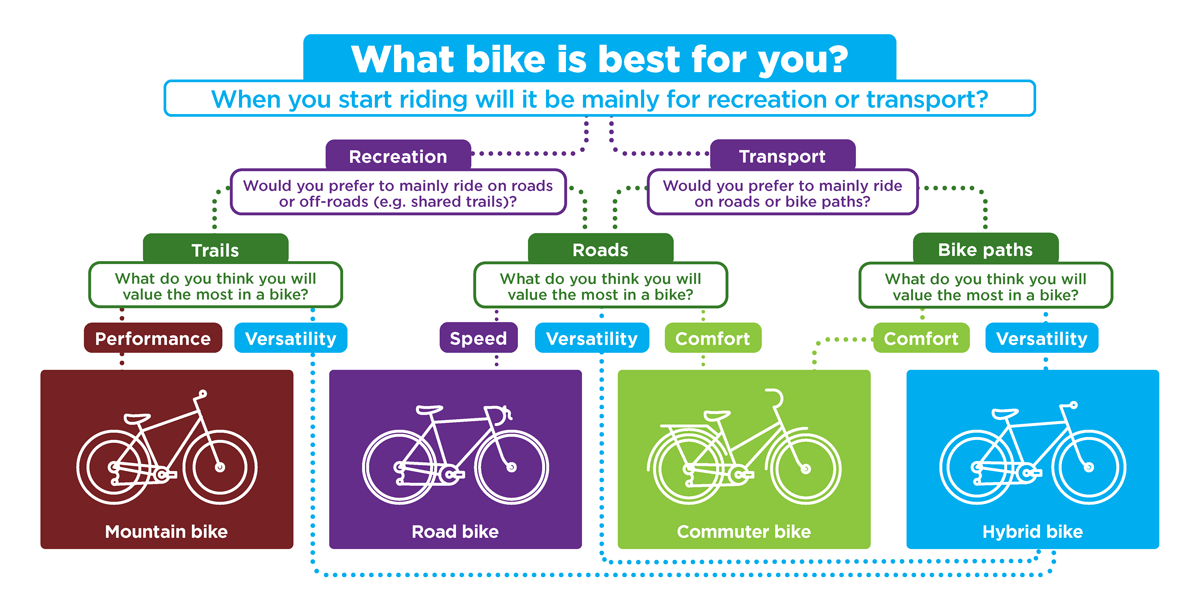
Your primary reason for buying a bike should heavily influence your choice, as each type offers different financial advantages and disadvantages.
Commuter Bikes: An Investment in Daily Savings
For those looking to reduce daily transportation costs, a commuter bike or a hybrid is an excellent financial tool.
- Savings: Replacing car journeys or public transport passes with cycling can result in substantial monthly savings on fuel, parking, insurance, and transit fares. Over a year, these savings can easily outweigh the cost of a mid-range commuter bike.
- Durability and Low Maintenance: Often built for robustness and practicality, many commuter bikes feature fenders, rack mounts, and durable components that stand up to daily use and require less frequent, costly maintenance compared to high-performance bikes.
- Security Features: Consider investing in a high-quality lock (or two) as part of your commuter budget. The cost of replacing a stolen bike far outweighs the cost of good security.
Road Bikes: Performance and Potential Savings on Health
If fitness and speed are priorities, a road bike is a strong contender.
- Health Investment: Regular cycling is a powerful preventative health measure. Reduced risks of cardiovascular disease, improved mental health, and weight management can lead to fewer medical expenses in the long run.
- Efficiency: Road bikes are designed for efficiency over long distances. If your goal is to cover many miles for exercise, their design ensures you get the most out of your effort, maximizing the fitness return on your time investment.
- Higher Initial Cost, Specific Maintenance: Expect a higher initial outlay for a decent road bike. They also tend to have lighter, more specialized components that can be more expensive to replace if damaged. Budget for potentially higher repair costs if you’re not adept at DIY mechanics.
Mountain Bikes: Durability and Adventure, But at What Cost?
For those seeking off-road adventures, mountain bikes offer robust construction.
- Durability vs. Price: Entry-level hardtail mountain bikes can be relatively affordable and offer a good balance of fun and durability. Full-suspension models, however, quickly escalate in price, sometimes reaching figures comparable to used cars.
- Specialized Maintenance: The complex suspension systems and hydraulic brakes on higher-end mountain bikes require more specialized and potentially costly maintenance. Factor in servicing for forks and shocks, which can be hundreds of dollars annually depending on usage.
- Access to Recreation: While perhaps not offering direct financial savings like a commuter bike, a mountain bike provides access to an active outdoor lifestyle, which can be invaluable for mental and physical well-being. Consider this a lifestyle investment.
Electric Bikes: Balancing Convenience with a Higher Price Tag
E-bikes are a rapidly growing segment, offering pedal assistance.
- Expanded Reach and Reduced Car Dependency: E-bikes significantly extend the range and ease of cycling, making it a viable alternative for longer commutes or carrying groceries, thereby further reducing reliance on cars and their associated costs (fuel, insurance, parking, depreciation). This is where the higher initial investment often pays off.
- Accessibility: For individuals with fitness limitations, hilly commutes, or who simply want an easier ride, e-bikes open up cycling as a transport option, allowing them to reap the financial and health benefits without the strenuous effort.
- Battery Life and Replacement: The battery is a key component and has a finite lifespan (typically 2-5 years or 500-1000 charge cycles). A replacement battery can cost several hundred dollars, so budget for this long-term expense.
- Security Concerns: Due to their higher value, e-bikes are often prime targets for theft. Invest heavily in multiple high-quality locks and consider insurance.
Folding Bikes: Maximizing Utility in Urban Financial Planning

Ideal for urban dwellers with limited storage space or those who combine cycling with public transport.
- Multi-Modal Savings: A folding bike allows you to cycle part of your commute and then take public transport, avoiding parking fees and extending the range of your journey, blending the savings of both methods.
- Compact Storage: Eliminates the need for large, secure storage at home or work, which can be a valuable consideration in dense urban environments where space is at a premium.
- Specific Maintenance: Folding mechanisms and smaller wheels can sometimes require more specialized maintenance or parts, so research the long-term serviceability of the model you choose.
New vs. Used: Maximizing Your Financial Leverage
Deciding between a new or used bike is a crucial financial consideration.
The Appeal of Pre-Owned Value
Buying a used bike can offer significant financial advantages:
- Depreciation Savings: Like cars, bikes depreciate quickly. A used bike, even just a year or two old, can often be purchased for a fraction of its original price, offering excellent value.
- Higher Spec for Less: You might be able to afford a higher-spec, better-quality bike used than you could new for the same budget.
- Reduced Risk for Beginners: If you’re new to cycling and unsure how committed you’ll be, a used bike is a lower financial commitment and a smart way to test the waters before investing heavily.
However, proceed with caution. Inspect used bikes thoroughly for damage, wear, and potential hidden costs (e.g., worn drivetrain, cracked frame). Factor in the cost of a professional inspection or a tune-up after purchase.
When to Splurge on New
There are valid financial reasons to buy new:
- Warranty and Support: New bikes come with manufacturer warranties, protecting your investment against defects. You also get immediate access to dealer support and initial tune-ups, often included in the purchase price.
- Latest Technology: If specific new features, materials, or technologies are crucial to your needs (e.g., the latest e-bike systems, advanced drivetrain components), buying new is often the only way to get them.
- Custom Fit: A new bike from a reputable dealer often includes a professional fitting, ensuring comfort and efficiency, which can prevent discomfort and potential injuries down the line, saving on medical costs.
- Long-Term Reliability: A new bike offers peace of mind regarding its history and condition, reducing the likelihood of immediate repair costs.
Financing Your Ride: Smart Payment Strategies
How you pay for your bike can also impact your financial health.
Avoiding High-Interest Debt
Unless it’s an absolute necessity and you have no other option, avoid financing a bike purchase with high-interest credit cards. The interest charges can quickly inflate the actual cost of the bike, negating any potential savings you might gain from using it for transport.
The Benefits of a Cash Purchase
Paying cash upfront is often the most financially prudent option.
- No Interest: You avoid all interest charges.
- Budget Adherence: It forces you to save and budget, ensuring you’re not overspending.
- Simplified Finances: No monthly payments or credit score implications.
Exploring Payment Plans and Cycleschemes
Some bike shops offer interest-free payment plans, which can be a good option if you can commit to making timely payments. In some regions, “cycle to work” schemes or similar employer-sponsored programs allow you to purchase a bike and accessories through salary sacrifice, often saving you significant amounts on income tax and national insurance contributions. These schemes are excellent financial opportunities if available.
Protecting Your Investment: Insurance and Maintenance Costs
The financial commitment doesn’t end once you’ve wheeled your new bike out of the shop. Protecting your investment ensures its longevity and continued financial return.
Insuring Against Loss and Damage
For higher-value bikes (typically over $1,000-$1,500), dedicated bicycle insurance is a sensible financial decision.
- Theft Protection: The most common claim. Insurance ensures you’re not out of pocket for the full value of the bike if it’s stolen.
- Accidental Damage: Covers repairs or replacement if your bike is damaged in a crash or other incident.
- Liability: Some policies include third-party liability, protecting you financially if you cause damage or injury to others while cycling.
- Home Insurance Extension: Check if your existing home insurance policy covers bicycles. Often, there’s a limit on the value, or specific exclusions apply, especially when the bike is away from home. Review your policy carefully and consider a separate bike policy if your bike’s value exceeds your home insurance’s coverage.
Budgeting for Regular Upkeep
Regular maintenance is not an optional extra; it’s a critical component of smart bike ownership.
- Preventative Maintenance: Simple tasks like keeping tires inflated, cleaning and lubricating your chain, and checking brake pads can prevent major issues. Budget a small amount monthly for lubricants, cleaning supplies, and replacement inner tubes.
- Annual Tune-Ups: Plan for at least one professional tune-up per year. This keeps components running smoothly, prolongs their life, and ensures the bike remains safe to ride. Consider setting aside $10-$15 per month into a “bike maintenance fund” to cover these costs without financial strain.
- Component Replacement: Over time, parts like chains, cassettes, tires, and brake pads will wear out. Learning to budget for these replacements will ensure your bike remains in good working order and avoids expensive, unforeseen repair bills.
Choosing the right bike is a nuanced decision, and while the joy of cycling is paramount, a financially savvy approach will ensure your investment provides enjoyment and value for years to come. By considering your budget, the total cost of ownership, and how each bike type aligns with your financial and lifestyle goals, you can make a choice that truly benefits your personal finance journey.
aViewFromTheCave is a participant in the Amazon Services LLC Associates Program, an affiliate advertising program designed to provide a means for sites to earn advertising fees by advertising and linking to Amazon.com. Amazon, the Amazon logo, AmazonSupply, and the AmazonSupply logo are trademarks of Amazon.com, Inc. or its affiliates. As an Amazon Associate we earn affiliate commissions from qualifying purchases.