
Understanding the factors that influence Short-Run Aggregate Supply (SRAS) is crucial for anyone navigating the financial landscape, from individual investors to corporate strategists. SRAS represents the total quantity of goods and services that firms are willing and able to produce at various price levels in the short run, where some factor inputs are fixed. Shifts in this fundamental economic indicator have profound implications for inflation, economic growth, business profitability, and ultimately, investment returns. For businesses, a shift in SRAS can dictate production costs, pricing power, and competitive positioning. For investors, these shifts signal changes in the macroeconomic environment, influencing asset valuations, sector performance, and central bank policy responses.
Understanding Short-Run Aggregate Supply in a Financial Context
Short-run aggregate supply is not merely an abstract economic concept; it’s a dynamic force that directly impacts the bottom line of businesses and the portfolios of investors. In the short run, firms operate with at least one fixed input, typically capital, meaning their ability to expand production indefinitely is constrained. Their willingness to supply goods and services is primarily determined by the profitability of production, which hinges on the relationship between output prices and input costs.
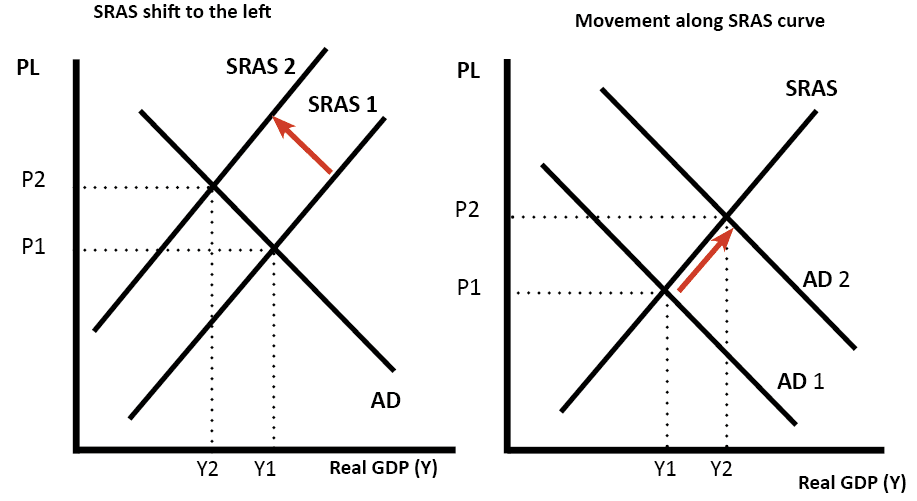
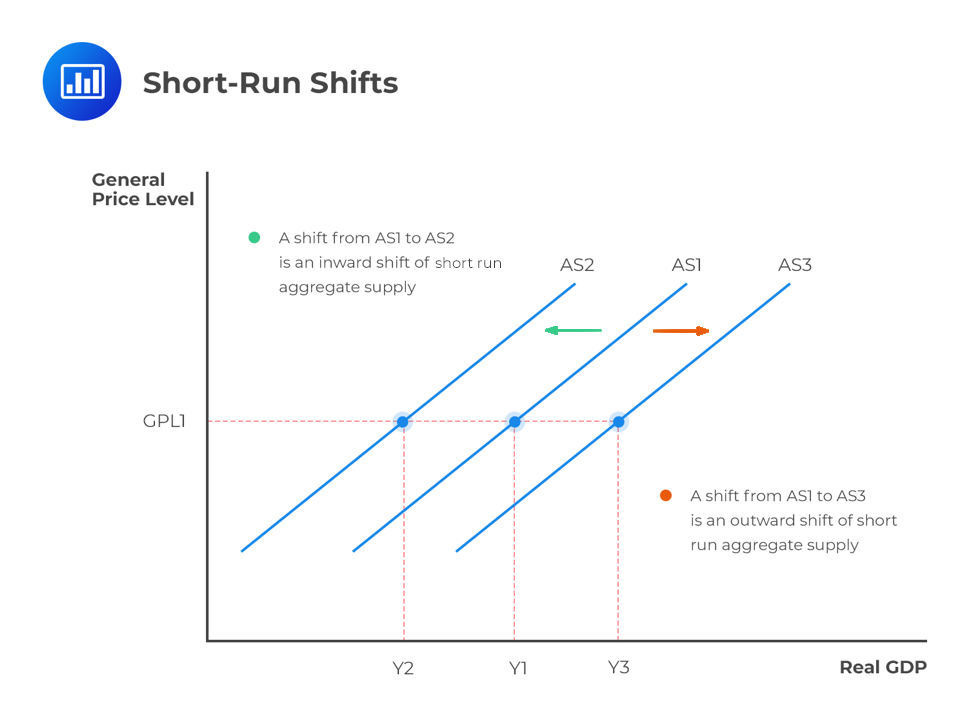
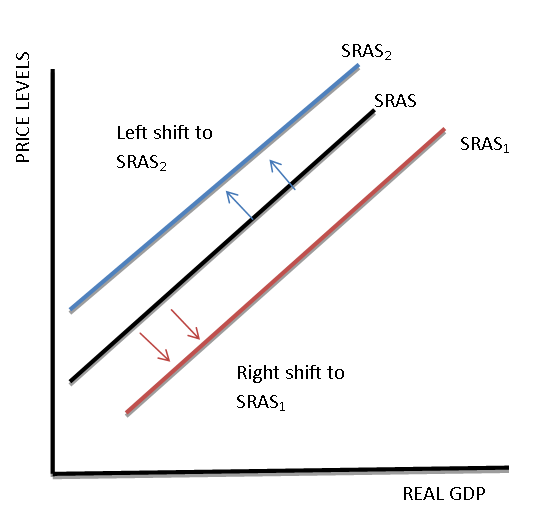
When SRAS shifts, it signals a fundamental change in the economy’s capacity or cost structure. A rightward shift (an increase in SRAS) means firms are willing to produce more at every price level, often indicating lower production costs or increased efficiency. This can lead to lower inflation, higher economic growth, and potentially improved corporate earnings across various sectors. Conversely, a leftward shift (a decrease in SRAS) signifies higher production costs or reduced capacity, which typically translates into higher inflation, slower growth, and eroded profit margins. Recognizing these shifts allows financial professionals and businesses to anticipate market movements, adjust investment strategies, and fine-tune operational plans to mitigate risks and capitalize on opportunities.
Key Factors Influencing Production Costs
The primary driver of shifts in SRAS is changes in the cost of production. When firms face higher costs for their inputs, they will supply less output at any given price level, shifting SRAS to the left. Conversely, lower production costs encourage greater supply at each price level, shifting SRAS to the right.
Labor Market Dynamics and Business Margins
Wages constitute a significant portion of production costs for most businesses. Increases in wages, driven by factors such as strong labor unions, minimum wage hikes, or acute labor shortages, directly raise firms’ expenses. For instance, a tight labor market where companies must compete fiercely for skilled workers often leads to higher compensation packages, squeezing profit margins unless these costs can be passed on to consumers through higher prices or offset by productivity gains. From an investment perspective, companies in labor-intensive industries are particularly sensitive to wage pressures, which can impact their earnings forecasts and stock valuations. Conversely, periods of high unemployment or weaker union influence can keep wage growth subdued, providing a cost advantage to businesses and potentially boosting overall supply.
Raw Materials, Energy, and Supply Chain Vulnerabilities
The prices of raw materials (e.g., oil, metals, agricultural commodities) and energy are crucial input costs for virtually all businesses. A sudden surge in oil prices, for example, increases transportation costs, manufacturing expenses, and the cost of many petro-chemical derivatives, sending ripples across industries. Such “supply shocks” dramatically shift SRAS to the left, often leading to stagflation (high inflation and low growth). The recent global supply chain disruptions, exacerbated by geopolitical tensions and the pandemic, illustrate how bottlenecks and increased shipping costs for components like semiconductors can restrict production for a vast array of goods, from automobiles to electronics. Businesses that manage their supply chain risks effectively, perhaps through diversification or vertical integration, can gain a significant competitive edge and demonstrate greater resilience during periods of price volatility, which is a key consideration for investors evaluating long-term viability.
Government Fiscal Policy and Business Incentives
Government policies, through taxes and subsidies, directly influence the cost structure for businesses. An increase in corporate income taxes, payroll taxes, or taxes on intermediate goods effectively raises the cost of doing business, discouraging production and shifting SRAS to the left. These tax burdens reduce the net profitability of production, leading firms to cut back on output or postpone investment. Conversely, government subsidies, such as tax credits for research and development, energy efficiency, or specific industries (e.g., renewable energy, agriculture), reduce firms’ effective costs. These subsidies act as an incentive for increased production, shifting SRAS to the right. Investors closely monitor fiscal policy changes, as they can significantly alter the attractiveness and profitability of various sectors and individual companies.
Regulatory Burden and Compliance Costs
New or stricter government regulations, whether environmental, safety, or labor-related, often impose additional compliance costs on businesses. These can include expenses for new equipment, processes, training, or administrative overhead. While regulations may yield societal benefits, their immediate financial impact on firms is typically an increase in production costs, leading to a leftward shift in SRAS. For example, stricter emissions standards might require manufacturers to invest in costly new technologies. Conversely, deregulation, if implemented, can reduce compliance costs, making it cheaper to produce and thus potentially shifting SRAS to the right. Industries subject to heavy regulation require significant capital allocation for compliance, a factor that investors must weigh when assessing risk and return.
Productivity and Technological Advancement
Beyond direct costs, the efficiency with which resources are converted into output plays a pivotal role in shaping SRAS. Improvements in productivity and technological innovation reduce the cost per unit of output, even if input prices remain constant.
Efficiency Gains and Economic Expansion
Productivity growth, defined as an increase in output per unit of input (e.g., per worker or per hour of labor), is a powerful engine for expanding short-run aggregate supply. When workers become more skilled, or management practices become more efficient, firms can produce more goods and services with the same amount of labor and capital, effectively lowering the average cost of production. This allows businesses to offer more at each price level, shifting SRAS to the right. Countries and companies that consistently invest in education, training, and robust capital infrastructure tend to experience higher productivity growth, leading to sustained economic expansion and improved living standards. For investors, identifying companies and economies that are leaders in productivity enhancement can uncover long-term growth opportunities.
Innovation as a Cost-Reduction Engine
Technological progress is arguably the most transformative force behind SRAS shifts. New technologies, such as automation, artificial intelligence, robotics, and advanced materials, can fundamentally alter production processes, making them faster, cheaper, and more efficient. For example, the advent of new manufacturing techniques or software solutions can dramatically reduce the labor or material inputs required to produce a given output. This reduction in per-unit costs allows firms to increase their supply at every price level, driving a substantial rightward shift in SRAS. Companies that successfully innovate and adopt cutting-edge technologies often gain significant competitive advantages, leading to market share gains and superior financial performance, making them attractive investment targets.
Expectations of Future Prices and Profitability
Business decisions are not made in a vacuum; they are heavily influenced by expectations about future market conditions, prices, and profitability. These expectations can independently shift SRAS.
Anticipating Market Conditions and Investment Strategies
If firms anticipate that the general price level for goods and services will rise significantly in the near future, they might adjust their current production strategies. Some firms might choose to reduce current supply, holding inventory to sell at higher prices later, or they might demand higher prices for their current output due to expected increases in future input costs (e.g., expecting higher wages or raw material prices). This could lead to a leftward shift in current SRAS. Conversely, if firms expect future prices to fall, they might increase current production to sell before prices drop, shifting SRAS to the right. These expectations are crucial for inventory management, capital expenditure planning, and overall financial forecasting within a business. Investors carefully analyze economic forecasts and market sentiment, as these can foreshadow changes in business supply behavior and impact short-term market dynamics.
Sentiment, Investment, and Economic Output
Broader business confidence and sentiment play a significant role. When businesses are optimistic about future economic conditions, consumer demand, and their own profitability, they are more inclined to invest in expanding capacity, hire more workers, and increase current production. This positive sentiment encourages firms to supply more goods and services at prevailing prices, shifting SRAS to the right. Conversely, a pervasive sense of pessimism or uncertainty about the economic future can lead firms to cut back on investment, reduce production, and become more cautious, resulting in a leftward shift of SRAS. Business confidence surveys are often leading indicators that financial analysts and investors watch closely for clues about future economic output and corporate performance.
Natural Events and External Shocks
Unforeseen natural events and external geopolitical shocks can have immediate and dramatic impacts on an economy’s short-run aggregate supply, posing significant risks to businesses and investors.
Geopolitical Risks and Environmental Impacts on Supply Chains
Natural disasters, such as floods, droughts, earthquakes, or severe storms, can devastate agricultural output, destroy critical infrastructure, disrupt transportation networks, and damage factories. Such events directly reduce productive capacity and increase the costs of surviving operations, leading to a sharp leftward shift in SRAS. For example, a major hurricane striking an oil-producing region can significantly curtail oil supply, raising energy costs globally. Beyond natural events, geopolitical conflicts, trade wars, pandemics, or major terrorist acts can likewise disrupt global supply chains, restrict access to essential inputs, or increase the cost of doing business through tariffs or heightened security measures. The COVID-19 pandemic, for instance, severely impacted labor availability and global logistics, leading to widespread supply shortages and cost increases. For investors, understanding the resilience of supply chains and assessing geopolitical risks are critical components of portfolio management and risk assessment, particularly for companies with global footprints or reliance on specific regions for production.
aViewFromTheCave is a participant in the Amazon Services LLC Associates Program, an affiliate advertising program designed to provide a means for sites to earn advertising fees by advertising and linking to Amazon.com. Amazon, the Amazon logo, AmazonSupply, and the AmazonSupply logo are trademarks of Amazon.com, Inc. or its affiliates. As an Amazon Associate we earn affiliate commissions from qualifying purchases.