
Crafting Culinary Theater: The Power of Experiential Dining in Brand Building
In the increasingly competitive landscape of the hospitality industry, a restaurant’s brand is its most valuable asset. While quality food and impeccable service remain foundational, a growing number of establishments are leveraging the dramatic appeal of live cooking to forge a distinctive brand identity and cultivate deeper customer connections. These aren’t merely kitchens; they are stages where culinary artistry unfolds, transforming dining into an immersive, multi-sensory experience that goes far beyond the plate. The decision to cook in front of guests is a strategic brand choice, signaling a commitment to transparency, entertainment, and an elevated form of engagement that resonates profoundly with today’s experience-driven consumer. By turning meal preparation into a visible performance, restaurants are not just serving food; they are selling a show, a story, and a memory, all of which are critical components of a robust and memorable brand.
Beyond the Plate: Elevating Customer Engagement
The act of cooking in front of patrons fundamentally alters the traditional restaurant dynamic. It shifts the focus from a passive consumption experience to an active, interactive one. Guests become witnesses to the creation process, engaging with the sights, sounds, and aromas before a single bite is taken. This heightened level of engagement is a powerful branding tool. It fosters a sense of anticipation and excitement, making the meal feel less like a transaction and more like an event. Brands that embrace this approach implicitly understand that in an era of digital overload, unique, real-world experiences are paramount. They are selling an escape, an adventure, and a chance to peek behind the culinary curtain, all of which contribute to a richer brand narrative and stronger emotional ties with their clientele. This direct interaction often extends to conversation with the chef, personalizing the experience and further solidifying the brand’s human connection.
Transparency and Trust: A Cornerstone of Brand Authenticity
One of the most compelling brand benefits of live cooking is the immediate and undeniable transparency it offers. In an age where consumers are increasingly concerned with sourcing, hygiene, and preparation methods, an open kitchen or tableside cooking acts as a powerful trust builder. There is nowhere for ingredients or processes to hide; everything is on display. This visual affirmation of cleanliness, fresh ingredients, and skilled technique instills confidence and builds credibility, cornerstones of an authentic brand. For a brand, authenticity translates into loyalty. Customers trust a brand that is open and honest, and an open kitchen visually communicates this integrity better than any marketing slogan ever could. It’s a bold statement that says, “We have nothing to hide, and we are proud of our craft.” This transparency elevates the brand’s perception, positioning it as reliable, high-quality, and deeply committed to its patrons’ well-being and satisfaction.
Signature Styles: Diverse Approaches to Live Cooking as Brand Differentiator
The umbrella of “restaurants that cook in front of you” encompasses a wide array of culinary traditions and innovative concepts, each leveraging live preparation in distinct ways to build and reinforce their unique brand identity. These different styles cater to varied customer preferences, allowing brands to carve out specific niches and differentiate themselves in a crowded market. The choice of style is a deliberate brand strategy, shaping everything from restaurant design and chef training to marketing messaging and target demographic.
Teppanyaki and Hibachi: The Original Showstoppers
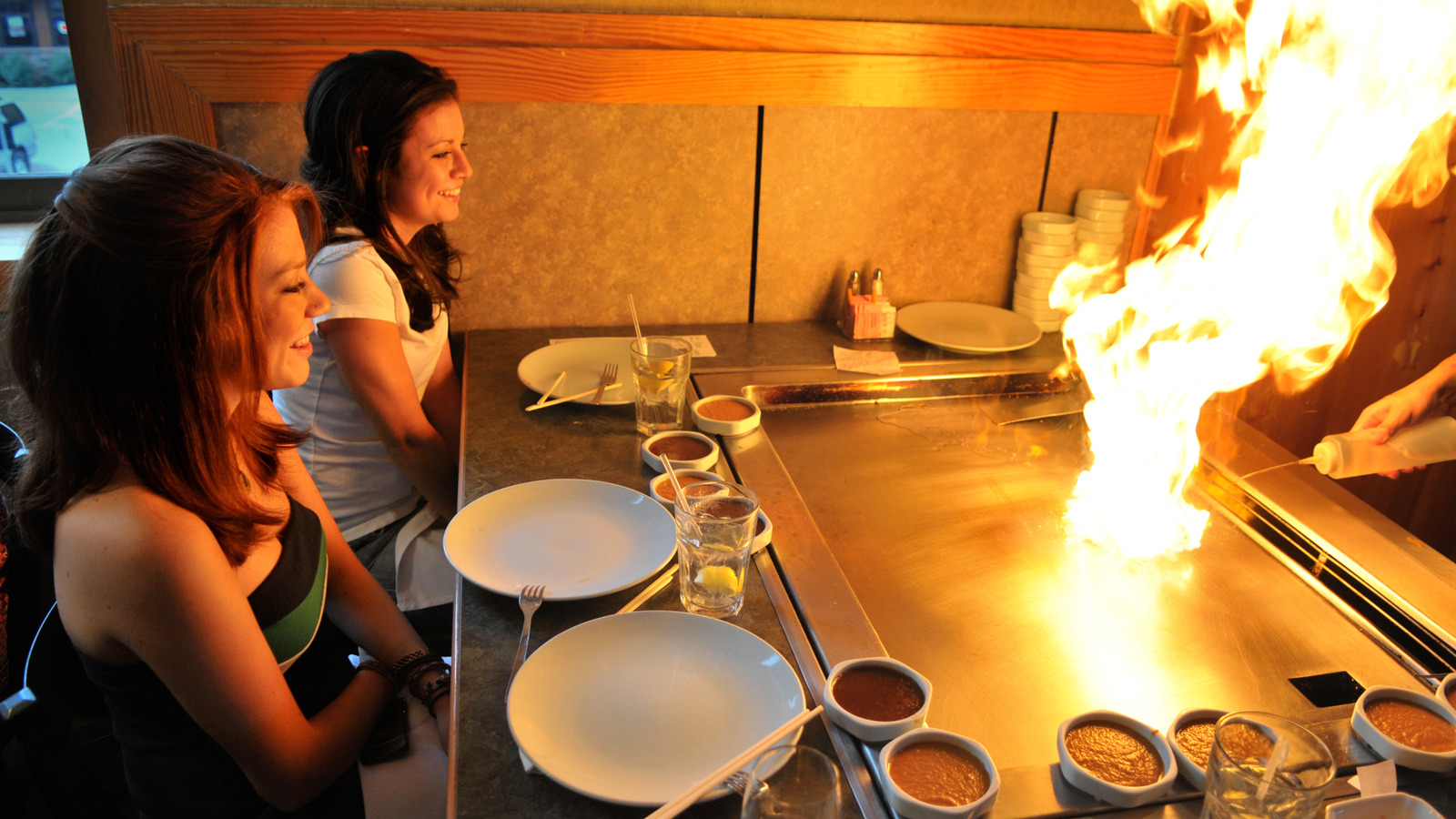
Perhaps the most universally recognized form of live cooking, Teppanyaki and Hibachi restaurants have built their entire brand around the spectacle. Originating in Japan, these establishments feature large iron griddles (teppan) where chefs prepare an entire meal, from appetizers to entrees, right at the diners’ communal table. The brand promise here is entertainment interwoven with delicious food. Chefs are not just cooks; they are performers, adept at knife tricks, flame theatrics, and engaging banter. The brand identity of a Teppanyaki or Hibachi restaurant is one of fun, excitement, and family-friendly festivity. Their marketing often highlights the “show” aspect, appealing to groups and those seeking a dynamic dining experience. The consistent execution of this performance is paramount to their brand integrity, as diners expect both culinary skill and captivating showmanship.
Omakase: Artisanal Mastery and Personal Connection
At the other end of the spectrum lies Omakase, a Japanese tradition where “I’ll leave it up to you” is the guiding principle. Here, diners entrust their meal entirely to the chef, who crafts a personalized, multi-course experience, often right in front of them at a sushi counter or intimate bar. The brand identity of an Omakase establishment is built on exclusivity, expertise, and a deep sense of personal connection. It’s about showcasing the chef’s individual artistry, the freshest seasonal ingredients, and meticulous technique. The live aspect in Omakase is less about flashy tricks and more about the quiet, meditative process of creation, allowing guests to witness the precision and passion behind each dish. This brand appeals to discerning foodies seeking an elevated, intimate, and educational culinary journey, where the chef acts as both artist and guide, forging a powerful, personalized brand relationship with each guest.
Modern Gastronomy: Innovation in Open Kitchens
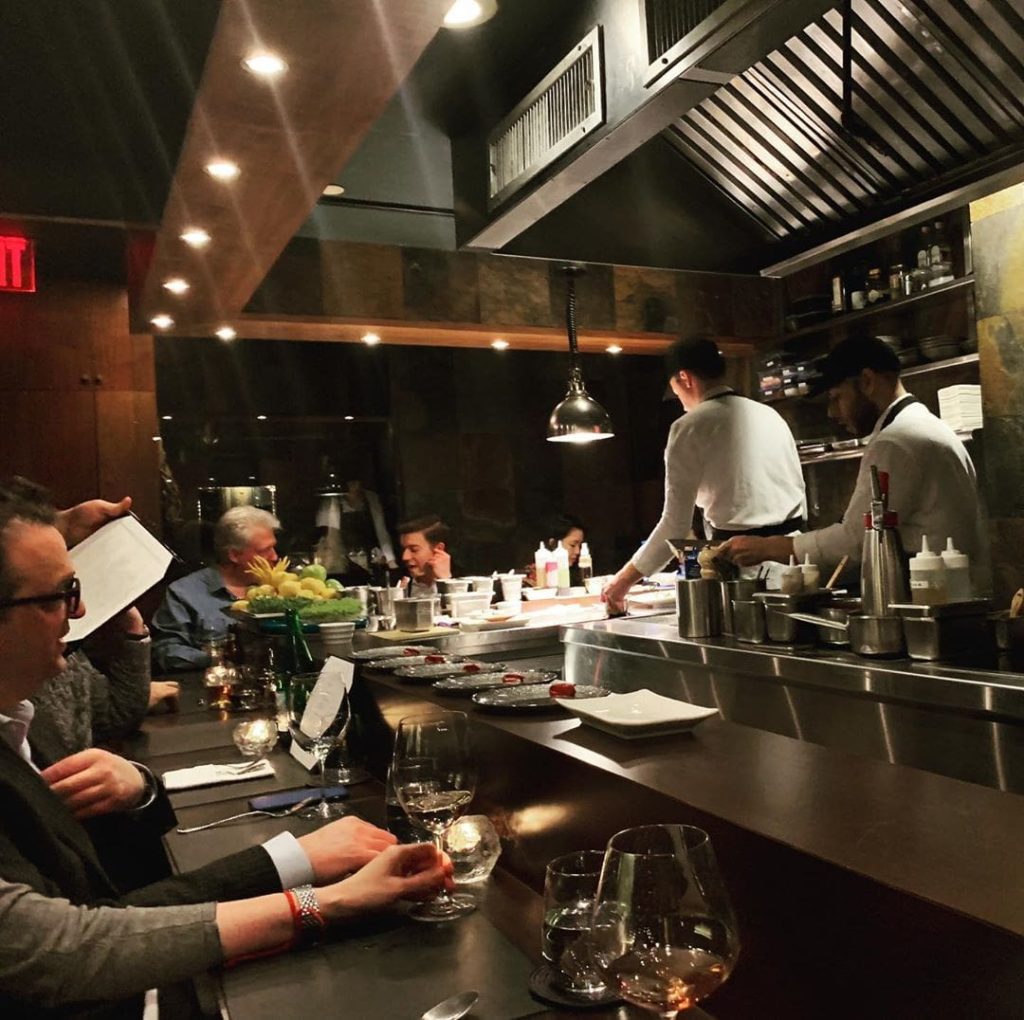
Beyond traditional forms, many contemporary fine dining and casual concepts are integrating open kitchens as a core component of their brand strategy. These kitchens, often designed with glass partitions or entirely exposed, allow diners to observe the bustling activity, the organized chaos, and the meticulous plating that define modern culinary arts. For these brands, the open kitchen signifies a commitment to culinary excellence, innovation, and an immersive dining atmosphere. It communicates a brand that is confident in its operations, proud of its team, and keen to share the energy of its creative process. This approach is particularly effective for brands emphasizing farm-to-table philosophies, demonstrating the freshness of ingredients, or those pushing the boundaries of molecular gastronomy, where complex preparations become part of the dining spectacle. It blends the functional necessity of cooking with the aesthetic and experiential demands of modern branding, creating an environment where the kitchen itself becomes a central design feature and a key part of the brand story.
Marketing the Spectacle: Communicating the Live Cooking Brand Promise
For restaurants that cook in front of you, the marketing strategy must inherently revolve around the experiential core of their offering. It’s not just about promoting delicious food, but about selling the unique drama, intimacy, and engagement that define their brand. Effective marketing leverages every aspect of the live cooking experience to attract and retain customers, translating the in-person magic into compelling brand narratives across various channels.
Visual Storytelling: Leveraging the Action
In an increasingly visual world, the dynamic nature of live cooking provides an unparalleled advantage for visual storytelling. High-quality photography and videography showcasing the chefs in action – the flash of knives, the sizzle on the grill, the intricate plating – are essential. Social media platforms, in particular, become powerful amplifiers. Instagram reels, TikTok videos, and engaging stories can capture the energy and artistry, turning casual browsers into eager customers. A brand’s website and promotional materials should feature compelling visuals that highlight the interactive elements, the vibrant atmosphere, and the skilled craftsmanship. This visual content doesn’t just show the food; it sells the experience, positioning the brand as an exciting destination rather than just another eatery.
Word-of-Mouth Amplification: Creating Shareable Moments
The very nature of live cooking is designed to create memorable moments, and memorable moments are the fuel for word-of-mouth marketing – the most credible form of brand promotion. Whether it’s the chef’s playful interaction, the gasp-inducing flame show, or the personalized discussion about ingredients, these instances are inherently shareable. Restaurants can strategically encourage this by ensuring staff are adept at facilitating these interactions and by creating photo-friendly environments. Encouraging guests to tag the restaurant in their social media posts, or running contests for the best photo/video of the cooking action, can exponentially expand a brand’s reach. A brand that consistently delivers a captivating live cooking experience builds a strong reputation, with patrons becoming enthusiastic advocates, sharing their stories and recommending the unique spectacle to their networks.
Menu as a Narrative: Highlighting the Craft
The menu itself becomes a key branding tool, extending the narrative of live cooking. Rather than just listing dishes, menus can tell the story of the ingredients, highlight the chef’s philosophy, and even describe the cooking method in a way that emphasizes the theatrical element. For an Omakase restaurant, the menu might simply state “Chef’s Selection,” reinforcing the trust and expertise inherent in its brand. For a Teppanyaki spot, it might playfully allude to the “fiery show” alongside the meal options. Descriptions can build anticipation for the “live preparation” or “tableside finish,” making the menu an integral part of the overall brand experience before the first course even arrives. This subtle yet powerful branding ensures that even the written communication reinforces the core promise of an engaging and unique dining adventure.
Operationalizing the Brand Experience: Design, Training, and Consistency
Successfully executing a live cooking concept requires more than just skilled chefs; it demands a holistic operational strategy where every element, from restaurant layout to staff training, is aligned with the brand’s experiential promise. The brand is not just sold through marketing; it is delivered through consistent operational excellence, ensuring that the spectacle is always flawless and the customer experience exceptional.
Kitchen Design as a Stage
For restaurants that cook in front of you, the kitchen is no longer merely a functional space; it is a meticulously designed stage. Architects and interior designers collaborate to create layouts that maximize visibility, optimize workflow for performance, and ensure guest comfort and safety. Materials are chosen not just for durability but for aesthetic appeal, complementing the brand’s overall design language. Lighting plays a crucial role, often highlighting the cooking stations and the chefs, much like stage lighting. Ventilation systems must be robust to manage smoke and odors without detracting from the ambiance. The design of the cooking area, whether a central island, a long bar, or individual hibachi tables, directly communicates the brand’s style – from the sleek, minimalist elegance of an Omakase counter to the vibrant, communal setup of a Teppanyaki grill. This deliberate design ensures the physical space reinforces the brand identity and enhances the live cooking spectacle.
Chef as Brand Ambassador
In these establishments, the chef is undeniably a frontline brand ambassador. Their technical cooking skills are a given, but their ability to engage, entertain, and educate diners is equally vital to the brand experience. Training extends beyond culinary techniques to include hospitality, storytelling, and even performance art. Chefs must be articulate, charismatic, and capable of reading the room, adapting their interaction style to individual guest preferences. For an Omakase chef, this might mean a quiet, respectful dialogue about ingredients; for a Hibachi chef, it could involve lively banter and impressive juggling acts. Consistency in this performance is paramount to brand integrity. Every chef on the team must embody the brand’s spirit and deliver the promised level of engagement, ensuring that regardless of who is cooking, the brand experience remains cohesive and exceptional.
Maintaining Quality and Performance
The dual demand of high-quality food and a captivating performance requires rigorous operational discipline. Brands must implement robust quality control measures for ingredients and preparation, ensuring every dish meets exacting standards. Simultaneously, the “show” aspect must be consistently polished and engaging. This involves ongoing training, regular review of performance elements, and feedback mechanisms for both culinary and experiential aspects. Inventory management becomes critical to ensure fresh, show-worthy ingredients are always available. Equipment maintenance is also vital, as breakdowns during a live show can severely tarnish the brand’s image. By meticulously managing both the kitchen’s output and the front-of-house performance, restaurants can ensure that their live cooking brand promise is delivered flawlessly, visit after visit, cementing customer loyalty and reinforcing their unique market position.
The Strategic Advantage: Why Live Cooking Builds Lasting Loyalty
The decision to incorporate live cooking into a restaurant’s model is a significant strategic move, yielding profound advantages in brand building and customer loyalty. In an increasingly commoditized market, the experiential differentiation offered by live cooking creates a powerful competitive edge that transcends mere culinary prowess, fostering deeper connections and ensuring repeat business.
Emotional Connection and Memorable Experiences
At its core, a strong brand builds emotional connections. Live cooking excels at this by creating genuinely memorable experiences. The sights, sounds, smells, and interactions associated with watching a meal prepared right before your eyes etch themselves into a diner’s memory far more vividly than a meal served from a hidden kitchen. These experiences become stories that customers retell, shared moments with loved ones, and cherished occasions. This emotional resonance translates directly into loyalty. When customers feel a personal connection to a brand, when it provides joy and lasting memories, they are far more likely to return and become lifelong patrons. The restaurant ceases to be just a place to eat and transforms into a valued part of their personal narrative, a destination for celebration and unique indulgence.
Perceived Value and Premium Positioning
The theatricality and personalized attention inherent in live cooking elevate the perceived value of the dining experience. Customers are not just paying for ingredients and labor; they are investing in entertainment, education, and an interactive journey. This heightened perception of value allows brands to command premium pricing, aligning their cost structure with the elevated experience they deliver. It positions the brand in a higher tier within the market, associating it with quality, exclusivity, and a superior offering. For a brand, this premium positioning is crucial for profitability and for attracting a discerning clientele willing to pay for a unique and high-quality experience. It moves the brand out of direct price competition and into a space where value is measured by the richness of the overall engagement.

Differentiation in a Crowded Market
In an oversaturated market brimming with countless dining options, differentiation is the ultimate strategic imperative. Live cooking provides a distinct and tangible point of difference that is difficult for competitors to replicate without fundamentally altering their own operational model. It offers a unique selling proposition that is easily communicated and instantly recognizable. While other restaurants compete on cuisine type or ambiance, brands that cook in front of you have an additional, compelling layer to their offering. This clear differentiation helps these brands stand out, capture attention, and attract specific customer segments actively seeking such engaging experiences. It’s a powerful tool for carving out a unique market position, ensuring that the brand remains relevant, memorable, and continually draws interest from new and returning customers alike.
aViewFromTheCave is a participant in the Amazon Services LLC Associates Program, an affiliate advertising program designed to provide a means for sites to earn advertising fees by advertising and linking to Amazon.com. Amazon, the Amazon logo, AmazonSupply, and the AmazonSupply logo are trademarks of Amazon.com, Inc. or its affiliates. As an Amazon Associate we earn affiliate commissions from qualifying purchases.