
The Strategic Implications of Cross-Party Endorsements for Personal Branding
The act of a Republican endorsing Kamala Harris, a prominent Democrat, represents a fascinating and often high-stakes maneuver within the realm of personal branding. For any political figure, their brand is a meticulously crafted public persona, a culmination of their perceived values, policy positions, and leadership style. When an endorsement transcends traditional party lines, it doesn’t merely signal political support; it actively attempts to redefine, reinforce, or even disrupt the established brands of all individuals involved. The sheer optics of such an event can dramatically shift public perception, forcing both the endorser and the endorsee into new strategic branding territories. It challenges the conventional wisdom of partisan loyalty and compels a re-evaluation of what constitutes a “party brand” versus an “individual brand.”
Rebranding Through Bipartisan Appeal
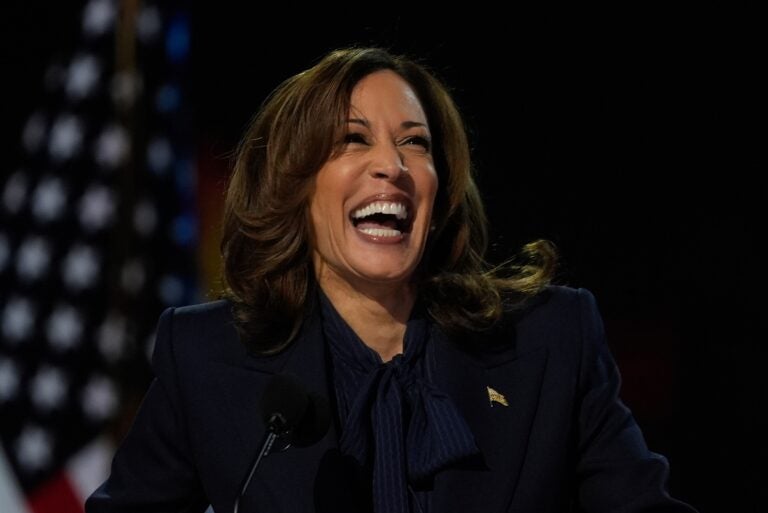
For Kamala Harris, receiving endorsements from Republicans offers a potent opportunity to expand and diversify her personal brand. In a political landscape often defined by deep partisan divides, a cross-party endorsement can serve as a powerful signal of broader appeal, pragmatism, and a capacity for transcending entrenched ideological battles. This isn’t just about gaining votes; it’s about fundamentally altering the narrative surrounding her leadership. Such endorsements can help to soften perceptions of her as a purely partisan figure, recasting her image as a unifier or a leader capable of commanding respect across the political spectrum. From a branding perspective, it’s an attempt to cultivate a “statesperson” brand, one that prioritizes national interest over party loyalty, and positions her as a consensus-builder. This rebranding effort is supported by strategic communication that highlights these endorsements, using them as evidence to counter criticisms of divisiveness and to broaden her appeal to moderate, independent, and even disaffected Republican voters. The goal is to move beyond the confines of a strict Democratic identity, establishing a more encompassing and resilient personal brand that resonates with a wider audience. The perceived validation from an unexpected source lends credibility and an air of inevitability to her leadership, subtly influencing public opinion and making her brand more palatable to those who might otherwise dismiss her outright.
Risk and Reward for the Endorsing Republican
The decision by a Republican to endorse Kamala Harris is a profound personal branding choice, fraught with both significant risks and potential rewards. On one hand, such an endorsement can be perceived as an act of principle, demonstrating political independence and a willingness to prioritize what the individual believes is right, irrespective of party dictates. This can bolster their personal brand as a courageous, thoughtful, and non-partisan figure, potentially appealing to a broader base of voters who are weary of hyper-partisanship. It could carve out a unique niche for them, distinguishing them from their more dogmatic peers. The reward might be enhanced credibility with independent voters, media attention that elevates their profile beyond their party, and even future political capital should the endorsed candidate succeed. However, the risks are substantial. The most immediate is alienation from their own party base. Such an act can be viewed as betrayal, leading to ostracization, loss of committee assignments, primary challenges, or even an end to their political career within their current party structure. Their personal brand, once synonymous with Republican values, could be irrevocably damaged among their traditional supporters. The act of endorsement itself becomes a critical moment in their personal branding journey, forcing them to navigate a delicate balance between maintaining authenticity and managing severe political repercussions. Their strategic communication following the endorsement is crucial; they must articulate their reasons clearly to shape the narrative and mitigate damage to their standing with their original constituents, while simultaneously reaping the benefits of their newfound perceived independence.
Deconstructing the “Kamala Harris Brand” in the Wake of Republican Support
The emergence of Republican endorsements for Kamala Harris provides a unique lens through which to analyze the evolving nature of her political brand. A brand, in essence, is a promise delivered, and for a political figure, it encapsulates their identity, values, and vision for the future. When an opposing party figure extends their support, it injects new elements into this brand narrative, challenging existing perceptions and offering opportunities for strategic recalibration. It’s not merely about the individual endorsements but about the collective impact they have on the perceived strength, electability, and character of the “Kamala Harris Brand” itself. This external validation, particularly from a seemingly incongruous source, can disrupt established mental frameworks voters hold, forcing a re-evaluation and potentially broadening her appeal beyond her traditional base.
Expanding the Brand Narrative
Republican endorsements significantly expand and complicate the brand narrative surrounding Kamala Harris. Previously, her brand might have been perceived through a largely progressive or Democratic lens, emphasizing her roles as a prosecutor, senator, and Vice President within the party’s ideological framework. However, the addition of Republican support introduces a new dimension: one of potential bipartisanship, broader appeal, and even a degree of “establishment” credibility that transcends partisan lines. This challenges the existing perceptions that might label her as solely divisive or ideologically extreme by some segments of the electorate. From a branding perspective, these endorsements act as powerful testimonials, suggesting that even political adversaries recognize qualities in her leadership that warrant support. This can soften her image, presenting her as a more nuanced, capable, and perhaps less threatening figure to moderate voters or those on the fence. Her campaign can leverage this by subtly shifting the messaging, highlighting these endorsements not as a sign of ideological capitulation but as evidence of her capacity to unite, to lead across divides, or to represent a broader spectrum of American values. This strategic re-framing is essential to broaden the appeal of her brand, demonstrating adaptability and a willingness to engage with diverse viewpoints, thereby strengthening her overall brand resilience and marketability to a wider electorate.
Messaging and Audience Segmentation
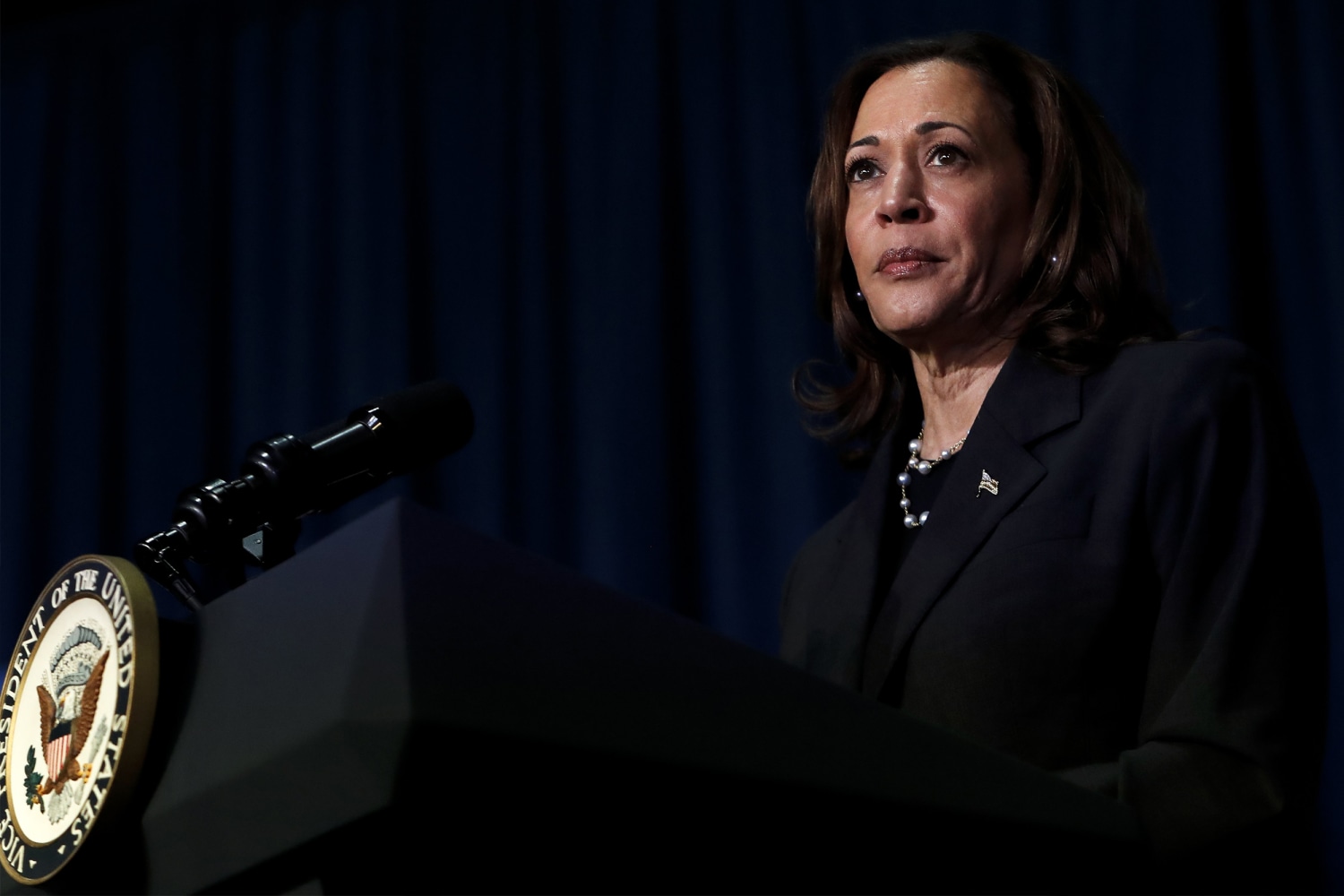
Effectively leveraging Republican endorsements for Kamala Harris requires a sophisticated understanding of messaging and audience segmentation, core principles of successful marketing. Her campaign’s communication strategy must be meticulously crafted to maximize the impact of these endorsements without alienating her core Democratic base. For her existing supporters, the message might be framed as a testament to her strength and effectiveness, signaling that even opponents acknowledge her capabilities. It can be presented as proof of her ability to command respect across the aisle, validating their choice. For moderate or independent voters, these endorsements serve as a powerful signal of pragmatism and electability. The messaging here would emphasize unity, stability, and a move away from hyper-partisanship, positioning Harris as a unifying force. For disaffected Republicans, the endorsements offer an “permission slip” to consider supporting a Democrat, validating their own potential disenchantment with their party and providing a prominent example of someone within their own ideological camp who has crossed the aisle. This requires nuanced communication tailored to each segment, ensuring that the same endorsement can be interpreted favorably by different groups, aligning with their existing beliefs and values. The careful selection of spokespersons, the framing of press releases, and the content of advertising campaigns all become crucial elements in strategically deploying these endorsements to enhance the “Kamala Harris Brand” across diverse voter demographics. It’s a masterclass in political brand management, aiming to expand market share while retaining brand loyalty.
The Impact on Party Branding and Political Marketing
Cross-party endorsements are not merely individual acts; they reverberate throughout the broader political ecosystem, profoundly influencing the collective “brand” of political parties and shaping their marketing strategies. For a political party, its brand is its identity, its promise to the electorate, and the summation of its values, policies, and public figures. When a member of one party endorses a candidate from an opposing party, it creates fissures and opportunities that demand a strategic response in how each party presents itself and markets its vision to the public. It can disrupt carefully cultivated narratives, force internal reflections, and necessitate adjustments to marketing campaigns designed to either contain damage or capitalize on perceived advantages. The incident ceases to be about a single endorsement and becomes a critical touchpoint in the ongoing battle for hearts, minds, and brand loyalty within the electorate.
Challenging Party Identity
The act of a Republican endorsing Kamala Harris significantly challenges the “Republican Brand” itself. A party’s brand is built on a coherent set of ideologies, principles, and shared loyalties. When a prominent member deviates from this established brand by supporting a key figure from the opposition, it can expose internal divisions, ideological fracturing, and a lack of complete unity within the party. This act signals to the public, and to the party’s own base, that the “Republican Brand” might not be as monolithic or ideologically pure as it purports to be. It can trigger questions about what it truly means to be a Republican, potentially alienating traditional loyalists who feel betrayed, while simultaneously appealing to a segment of the electorate that might be disaffected with the party’s current direction. From a branding perspective, this creates inconsistency and ambiguity, making it harder for the party to present a unified front and clearly articulate its core identity. The leadership is then faced with a strategic dilemma: either condemn the endorser and risk highlighting internal strife, or subtly ignore it and risk validating the idea that the party brand is permeable. The long-term impact could be a redefinition of the party’s identity, forcing it to adapt its brand narrative to accommodate diverging viewpoints or risk losing segments of its historical market share.
Marketing the “Unity” Narrative
Conversely, for the Democratic Party, Republican endorsements of Kamala Harris offer a powerful and often irresistible opportunity to market a “unity” or “bipartisan” narrative. This is a direct application of marketing principles, where unexpected testimonials are leveraged to enhance product appeal and trust. By showcasing Republicans supporting Harris, the Democratic Party can strategically position itself as the party of pragmatism, consensus, and broad national appeal, rather than one of narrow partisan interests. This marketing strategy aims to project an image of inclusivity, demonstrating that their candidate is capable of attracting support even from those traditionally aligned against them. The messaging would emphasize Harris’s ability to transcend partisan divides, her leadership qualities that garner respect across the aisle, and the idea that her vision is one that can unite the country. This narrative is particularly potent in an era characterized by political polarization, as it offers voters an alternative to entrenched division. Campaign advertisements, press releases, and public statements would strategically feature these endorsements, framing them as evidence of Harris’s unique capacity to bring people together. This approach not only strengthens the “Kamala Harris Brand” but also enhances the overall “Democratic Brand” by portraying it as the more unifying and statesmanlike option, effectively expanding its market appeal to moderates, independents, and even disillusioned Republicans. It’s a calculated effort to control the narrative and shape public perception in their favor through strategic brand communication.
Case Studies and Precedents: Historical Contexts of Branding Through Bipartisan Support
The phenomenon of cross-party endorsements, while perhaps feeling particularly acute in contemporary politics, is not new. Throughout history, political figures have either sought or unexpectedly received support from members of opposing factions, profoundly shaping their personal brands and the broader party landscape. Examining these historical precedents provides valuable insights into the enduring principles of branding, marketing, and corporate identity within the political sphere. These instances serve as powerful case studies, illustrating how such endorsements can either cement a legacy of statesmanship or signal a critical realignment in political allegiances, always with significant implications for how leaders and parties are perceived by the electorate. The long-term strategic value of such moves often outweighs immediate political gains, highlighting the enduring power of brand perception.
Learning from the Past
Historical examples abound where endorsements across party lines have been pivotal in shaping political brands and outcomes. One prominent example might be Democrats crossing over to support Dwight D. Eisenhower, a Republican, during his presidential campaigns. Eisenhower’s brand was carefully cultivated as a unifying figure, a war hero above the partisan fray, and Democratic endorsements reinforced this image, broadening his appeal beyond the traditional Republican base. This helped to solidify his brand as a national leader rather than just a party politician. Conversely, the “Blue Dog Democrats” of previous decades, often fiscally conservative, occasionally found common ground with Republicans, lending bipartisan support to certain policies. While not always direct endorsements of opposing candidates, these instances of cross-party collaboration influenced the “Blue Dog” brand as pragmatic and independent, though sometimes at the cost of alienating the progressive wing of their own party. These historical instances demonstrate that cross-party support, whether formal endorsements or legislative alliances, consistently impacts personal branding by either expanding a candidate’s perceived appeal or by defining an individual as an independent thinker. They underscore the idea that a political brand is not static but constantly molded by external validation and strategic positioning, requiring careful consideration of how such endorsements are communicated and integrated into an ongoing narrative.

Future of Political Branding in a Divided Landscape
The increasing polarization of modern politics amplifies both the rarity and the impact of cross-party endorsements, positioning them as critical strategic tools for future political branding. In an environment where party lines are sharply drawn, an endorsement from an opposing party member acts as a potent differentiator, immediately elevating the “brand” of the endorsed candidate by signaling a unique capacity for broader appeal. For parties, these endorsements will increasingly become a double-edged sword: a potential weapon to delegitimize an opponent (by highlighting defection within their ranks) or a powerful means to project unity and electability. Future political branding strategies will likely involve more deliberate attempts to court these cross-party endorsements, recognizing their power to resonate with an electorate often fatigued by partisan infighting. Political marketing campaigns will need to become even more sophisticated in how they leverage these endorsements, carefully segmenting audiences and crafting nuanced messages to capitalize on the perception of unity without alienating their core base. The “corporate identity” of political parties might become more fluid, adapting to attract wider coalitions rather than clinging to rigid ideological purity. As trust in traditional institutions wanes, the brand value derived from an unexpected, principled endorsement could become an increasingly vital asset in a candidate’s or party’s quest for authenticity and leadership, compelling future political strategists to view cross-party support not as an anomaly, but as a calculated and powerful branding imperative.
aViewFromTheCave is a participant in the Amazon Services LLC Associates Program, an affiliate advertising program designed to provide a means for sites to earn advertising fees by advertising and linking to Amazon.com. Amazon, the Amazon logo, AmazonSupply, and the AmazonSupply logo are trademarks of Amazon.com, Inc. or its affiliates. As an Amazon Associate we earn affiliate commissions from qualifying purchases.