
The Genesis of a Brand: Latto’s Entry into Competitive Rap
The journey of building a personal brand in the entertainment industry is often a complex tapestry woven with raw talent, strategic decisions, and pivotal moments. For recording artist Latto, formerly known as Mulatto, one such defining moment arrived with her participation in a high-stakes reality television rap competition. This event was not merely a stepping stone for an aspiring artist; it was a foundational element in the construction of her brand identity, providing an unparalleled platform for exposure and the critical opportunity to showcase her artistry to a national audience. Her involvement in The Rap Game, a Lifetime television series produced by Jermaine Dupri, served as a potent accelerator for what would become a formidable personal brand in hip-hop.

The Rap Game: A Platform for Emergent Talent
The Rap Game differentiated itself by offering young, aspiring rappers direct access to industry mentorship and a competitive environment designed to hone their skills under pressure. For Latto, then just 16 years old, the show represented more than just a chance to win; it was an intensive, high-visibility incubator for her nascent brand. The series provided a structured narrative, allowing viewers to witness her development, struggles, and triumphs. This transparency created an immediate, intimate connection with the audience, a crucial aspect of personal branding. Her performances, interactions with other contestants, and responses to challenges all contributed to the public’s perception of her character and artistic promise, laying the groundwork for a distinct brand image. The show’s format inherently created a “case study” in real-time brand building, as Latto had to consistently articulate her unique selling proposition—her lyrical prowess, stage presence, and unwavering ambition—to both the judges and the viewing public.
Strategic Choice: Why Competitive Television?
Opting for a competitive television show as a launchpad for a personal brand is a strategic maneuver laden with both risks and rewards. For Latto, the benefits heavily outweighed the drawbacks. The show offered instant, broad demographic reach that would have been unattainable through traditional independent artist pathways. It provided an authentic “origin story”—a narrative arc that resonated with fans and provided context for her future successes. This origin story is invaluable in personal branding, as it creates an emotional anchor for the audience, fostering loyalty and deeper engagement. Furthermore, winning the competition, which Latto ultimately did, conferred a significant level of industry validation. Being crowned the victor by an acclaimed producer like Jermaine Dupri instantly elevated her status, lending credibility to her artistic brand and differentiating her from a crowded field of emerging talent. It was a clear, unambiguous statement of her potential, etched into the public consciousness.
Crafting a Persona: From Mulatto to Latto
The evolution of an artist’s brand is rarely static, and Latto’s journey exemplifies the strategic adaptations necessary to maintain relevance and appeal. Her initial branding as “Mulatto,” while gaining traction during The Rap Game, eventually underwent a significant transformation to “Latto.” This shift was a crucial exercise in brand management, demonstrating an understanding of evolving cultural sensitivities and the long-term implications of a brand name. The process involved not just a superficial change but a deeper refinement of her public persona to align with her growth as an artist and her broader audience aspirations.
Navigating Identity and Market Perception
The decision to change her stage name from Mulatto to Latto was a deliberate and public re-evaluation of her brand’s core identity. While “Mulatto” was adopted in her youth, as her career progressed and her platform expanded, the term’s complex and often controversial connotations became a point of discussion. For a brand aiming for widespread appeal and positive resonance, addressing potential misinterpretations or criticisms is paramount. This name change was a masterclass in responsive branding, demonstrating an artist’s willingness to listen to feedback and adapt for the greater health and longevity of her brand. It wasn’t merely a rebranding but a powerful statement about growth, self-awareness, and a commitment to inclusivity, all of which strengthened her brand’s ethical and social dimensions. This strategic pivot allowed her to shed any potentially divisive aspects of her prior branding and move forward with a more universally accessible and powerful identity, solidifying her position in the market.
Leveraging Exposure for Brand Recognition
The Rap Game provided an initial burst of recognition, but sustaining and growing that recognition required meticulous post-show brand development. Latto understood that the competition was merely the opening act. Her subsequent efforts focused on strategically leveraging that exposure. This involved consistent engagement on social media platforms, providing fans with behind-the-scenes glimpses and direct interactions, thereby extending the narrative established on television. Her early music releases capitalized on the buzz, offering tangible products of her artistry that audiences could consume and share. Each song, music video, and public appearance was treated as an opportunity to reinforce her brand messaging: fierce, confident, and unapologetically authentic. This continuous cycle of content creation and fan engagement ensured that the initial recognition from the show translated into sustained brand loyalty and a growing sphere of influence, proving that initial exposure must be thoughtfully cultivated to achieve lasting brand equity.
The Competition as a Crucible for Personal Branding
Participation in The Rap Game was more than a performance opportunity; it was an intensive, accelerated course in personal branding. The competitive environment forced Latto to articulate and embody her brand under immense pressure, refining her artistic identity and public image in real-time. This crucible-like experience sculpted her into a more resilient and self-aware artist, preparing her for the rigors of the music industry. Every challenge, critique, and interaction on the show became an opportunity to project a consistent and compelling brand narrative, showcasing not just her talent but also her work ethic, adaptability, and star quality.
Performance as a Brand Statement
In the world of music, a performance is never just a performance; it is a profound brand statement. On The Rap Game, Latto’s performances were her primary means of communicating her artistic brand. From her lyrical content and delivery to her stage presence and fashion choices, every element was meticulously observed and judged. She consistently presented a brand defined by bold confidence, sharp lyricism, and an undeniable command of the stage. These consistent performance qualities instilled in the audience a clear understanding of what to expect from her brand—a high-energy, impactful, and authentic hip-hop experience. The show taught her the critical importance of translating her internal artistic vision into an external, tangible brand experience, solidifying the idea that an artist’s stage presence is an extension of their overall brand identity.
Storytelling and Audience Connection

Effective personal branding hinges on compelling storytelling and the ability to forge a genuine connection with an audience. The Rap Game provided a unique platform for Latto to share elements of her personal story, her aspirations, and her struggles. This vulnerability, coupled with her raw talent, allowed viewers to invest emotionally in her journey. Her narrative arc—the young, determined rapper from Atlanta striving for success—became a relatable and inspiring story. By allowing the audience into her process and personality, Latto built a foundation of authenticity and rapport that transcended the television screen. This emotional connection is a cornerstone of strong personal branding, transforming casual viewers into dedicated fans who feel a personal stake in the artist’s success and champion her brand.
Mentorship and Industry Validation
A critical component of the branding process, particularly for emerging talents, is external validation and expert mentorship. On The Rap Game, Latto received direct guidance and feedback from industry heavyweights, most notably Jermaine Dupri. This mentorship was invaluable, providing her with insights into the nuances of the music business and helping her refine her craft. More importantly, the public endorsement from such established figures served as a powerful form of brand validation. When a respected industry veteran champions an artist, it confers immediate credibility and signals to the broader market that this artist is a talent worth investing in. This stamp of approval not only boosted her confidence but also significantly amplified her brand’s perceived value and potential, differentiating her from countless other aspiring musicians.
Post-Competition: Building on Momentum and Redefining the Brand
Winning The Rap Game was a monumental achievement, but for Latto, it was merely the starting gun for a marathon in brand building. The true test lay in translating that initial triumph into sustainable career momentum and continually evolving her brand to stay relevant in a dynamic industry. Her post-competition strategy focused on strategic content release, digital engagement, and a willingness to redefine her aesthetic, ensuring her brand remained fresh, impactful, and aligned with her artistic growth.
Strategic Releases and Digital Presence
Following her win, Latto’s team implemented a calculated approach to music releases, ensuring each single and project built upon the last, reinforcing her brand identity while demonstrating artistic progression. These releases were strategically timed to maintain public interest and capitalize on her burgeoning fanbase. Crucially, her digital presence became a central pillar of her brand strategy. Platforms like Instagram, Twitter, and YouTube were not just promotional tools but extensions of her brand’s personality. She used them to offer glimpses into her life, interact directly with fans, and share behind-the-scenes content, thus fostering a sense of community and intimacy that deepened fan loyalty. This integrated digital strategy ensured that her brand was consistently visible and accessible, transforming passive viewers from The Rap Game into active consumers and evangelists of her music and persona.
Evolution of the Brand Aesthetic
As Latto matured as an artist and individual, her brand aesthetic evolved. This wasn’t a haphazard change but a deliberate refinement of her visual identity, musical style, and overall presentation. Her fashion choices became bolder and more distinctive, her music videos more cinematic and conceptual, and her lyrical themes expanded to reflect her experiences and perspectives. This continuous evolution of her brand aesthetic was vital for several reasons: it demonstrated growth, prevented stagnation, and allowed her to appeal to a broader and more diverse audience. By consistently pushing boundaries and experimenting while staying true to her core artistic values, Latto ensured her brand remained dynamic and exciting, capturing the attention of both long-time fans and new listeners.
Sustaining Relevance and Expanding Influence
Sustaining relevance in the fast-paced music industry requires more than talent; it demands a proactive and adaptable brand strategy. Latto achieved this by consistently delivering high-quality music, engaging in high-profile collaborations, and making strategic public appearances that reinforced her position as a significant voice in hip-hop. Her brand’s influence expanded not just through her music but also through her cultural impact—her outspokenness on social issues, her entrepreneurial ventures, and her commitment to empowering women. These multifaceted efforts demonstrated a comprehensive approach to brand building, transforming her from a reality TV winner into a multifaceted artist and cultural icon whose influence extended far beyond the competitive rap scene, securing her long-term viability and impact.
Lessons in Branding from Latto’s Journey
Latto’s trajectory from a competitive rap show contestant to a mainstream artist offers invaluable insights into the strategic imperatives of personal branding within the entertainment industry. Her journey underscores that a powerful brand is built not just on talent, but on intentional choices, adaptability, and a deep understanding of audience connection.
Authenticity and Adaptability
A cornerstone of Latto’s enduring brand is her unwavering authenticity, coupled with a remarkable capacity for adaptability. While The Rap Game introduced her as a raw talent, her subsequent career demonstrated an acute awareness of when to pivot and evolve. The strategic decision to change her stage name, for instance, showcased a brand that is responsive to cultural shifts and committed to positive representation, all while retaining her core artistic voice. This balance between staying true to oneself and being willing to adapt to external factors is crucial for any personal brand aiming for longevity and broad appeal. It communicates sincerity while demonstrating a forward-thinking approach to self-management in a constantly changing public sphere.
The Power of a Strong Origin Story
Latto’s participation and victory in The Rap Game provided her brand with an incredibly potent origin story. This narrative—of a young, determined artist battling it out on national television to achieve her dreams—resonates deeply with audiences. An origin story provides context, generates empathy, and creates a compelling foundation upon which all future brand narratives can be built. It offers fans a “why” behind her success and struggles, fostering a sense of shared journey and deeper loyalty. For aspiring personal brands, crafting and strategically sharing an authentic and compelling origin story can be the differentiator that transforms anonymous talent into a recognized personality with a dedicated following.
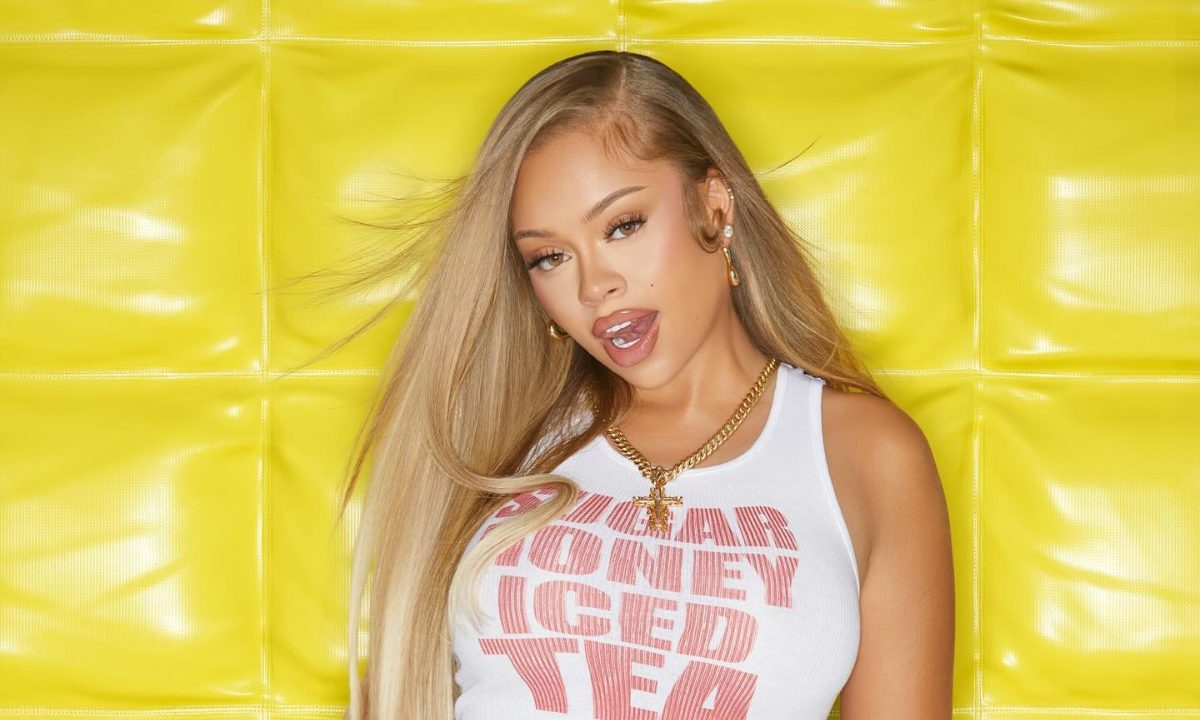
Consistent Brand Messaging
Throughout her career, Latto has maintained a remarkably consistent brand message centered around confidence, empowerment, and unapologetic self-expression. From her lyrics and visuals to her interviews and social media presence, this core message is evident. Consistency in branding builds trust and familiarity, making the brand instantly recognizable and its values clear to the audience. Even as her aesthetic evolved, the underlying tenets of her brand remained steadfast, allowing her audience to grow with her while still recognizing the artist they first connected with. This steadfastness in communicating her brand’s essence is a critical factor in her ability to maintain relevance, cultivate a strong community, and solidify her position as an influential voice in the music industry.
aViewFromTheCave is a participant in the Amazon Services LLC Associates Program, an affiliate advertising program designed to provide a means for sites to earn advertising fees by advertising and linking to Amazon.com. Amazon, the Amazon logo, AmazonSupply, and the AmazonSupply logo are trademarks of Amazon.com, Inc. or its affiliates. As an Amazon Associate we earn affiliate commissions from qualifying purchases.