
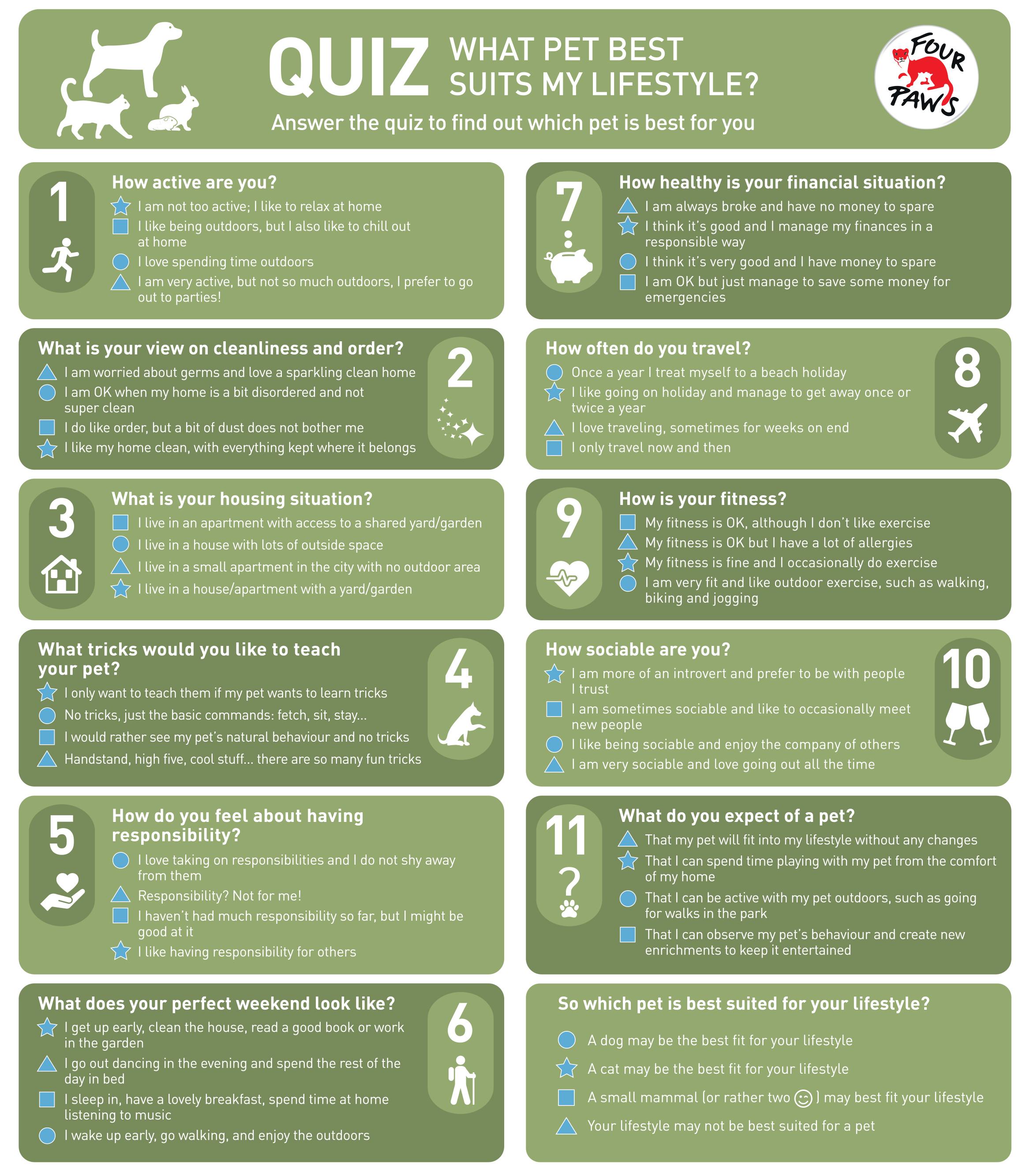
The enduring desire for animal companionship has met a powerful new ally in the digital age: technology. Gone are the days when choosing a pet relied solely on anecdotal advice, impulse, or limited exposure. Today, the seemingly simple question, “What pet is best for me?”, is increasingly being answered through sophisticated online quizzes and recommendation systems, marking a significant technological shift in how prospective pet owners approach this life-altering decision. These digital tools are more than just casual internet diversions; they represent a robust application of data science, user experience design, and often, artificial intelligence, aimed at creating harmonious human-animal pairings.
The Digital Evolution of Pet Selection
Historically, the journey to pet ownership often began with visiting a local shelter, a pet store, or relying on word-of-mouth recommendations from friends and family. While these methods still hold value, they frequently lack a systematic approach to matching a pet’s needs and temperament with a potential owner’s lifestyle, living situation, and long-term commitment capacity. This often led to mismatches, resulting in stress for both pet and owner, and unfortunately, a higher rate of pet relinquishment.
The rise of the internet ushered in an era of abundant information, but sheer volume alone wasn’t enough to solve the personalization problem. The true innovation arrived with interactive digital platforms. The “what pet is best for me quiz” concept emerged as a practical application of web-based technology designed to filter and process information dynamically based on user input. These quizzes transform a complex decision-making process into an engaging, structured, and data-driven experience. From simple multiple-choice formats to intricate algorithms considering dozens of variables, these digital tools streamline the selection process, making it more informed and less prone to emotional impulse or limited knowledge. They serve as a crucial first step, guiding individuals through a personalized journey to discover suitable pet companions, thereby fostering more responsible and sustainable pet ownership practices.
Unpacking the Algorithm: How Pet Quizzes Work
At their core, sophisticated “best pet” quizzes are powered by intelligent algorithms designed to analyze user data and cross-reference it with extensive databases of pet characteristics. This isn’t just about matching preferences; it’s about predicting compatibility based on a multitude of factors, moving far beyond superficial attributes.
Data Collection and Input Variables
The effectiveness of any recommendation system begins with the quality and breadth of the data it collects. For pet quizzes, this typically involves a series of carefully crafted questions designed to extract key information about a user’s:
- Lifestyle: Are they active or sedentary? Do they work long hours or from home? How often do they travel?
- Living Situation: Do they live in an apartment or a house with a yard? Is the space large or small? Are there other pets or children?
- Experience Level: Have they owned pets before? Are they prepared for extensive training or grooming?
- Preferences: Do they prefer a playful or calm companion? Are allergies a concern? What are their aesthetic preferences (though these are often downplayed in favor of behavioral traits)?
- Commitment: How much time and financial resources are they willing to dedicate to a pet?
These inputs are then quantified and weighted by the algorithm, preparing them for the matching process.
The Matching Engine: From Rules-Based to Machine Learning
Early iterations of these quizzes might have relied on simple rules-based logic: “If UserHasSmallApartment AND UserWorksLongHours, then Exclude: LargeDogs, HighEnergy_Breeds.” While functional, this approach is limited in its nuance and ability to handle complex interactions between variables.
Modern, more advanced pet recommendation systems increasingly leverage machine learning (ML) and artificial intelligence (AI). These systems can:
- Identify Patterns: ML algorithms can analyze vast datasets of existing pet-owner relationships (often anonymized data from pet registries, vet visits, or rescue organizations) to identify subtle patterns and correlations that human programmers might miss. For example, a system might discover that individuals who enjoy outdoor hiking also tend to thrive with a specific temperament of dog, even if not explicitly stated in a rule.
- Predict Compatibility: By comparing a new user’s profile against these learned patterns and pet databases, the AI can predict which pet types or even specific breeds/species are most likely to result in a successful, long-term bond. This moves beyond simple exclusion to proactive recommendation.
- Adapt and Improve: AI-driven systems can learn from user feedback. If users consistently rate recommendations poorly, the algorithm can adjust its weighting or refine its models. Conversely, positive feedback reinforces successful matching parameters. This continuous learning ensures the quiz becomes more accurate and insightful over time.
Beyond the Basics: Features of Advanced Pet Recommendation Systems
Today’s cutting-edge pet matching platforms go far beyond generic breed suggestions, integrating multiple technological facets to provide highly personalized and actionable insights.
Holistic Profile Analysis
Advanced quizzes delve deeper than surface-level questions. They might incorporate psychological profiling elements to understand a user’s personality traits (e.g., introversion/extraversion, patience levels), correlating these with known animal behaviors. For instance, a highly introverted individual might be better suited for a calm, independent cat breed rather than a demanding, highly social dog. They also analyze spatial and temporal commitments, calculating the actual hours an owner can dedicate to play, training, and care, and matching it against a pet’s estimated needs for exercise and mental stimulation.
Breed-Specific & Species-Agnostic Matching
While many quizzes focus on dog and cat breeds, the most comprehensive systems extend their databases to include a broader array of companion animals, from rabbits and guinea pigs to exotic birds and reptiles. For each species or breed, the system maintains detailed profiles covering:
- Temperament and Personality: Known behavioral traits, activity levels, trainability, vocalization tendencies.
- Care Requirements: Grooming needs, dietary considerations, exercise demands, typical health issues.
- Social Needs: Whether the animal thrives alone, in pairs, or in a family setting.
- Lifespan and Size: Long-term commitment implications.

This rich data allows for precise matching across diverse pet options, ensuring recommendations are not only compatible with lifestyle but also with specific care capabilities.
Integration with Pet Ecosystems
The most sophisticated platforms don’t just stop at recommendations. They often integrate with broader digital ecosystems for pet care. This might include:
- Geolocation Services: Connecting users with local shelters, rescue organizations, or reputable breeders that currently have suitable pets available, based on the quiz results.
- Educational Resources: Providing links to articles, videos, and guides on specific pet care, training tips, and common challenges for the recommended animals.
- Virtual Consultations: Offering AI-powered chat bots or even connecting users with virtual veterinarians or pet behaviorists for further guidance before or after adoption.
- Pet Management Apps: Some quiz platforms are part of larger apps that help owners manage feeding schedules, vet appointments, and training logs post-adoption, creating a continuous technological thread from selection to ongoing care.
The Benefits of Tech-Driven Pet Matching
The technological leap in pet selection offers a myriad of benefits, elevating the experience for both prospective owners and the animals themselves.
Enhanced Accuracy and Reduced Mismatches
By leveraging data science and AI, these quizzes significantly improve the accuracy of pet recommendations. They move beyond superficial appeal to consider genuine compatibility, greatly reducing the likelihood of a mismatch that could lead to frustration, neglect, or abandonment. This proactive approach supports the welfare of animals by placing them in environments where they are more likely to thrive.
Convenience and Accessibility
Online quizzes provide an accessible and convenient way for anyone, anywhere, to explore pet ownership responsibly. They eliminate geographical barriers and allow individuals to thoroughly research and consider their options from the comfort of their homes, often before ever visiting a physical shelter or store. This broadens the pool of informed potential adopters.
Education and Awareness
Beyond merely suggesting a pet, these platforms often serve an invaluable educational purpose. By asking detailed questions about lifestyle, time commitment, and financial capacity, they subtly educate users about the true responsibilities of pet ownership. They highlight aspects that might not be immediately obvious, such as specific breed health issues or the extent of grooming required for certain animals, thereby fostering a more informed and prepared pet-owning community.
Supporting Responsible Adoption and Welfare
For shelters and rescue organizations, these tools can be game-changers. By directing pre-qualified, highly compatible individuals their way, the technology streamlines the adoption process, reduces the burden of manual screening, and ultimately helps more animals find forever homes faster. It contributes to a culture of thoughtful, responsible pet acquisition, moving away from impulse decisions towards a commitment based on genuine suitability.

Looking Ahead: The Future of Personalized Pet Tech
The evolution of pet-matching technology is far from over. Future advancements promise even more immersive, intelligent, and integrated experiences.
One exciting frontier is the integration of Virtual Reality (VR) and Augmented Reality (AR). Imagine not just reading about a recommended pet’s temperament, but virtually interacting with a 3D model of it in your own living space, observing its simulated behavior, and even “playing” with it. This could provide an unprecedented level of insight into a pet’s presence and potential fit before making a real-world commitment.
Advanced AI and Genetic Profiling could also play a significant role. As DNA sequencing becomes more affordable and comprehensive, future systems might incorporate genetic data from both pets (e.g., assessing predisposition to certain behaviors or health conditions) and owners (e.g., allergy sensitivities), refining compatibility recommendations to an even finer degree. Ethical considerations around data privacy and genetic determinism would, of course, need careful navigation.
Furthermore, greater integration with smart home ecosystems and wearable tech for pets is anticipated. Imagine a system that not only recommends a pet but also suggests compatible smart feeders, activity monitors, and environmental controls that can automatically adjust to the pet’s needs. This would create a seamless technological support system for the entire lifespan of the pet.
Ultimately, the “what pet is best for me quiz” is a testament to how technology can be harnessed to enhance deeply personal decisions, fostering more harmonious relationships and promoting animal welfare. As these tools continue to evolve, they will undoubtedly play an even more pivotal role in shaping the future of pet parenthood, making it more informed, responsible, and joyful.
aViewFromTheCave is a participant in the Amazon Services LLC Associates Program, an affiliate advertising program designed to provide a means for sites to earn advertising fees by advertising and linking to Amazon.com. Amazon, the Amazon logo, AmazonSupply, and the AmazonSupply logo are trademarks of Amazon.com, Inc. or its affiliates. As an Amazon Associate we earn affiliate commissions from qualifying purchases.