
The Assassin’s Creed franchise stands as a monumental achievement in interactive software design, offering a unique blend of historical fiction, open-world exploration, and parkour-infused action. Spanning over a dozen mainline titles and numerous spin-offs across various console generations and PC platforms, navigating its vast software catalog can be a significant undertaking for both new initiates and returning players. Understanding the optimal play order is crucial for maximizing narrative coherence, appreciating technical evolution, and ensuring a seamless user experience. This guide delves into different approaches to tackling this sprawling digital saga, framed through the lens of software appreciation, game design evolution, and platform accessibility.
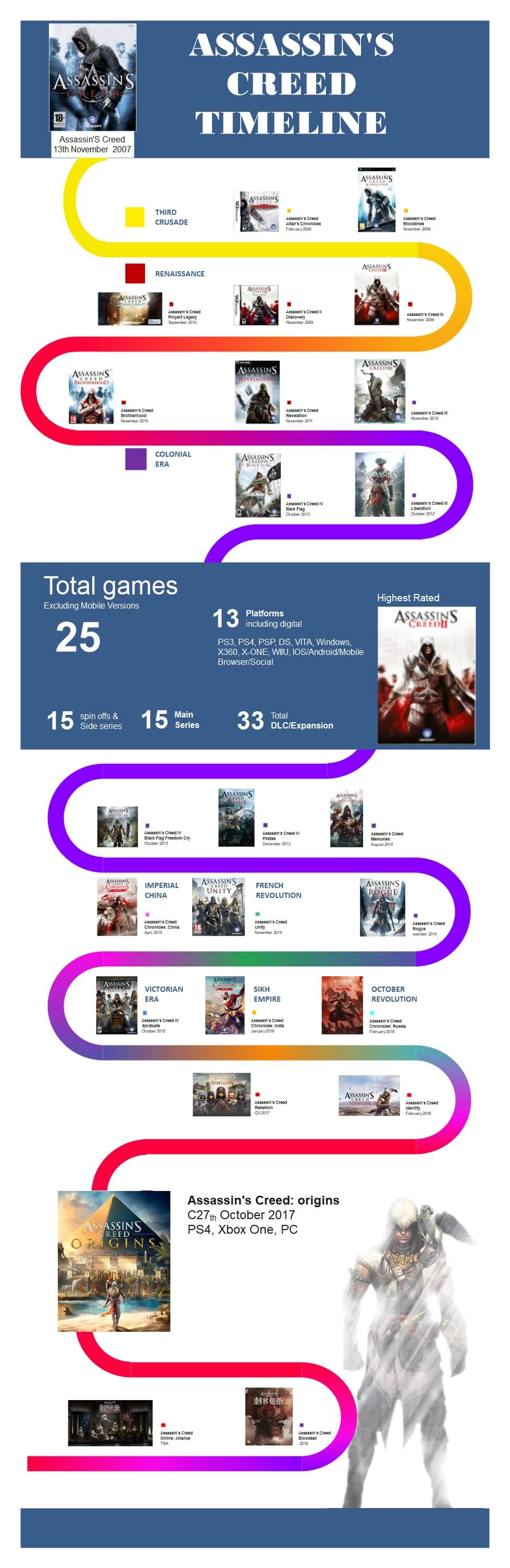
The Chronological Journey: A Story-Driven Software Progression
For players primarily interested in the overarching narrative and the deep historical simulations presented by the software, playing the games in the order of their in-game historical settings offers an immersive and contextually rich experience. This approach allows users to trace the lineage of the Assassins and Templars through time, witnessing the development of their philosophies and technologies within the historical fabric. It’s akin to experiencing a meticulously designed digital history textbook, with each game representing a distinct software build of a historical period.
Ancient Worlds and Foundational Conflicts (Origins, Odyssey, Valhalla, Mirage)
Starting with the earliest historical settings reveals the nascent stages of the Assassin Brotherhood (the Hidden Ones) and their ideological clashes.
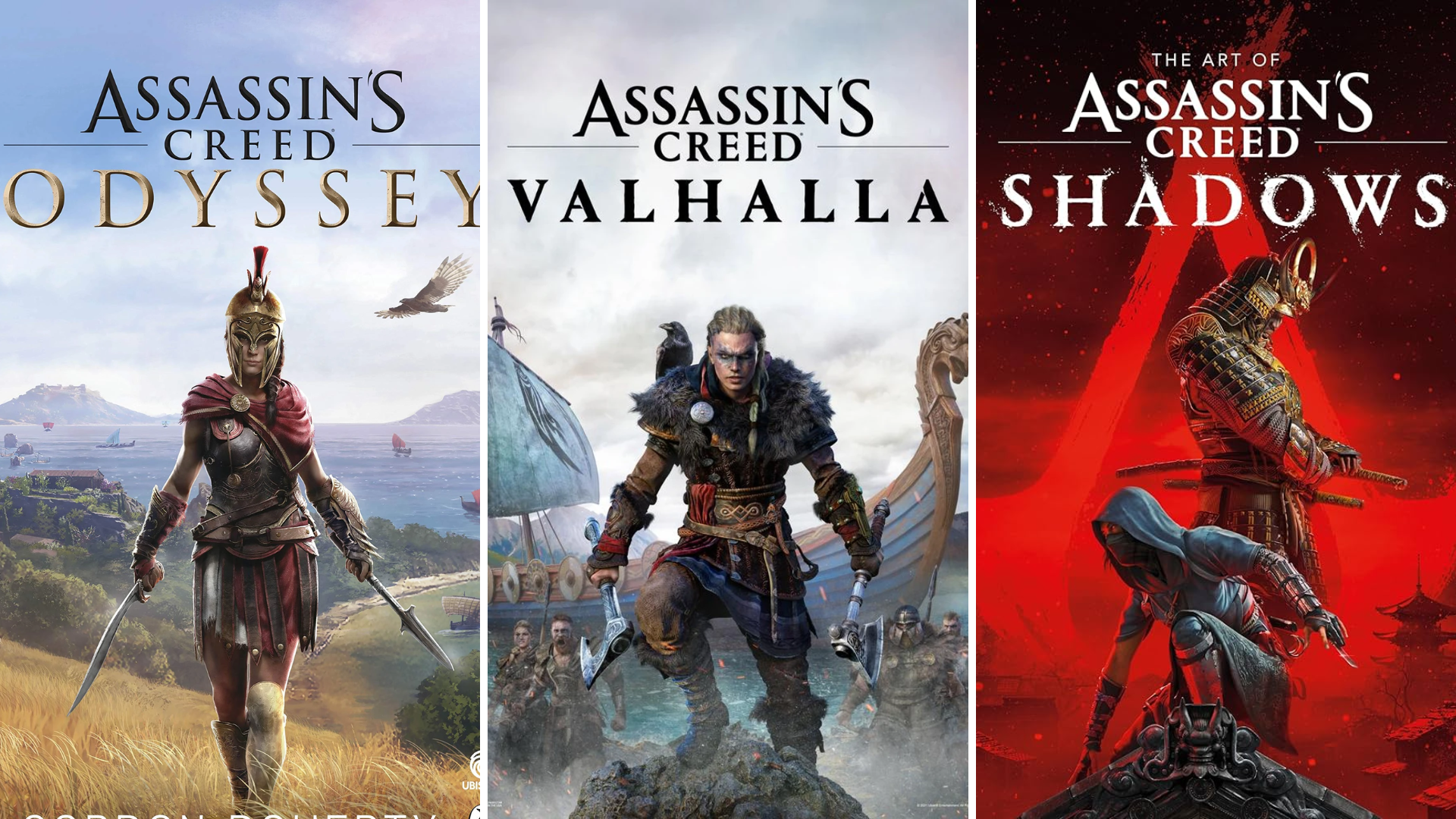
- Assassin’s Creed Odyssey (431–422 BCE): This title represents the earliest historical setting in the series, preceding the official formation of the Hidden Ones. It serves as a foundational narrative, exploring themes of order versus chaos and the origins of a powerful precursor civilization. From a software perspective, Odyssey showcases an expansive RPG system and a vast, detailed recreation of ancient Greece, pushing the boundaries of open-world complexity.
- Assassin’s Creed Origins (49–43 BCE): Often considered the origin story of the Assassin Brotherhood, this software immerses players in Ptolemaic Egypt. Playing Origins after Odyssey creates a compelling bridge, showing the shift from individual heroic acts to a more structured ideological movement. Its technical achievements include a groundbreaking open-world engine that rendered ancient Egypt with unprecedented detail, establishing many of the core mechanics for subsequent RPG-focused titles.
- Assassin’s Creed Mirage (861 CE): Set in 9th-century Baghdad, Mirage acts as a direct narrative prequel to Assassin’s Creed Valhalla, detailing the early years of Basim Ibn Ishaq within the Hidden Ones. This title marks a deliberate return to the series’ stealth and parkour roots, offering a more focused, linear narrative experience compared to its RPG predecessors. Technically, it refines the core movement and combat systems, prioritizing precision and environmental interaction within a more dense, urban environment.
- Assassin’s Creed Valhalla (872–878 CE): Following Mirage, Valhalla expands the story to Viking-age England, connecting directly with characters and lore introduced in Mirage. This software build continues the RPG framework, integrating base-building mechanics and large-scale raids into its open-world design, showcasing an evolution in quest design and player choice that impact the digital world.
The Renaissance to Colonial Eras: Expanding the Software Sandbox
This period encompasses many of the series’ most iconic titles, highlighting the technological and philosophical advancements of humanity alongside the ongoing secret war.
- Assassin’s Creed (1191 CE): The inaugural software in the series, set during the Third Crusade. While mechanically simpler than later entries, it establishes the core tenets of the franchise: stealth, parkour, and historical exploration. Playing it after the ancient titles provides a stark contrast in digital world scale and gameplay sophistication, demonstrating the rapid evolution of the franchise’s underlying engine.
- The Ezio Trilogy (AC II, Brotherhood, Revelations – 1476–1512 CE): These three titles (Assassin’s Creed II, Assassin’s Creed Brotherhood, Assassin’s Creed Revelations) represent a pivotal arc, tracing Ezio Auditore’s journey through Renaissance Italy and Ottoman Constantinople. From a software perspective, this trilogy showcased significant advancements in open-world density, emergent gameplay mechanics (like the Brotherhood system), and a refined parkour system that became a benchmark for the genre. They are often hailed for their robust mission design and engaging character development.
- Assassin’s Creed IV: Black Flag (1715–1722 CE): A vibrant pirate adventure set in the Golden Age of Piracy, this software pushed the boundaries of open-world design with its vast naval combat system and seamless transitions between land and sea. While narratively tangential to the core Assassin-Templar conflict for much of its runtime, its technical prowess and unique gameplay loop made it a standout.
- Assassin’s Creed Rogue (1752–1760 CE): Set during the Seven Years’ War, Rogue offers a unique perspective by casting the player as a former Assassin who joins the Templars. Its gameplay mirrors Black Flag but introduces elements specific to a colder, North Atlantic setting. Playing it directly before Assassin’s Creed III provides crucial context for the latter’s narrative.
- Assassin’s Creed III (1754–1783 CE): Set during the American Revolution, this title introduced extensive wilderness exploration, tree-running parkour, and significant improvements to combat. It served as a technical showcase for the AnvilNext engine, demonstrating enhanced graphical fidelity and larger-scale battlefield simulations.
Industrial Revolution to Modern Day: Refined Digital Worlds
The later historical settings bring players closer to the present, featuring increasingly complex urban environments and advanced software functionalities.
- Assassin’s Creed Unity (1789–1794 CE): Set during the French Revolution, Unity delivered a breathtakingly detailed recreation of 18th-century Paris. Its technical ambition was evident in its crowd density, improved parkour mechanics (up and down), and a co-op multiplayer mode, though it faced initial performance challenges common with cutting-edge software releases.
- Assassin’s Creed Syndicate (1868 CE): Transporting players to Industrial Revolution London, Syndicate introduced dual protagonists (Jacob and Evie Frye) and a grapple hook mechanic, drastically altering traversal. It further refined the stealth and combat systems, offering a highly polished and engaging digital sandbox.
Release Order: Experiencing Software Evolution

Playing the Assassin’s Creed games in their original release order offers a unique perspective on the evolution of game design, technical capabilities, and the iterative development process of a major franchise. This method allows players to witness firsthand how Ubisoft’s Anvil engine (and its iterations) developed, how gameplay mechanics were introduced and refined, and how narrative structures adapted over time. It’s an ideal approach for those interested in the history of interactive software development.
Early Innovations and Series Foundation
- Assassin’s Creed (2007): Experience the original vision and its foundational mechanics. Understand where the series began technically and narratively.
- Assassin’s Creed II (2009): Witness the massive leap in open-world design, character development, and mission variety that set the standard for future titles.
- Assassin’s Creed Brotherhood (2010): Observe the introduction of empire-building mechanics, the Assassin Brotherhood system, and refined combat.
- Assassin’s Creed Revelations (2011): See the culmination of the Ezio trilogy, bringing in elements like bomb crafting and the hookblade.
- Assassin’s Creed III (2012): Appreciate the new AnvilNext engine’s capabilities, sprawling frontier environments, and improved traversal.
- Assassin’s Creed IV: Black Flag (2013): Marvel at the shift to naval combat and an expansive Caribbean open-world.
- Assassin’s Creed Rogue (2014): Play the final game for the previous console generation, showcasing refined naval mechanics and a unique narrative perspective.
- Assassin’s Creed Unity (2014): Experience the ambitious graphical leap to the new generation, with denser cities and co-op integration.
- Assassin’s Creed Syndicate (2015): Enjoy refined urban traversal, dual protagonists, and the introduction of modern quality-of-life improvements.
Open-World Expansions and RPG Shifts
- Assassin’s Creed Origins (2017): Witness the significant pivot to an action RPG framework, with new combat systems, loot mechanics, and a vast ancient world. This title marked a clear new direction for the software series.
- Assassin’s Creed Odyssey (2018): See the RPG mechanics further expanded, offering unprecedented player choice and an even larger open-world sandbox.
Latest Iterations and Future Directions
- Assassin’s Creed Valhalla (2020): Experience the refinement of the RPG formula, integrating elements like settlement building and large-scale raids.
- Assassin’s Creed Mirage (2023): Observe a deliberate return to the series’ roots, emphasizing stealth and parkour in a more focused, compact digital environment. This reflects an attempt to diversify the software offerings within the franchise.
Best Entry Points for Newcomers: Optimized Initial User Experience
For those unfamiliar with the Assassin’s Creed ecosystem, certain titles offer a more accessible and enjoyable introduction without requiring extensive prior knowledge of the lore. These games often boast modern graphics, refined gameplay mechanics, or standalone narratives, providing an optimized initial user experience.
Standalone Stories and Modern Gameplay
- Assassin’s Creed IV: Black Flag: Despite its place in the chronological and release order, Black Flag functions exceptionally well as a standalone pirate adventure. Its unique gameplay loop, vibrant setting, and minimal reliance on previous lore make it a fantastic entry point for players seeking an engaging open-world experience with top-tier naval combat. Its technical polish for its era still holds up, and it’s readily available on modern platforms.
- Assassin’s Creed Origins: As the first of the “RPG trilogy,” Origins serves as a soft reboot. It introduces a new combat system, a vast open world of ancient Egypt, and a compelling origin story for the Brotherhood that doesn’t heavily rely on previous lore. Its refined mechanics and visually stunning environment make it a highly recommendable starting point for those who prefer modern action RPGs.
- Assassin’s Creed Odyssey: Similar to Origins, Odyssey offers an even deeper RPG experience set in ancient Greece. While its narrative ties to the broader lore are subtle, its expansive world, engaging side quests, and character-driven choices provide hundreds of hours of content for new players. The technical scope of this game is immense, offering a grand digital playground.
- Assassin’s Creed Mirage: For newcomers who prefer a classic stealth-action experience over the expansive RPGs, Mirage is an excellent choice. It’s a more concise, focused game that harkens back to the series’ earlier design philosophies, set in a beautifully crafted 9th-century Baghdad. Its narrative is relatively self-contained, making it easy to jump into.
Remastered Classics
- Assassin’s Creed: The Ezio Collection: This remastered package includes Assassin’s Creed II, Brotherhood, and Revelations with enhanced graphics and updated performance for modern consoles. While the gameplay mechanics are older, the compelling narrative and iconic character of Ezio make this collection a strong contender for those who appreciate classic gaming software and want to experience what many consider the golden age of the franchise.
A Note on Digital Preservation and Platform Accessibility
When deciding on a play order, consider the availability and technical performance of the software across various gaming platforms. Many older Assassin’s Creed titles have received remasters or are backward compatible on newer consoles (e.g., Xbox Series X/S, PlayStation 5), ensuring a smoother experience. PC users generally have the most flexibility, though optimizing older titles for modern hardware can sometimes require additional configuration or community patches. Always check platform-specific digital storefronts or physical media availability to ensure the desired software build is accessible. The ongoing efforts to preserve these digital artifacts ensure that players can continue to explore these meticulously crafted historical simulations for years to come.
aViewFromTheCave is a participant in the Amazon Services LLC Associates Program, an affiliate advertising program designed to provide a means for sites to earn advertising fees by advertising and linking to Amazon.com. Amazon, the Amazon logo, AmazonSupply, and the AmazonSupply logo are trademarks of Amazon.com, Inc. or its affiliates. As an Amazon Associate we earn affiliate commissions from qualifying purchases.