
Arizona is home to a rich tapestry of Native American nations, each with a distinct culture, history, and, significantly, an evolving economic footprint that contributes substantially to the state’s broader financial landscape. These tribal nations operate as sovereign governments, engaging in diverse economic activities that range from gaming and tourism to agriculture, energy development, and sophisticated investment strategies. Understanding the presence of these tribes in Arizona necessitates an appreciation of their profound economic impact and their intricate relationship with modern finance and business.
Arizona’s Indigenous Economic Powerhouses: Sovereignty and Self-Determination
The nearly two dozen federally recognized Native American tribes in Arizona represent more than just cultural heritage; they are vital economic engines. Each tribal nation, exercising its inherent sovereignty, has established governmental structures and business enterprises designed to foster economic self-sufficiency, create employment opportunities for their members, and generate revenue for essential community services such as healthcare, education, and infrastructure. This drive for self-determination through economic development is a cornerstone of tribal policy and a key factor in their financial strategies.
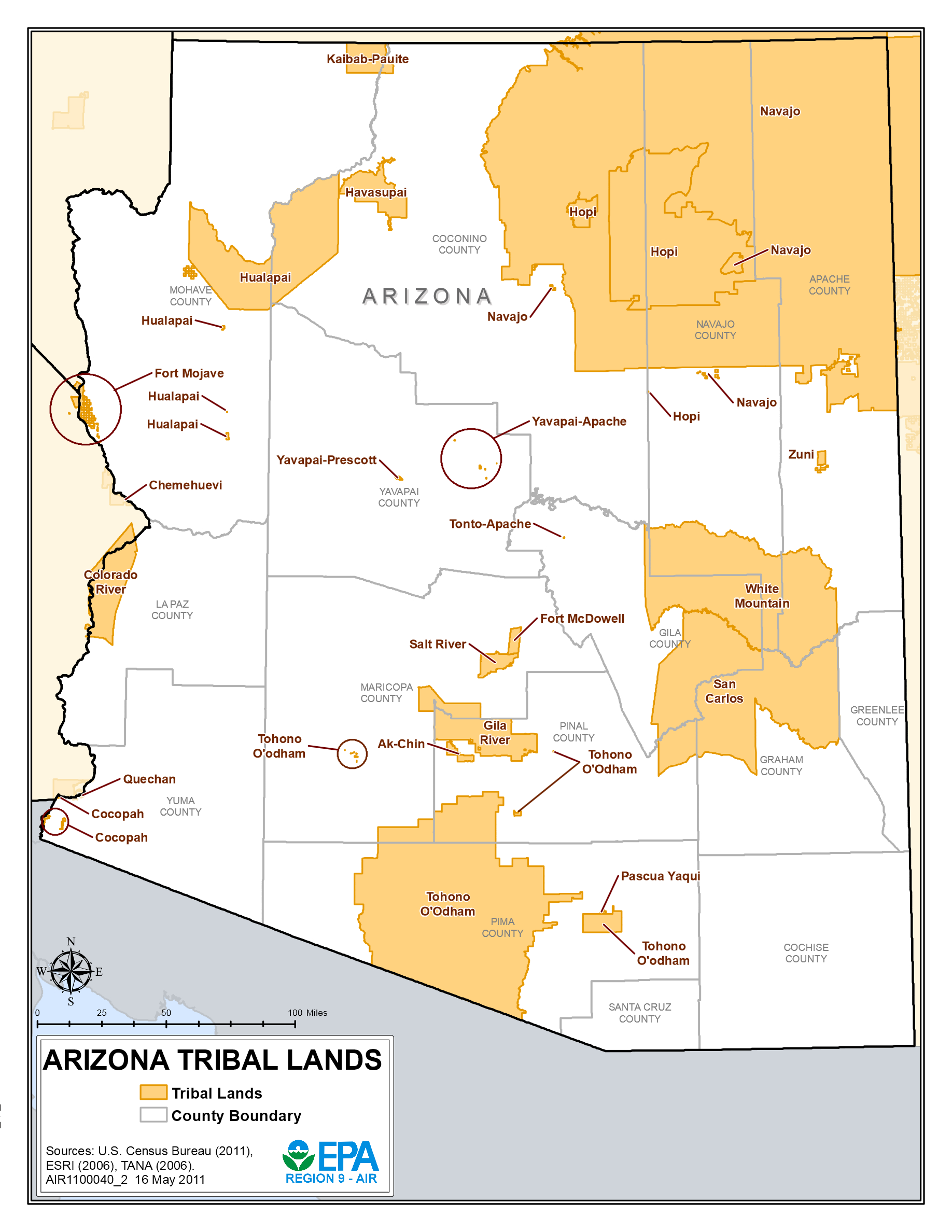
The collective economic contribution of Arizona’s tribes is immense. They collectively manage vast land resources, employ tens of thousands of people, and generate billions of dollars in economic activity annually. This economic prowess extends beyond tribal lands, creating ripple effects that benefit local, state, and even national economies. Their financial independence is not merely about accumulating wealth but about strengthening their ability to govern, preserve culture, and improve the quality of life for their people.
Major Tribal Nations and Their Diverse Economic Footprint
Arizona’s Native American landscape includes some of the largest and most economically influential tribes in the United States. Their financial strategies are as diverse as their cultures, often leveraging unique assets and opportunities.
Navajo Nation
The Navajo Nation, or Diné Bikéyah, is the largest Native American tribe in the U.S. by land area and population. While its territory extends into Utah and New Mexico, a significant portion lies in northeastern Arizona. The Navajo Nation’s economy is highly diversified, encompassing natural resource extraction (historically coal, oil, and gas, with increasing focus on renewable energy), tourism (e.g., Monument Valley, Canyon de Chelly), agriculture, retail, and a burgeoning arts and crafts market. The tribal government manages substantial budgets for public services and invests in infrastructure, economic development projects, and tribal enterprises, aiming to create sustainable revenue streams that support its vast population.
Gila River Indian Community
Located south of Phoenix, the Gila River Indian Community is a major economic force in the metropolitan area. Their financial success is largely driven by gaming (e.g., Gila River Resorts & Casinos), hospitality, and a significant agricultural sector (cotton, pecans, citrus). The community also engages in commercial real estate development and operates various enterprises that provide employment and contribute to its financial stability and growth. Their strategic location near a major urban center has allowed for successful ventures in entertainment and retail, generating substantial income for community development.
Salt River Pima-Maricopa Indian Community
Adjacent to Scottsdale and Mesa, the Salt River Pima-Maricopa Indian Community (SRPMIC) has strategically developed its land for a diverse array of economic activities. Their portfolio includes highly successful gaming operations (Talking Stick Resort and Casino Arizona), golf courses, retail centers, light industrial parks, and significant real estate holdings. The community has established itself as a sophisticated real estate developer and manager, utilizing its advantageous location to attract major businesses and generate robust revenue streams for tribal services and member benefits.
Tohono O’odham Nation
The Tohono O’odham Nation, with territory stretching from south-central Arizona to the Mexican border, operates a diverse economy. Gaming is a significant revenue generator (Desert Diamond Casinos), but the Nation also maintains a strong agricultural presence, particularly in cattle ranching, and engages in various governmental and service enterprises. Its cross-border location presents unique economic considerations and opportunities, influencing trade and economic development strategies within its vast lands.
Hopi Tribe
Situated within the Navajo Nation, the Hopi Tribe is renowned for its rich cultural traditions and artisanal craftsmanship. Economically, the tribe has historically relied on royalties from coal mining, which has been a complex financial and environmental issue. More recently, the Hopi economy emphasizes cultural tourism, arts and crafts sales, and agricultural pursuits adapted to its arid environment. The tribe actively seeks to diversify its economic base, exploring renewable energy projects and sustainable development that align with their cultural values.
Ak-Chin Indian Community
Southwest of Phoenix, the Ak-Chin Indian Community is a leader in sustainable agriculture, utilizing advanced irrigation techniques to grow various crops. Alongside agriculture, gaming (Harrah’s Ak-Chin Casino Resort) and related hospitality services are significant contributors to their economy. The community is recognized for its sound financial management and reinvestment of profits into education, healthcare, and infrastructure, showcasing a balanced approach to economic growth and community well-being.
Fort McDowell Yavapai Nation
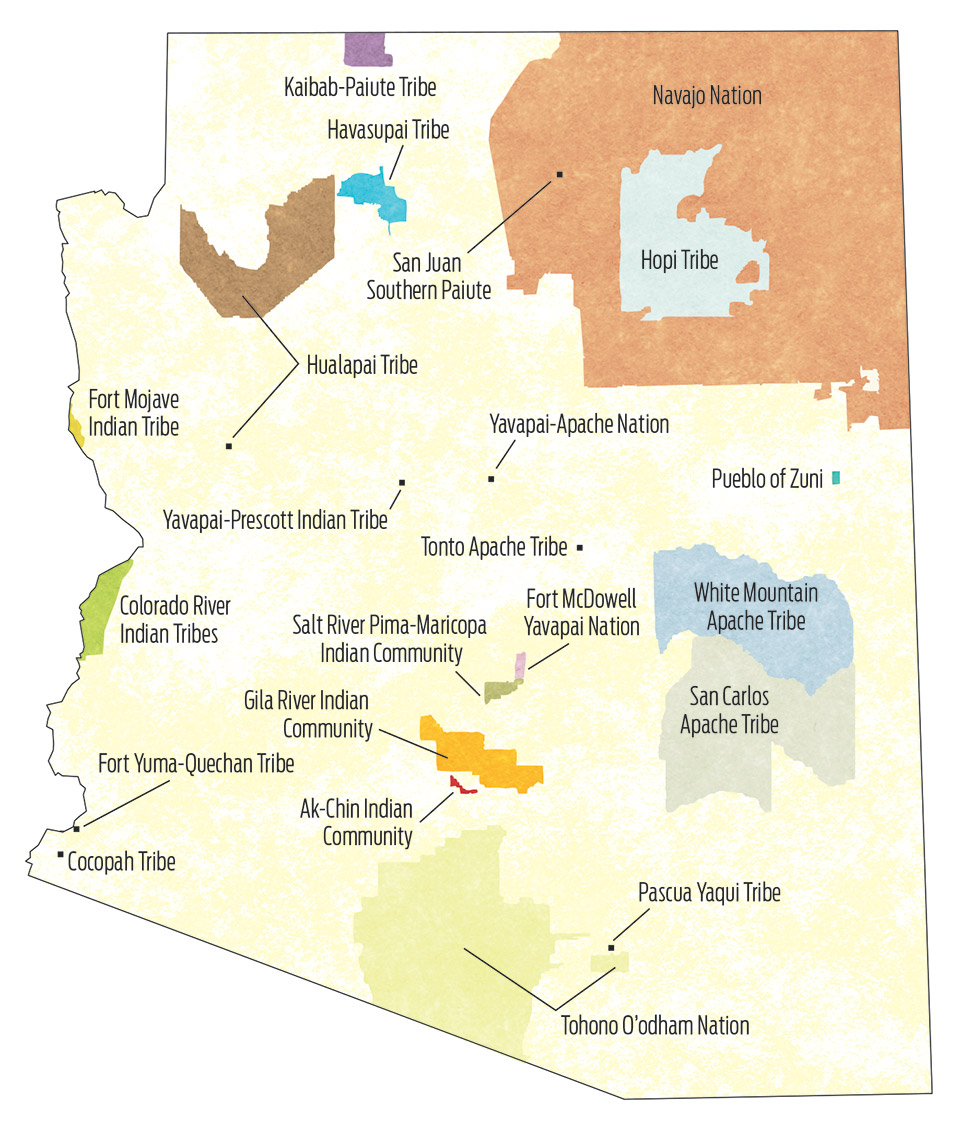
Located northeast of Phoenix, the Fort McDowell Yavapai Nation has built a successful economy around gaming (We-Ko-Pa Casino Resort), hospitality, and recreational tourism (golf courses, resort facilities). The Nation also engages in aggregate mining, agriculture, and water resource management, demonstrating a multifaceted approach to economic development that leverages its natural assets and strategic location.
Other prominent tribes include the Colorado River Indian Tribes (agriculture, tourism), Yavapai-Apache Nation (gaming, tourism), San Carlos Apache Tribe (cattle, tourism, limited gaming), Hualapai Tribe (tourism via Grand Canyon West Skywalk), White Mountain Apache Tribe (timber, tourism, gaming), and various other Yavapai and Paiute communities, each contributing to Arizona’s economic fabric through unique enterprises and financial strategies.
Diverse Revenue Streams and Financial Stewardship
The financial health of Arizona’s tribal nations extends far beyond the often-highlighted gaming industry. While tribal casinos provide substantial revenue, tribes are increasingly diversifying their income sources and employing sophisticated financial stewardship practices.
Beyond Gaming: A Spectrum of Enterprises
Tribal economies are robust and multi-faceted. Many tribes engage in:
- Tourism and Hospitality: Resorts, hotels, cultural centers, campgrounds, and recreational facilities.
- Agriculture: Large-scale farming, ranching, and specialized crop production.
- Energy Development: Solar, wind, geothermal projects, and traditional resource extraction.
- Manufacturing and Industrial Parks: Leveraging land and infrastructure for various industries.
- Healthcare and Social Services: Operating tribal health clinics and social programs, often funded through tribal revenues and federal grants.
- Real Estate Development: Residential, commercial, and industrial leasing and development.
- Retail and Commerce: Shopping centers, gas stations, convenience stores.
These enterprises require careful financial planning, strategic investment, and sound business management. Tribal governments often establish separate economic development corporations or holding companies to manage these ventures, ensuring professional oversight and accountability.
Financial Planning and Investment Strategies
Tribal governments employ robust financial planning and investment strategies to ensure long-term sustainability. This includes:
- Budgeting and Fiscal Management: Managing complex budgets that balance enterprise profits with governmental expenditures for public services.
- Investment Funds: Establishing sovereign wealth funds or investment portfolios to generate passive income and secure future generations’ financial well-being.
- Debt Management: Strategically utilizing loans and bonds for capital projects and infrastructure development.
- Trust Fund Management: Managing funds held in trust by the federal government, often derived from land use or settlements.
- Sustainable Resource Management: Integrating environmental stewardship with economic development, especially concerning water, land, and energy resources.
The focus is often on creating generational wealth, diversifying asset portfolios, and reinvesting profits into community services that uplift tribal members.
Challenges and Opportunities in Tribal Finance
While Arizona’s tribes have achieved significant economic success, they also navigate unique financial challenges and opportunities.
Persistent Financial Challenges
- Infrastructure Deficiencies: Many tribal lands, especially in remote areas, lack adequate infrastructure (broadband, roads, utilities), hindering economic growth and increasing development costs.
- Access to Capital: Despite growing success, some tribes still face hurdles in accessing conventional financing due to historical biases or unique land trust regulations.
- Regulatory Complexity: Operating within a complex framework of tribal, federal, and state laws adds layers of regulatory burden and cost to business operations.
- Geographic Isolation: Some tribes are located far from major markets, limiting certain types of economic development and increasing transportation costs.
- Historic Underinvestment: Decades of underinvestment have created significant gaps in housing, education, and healthcare infrastructure that require substantial financial commitment to address.

Emerging Opportunities and Strategic Growth
- Diversification: Tribes continue to explore new industries, from high-tech manufacturing to renewable energy, to reduce reliance on single revenue streams.
- Inter-Tribal Commerce: Collaboration between tribes on business ventures, shared services, and regional economic development is growing, creating larger market opportunities.
- Technological Adoption: Leveraging technology for e-commerce, remote work, and digital services is opening new pathways for economic participation and revenue generation, especially for remote communities.
- Cultural Economy: Capitalizing on unique cultural assets through tourism, authentic arts and crafts, and educational experiences can create sustainable, culturally relevant income.
- Advocacy and Policy Influence: Tribes are increasingly effective in advocating for policies at state and federal levels that support tribal economic development, improve funding mechanisms, and clarify regulatory environments.
- Leveraging Data and Analytics: Employing sophisticated data analysis to inform investment decisions, identify market trends, and optimize business operations.
The Native American tribes in Arizona are not merely historical entities; they are dynamic, financially savvy nations actively shaping their economic futures. Their presence contributes not only to the rich cultural diversity of Arizona but also to its economic vitality, driving innovation and sustainable development across the state.
aViewFromTheCave is a participant in the Amazon Services LLC Associates Program, an affiliate advertising program designed to provide a means for sites to earn advertising fees by advertising and linking to Amazon.com. Amazon, the Amazon logo, AmazonSupply, and the AmazonSupply logo are trademarks of Amazon.com, Inc. or its affiliates. As an Amazon Associate we earn affiliate commissions from qualifying purchases.