
Understanding your chronotype, often colloquially simplified to whether you are a “morning lark” or a “night owl,” is far more than a preference for wake-up times. It’s a profound insight into your body’s intrinsic biological clock, dictating your natural peaks and troughs of energy, focus, and cognitive function throughout a 24-hour cycle. For individuals and businesses alike, recognizing and strategically aligning with these inherent rhythms can be a powerful lever for optimizing productivity, enhancing decision-making, and ultimately, boosting financial outcomes. In a world increasingly demanding peak performance, leveraging your chronotype isn’t just about feeling better; it’s about working smarter to earn, save, and grow wealth more effectively.

Decoding Your Biological Clock: The Foundation of Financial Acumen
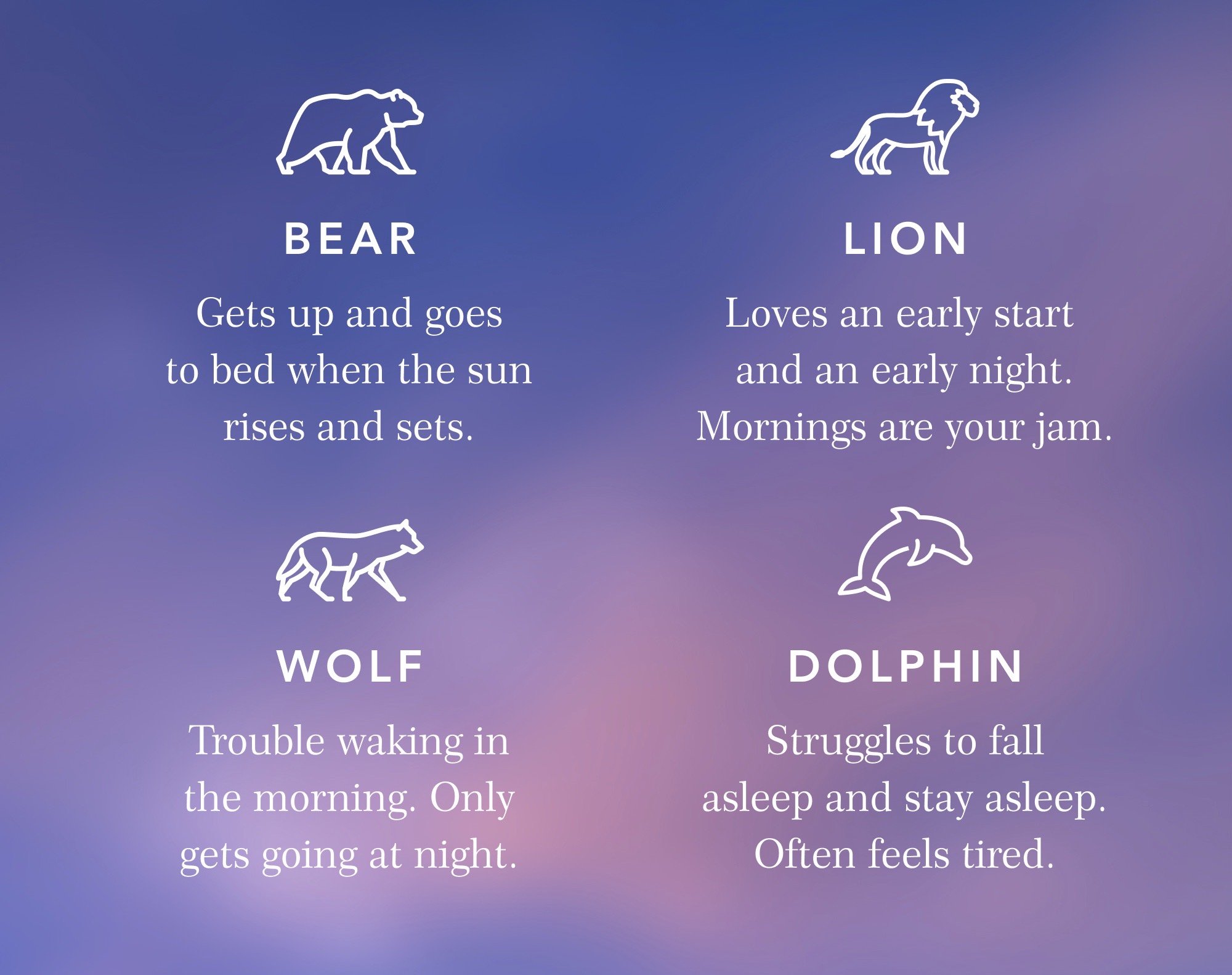
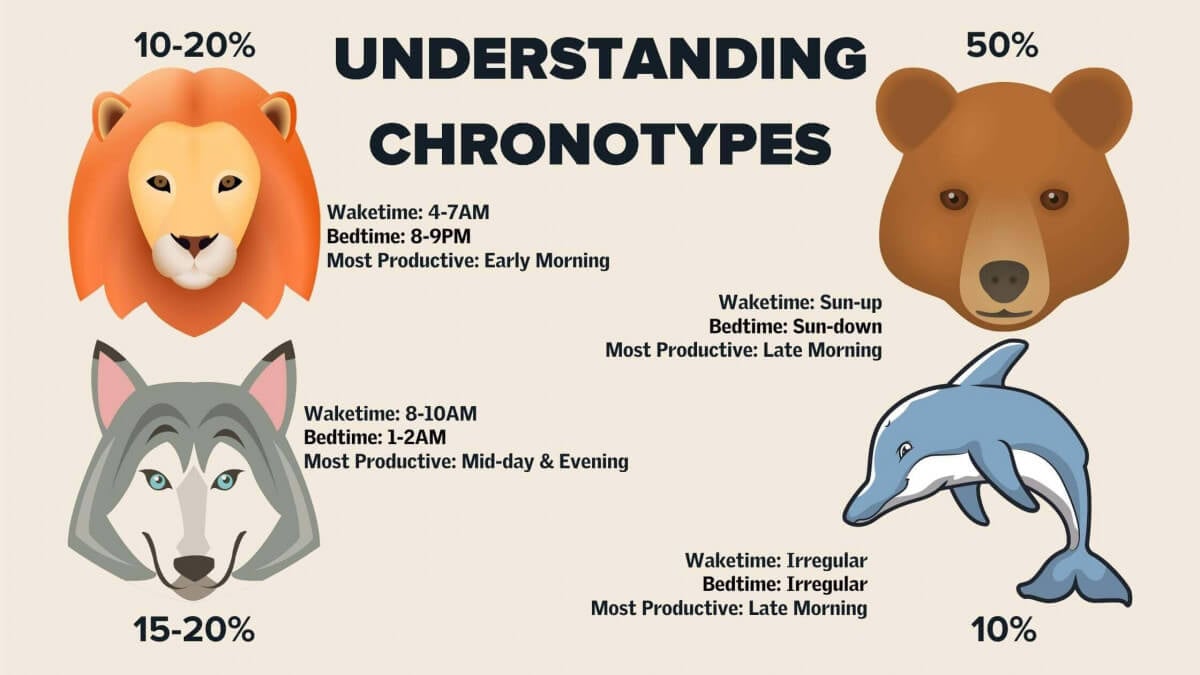
At its core, your chronotype is a manifestation of your circadian rhythm, a roughly 24-hour internal clock that regulates a myriad of physiological processes, including sleep-wake cycles, hormone release, and metabolism. While many people fall into a “normal” or “hummingbird” chronotype, distinct patterns emerge, categorized generally into four main types:
- Lark (Early Chronotype): Naturally wakes early, feels most energetic and productive in the morning, and winds down by early evening.
- Owl (Late Chronotype): Struggles with early mornings, hits peak productivity in the late afternoon or evening, and prefers to go to bed late.
- Bear (Moderate/Hummingbird): Follows the sun’s cycle, waking and sleeping with relative ease. Productive during standard working hours but can experience an afternoon slump.
- Wolf (Extreme Late Chronotype): An even more extreme version of the owl, thriving deep into the night and struggling significantly with morning commitments.
Identifying your chronotype isn’t about fitting into a rigid box but understanding your inherent tendencies. Various online quizzes and self-assessment tools can help pinpoint your type by analyzing your preferred sleep times, peak alertness, and energy levels when undisturbed by external obligations. Once identified, this knowledge becomes a strategic asset, allowing you to reframe how you approach work, manage your time, and make critical financial decisions.
The Science Behind Chronotypes and Performance
Research consistently demonstrates a correlation between chronotype and cognitive performance. Larks often show superior performance on tasks requiring sustained attention and processing speed in the morning, while owls excel in these areas later in the day. Trying to force yourself to perform complex tasks outside your natural peak window can lead to decreased efficiency, increased errors, and higher levels of stress and burnout. For entrepreneurs, professionals, and anyone striving for financial growth, understanding these peaks and troughs is paramount. It allows for the strategic allocation of mental resources, ensuring that your most challenging or lucrative tasks are tackled when your brain is firing on all cylinders, leading to higher quality work and greater output.
Monetizing Your Peak Hours: Aligning Chronotype with Income Generation
The most direct financial benefit of understanding your chronotype lies in optimizing your work schedule. Whether you’re a salaried employee, a freelancer, or an entrepreneur, aligning your most demanding tasks with your biological peak hours can dramatically improve productivity and the quality of your output.
Strategic Scheduling for Maximum Earning Potential
For Larks, the early morning hours are a golden opportunity. This is the time to tackle projects requiring intense focus, analytical thinking, or creative problem-solving. This could mean:
- Deep Work for Freelancers: Writing proposals, coding complex algorithms, or drafting strategic marketing plans before the world wakes up.
- Critical Decision-Making for Business Owners: Reviewing financial reports, making investment choices, or strategizing business expansion.
- High-Value Tasks for Employees: Working on high-impact presentations, engaging in strategic planning, or tackling complex analytical work before the distraction of emails and meetings sets in.
For Owls, the late afternoon and evening offer a similar advantage. This is when their cognitive faculties are sharpest, and they can leverage:
- Nighttime Entrepreneurship: Developing online courses, managing e-commerce operations, or engaging in late-night networking for global markets.
- Creative Project Bursts: Many artists, writers, and developers find their muse comes alive after traditional working hours.
- Focused Learning and Skill Development: Utilizing quiet evening hours to acquire new skills that command higher wages or open new income streams.
Bears, with their more conventional energy curve, benefit from structuring their day to align with standard business hours, but also recognizing and mitigating their afternoon slump. Scheduling less demanding tasks, administrative work, or short breaks during this period can help maintain overall productivity.
Optimizing Online Income and Side Hustles
The rise of the gig economy and online income streams offers unprecedented flexibility to align work with chronotypes.
- For Early Risers: Early morning hours can be dedicated to content creation (blogging, YouTube scripting), stock market analysis, or engaging with early-bird clients in different time zones. The quiet morning offers an uninterrupted environment for deep work.
- For Night Owls: Evening and late-night hours are ideal for online tutoring, virtual assistance for international clients, coding projects, or managing social media campaigns when engagement might be higher in certain niches. The lack of daytime distractions can foster intense focus.
- Leveraging Asynchronous Work: Many remote roles and freelance projects allow you to complete tasks on your own schedule. Understanding your chronotype helps you allocate these tasks to your most productive windows, ensuring higher quality work delivered consistently, which can lead to more projects and higher rates.
Chronotype-Driven Financial Decision Making and Business Strategy
Beyond individual productivity, understanding chronotypes has significant implications for sound financial decision-making and strategic business operations.
Enhancing Financial Acumen and Avoiding Costly Mistakes
Our cognitive performance directly impacts our ability to make rational, informed decisions. Fatigue and suboptimal energy levels can lead to:
- Impulsive Spending: When tired, willpower decreases, making one more susceptible to impulsive purchases or emotional spending.
- Suboptimal Investment Choices: Analyzing market trends or reviewing investment portfolios requires sharp focus. Making these decisions when mentally fatigued can lead to errors in judgment or missed opportunities.
- Budgeting Errors: Diligent budget tracking and financial planning demand consistent attention. Aligning these tasks with your peak hours ensures accuracy and commitment.
By scheduling critical financial tasks—like reviewing budgets, analyzing investment options, or making significant purchase decisions—during your peak cognitive windows, you enhance your clarity, reduce the likelihood of errors, and increase the effectiveness of your financial planning.
Strategic Workforce Management for Business Finance
For business owners and managers, recognizing the chronotypes within a team can revolutionize operational efficiency and, consequently, profitability.
- Optimized Meeting Schedules: Scheduling critical strategy meetings or brainstorming sessions when the majority of key participants are at their cognitive peak can lead to more productive discussions, innovative solutions, and faster decision-making. For a team predominantly composed of Larks, early morning might be ideal; for Owls, late afternoon could be more effective.
- Task Allocation: Assigning tasks that require high-level analytical thinking or creativity to employees during their peak chronotype hours can significantly boost output quality and speed. Conversely, repetitive or administrative tasks can be shifted to off-peak times.
- Flexible Work Arrangements: Embracing flexible start and end times, or offering asynchronous work options, not only caters to individual chronotypes but also demonstrates an understanding of employee well-being, potentially increasing job satisfaction, reducing turnover, and attracting top talent – all of which positively impact a company’s bottom line.
- Global Team Synchronization: For businesses with international teams, understanding chronotypes can help bridge time zone differences, ensuring that collaborative efforts are scheduled when team members across various locations can contribute most effectively, rather than forcing early starts or late finishes that reduce productivity.
Beyond Productivity: Chronotype’s Impact on Financial Wellness
While directly impacting income and business performance, your chronotype also subtly influences your overall financial wellness through its effects on stress, health, and work-life balance.
Mitigating Burnout and Preserving Human Capital
Consistently working against your chronotype leads to chronic sleep deprivation, increased stress, and a higher risk of burnout. Burnout is not just a personal issue; it has significant financial implications:
- Reduced Productivity and Earning Capacity: Burnout can lead to a drastic drop in performance, impacting job security, promotion opportunities, and overall earning potential.
- Increased Healthcare Costs: Chronic stress and poor sleep are linked to various health problems, leading to higher medical expenses and lost workdays.
- Career Stagnation: A burned-out individual might lack the energy or motivation to pursue professional development, network, or take on new challenges that could advance their career and income.
By honoring your chronotype, you cultivate a more sustainable work rhythm, reduce stress, improve sleep quality, and protect your most valuable asset: your well-being. This proactive approach to health and energy management safeguards your long-term earning capacity and reduces potential financial drains from health-related issues.
Fostering a Healthier Relationship with Work and Money
When you work in sync with your internal clock, work feels less like a struggle and more like a flow. This positive psychological state can extend to your relationship with money. When you are less stressed and more fulfilled in your work, you are less likely to:
- Seek Retail Therapy: Using shopping or other costly habits as a coping mechanism for work-related stress.
- Make Emotional Financial Decisions: Clearer thinking leads to more rational financial choices, protecting your assets and guiding your growth.
- Neglect Financial Planning: With higher energy levels and a clearer mind, you are more likely to dedicate consistent effort to budgeting, saving, and investing.
In conclusion, “what my chronotype” isn’t a mere curiosity; it’s a critical piece of self-knowledge with profound financial implications. By identifying and strategically aligning with your biological rhythms, you can unlock greater productivity, make sharper financial decisions, optimize business operations, and ultimately foster a healthier, more prosperous financial future. It’s an investment in understanding yourself that pays dividends in both wealth and well-being.
aViewFromTheCave is a participant in the Amazon Services LLC Associates Program, an affiliate advertising program designed to provide a means for sites to earn advertising fees by advertising and linking to Amazon.com. Amazon, the Amazon logo, AmazonSupply, and the AmazonSupply logo are trademarks of Amazon.com, Inc. or its affiliates. As an Amazon Associate we earn affiliate commissions from qualifying purchases.