
The “Extra Virgin” Promise: A Foundation of Brand Identity
At its core, “extra virgin” is far more than a mere descriptor for olive oil; it represents a powerful and meticulously crafted brand identity built on uncompromising quality and authenticity. This designation sets a stringent benchmark that producers strive to meet, intrinsically shaping their corporate identity, marketing strategies, and consumer perception. The very characteristics that define extra virgin olive oil are the pillars upon which its premium brand is constructed, distinguishing it sharply from other edible oils and even other grades of olive oil.

Defining Quality as a Brand Pillar
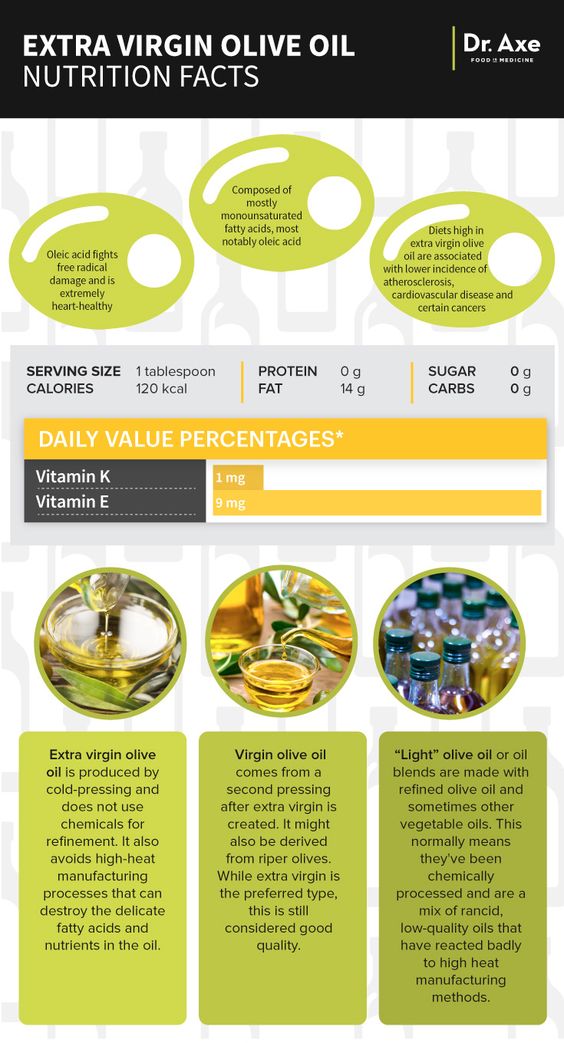
The unique chemical and organoleptic properties of extra virgin olive oil are not just scientific facts; they are foundational brand attributes. A defining characteristic is its low acidity, typically below 0.8%, which serves as a critical indicator of the freshness of the olives and the careful handling during processing. For brands, this low acidity is marketed as a testament to purity and a gentle extraction process, reassuring consumers of a superior product. Beyond acidity, other chemical parameters like peroxide value, UV absorption, and levels of waxes and sterols are equally vital. These metrics, while technical, are often communicated in marketing as guarantees of the oil’s unadulterated state and natural composition, reinforcing a brand promise of health and wholesomeness. Companies that consistently meet or exceed these standards inherently build a brand reputation for reliability and integrity, crucial assets in a competitive market. The presence of beneficial compounds such as polyphenols and tocopherols (Vitamin E) further strengthens EVOO’s brand narrative, positioning it not just as a cooking ingredient but as a wellness product. Marketing campaigns frequently highlight these antioxidants, aligning the brand with health-conscious consumer values and elevating its perceived worth.
Regulatory Standards as Brand Safeguards
The “extra virgin” appellation is protected by strict international and national regulations, such as those set by the International Olive Council (IOC) and regional bodies like the European Union. These regulations are not just compliance hurdles; they act as robust safeguards for the EVOO brand. They mandate not only chemical parameters but also sensory analysis conducted by trained panels to ensure the absence of defects and the presence of positive attributes characteristic of fresh olive fruit. For producers, adherence to these standards is non-negotiable for qualifying for the “extra virgin” label. For consumers, these regulations provide a baseline of trust, signaling that the product has undergone rigorous verification. Brands often leverage these certifications and seals of approval in their packaging and promotional materials, transforming regulatory compliance into a powerful marketing tool. This allows them to communicate a commitment to excellence and transparency, fostering greater confidence among buyers who are increasingly wary of food fraud and mislabeling. These regulatory frameworks effectively institutionalize the brand identity of extra virgin olive oil, providing a legal and qualitative shield that protects its premium status.
Crafting the Narrative: From Grove to Global Shelf
The journey of extra virgin olive oil, from the olive grove to the consumer’s table, is rich with narrative potential that sophisticated brands expertly leverage. This narrative isn’t just about how the oil is made; it’s about embedding the product within a story of heritage, place, and meticulous craftsmanship, thereby enhancing its corporate identity and market appeal.
Terroir and Origin as Brand Storytelling Elements
Much like wine, extra virgin olive oil draws significant brand strength from its “terroir” – the unique combination of soil, climate, topography, and traditional farming practices of a specific region. Brands strategically emphasize the geographical origin of their olives, whether it’s the sun-drenched groves of Tuscany, the ancient estates of Greece, or the volcanic soils of Sicily. This focus on provenance allows brands to tap into deep-seated consumer associations with quality, authenticity, and tradition. Marketing collateral frequently features idyllic landscapes, historic farmhouses, and generations of olive farmers, creating a romanticized and aspirational image. Design elements, such as rustic labels or maps detailing the region, visually reinforce this connection to the land. Protected Designations of Origin (PDO) and Protected Geographical Indications (PGI) are critical tools in this branding strategy, legally safeguarding the link between product quality and its place of origin. For a brand, securing a PDO certification is a significant achievement, allowing them to market a unique story and command a premium price based on the implied assurance of quality and distinctiveness tied to that specific region. This not only builds brand loyalty but also encourages consumers to explore different regional varieties, expanding the overall EVOO market.
Artisanal Processes and Heritage Marketing
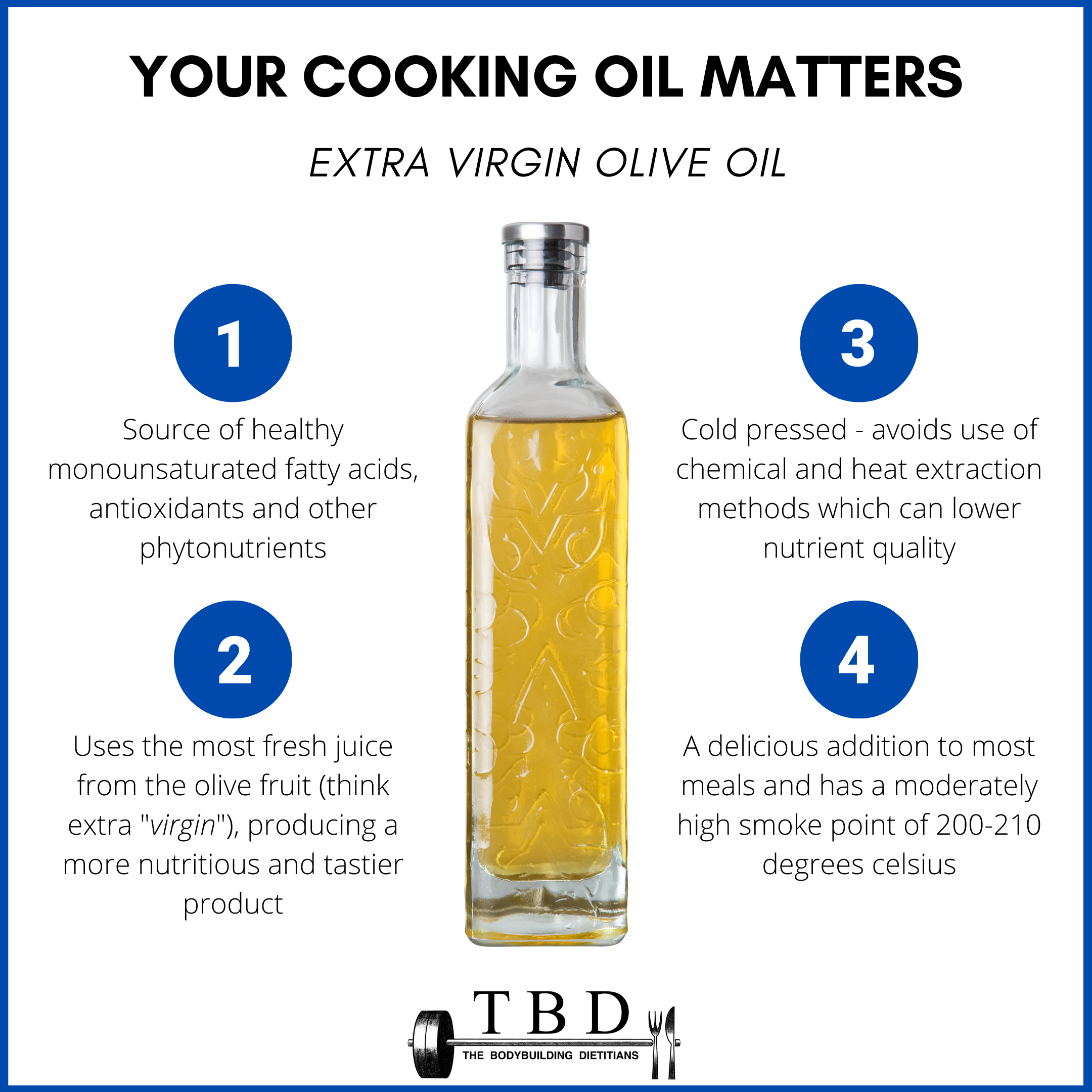
The perception of extra virgin olive oil is greatly enhanced by the narrative of artisanal production. Brands often highlight the “cold-pressed” or “first-cold-press” methods, emphasizing that the oil is extracted without excessive heat or chemical solvents. This process, while a technical requirement for “extra virgin,” becomes a powerful marketing tool that evokes tradition, purity, and respect for the natural product. Marketing materials frequently showcase the care taken at every stage: from hand-picking olives at their peak ripeness to rapid milling to preserve freshness. This focus on meticulous craftsmanship positions the brand as a guardian of traditional methods and quality. Furthermore, many EVOO brands lean heavily into heritage marketing, detailing the history of their family farms, their multi-generational commitment to olive cultivation, and the passion that drives their production. This storytelling creates an emotional connection with consumers, transforming a commodity into a product with soul and legacy. Vintage photographs, anecdotes about ancestral techniques, and testimonials from current family members all contribute to a rich brand narrative that differentiates the product in a crowded marketplace, fostering a sense of trust and authenticity that modern, mass-produced alternatives struggle to replicate.
Sensory Experience: The Ultimate Brand Differentiator
Beyond chemical purity and origin stories, the true essence of extra virgin olive oil’s brand lies in its sensory appeal. The unique interplay of flavor, aroma, and even visual characteristics creates a distinctive consumer experience that is meticulously cultivated and communicated as part of the brand’s identity.
Flavor Profile as a Signature Brand Element
The complex flavor profile of extra virgin olive oil is perhaps its most compelling brand differentiator. Unlike refined oils, EVOO boasts a spectrum of tastes, from fruity and grassy to peppery and bitter. These nuances are not merely incidental; they are actively developed through cultivar selection, harvest timing, and milling techniques, and then strategically communicated to consumers. Brands often describe their oil using a rich vocabulary — “robust,” “mild,” “artichoke notes,” “almond finish,” “peppery kick” — to guide consumer expectations and preferences. This detailed flavor lexicon helps position different EVOO brands for specific culinary uses, creating distinct market segments. For example, an oil with a strong peppery finish might be branded for drizzling over grilled meats, while a milder, fruitier oil could be marketed for delicate salads. Sensory analysis panels, which are part of the regulatory definition of EVOO, ensure these positive attributes are present. For branding purposes, the consistent delivery of a particular flavor profile allows a brand to build a signature taste, fostering recognition and loyalty among consumers who seek specific culinary experiences. This sensory signature becomes an integral part of the brand’s promise and perceived value.
Aroma and Color: Visual and Olfactory Branding
The sensory experience of EVOO extends beyond taste to its aroma and color, both of which are carefully managed and marketed as brand attributes. The characteristic fresh, herbaceous, or fruity aromas are key indicators of quality and freshness. Brands often describe these olfactory notes in their marketing materials, inviting consumers to engage with the product on a deeper sensory level even before tasting. The aroma profile, much like flavor, contributes to the overall “character” of the oil, allowing brands to cultivate a distinct sensory identity. Visually, the color of extra virgin olive oil, which can range from vibrant green to golden yellow, is also a potent branding tool. While color doesn’t necessarily indicate quality (it can vary by olive variety and ripeness), a rich, appealing hue contributes to the oil’s premium perception. Packaging design often emphasizes these colors, using clear or subtly tinted bottles to showcase the oil’s visual appeal. Marketing photography frequently features the oil in elegant settings, highlighting its golden glow or verdant tint, reinforcing its luxurious and natural image. This holistic sensory approach – combining taste, smell, and sight – allows brands to craft a comprehensive and immersive experience, transforming the act of cooking or dining into a moment of appreciation for a finely crafted product.
Consumer Perception and Trust: The Value of Authenticity
The brand equity of extra virgin olive oil is deeply intertwined with consumer perception and the trust placed in its authenticity. In a market susceptible to fraud, maintaining this trust is paramount for any EVOO brand aiming for long-term success and a strong corporate identity.
Battling Counterfeits: Protecting Brand Integrity
The premium status and higher price point of extra virgin olive oil unfortunately make it a target for adulteration and mislabeling. “Olive oil fraud,” which involves diluting EVOO with cheaper oils or mislabeling lower-grade olive oil as “extra virgin,” poses a significant threat to brand integrity across the industry. For individual brands, fighting counterfeits and ensuring the authenticity of their product is not just a matter of legal compliance but a crucial aspect of brand protection. Brands invest in rigorous testing, supply chain transparency, and often collaborate with industry bodies to combat fraudulent practices. Marketing strategies increasingly emphasize traceability, QR codes that link to farm origins, and third-party certifications as evidence of authenticity. Communicating these efforts builds consumer trust and differentiates legitimate brands from fraudulent imitations. A brand that can demonstrably guarantee the purity and origin of its EVOO reinforces its commitment to quality, distinguishing itself as a trustworthy source in a sometimes-dubious market. This vigilance against counterfeiting is not merely a reactive measure; it’s a proactive branding strategy that safeguards reputation and consumer loyalty.
Education and Transparency in Brand Building
Building and maintaining consumer trust in the extra virgin olive oil category often requires a strong emphasis on education and transparency. Many consumers may not fully understand the nuances that define “extra virgin” or how to identify quality. Brands that actively educate their audience – through website content, social media campaigns, informative labels, and even tasting events – empower consumers to make informed choices. This educational approach fosters a deeper appreciation for the product and helps consumers recognize the value proposition of genuine EVOO. Transparency about sourcing, harvesting practices, milling processes, and even quality testing results further solidifies a brand’s credibility. Brands that openly share their story, their challenges, and their commitment to sustainable practices create a powerful narrative of integrity. This openness reduces perceived risk for consumers and builds a stronger, more resilient brand-consumer relationship. By demystifying the “what makes” of extra virgin olive oil, brands not only educate but also cultivate a loyal customer base that values authenticity, quality, and the ethical practices behind their favorite EVOO. This proactive engagement transforms a product into a trusted and cherished brand.
Strategic Positioning: Premiumization Through Provenance and Purity
The unique qualities of extra virgin olive oil inherently lend themselves to a premium brand positioning. Strategic decisions regarding market segmentation, messaging, and design are crucial for capitalizing on its intrinsic value derived from provenance and purity.
Market Segmentation and Brand Messaging
The diverse characteristics that “make” extra virgin olive oil enable sophisticated market segmentation. Brands can strategically target different consumer groups based on their specific oil’s attributes. For instance, brands offering a delicate, buttery EVOO might target gourmet chefs or consumers seeking a subtle flavor for baking, while a robust, pungent oil could be aimed at food enthusiasts who prefer strong flavors for finishing dishes. This segmentation allows for highly tailored brand messaging. Messaging for premium EVOO often emphasizes purity (“first cold press,” “unfiltered”), health benefits (“rich in polyphenols,” “heart-healthy”), and culinary versatility (“perfect for dressings,” “ideal for dipping”). High-end brands might focus on the single-estate origin and the limited quantity, conveying exclusivity and luxury. In contrast, brands targeting everyday use might highlight consistency and value within the “extra virgin” category. The distinct brand identity created by a precise flavor profile, origin, and processing method allows companies to carve out specific niches and communicate directly to their ideal customer, ensuring that their marketing efforts are both effective and resonant.
Innovation in Packaging and Design to Reflect Brand Values
The packaging and design of extra virgin olive oil are not just containers; they are critical extensions of the brand’s identity and values. Given EVOO’s sensitivity to light and heat, functional design often overlaps with aesthetic appeal. Dark-tinted glass bottles or opaque containers protect the oil’s quality, which brands can then market as a commitment to product integrity. Beyond functionality, innovative and elegant packaging elevates the product’s perceived value. Brands use sophisticated labels, unique bottle shapes, and premium materials to convey luxury, heritage, or modernity, aligning with their specific brand messaging. A minimalist design might suggest purity and sophistication, while an ornate label could evoke tradition and artisan craftsmanship. Strategic design choices also consider the visual narrative of the brand’s origin, perhaps incorporating regional motifs or artistic representations of olive groves. The unboxing or unwrapping experience can further enhance brand perception, transforming a purchase into a gift. In essence, thoughtful packaging design acts as a silent salesperson, communicating the brand’s commitment to quality, the distinctiveness of its product, and its premium positioning, ensuring that the “what makes” of extra virgin olive oil is visually and tactilely experienced by the consumer.
aViewFromTheCave is a participant in the Amazon Services LLC Associates Program, an affiliate advertising program designed to provide a means for sites to earn advertising fees by advertising and linking to Amazon.com. Amazon, the Amazon logo, AmazonSupply, and the AmazonSupply logo are trademarks of Amazon.com, Inc. or its affiliates. As an Amazon Associate we earn affiliate commissions from qualifying purchases.