
Navigating the world of device chargers can often feel like deciphering a complex code. What started as simple wall warts with proprietary plugs has evolved into a sophisticated ecosystem of universal standards, intelligent power delivery, and wireless convenience. Understanding “what kind of charger” you need is no longer just about matching a plug; it’s about optimizing speed, ensuring compatibility, and safeguarding your devices. This guide delves into the technical intricacies, demystifying the various types, standards, and considerations that define modern charging technology.
The Evolving Landscape of Charging Standards
For decades, every new electronic gadget seemed to come with its own unique charging brick and cable. This era of proprietary connectors led to an overwhelming tangle of wires, limited interoperability, and significant electronic waste. The shift towards standardization began with micro-USB, offering a degree of universality for smaller devices, but it was the advent of USB-C and the sophisticated Power Delivery (PD) protocols that truly revolutionized how we power our electronics.

The move from basic 5-volt, low-amperage charging to variable voltage and high-wattage delivery has been monumental. Early chargers were essentially power bricks that supplied a fixed amount of electricity. Modern chargers, especially those utilizing USB-PD, are far more intelligent. They can communicate with the connected device to negotiate the optimal voltage and current, ensuring the fastest possible charge without risking damage. This negotiation process is key to what makes contemporary charging so versatile and efficient, allowing a single charger to power anything from a pair of earbuds to a high-performance laptop. The industry’s push towards greater universality, largely spearheaded by regulatory bodies and consumer demand, aims to streamline user experience and reduce environmental impact, making the question “what kind of charger?” simpler yet more nuanced.
Understanding Connector Types
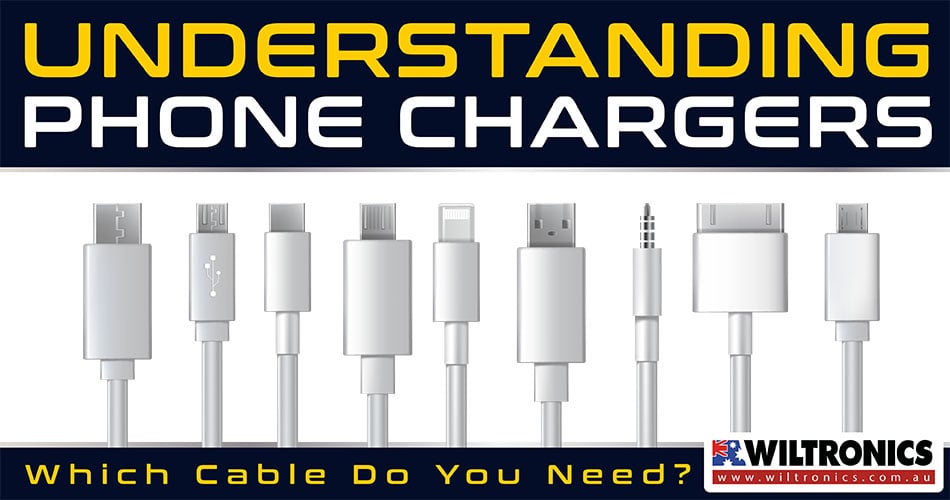
The physical connector is the most visible aspect of any charger, and understanding the main types is fundamental to identifying the right one for your device.
USB-A: The Classic Standard
USB-A is the rectangular, non-reversible connector that has been ubiquitous on power adapters and computers for decades. While its use on the device-end is largely phased out, it remains a common port on the power adapter side, serving as the power source for cables that terminate in micro-USB, USB-C, or Lightning. Its simplicity made it a workhorse, but its limitations in power delivery and reversibility paved the way for newer designs.
Micro-USB: The Former Universal Choice
Once the most common connector for smartphones, tablets, and various accessories, the micro-USB port is easily recognizable by its small, trapezoidal shape. While largely supplanted by USB-C in newer devices, many older phones, Bluetooth speakers, and accessories still rely on micro-USB. It offered a significant step towards universality compared to truly proprietary connectors but was limited in its ability to support higher power delivery and lacked a reversible design, often leading to frustration.
USB-C: The Modern Universal Standard
USB-C is undoubtedly the future of wired charging. This sleek, oval-shaped connector is reversible, meaning there’s no “wrong” way to plug it in. Beyond its convenient design, USB-C boasts incredible versatility: it can carry significant power (up to 240W with USB PD 3.1), high-speed data, and even video signals. Its adoption across smartphones, tablets, laptops (including many Apple MacBooks), and a vast array of peripherals makes it the single most important connector to understand. The European Union has mandated USB-C as the universal charging port for many electronic devices, solidifying its status.
Lightning: Apple’s Proprietary Standard
Exclusive to Apple’s iPhones (until recently for some models), iPads, and certain accessories, the Lightning connector is a small, reversible plug. While providing a convenient user experience for Apple enthusiasts, its proprietary nature stood in contrast to the industry’s move towards USB-C. Apple has begun transitioning some of its devices, like newer iPads and the iPhone 15 series, to USB-C, signaling a gradual shift away from Lightning for broader compatibility.
Barrel Connectors and MagSafe: Laptop Specifics
Many older laptops and some current models still use a “barrel” connector – a round plug that fits into a dedicated charging port. These are often proprietary to the laptop manufacturer. Apple’s MagSafe, known for its magnetic attachment, offered a safety feature by easily detaching if tugged, preventing the laptop from falling. While newer MacBooks have largely transitioned to USB-C for charging, MagSafe has made a return in a refined form on some models, offering dedicated, high-wattage charging separate from the multi-purpose USB-C ports.
Power Delivery and Charging Speed
Understanding the physical connector is only half the battle. The true intelligence of modern charging lies in how power is delivered, directly impacting how quickly your device recharges.
Demystifying Watts, Volts, and Amps
These three terms are fundamental to understanding electrical power:
- Volts (V): Represents electrical potential difference or “pressure.” Devices operate at specific voltages.
- Amps (A): Measures electrical current, or the “flow” of electricity.
- Watts (W): The total power output, calculated as Volts × Amps. This is the most crucial number when discussing charging speed.
A standard USB-A port might output 5V at 1A, totaling 5W. A fast charger, however, might deliver 9V at 2A (18W) or even 20V at 3.25A (65W) for a laptop. Higher wattage generally means faster charging, provided the device can accept it.
The Importance of Wattage
For a device to charge quickly, it needs a charger that can supply sufficient wattage. A smartphone might charge fastest with 18W or 30W, while a laptop often requires 60W, 65W, or even 100W or more. Using a low-wattage charger (e.g., a 5W phone charger) for a high-wattage device (e.g., a laptop) will result in extremely slow charging, or the device may not charge at all while in use. Conversely, a high-wattage charger will only deliver the power that a device requests, so using a 65W charger on a smartphone that only accepts 18W is perfectly safe; the phone will simply draw 18W.
Fast Charging Protocols Explained
Beyond raw wattage, specific “fast charging protocols” define how devices and chargers communicate to optimize power delivery:
- USB Power Delivery (USB-PD): This is the most prevalent and powerful fast-charging standard for USB-C. USB-PD allows for flexible voltage and current delivery, scaling from 5W up to 240W. It’s intelligent, negotiating with the connected device to determine the optimal power profile. Many modern smartphones, tablets, and virtually all USB-C laptops rely on USB-PD for rapid charging.
- Quick Charge (QC): Developed by Qualcomm, Quick Charge was an early pioneer in fast charging, primarily for Android devices using Qualcomm chipsets. It has evolved through several generations (QC 2.0, 3.0, 4+, 5), offering increasing power and efficiency. While still common, many devices now support both QC and USB-PD.
- Proprietary Fast Charging: Brands like Samsung (Adaptive Fast Charging), OnePlus (Warp Charge, SuperVOOC), and Oppo (VOOC/SuperVOOC) have developed their own fast-charging technologies. These often require specific chargers and cables from the brand to achieve maximum speeds, though many are also compatible with generic USB-PD or Quick Charge at a slightly reduced rate.
Smart Charging and Battery Health
Modern fast chargers and devices incorporate smart charging features to protect battery health. They don’t simply pump maximum power into a battery continuously. Instead, they often charge fastest when the battery is low, then reduce the charging rate as it approaches full (a process known as trickle charging) to prevent overheating and extend the battery’s lifespan. Features like “optimized battery charging” on smartphones learn your charging habits to ensure the battery reaches 100% just before you need it, minimizing the time spent at full charge.
Beyond the Cable: Wireless and Future Charging
While wired charging remains the fastest and most efficient for high-power devices, wireless charging offers unparalleled convenience for many gadgets.
Qi Wireless Charging
Qi (pronounced “chee”) is the most widespread standard for inductive wireless charging. It allows compatible devices, typically smartphones, earbuds, and smartwatches, to charge by simply placing them on a charging pad. Qi chargers come in various power outputs (5W, 7.5W, 10W, 15W), with higher wattage offering faster wireless charging. While generally slower than wired fast charging, the convenience of dropping your device onto a pad without fumbling for cables is a significant draw.
MagSafe (Apple’s Magnetic Wireless)
Apple enhanced the Qi standard with MagSafe for iPhones starting with the iPhone 12. MagSafe chargers incorporate magnets that precisely align the phone with the charging coil, ensuring optimal power transfer and faster wireless charging (up to 15W for iPhones, compared to 7.5W on standard Qi for iPhones). The magnetic attachment also allows for a range of accessories like wallets and stands.
Multi-Device Charging Pads
For users with multiple wireless-charging-enabled devices, multi-device pads offer a streamlined solution. These pads can simultaneously charge a phone, earbuds, and a smartwatch from a single power source, reducing clutter and simplifying daily charging routines.
Emerging Technologies
The frontier of charging technology is constantly expanding. Research into true long-distance wireless charging (charging devices across a room without physical contact) continues, promising a future where devices are always topped up without conscious effort. Other innovations include charging via ambient light or kinetic energy, pushing the boundaries of how we power our increasingly portable and connected lives.
Choosing the Right Charger for Your Devices
Selecting the ideal charger involves more than just picking a familiar plug. It requires a thoughtful approach to compatibility, power needs, and future-proofing.
Match Your Device’s Requirements
Always consult your device’s specifications. Look for the recommended input voltage, amperage, and wattage. Crucially, identify which fast-charging protocols your device supports (e.g., USB-PD, Quick Charge). A charger rated for 65W with USB-PD will efficiently charge a wide range of devices, from an 18W smartphone to a 60W laptop. Using a charger that meets or exceeds your device’s maximum supported wattage (within the same protocol) is generally safe, as the device will only draw what it needs.
Consider the Cable
The charging cable is just as important as the power brick itself. For high-wattage charging (especially for laptops), you need a USB-C to USB-C cable rated for the appropriate power delivery (e.g., 60W, 100W, or 240W). Not all USB-C cables are created equal; some are designed only for data transfer or low power. Always use certified cables, particularly for fast charging, to ensure safety and performance. For Apple Lightning devices, MFi-certified (Made For iPhone/iPad) cables are recommended.
Future-Proofing Your Purchase
With USB-C and USB-PD becoming the universal standards, investing in a high-quality USB-C charger with multiple ports and USB-PD support is a smart move. A multi-port charger that can deliver 65W or 100W total (with individual port allocation) can often replace several smaller chargers, powering your laptop, phone, tablet, and earbuds from a single outlet. This minimizes clutter and prepares you for future device upgrades.
Safety and Certification
Always prioritize safety. Purchase chargers from reputable brands and retailers. Look for safety certifications such as UL (Underwriters Laboratories), CE (Conformité Européenne), FCC (Federal Communications Commission), or RoHS. These certifications indicate that the product meets specific safety and environmental standards. Cheap, uncertified chargers can pose risks like overheating, short circuits, or damage to your devices.

One Charger for Many Devices
The ultimate goal for many users is consolidation. A powerful USB-C Power Delivery charger (e.g., 65W or 100W) equipped with multiple USB-C ports and perhaps a legacy USB-A port, can effectively become your universal charging solution. This allows you to rapidly charge a laptop, smartphone, tablet, and other peripherals with minimal fuss, transforming a once chaotic drawer of adapters into a streamlined, efficient setup. Understanding “what kind of charger” is no longer a question of specific compatibility but one of intelligent, adaptable power management.
aViewFromTheCave is a participant in the Amazon Services LLC Associates Program, an affiliate advertising program designed to provide a means for sites to earn advertising fees by advertising and linking to Amazon.com. Amazon, the Amazon logo, AmazonSupply, and the AmazonSupply logo are trademarks of Amazon.com, Inc. or its affiliates. As an Amazon Associate we earn affiliate commissions from qualifying purchases.