
Unpacking the Core Concept
Defining Video Teleconference
At its essence, video teleconference, often simply called video conferencing, is a technology that facilitates real-time, two-way or multi-way visual and audio communication between participants located in different geographical locations. It transforms a traditional voice call into an immersive interaction by adding visual cues, body language, and shared content, aiming to replicate the experience of an in-person meeting. This capability is fundamental in an increasingly interconnected and remote-first world, enabling immediate collaboration, decision-making, and connection without the need for physical travel. Unlike simple video streaming, which is often one-way, video teleconference is inherently interactive, allowing all participants to contribute and engage dynamically. It encompasses a spectrum of applications, from one-on-one virtual meetings to large-scale webinars and global corporate gatherings.
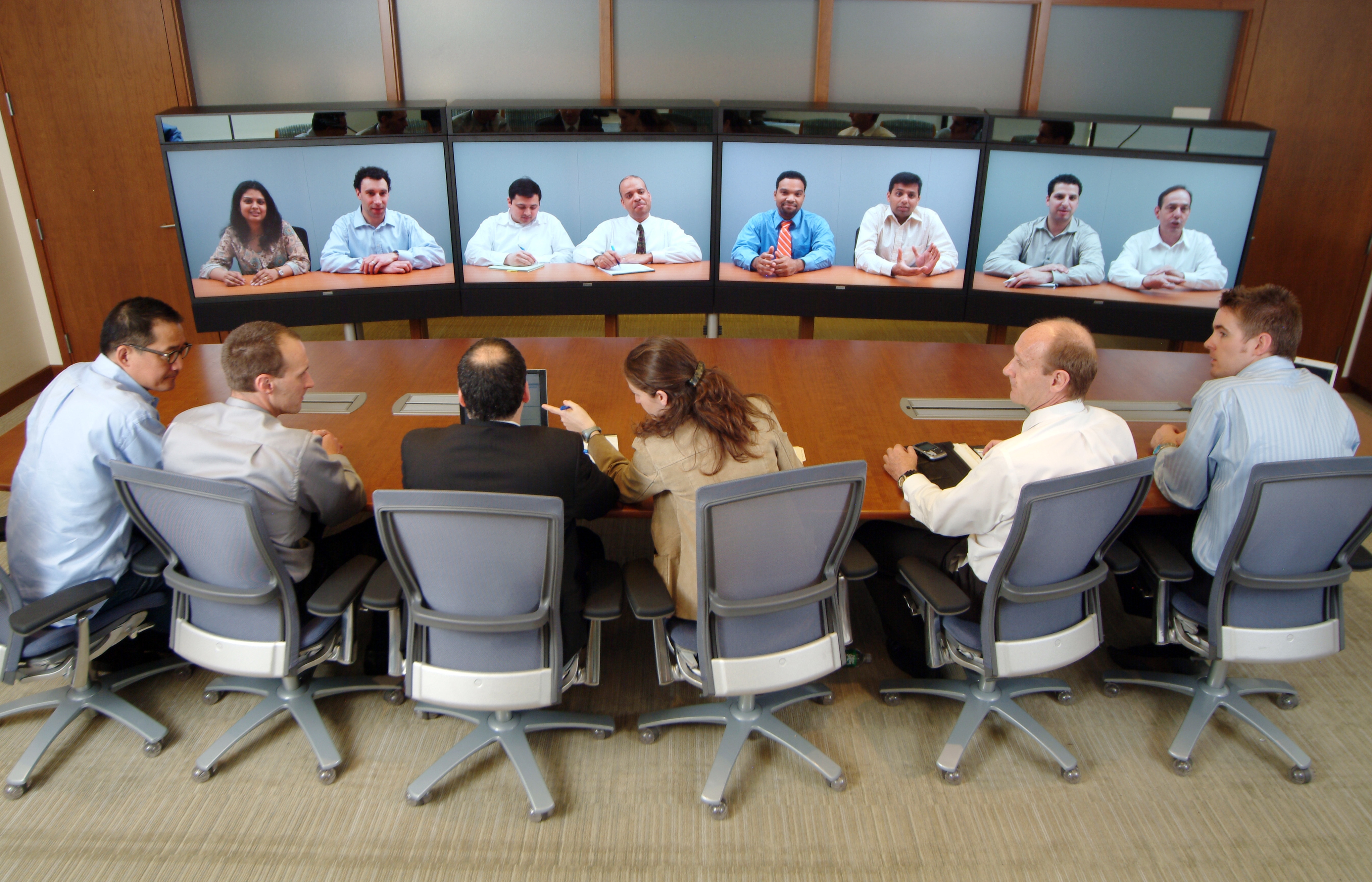
How it Works: The Technical Backbone
The seamless experience of a video teleconference relies on a complex interplay of hardware and software components working in concert. The process begins with capture, where cameras record video and microphones capture audio from each participant. These analog signals are then converted into digital data. This digital data undergoes crucial encoding and compression. Codecs (coder-decoder) such as H.264, VP9, or AV1 play a vital role here, compressing the raw video and audio streams into smaller, manageable packets to minimize bandwidth consumption while preserving quality. Without efficient compression, transmitting high-definition video and audio in real-time across networks would be impractical.
Once compressed, these data packets are transmitted across networks, predominantly using Internet Protocol (IP) over the public internet or private corporate networks. This transmission leverages packet-switching technology, where data is broken into small packets, each taking potentially different routes to the destination, and then reassembled. Network protocols like RTP (Real-time Transport Protocol) and RTCP (RTP Control Protocol) are critical for ensuring timely delivery and quality control of these real-time streams.
At the receiving end, the process reverses: the data packets are received, decoded by the recipient’s software or hardware, and then displayed on screens while audio is played through speakers. Jitter buffers are often employed to compensate for variations in network latency, ensuring a smooth playback experience. Underlying this entire operation is a robust network infrastructure, which includes servers (often cloud-based for scalability), routing devices, and sufficient bandwidth to handle the simultaneous upload and download of multiple high-quality streams. For multi-party conferences, a Multipoint Control Unit (MCU) or a cloud-based equivalent manages and mixes the various video and audio feeds, sending a composite stream to each participant or individually routing streams for greater flexibility.
The Evolution of Visual Communication
From ISDN to IP: A Historical Glimpse
The journey of video teleconferencing began in earnest with early, often experimental, systems in the mid-20th century. However, practical and commercial applications gained traction with the advent of Integrated Services Digital Network (ISDN) technology in the late 1980s and 1990s. ISDN lines offered dedicated, circuit-switched digital connections, providing reliable, high-quality audio and video. Yet, these early ISDN-based systems were prohibitively expensive, required specialized hardware, and often involved per-minute charges, limiting their adoption primarily to large corporations and government entities with significant budgets and specific needs. Setting up a video conference was a complex process requiring technical expertise and substantial pre-planning.
The true democratization of video teleconferencing began with the explosive growth of the internet and the widespread adoption of Internet Protocol (IP). The shift from circuit-switched ISDN to packet-switched IP networks fundamentally changed the economic and technical landscape. IP-based systems leveraged the existing and rapidly expanding internet infrastructure, drastically reducing costs and increasing accessibility. This transition was facilitated by the development of industry standards like H.323 and later SIP (Session Initiation Protocol), which provided frameworks for managing real-time multimedia communications over IP networks, allowing different vendors’ equipment and software to communicate. The early 2000s saw the emergence of desktop video conferencing software and webcams, making the technology available to individuals and smaller businesses for the first time.
Modern Platforms and Accessibility
Today, video teleconferencing has evolved into a ubiquitous and highly accessible technology, largely thanks to the proliferation of cloud-based services. Platforms like Zoom, Microsoft Teams, Google Meet, and Cisco Webex operate on a Software as a Service (SaaS) model, abstracting away the underlying infrastructure complexities from the end-user. This model offers unparalleled scalability, allowing services to accommodate millions of concurrent users globally and dynamically allocate resources based on demand.
Modern video conferencing solutions are characterized by their device agnosticism. Participants can join meetings from a wide array of devices, including desktop computers, laptops, smartphones, tablets, and dedicated conference room systems, often with a consistent user experience. This flexibility ensures that users can connect from virtually anywhere with an internet connection. The rise of these user-friendly, feature-rich, and often freemium cloud platforms has integrated video teleconferencing seamlessly into both professional and personal daily life, transforming it from a niche corporate tool into an essential utility for communication, education, and social interaction worldwide.
Essential Features and Enhancing Technologies

Core Functionalities for Effective Collaboration
Contemporary video teleconference platforms offer a rich suite of features designed to enhance productivity and replicate the nuances of in-person meetings. Beyond fundamental high-definition video and crystal-clear audio, several core functionalities stand out. Screen sharing is perhaps one of the most vital, allowing participants to display documents, presentations, applications, or their entire desktop, facilitating collaborative review and instruction. Complementary to this is content collaboration, which often includes virtual whiteboards for real-time brainstorming, document co-editing capabilities, and annotation tools directly on shared screens.
Chat functions provide a secondary communication channel for quick questions, sharing links, or private messages, reducing interruptions to the main speaker. Reactions (e.g., thumbs up, applause) offer non-verbal feedback. For archival purposes, meeting recording and transcription are standard, enabling participants to review discussions, capture action items, and create documentation. More sophisticated features include polling for quick feedback and Q&A functions to manage audience questions in larger gatherings, ensuring organized and inclusive participation. These functionalities collectively empower richer, more structured, and ultimately more effective virtual interactions.
Advanced Integrations and AI Enhancements
The latest advancements in video teleconference leverage sophisticated integrations and artificial intelligence (AI) to further refine the user experience and expand functionality. Calendar integration is now standard, streamlining the scheduling process by directly linking meeting platforms with calendaring applications like Outlook or Google Calendar, automatically generating invites and reminders.
AI plays an increasingly pivotal role in improving call quality and participant engagement. AI-powered noise suppression intelligently filters out background distractions like keyboard typing, barking dogs, or construction sounds, ensuring clearer audio. Background blurring or replacement technology, driven by AI, enhances privacy and professionalism by creating virtual backdrops without the need for physical green screens. Live captioning and real-time translation break down communication barriers, providing accessibility for hearing-impaired individuals and facilitating global collaboration across language differences. Beyond the meeting itself, AI-driven virtual assistants can automatically generate meeting summaries, identify key discussion points, and track action items, significantly reducing post-meeting administrative burden. Furthermore, deep integration with other enterprise tools such as Customer Relationship Management (CRM) systems, project management platforms, and Enterprise Resource Planning (ERP) solutions creates a cohesive digital workspace, embedding video teleconference seamlessly into daily workflows.
Security, Implementation, and Future Outlook
Safeguarding Virtual Interactions: Digital Security
As video teleconference became a primary mode of communication, the imperative for robust digital security measures grew exponentially. Protecting sensitive conversations and data is paramount. A cornerstone of this protection is end-to-end encryption (E2EE), which ensures that communication is encrypted on the sender’s device and decrypted only on the recipient’s device, making it indecipherable to any intermediate parties, including the service provider. Many platforms now offer E2EE for certain types of meetings, safeguarding privacy and confidentiality.
Authentication and authorization mechanisms are crucial for preventing unauthorized access to meetings. This includes strong password requirements, multi-factor authentication (MFA), and secure sign-on processes. Features like meeting lock and waiting rooms empower hosts to control who enters a conference, preventing “Zoombombing” and similar disruptions. Platforms are continuously releasing updates to address platform vulnerabilities, making it essential for users to keep their software patched and updated. Adherence to user best practices, such as using strong, unique passwords and being wary of suspicious links, complements platform security. Finally, compliance with data privacy regulations like GDPR (General Data Protection Regulation) and CCPA (California Consumer Privacy Act) is a critical consideration for service providers, ensuring user data is handled responsibly and legally.
Deployment Models: On-Premise vs. Cloud
Organizations typically choose between two primary deployment models for video teleconference solutions, each with distinct advantages. On-premise solutions involve installing and managing all hardware and software infrastructure within an organization’s own data center. This model offers the highest level of control over data security, customization, and integration with existing IT systems. It is often favored by organizations with stringent security requirements, significant IT resources, and specific compliance needs. However, on-premise deployments entail a substantial upfront capital investment for hardware and software licenses, coupled with ongoing operational costs for maintenance, upgrades, and IT staffing.
Conversely, cloud-based solutions, as discussed, rely on third-party vendors to host and manage the infrastructure. This model offers unparalleled scalability, lower upfront costs (typically a subscription model), and reduced IT overhead, as the vendor handles maintenance, updates, and infrastructure management. Cloud solutions are highly agile, allowing organizations to quickly scale up or down based on demand. While perceived control over data may be less than on-premise, reputable cloud providers implement robust security measures and adhere to industry certifications. A hybrid approach, combining elements of both models, is also emerging, where some infrastructure remains on-premise for sensitive data or specific needs, while general-purpose conferencing is offloaded to the cloud.

The Road Ahead: Emerging Trends
The future of video teleconference is poised for continued innovation, pushing the boundaries of virtual interaction. One significant trend is the move towards spatial computing and immersive experiences. The integration of Augmented Reality (AR) and Virtual Reality (VR) technologies promises to create highly realistic and engaging virtual meeting spaces, where participants can interact with digital objects and each other in three-dimensional environments, fostering a greater sense of presence and collaboration.
Further AI integration will make meetings even smarter. Expect more sophisticated features like proactive content suggestions, sentiment analysis to gauge audience engagement, and intelligent scheduling algorithms. Enhanced interoperability between different video conferencing platforms will address fragmentation, allowing seamless cross-platform meetings without compatibility hurdles. Additionally, there’s a growing focus on the environmental impact, with solutions aimed at being greener conferencing solutions by optimizing data transfer and energy consumption, further reducing the need for business travel and its associated carbon footprint. Finally, integration with IoT devices will create smarter meeting rooms, where lights, displays, and audio systems automatically adjust to optimize the conferencing experience based on participant presence and preferences.
aViewFromTheCave is a participant in the Amazon Services LLC Associates Program, an affiliate advertising program designed to provide a means for sites to earn advertising fees by advertising and linking to Amazon.com. Amazon, the Amazon logo, AmazonSupply, and the AmazonSupply logo are trademarks of Amazon.com, Inc. or its affiliates. As an Amazon Associate we earn affiliate commissions from qualifying purchases.