
The terminology surrounding gender-affirming care is dynamic, reflecting evolving societal understanding, medical advancements, and the deeply personal nature of identity. While “top surgery” has become a widely recognized colloquial term, exploring its various formal and informal appellations offers a fascinating lens through which to examine brand identity, marketing strategy, and the power of language in healthcare. Understanding the diverse nomenclature is not merely an exercise in semantics; it’s an insight into how clinics brand their services, how communities forge identity, and how individuals articulate their journey.
The Evolving Lexicon of Gender Affirmation
The phrase “top surgery” is perhaps the most common and accessible term used by individuals seeking gender-affirming chest procedures, particularly those aligning with masculinization. Its origins are largely grassroots, emerging from within transgender communities as a shorthand, empowering descriptor for an array of surgical interventions on the chest. This informal nomenclature serves a vital function, offering a straightforward, less clinical alternative to complex medical jargon, which can sometimes feel alienating.
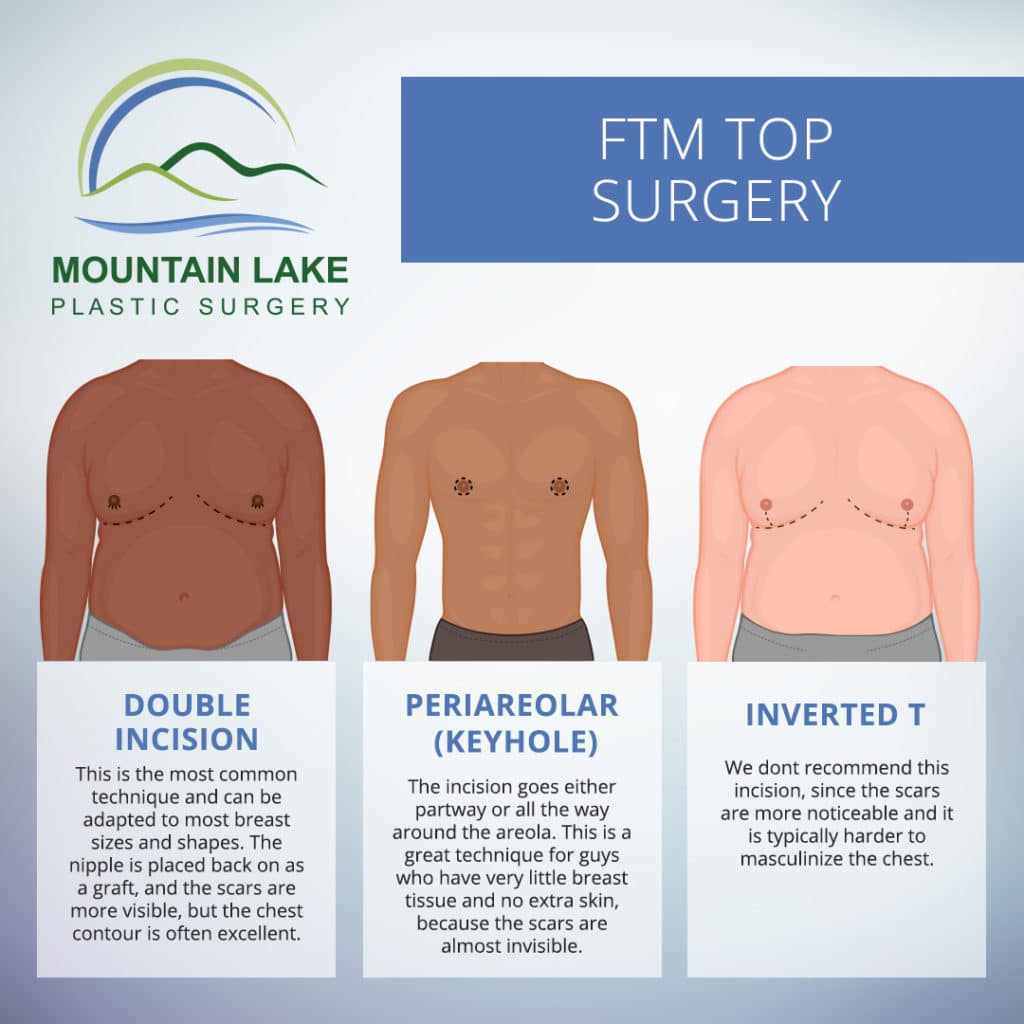
However, the medical and professional communities often employ more specific and encompassing terms, each carrying distinct implications for communication, patient engagement, and institutional branding. These terms reflect a deliberate effort to be precise, inclusive, and medically accurate, while also acknowledging the patient’s individual goals and gender identity. The choice of language by a healthcare provider or advocacy organization can significantly shape its brand perception, signaling its values, expertise, and commitment to patient-centered care.
Deconstructing Terminology: Brand Identity in Healthcare
The various names attributed to “top surgery” are not interchangeable; each carries a specific brand weight, targeting different audiences and conveying distinct messages. Analyzing these terms through a branding lens reveals how language is strategically deployed to inform, reassure, and connect.
“Top Surgery”: Accessibility and Community Brand
The term “top surgery” functions as a powerful community brand. It is concise, widely understood within LGBTQ+ circles, and immediately signals a specific type of gender-affirming procedure. Its strength lies in its accessibility and its origin within patient communities, making it feel less medicalized and more aligned with lived experience. For many, “top surgery” evokes a sense of shared journey and mutual understanding.
From a branding perspective, relying solely on “top surgery” might appeal to an audience already familiar with trans-specific terminology, fostering a sense of belonging and direct communication. However, for broader public outreach or formal medical documentation, its informal nature might be perceived as lacking the necessary clinical precision. Clinics embracing this term often aim to project an image of being deeply connected to and trusted by the community they serve, prioritizing patient comfort and understanding over rigid medical formality. It’s a brand built on authenticity and relatability.
“Gender-Affirming Chest Surgery”: Professional & Inclusive Branding
Increasingly adopted by major medical institutions, academic centers, and progressive healthcare providers, “gender-affirming chest surgery” represents a gold standard in inclusive and professional branding. This term is explicit in its purpose – affirming gender identity – and broad enough to encompass a range of procedures for various gender identities, not just masculinization. It clearly delineates the medical necessity and therapeutic goals of the surgery.
The brand value of “gender-affirming chest surgery” is rooted in its clinical accuracy, inclusivity, and respect for individual identity. It positions the procedure within the broader framework of gender-affirming care, aligning with best practices established by professional medical organizations. For a clinic, adopting this terminology signals a sophisticated understanding of trans healthcare, a commitment to medical ethics, and an inclusive environment for all patients seeking chest modifications to align with their gender. It’s a brand that emphasizes expertise, empathy, and comprehensive care, appealing to patients, insurers, and the wider medical community.
“Chest Masculinization/Feminization Surgery”: Specificity in Surgical Branding
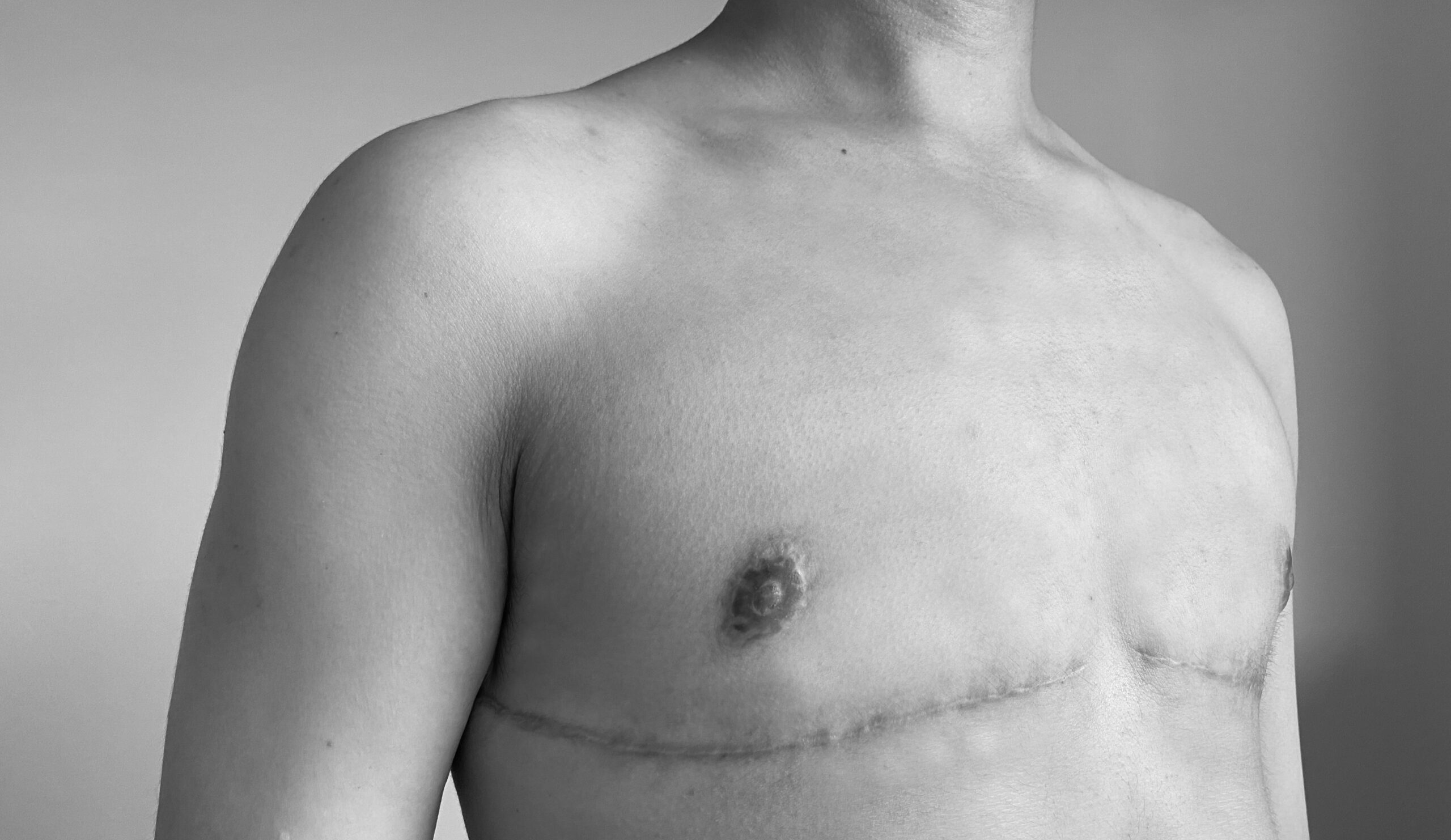
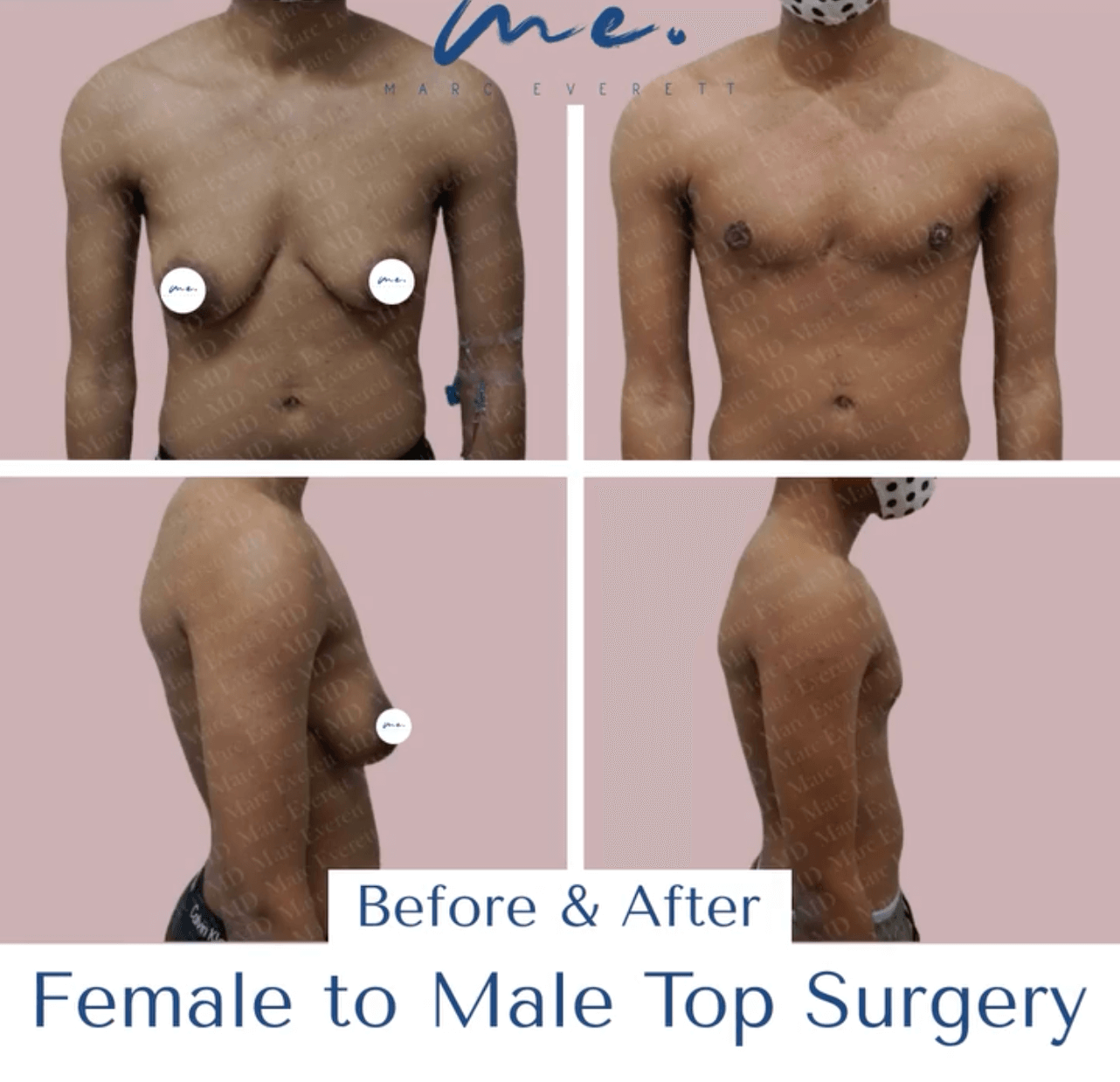
When greater precision is required, terms like “chest masculinization surgery” or “chest feminization surgery” are utilized. These terms directly describe the desired aesthetic and anatomical outcome of the procedure. “Chest masculinization surgery,” for instance, typically refers to procedures aimed at creating a more masculine chest contour, often involving mastectomy (removal of breast tissue) and chest contouring. Conversely, “chest feminization surgery” refers to breast augmentation procedures to create a more feminine chest.
These terms serve a highly specific branding purpose: they are ideal for detailing surgical techniques, discussing outcomes, and communicating with patients about their specific aesthetic goals. For surgeons and clinics specializing in particular types of gender-affirming procedures, these specific descriptors help to brand their expertise and target specific patient needs. They are less about broad identity affirmation and more about the technical aspects and visual results, making them valuable in surgical consultations, pre-operative planning, and outcome-focused marketing materials. Their brand message is one of specialized skill and tailored results.
The Impact of Nomenclature on Patient Experience and Clinic Branding
The language chosen by healthcare providers profoundly impacts not only how patients understand their care but also how they perceive the brand of the clinic or surgeon. Effective branding in gender-affirming care is built on trust, respect, and clear communication, all of which are mediated through terminology.
Patient-Centered Language as a Brand Differentiator
In an increasingly competitive healthcare landscape, patient-centered language acts as a significant brand differentiator. Clinics that actively use and promote respectful, affirming terminology demonstrate an understanding of their patient population’s unique needs and sensitivities. For patients seeking gender-affirming care, encountering language that validates their identity can be a deciding factor in choosing a provider. This thoughtful approach builds trust and fosters a sense of psychological safety, enhancing the overall patient experience.
A clinic’s commitment to patient-centered language extends beyond initial consultations; it permeates all aspects of their brand, from website content and intake forms to post-operative instructions and staff training. This consistency in language signals a deeply embedded organizational value, establishing the clinic as a compassionate and informed leader in gender-affirming care. Such a brand presence attracts patients who prioritize respectful and understanding treatment environments.
Marketing and Outreach: Crafting the Right Message
The strategic use of diverse terminology is crucial for effective marketing and outreach. A clinic’s marketing materials might employ “top surgery” for broad appeal within community forums and social media, leveraging its widespread recognition. However, on their professional website or in informational pamphlets aimed at medical professionals or insurance providers, “gender-affirming chest surgery” would be more appropriate, lending credibility and gravitas.
Understanding the target audience for each piece of communication allows for tailored messaging that resonates effectively. For instance, an article discussing surgical outcomes might feature “chest masculinization surgery” to highlight specific techniques and results, while a general introduction to services would favor “gender-affirming chest surgery” for its inclusivity. The ability to adapt language for different contexts showcases a sophisticated understanding of brand communication, ensuring that the clinic’s message is always clear, appropriate, and impactful to its intended recipients.
Establishing a Consistent Brand Voice in Gender-Affirming Care
For any healthcare provider, establishing a consistent brand voice is paramount. In gender-affirming care, where language holds such significant personal and medical weight, this consistency becomes even more critical. A unified terminology across all patient touchpoints — from administrative staff to surgeons, from online presence to physical clinic signage — reinforces a cohesive and trustworthy brand identity.
This internal consistency builds confidence among patients, demonstrating that the entire team is aligned in their approach to care and respectful of patient identities. It also streamlines communication with external stakeholders, including referring physicians, insurance companies, and advocacy organizations, projecting an image of professionalism and expertise. Furthermore, consistent terminology from healthcare brands plays a vital role in educating the broader public, helping to destigmatize gender-affirming procedures and foster a more inclusive understanding of health and identity. By carefully choosing and consistently applying their nomenclature, providers of gender-affirming care not only answer the question of “what is top surgery called” but also powerfully define who they are as a brand.
aViewFromTheCave is a participant in the Amazon Services LLC Associates Program, an affiliate advertising program designed to provide a means for sites to earn advertising fees by advertising and linking to Amazon.com. Amazon, the Amazon logo, AmazonSupply, and the AmazonSupply logo are trademarks of Amazon.com, Inc. or its affiliates. As an Amazon Associate we earn affiliate commissions from qualifying purchases.