
In the intricate world of skincare, where consumer choice is abundant and product claims proliferate, understanding a product’s precise role is paramount for both brand and buyer. The seemingly simple question, “what is toner for your face?” opens a gateway not just to chemical composition, but to a brand’s strategic positioning, marketing narrative, and consumer education efforts. For a skincare brand, defining and communicating the purpose of toner goes beyond listing ingredients; it’s about crafting a value proposition that resonates with specific skin concerns, lifestyles, and aspirations, ultimately shaping brand identity and fostering customer loyalty.

The Strategic Evolution of Toner in Skincare Branding
The perception of toner has undergone a significant transformation, largely driven by strategic branding and marketing shifts within the beauty industry. Historically, toners were often associated with harsh, alcohol-laden formulas designed to strip the skin of excess oil and tighten pores, leaving a squeaky-clean, often dry, sensation. This dated image presented a challenge for modern skincare brands aiming to position themselves as purveyors of gentle, effective, and skin-benefiting solutions.
Dispelling Obsolete Perceptions: Moving Beyond Alcohol-Stripped Formulas
A key aspect of brand strategy for contemporary toner products has been the deliberate effort to dismantle the outdated stereotype. Brands have invested heavily in research and development to formulate toners that prioritize skin health, hydration, and balance rather than aggression. Marketing campaigns frequently highlight “alcohol-free” or “pH-balancing” claims, directly addressing past consumer anxieties and signaling a new era of gentle efficacy. By doing so, brands reposition themselves as innovators attuned to dermatological science and consumer well-being, enhancing their credibility and trustworthiness. This pivot is not just about product improvement; it’s a strategic rebranding of an entire product category to align with evolving scientific understanding and consumer preferences for less invasive, more nurturing skincare.
Repositioning for Modern Skincare Concerns: Hydration, Treatment, and Balance
Today’s toners are no longer merely a post-cleansing step; they are often positioned as targeted treatment products, bridging the gap between cleansing and serum application. Brands articulate diverse functions for their toners, from deep hydration and soothing sensitive skin to exfoliating, brightening, or even delivering anti-aging ingredients. This versatility allows brands to segment their market effectively, offering specialized toners for various skin types and concerns—dry, oily, acne-prone, sensitive, mature. The brand narrative shifts from “toner removes what’s left behind” to “toner prepares, treats, and optimizes.” This repositioning significantly elevates the perceived value of the product, moving it from a secondary item to an essential component of a comprehensive skincare regimen, thereby increasing its importance in a brand’s product portfolio.
The Impact of Ingredient Transparency on Brand Trust
In an era of informed consumers, ingredient transparency has become a cornerstone of effective brand strategy. For toners, this means clearly communicating the purpose and benefits of each active ingredient. Brands that highlight natural extracts, potent antioxidants, gentle acids (like PHAs or mild AHAs), or hydrating humectants (like hyaluronic acid) build a stronger narrative around efficacy and safety. This transparency fosters trust and allows consumers to make educated decisions, aligning with brands that champion clean beauty or scientifically-backed formulations. The storytelling around these ingredients—their sourcing, benefits, and scientific validation—becomes a powerful tool for brand differentiation and consumer engagement, moving beyond generic claims to specific, verifiable value.
Articulating the Toner’s Value Proposition: A Core Marketing Challenge
Effectively communicating the unique value proposition of a toner is a crucial marketing challenge. In a crowded market, brands must clearly articulate what makes their toner essential, distinct, and superior. This involves moving beyond functional descriptions to emotional and aspirational benefits, weaving the toner into the larger brand story.
From Prep-Step to Powerhouse: Communicating Multifaceted Benefits
Modern marketing for toners focuses on their multifaceted benefits, positioning them as integral to achieving specific skin goals. Brands emphasize how their toners:
- Balance pH: Restoring the skin’s natural acidic mantle after cleansing, which is vital for barrier function.
- Hydrate and Condition: Infusing moisture into the skin, making it more receptive to subsequent products.
- Refine Pores and Texture: Gently exfoliating or soothing to create a smoother complexion.
- Deliver Active Ingredients: Acting as a vehicle for potent ingredients like Vitamin C, niacinamide, or peptides to penetrate more effectively.
This shift in messaging transforms the toner from a simple “prep” step into a “powerhouse” product that enhances the performance of an entire skincare regimen. Brands often use compelling visuals, before-and-after testimonials, and expert endorsements to reinforce these claims, building a strong case for inclusion in daily routines.
Differentiating Through Formulation: Unique Ingredients and Proprietary Blends
Differentiation is key in competitive markets. Brands achieve this by leveraging unique ingredients, proprietary blends, or innovative delivery systems in their toners. Highlighting a rare botanical extract, a patented fermentation process, or an exclusive complex provides a compelling reason for consumers to choose one toner over another. Marketing collateral will often detail the scientific rationale behind these formulations, positioning the brand as a leader in ingredient science and product innovation. This focus on distinct formulations allows brands to carve out a niche and appeal to specific segments of the market, from luxury skincare aficionados to eco-conscious consumers.

Educating the Consumer: Bridging the Knowledge Gap for Brand Adoption
Despite evolving formulations, a knowledge gap about toner’s benefits persists among some consumers. Brands address this through robust educational content: blog posts, social media explainers, in-store consultations, and detailed product descriptions. This educational marketing serves to clarify the “why” behind using a toner, demonstrating its long-term benefits for skin health and appearance. By empowering consumers with knowledge, brands foster confidence in their products and build a loyal customer base that understands and values the role of toner in achieving their skincare goals. This ongoing dialogue positions the brand as a trusted authority, not just a seller.
Design and Packaging as Brand Storytellers for Toner
The visual and tactile experience of a product is fundamental to its brand identity. For toners, packaging design is not merely protective; it’s a critical communication tool that conveys brand values, target audience, and product efficacy before the product is even used.
Visual Identity: Conveying Purity, Efficacy, or Luxury
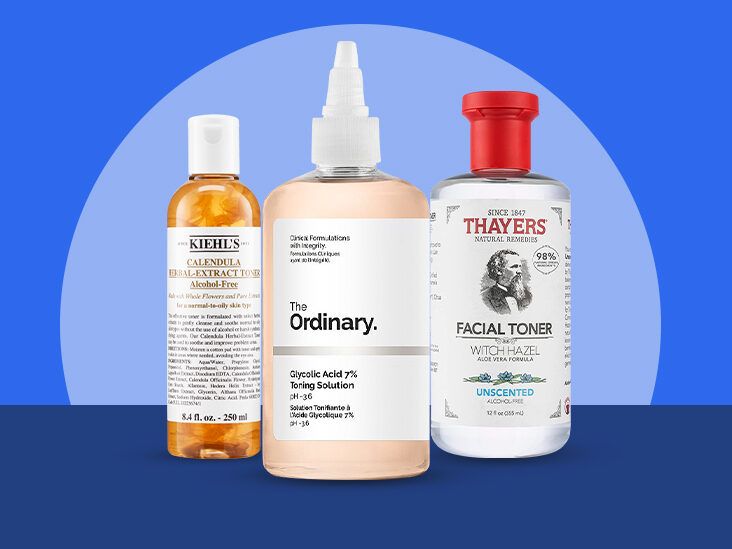
The aesthetic of toner packaging immediately signals a brand’s positioning. A minimalist design with soft colors might convey purity and natural ingredients, appealing to a “clean beauty” demographic. Bold colors and scientific graphics could suggest advanced formulations and efficacy, attracting results-driven consumers. Heavy glass bottles with metallic accents communicate luxury and premium quality. Every element—font choice, color palette, finish (matte or glossy)—is carefully chosen to align with the brand’s overarching identity and communicate its unique value proposition for its toner line. This visual storytelling primes consumer expectations and reinforces the brand’s market segment.
Usability and Experience: The Role of Bottle Design and Dispenser Type
Beyond aesthetics, the functionality of toner packaging plays a significant role in the user experience, which, in turn, impacts brand perception. Easy-to-use dispensers (sprays, pumps, or flip-tops) that prevent waste and ensure hygienic application enhance convenience. The ergonomic design of the bottle, its weight, and the sound it makes when opened all contribute to the sensory experience. Brands that prioritize thoughtful design elements demonstrate attention to detail and a commitment to customer satisfaction, strengthening the bond between consumer and product. A well-designed bottle not only looks good on a vanity but also makes the daily ritual of skincare more enjoyable and effective.
Sustainable Packaging: Aligning with Modern Consumer Values and Brand Ethics
For many contemporary brands, sustainability is a core ethical and marketing imperative. Toner packaging increasingly reflects this, with brands opting for recyclable materials, post-consumer recycled (PCR) content, refillable systems, or reduced plastic usage. Communicating these sustainable choices on packaging and through marketing materials allows brands to align with environmentally conscious consumers. This not only reinforces a brand’s ethical stance but also appeals to a growing segment of the market that prioritizes ecological responsibility, building brand loyalty beyond product performance alone.
Brand Loyalty and the Transformative Toner Experience
Ultimately, the goal of any brand is to cultivate lasting relationships with its customers. For toners, this means ensuring the product delivers on its promises and becomes an indispensable part of a consumer’s routine, fostering advocacy and repeat purchases.
Fostering Brand Advocacy Through Tangible Results
When a toner consistently delivers visible improvements—be it enhanced hydration, clearer skin, or a more even tone—it transforms a casual user into a brand advocate. These tangible results are the most powerful form of marketing, leading to word-of-mouth recommendations, positive reviews, and user-generated content across social media. Brands strategically highlight these success stories, leveraging customer testimonials to build social proof and reinforce the toner’s efficacy. This authentic endorsement is invaluable for attracting new customers and cementing the brand’s reputation for quality and performance.
The Power of Ritual: Integrating Toner into a Brand’s Comprehensive Regimen
Brands often present their toners not as standalone products, but as an integral step within a cohesive skincare regimen. By recommending specific pairings with complementary cleansers, serums, and moisturizers from their own line, brands encourage consumers to adopt an entire system. This strategy not only drives sales of multiple products but also reinforces the idea that each step enhances the next, creating a holistic experience. The toner, in this context, becomes a gateway to the full brand ecosystem, deepening customer engagement and encouraging a complete brand immersion. The ritualistic nature of skincare, where each product plays a defined role, fosters a sense of routine and dependency on the brand’s offerings.
Beyond the Bottle: Community, Content, and Continued Engagement
Building brand loyalty extends beyond the product itself. Brands foster community around their toners and other offerings through engaging content, educational workshops, and interactive social media campaigns. Creating spaces where customers can share experiences, ask questions, and learn more about skincare builds a sense of belonging and reinforces the brand as a trusted resource. Loyalty programs, exclusive access to new products, and personalized advice further cement the relationship. By consistently engaging with their audience and delivering value beyond the physical product, brands ensure their toners, and indeed their entire range, remain top-of-mind and a preferred choice for consumers navigating their skincare journey.
aViewFromTheCave is a participant in the Amazon Services LLC Associates Program, an affiliate advertising program designed to provide a means for sites to earn advertising fees by advertising and linking to Amazon.com. Amazon, the Amazon logo, AmazonSupply, and the AmazonSupply logo are trademarks of Amazon.com, Inc. or its affiliates. As an Amazon Associate we earn affiliate commissions from qualifying purchases.