
The Genesis of a Distinctive Footwear Category
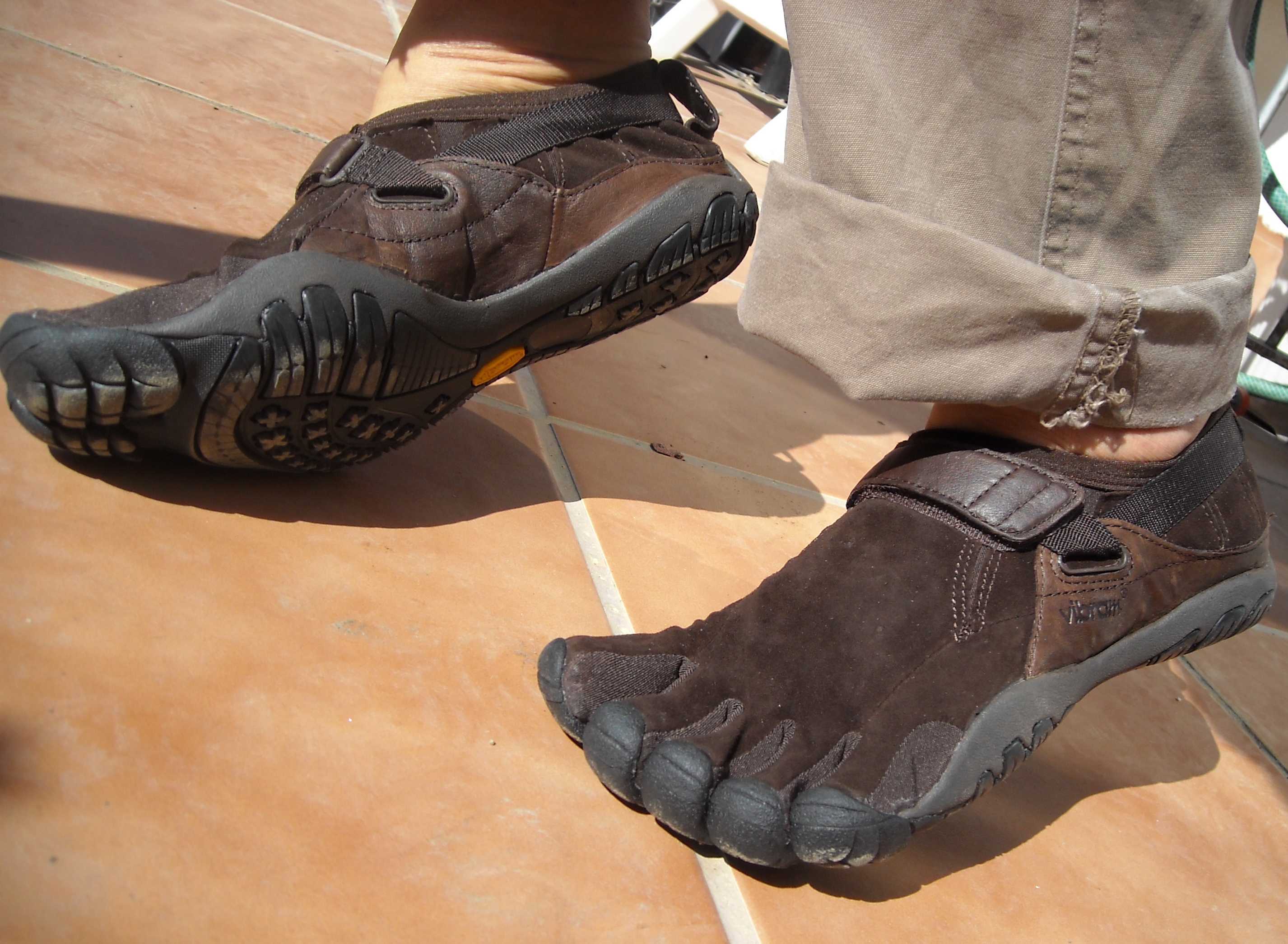
Toe shoes represent a radical departure from conventional footwear, distinguished primarily by their design which encapsulates each toe individually, much like a glove for the foot. Often referred to as “barefoot shoes” or “minimalist shoes,” their fundamental premise is to mimic the natural biomechanics of walking or running barefoot while offering a thin layer of protection from the elements. This innovative design challenges centuries of traditional shoe construction, which typically binds all toes together within a single toe box, often with an elevated heel and substantial cushioning.

The emergence of toe shoes in the early 21st century marked a significant cultural and functional shift in the footwear industry. It wasn’t merely about creating a new style; it was about re-educating consumers on foot health, natural movement, and the potential pitfalls of over-engineered shoes. Companies that pioneered this category, most notably Vibram with their FiveFingers line, faced the dual challenge of introducing an entirely novel product and simultaneously building a brand identity around a concept that was initially met with both curiosity and skepticism. Their brand narrative had to be deeply educational, focusing on the purported benefits of natural foot splay, improved balance, and enhanced proprioception, rather than simply aesthetic appeal. This required a strategic and sustained effort to define the category itself, establishing “toe shoes” not just as a product, but as a philosophy of movement and a lifestyle choice.
Defining the Barefoot Revolution
The “barefoot revolution” is more than a trend; it’s a movement advocating for a return to what proponents argue is the foot’s natural state. Toe shoes are a physical manifestation of this philosophy, designed to allow the foot to move, flex, and adapt as if unshod. This means eschewing features common in conventional athletic shoes, such as substantial arch support, rigid soles, and cushioned heels that can alter gait and impact natural foot strength. The brand identity of toe shoe manufacturers is thus intrinsically linked to this larger movement, positioning their products as tools for reconnecting with primal movement patterns.
For brands entering or dominating this space, the challenge was to convey complex biomechanical advantages in an accessible and compelling way. It wasn’t enough to simply sell a shoe; they had to sell a concept. This involved extensive marketing campaigns that highlighted research, testimonials from athletes and health professionals, and detailed explanations of how individual toe articulation could improve balance, agility, and reduce common foot ailments. The brand became an educator, guiding consumers through a paradigm shift in their understanding of footwear and foot health.
Form, Function, and Brand Identity
In the world of toe shoes, form is inextricably linked to function, and both are central to brand identity. The distinctive, glove-like appearance of toe shoes immediately sets them apart, making them instantly recognizable. This bold aesthetic choice is not arbitrary; it directly serves the functional goal of allowing each toe to operate independently. For a brand, this presented both an opportunity and a hurdle. On one hand, the unique look ensured high visibility and memorability. On the other, it required overcoming initial resistance and even ridicule from a market accustomed to traditional designs.
Brands had to lean into this uniqueness, making the very distinctiveness of their product a core part of their identity. Messaging often emphasized authenticity, innovation, and a non-conformist spirit. The brands positioned themselves not just as shoemakers, but as pioneers offering a different way of experiencing the world through one’s feet. This strong, almost defiant, brand identity helped cultivate a loyal following among those who embraced the minimalist philosophy, turning early adopters into fervent advocates who would spread the message organically.
Crafting a Niche: Design as a Brand Statement
The design of toe shoes is perhaps their most potent brand statement. It’s a deliberate rejection of industry norms, a visible commitment to a specific set of principles regarding foot health and human movement. This isn’t just about aesthetics; it’s about a functional design that intrinsically communicates the brand’s core values: natural movement, anatomical correctness, and a minimalist approach. Every curve and seam in a toe shoe is engineered to facilitate natural articulation, making the design itself a powerful, non-verbal brand narrative.
For these brands, the product is the message. The visual impact of separated toes immediately sparks conversation, acting as an organic marketing tool. This design choice forced brands to be exceptionally clear about their purpose, as the product could not simply blend in. They had to articulate why this design was superior for specific activities or overall foot health, creating a brand that was not just about footwear, but about a movement philosophy.
The Visual Language of Separation
The individual toe pockets are the defining visual characteristic of toe shoes, making them instantly identifiable and often polarizing. This “visual language of separation” directly translates to the brand’s promise of allowing toes to splay naturally, fostering better balance and proprioception. For brands, leveraging this unique visual was critical. They understood that the unconventional look would either attract or repel, and they strategically targeted consumers who valued function over traditional form, or those who were already seeking alternatives to conventional footwear.
Marketing materials frequently showcased feet in motion, emphasizing the flexibility and dexterity afforded by the design. Photography and videography highlighted the freedom of movement, the connection to the ground, and the natural appearance of the foot. The visual brand narrative was one of liberation and empowerment, encouraging wearers to “feel the ground” and “unlock their natural potential.” This aesthetic was not merely cosmetic; it was a functional representation of the brand’s core value proposition, making the shoe a symbol of a movement.
Engineering for Experience: Beyond Aesthetics
Beyond the striking appearance, the engineering behind toe shoes is fundamental to their brand identity. The goal is to provide protection without compromising the natural foot experience. This involves meticulous attention to materials, sole thickness, flexibility, and fit. Brands in this category often emphasize the specific compounds used in their soles, their abrasion resistance, grip properties, and environmental sustainability, all contributing to a comprehensive brand story that extends beyond the visual.

The engineering focus becomes a key differentiator, appealing to a segment of the market that scrutinizes product specifications and performance. Brands often detail the research and development that goes into creating a minimal yet protective sole, a breathable upper, or a secure lacing system that doesn’t restrict foot movement. This commitment to functional engineering strengthens the brand’s credibility and positions it as a serious player in the performance footwear market, albeit one with a distinct philosophy. It’s about designing an experience for the wearer, not just a product.
Marketing the Unconventional: Strategies for Adoption
Marketing toe shoes presented unique challenges due to their unconventional nature. Unlike traditional shoes that could rely on fashion trends or established athletic endorsements, toe shoes required a more profound approach—one that educated, convinced, and built a community around a new way of thinking about footwear. Their marketing strategy was less about superficial appeal and more about deep engagement and advocacy.
Brands focused on testimonials from athletes, fitness enthusiasts, and medical professionals who could credibly speak to the functional benefits. They leveraged content marketing to publish articles and videos explaining biomechanics, foot health, and the advantages of barefoot-like movement. This educational approach was crucial in overcoming initial skepticism and building trust, transforming what might have seemed like a novelty into a legitimate and beneficial product category.
Educating the Consumer: Overcoming Skepticism
The primary hurdle for toe shoe brands was consumer education. Many potential customers were unfamiliar with the concept of minimalist footwear or even harbored misconceptions about going barefoot. Brands had to invest heavily in content that debunked myths, explained the anatomical advantages of natural foot movement, and guided users on how to transition safely to toe shoes. This educational content often took the form of blog posts, expert interviews, informational videos, and detailed FAQs on product pages.
This strategy helped position the brands not just as product manufacturers, but as authorities and advocates for foot health. By providing valuable information, they built credibility and trust with their audience, slowly chipping away at skepticism and fostering a deeper understanding of their product’s purpose. The marketing became a dialogue, addressing concerns directly and empowering consumers with knowledge.
Community Building and Advocacy
Given the niche appeal and educational requirements, community building became a cornerstone of successful marketing for toe shoe brands. They actively fostered online and offline communities where users could share experiences, tips, and testimonials. Social media platforms, forums, and local running or hiking groups became vital channels for organic growth and advocacy. User-generated content, featuring real people engaging in various activities while wearing toe shoes, served as powerful social proof.
Ambassador programs, partnering with athletes, fitness instructors, and influencers who genuinely embraced the barefoot philosophy, were also key. These advocates not only promoted the products but also embodied the brand’s values, becoming living testaments to the benefits. This grassroots approach cultivated a passionate base of loyal customers who became the brand’s most effective marketers, spreading the word through authentic endorsements and personal stories.
Brand Evolution and Market Endurance
From an initial burst of novelty and niche appeal, toe shoes have demonstrated remarkable endurance in the market, evolving from a potential fad into an established segment within the broader footwear industry. This longevity is a testament to the strong brand foundation laid by pioneers and the continued innovation by various manufacturers. The brand challenge shifted from mere introduction to sustaining relevance, expanding appeal, and adapting to changing consumer preferences while staying true to core principles.
Brands have achieved this by diversifying their product lines, offering toe shoes for a wider range of activities—from casual wear to trail running, water sports, and even work. They’ve also continually refined their materials and designs, improving comfort, durability, and aesthetics without compromising the minimalist philosophy. This ongoing evolution ensures that “toe shoes” remain a viable and respected category, not just a fleeting trend.
From Fad to Fixture: Sustaining Relevancy
The trajectory of toe shoes from a curious new product to a recognizable fixture in specific markets underscores effective brand management. Initially, some dismissed them as a fleeting trend, but brands committed to the underlying philosophy have managed to sustain and grow their presence. This has involved consistent messaging about the long-term benefits of natural movement, continuous product development to address user feedback, and strategic partnerships that validate the category.
To avoid the “fad” label, brands continually invested in research, providing scientific backing for their claims, and broadened their appeal beyond extreme athletes to everyday users seeking comfort and foot health. They also focused on creating a lifestyle around their products, showcasing how toe shoes could integrate into various aspects of life, from fitness routines to casual outings. This sustained effort transformed them from a quirky item into a respected choice for a specific, growing demographic.
Diversification and Future Directions
The future of toe shoes, and the brands behind them, lies in thoughtful diversification and continuous innovation. While maintaining the core individual-toe design, successful brands have expanded into various niches, offering specific models for different terrains, weather conditions, and aesthetic preferences. This includes introducing different sole thicknesses, upper materials, and closure systems, all while adhering to the fundamental principles of flexibility and minimal interference.
Furthermore, brands are exploring new material technologies for sustainability and enhanced performance, seeking to reduce environmental impact while improving durability and comfort. The branding strategy now encompasses a broader vision, positioning toe shoes not just as an alternative, but as a superior choice for specific needs, integrating seamlessly into a diverse market. This ensures that the concept of “what is toe shoes” continues to evolve, pushing the boundaries of footwear design and biomechanics for years to come.
aViewFromTheCave is a participant in the Amazon Services LLC Associates Program, an affiliate advertising program designed to provide a means for sites to earn advertising fees by advertising and linking to Amazon.com. Amazon, the Amazon logo, AmazonSupply, and the AmazonSupply logo are trademarks of Amazon.com, Inc. or its affiliates. As an Amazon Associate we earn affiliate commissions from qualifying purchases.