
The concept of a work release program, often viewed through the lens of correctional reform and rehabilitation, carries a profound and often underappreciated financial dimension. Far from being merely a punitive measure, these programs are critical mechanisms for individuals to re-establish economic solvency, meet pressing financial obligations, and build a foundational structure for long-term financial stability. At its core, a work release program permits incarcerated individuals nearing the end of their sentences to leave a correctional facility for approved employment or educational activities, returning to custody during non-work hours. The primary objective, particularly when examined from a financial perspective, is to foster self-sufficiency, reduce recidivism through economic empowerment, and alleviate the financial burden on taxpayers.
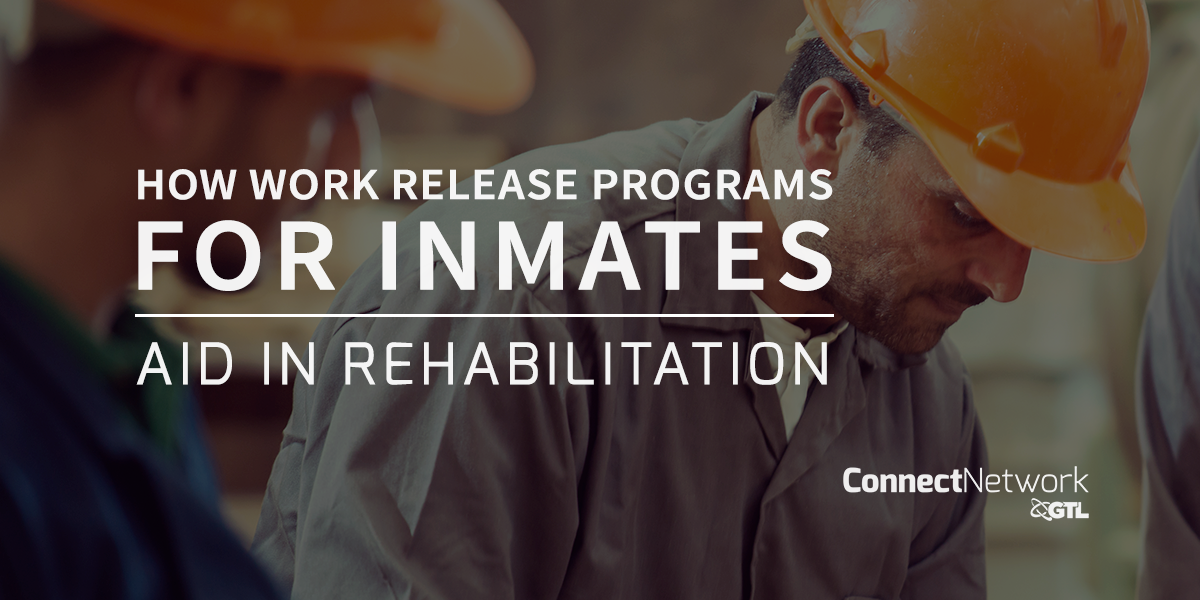
The Financial Imperative Behind Work Release
For many, re-entering society after a period of incarceration presents a formidable challenge, particularly regarding financial stability. A work release program directly addresses this economic void, serving as a critical bridge from dependence to independence.
Bridging the Economic Gap Post-Incarceration
One of the most significant barriers to successful reintegration is the immediate lack of income and financial resources upon release. Individuals often emerge with little to no savings, substantial court-ordered fines, restitution payments, child support arrears, and a general absence of a financial safety net. This precarious economic position can significantly increase the likelihood of re-offending, as desperation drives individuals to unsustainable or illegal means of survival. Work release programs provide a structured environment to begin earning legitimate income before full release, thereby mitigating this acute financial vulnerability. It allows participants to accumulate funds, address urgent financial obligations, and secure stable employment, which is a cornerstone of economic stability.
Generating Income and Meeting Obligations
Participants in work release programs are typically employed in various jobs, earning wages commensurate with their skills and local market rates. This income is not merely for personal spending; it is systematically disbursed to address a multitude of financial responsibilities. A significant portion often goes towards court-ordered restitution for victims, fines, and fees associated with their conviction. Child support payments, which can accrue substantially during incarceration, are another critical financial obligation met through work release earnings. Beyond these, participants typically pay a portion of their wages for room and board at the correctional facility, further reducing the financial burden on the state and taxpayers. The remainder can be saved, providing a vital nest egg for housing, transportation, and other necessities upon their full release. This structured approach to income generation and disbursement instills discipline and accountability, laying a groundwork for responsible financial management.
Structure and Eligibility: A Financial Gateway
Entry into a work release program is not automatic but contingent upon meeting specific criteria, many of which are interwoven with an individual’s financial readiness and potential for economic contribution.
Eligibility Criteria with a Financial Lens
Correctional authorities assess numerous factors when considering an individual for work release, and the financial implications are often paramount. A key consideration is the applicant’s ability to secure and maintain stable employment. This isn’t just about having a job; it’s about having a job that provides sufficient income to cover their program fees, financial obligations, and contribute to savings. Furthermore, a participant’s past financial record, including their history of debt, ability to manage funds, and any prior attempts at meeting financial responsibilities, can play a role in the decision-making process. The program seeks individuals who demonstrate a willingness and capacity to engage in productive economic activity and manage their finances responsibly, signaling a commitment to a law-abiding, financially independent future.
The Application and Approval Process: Demonstrating Financial Readiness
The application process typically involves a thorough review of an individual’s criminal history, behavior within the facility, and most importantly for our financial focus, their employment prospects. Many programs require applicants to have a pre-arranged job offer or at least a strong, verifiable lead on employment. This ensures that upon approval, the participant can immediately begin generating income. The type of employment is also scrutinized to ensure it is legitimate, stable, and offers fair wages. The process often includes interviews, background checks on potential employers, and an assessment of the individual’s proposed budget and financial plan. Demonstrating a clear understanding of financial obligations and a viable strategy for meeting them is often a crucial component for successful approval.
Financial Management and Responsibility Within the Program
Work release programs are designed not just to facilitate earning but also to impart crucial lessons in financial management, often for individuals who have historically struggled with it.
Wage Earning and Disbursement Mechanics
When a work release participant earns wages, the funds are typically not directly handed to them. Instead, their paychecks are often sent directly to the correctional facility or a designated administrative entity. This centralized control allows for a systematic and transparent disbursement process. Funds are allocated according to a pre-established hierarchy:
- Court-Ordered Obligations: Restitution, fines, and court fees are often paid first, ensuring victims are compensated and legal mandates are met.
- Child Support: Regular payments are made to support dependents, fulfilling crucial family responsibilities.
- Program Fees: A portion of the wages covers the cost of room, board, and administrative fees associated with participation in the work release program, effectively making the program partially self-sustaining.
- Savings: A mandatory or encouraged portion of the remaining wages is typically directed into a savings account, providing a financial cushion for the participant upon release.
- Personal Spending: A small allowance may be provided for approved personal expenses.
This structured disbursement ensures financial obligations are met consistently, prevents misuse of funds, and instills a routine of financial prioritization.
Budgeting and Financial Literacy Training

A critical, albeit often overlooked, aspect of work release programs is the opportunity for participants to engage in basic financial literacy training. Many facilities offer workshops or require participation in programs that teach essential budgeting skills, the importance of saving, managing debt, understanding credit, and navigating banking services. For individuals who may have never managed a legitimate income or who have a history of poor financial decisions, these lessons are invaluable. Learning to create a budget, track expenses, differentiate between needs and wants, and set financial goals within the controlled environment of work release provides practical experience and builds confidence in managing personal finances independently.
Building a Financial Foundation for Reintegration
Successfully completing a work release program contributes significantly to building a solid financial foundation for post-release life. Participants can accumulate savings, which can be used for initial housing deposits, transportation, or even to start a small business. By consistently meeting financial obligations, they indirectly begin to address past debts, which, while not directly improving credit scores during incarceration, sets a positive precedent for future financial interactions. Furthermore, establishing a consistent work history and demonstrating financial responsibility can improve their prospects for future employment and housing, as they can showcase a tangible record of stability and commitment.
The Economic Impact: For Individuals and Society
The economic benefits of work release programs extend far beyond the individual participant, creating ripple effects that positively impact families, communities, and the broader economy.
Individual Financial Stability and Reduced Recidivism
Perhaps the most compelling argument for work release programs lies in their direct correlation with reduced recidivism. Financial instability is a significant driver of re-offending. When individuals have stable employment, a legitimate income, and the ability to meet their financial responsibilities, their sense of dignity, purpose, and self-worth increases dramatically. This economic stability provides a strong incentive to avoid criminal activity, as they have something tangible to lose. By equipping participants with financial resources and the skills to manage them, work release programs empower individuals to build new, law-abiding lives, thereby breaking cycles of incarceration and poverty.
Taxpayer Savings and Community Contributions
Work release programs significantly reduce the financial burden on taxpayers. First, participants contribute to the economy by paying taxes (income tax, sales tax) on their earnings. Second, their wages directly fund a portion of their incarceration costs, reducing the need for state or federal subsidies for their housing and supervision. Third, by lowering recidivism rates, these programs save taxpayer money that would otherwise be spent on re-arrests, court proceedings, and further incarceration. Moreover, employed individuals contribute to their local economies through spending, supporting businesses, and strengthening the community’s economic fabric. The program transforms individuals from being a financial liability to becoming contributing members of society.
Overcoming Financial Stigma
Successfully completing a work release program, with its inherent focus on employment and financial responsibility, can also help individuals overcome the significant financial stigma associated with a criminal record. Demonstrating a consistent work history, a track record of meeting financial obligations, and accumulated savings provides concrete evidence of reliability and trustworthiness. This can be crucial in securing future employment, obtaining housing, and even building relationships with financial institutions, slowly rebuilding credibility and trust that might have been lost.
Challenges and Optimizing Financial Outcomes
Despite its profound benefits, work release is not without its challenges, particularly in maximizing its financial potential for every participant.
Navigating Employment Barriers
While work release facilitates employment, participants often face significant hurdles in securing stable, well-paying jobs. Employers may be reluctant to hire individuals with criminal records, leading to limited options, lower wages, and precarious employment. The program’s effectiveness hinges on the availability of meaningful job opportunities that pay a living wage and offer potential for advancement. Addressing these systemic employment barriers through employer incentives, robust job placement services, and advocacy is crucial for optimizing the financial outcomes of work release participants.
The Importance of Robust Financial Education
While some programs offer financial literacy, the depth and breadth can vary. To truly empower participants, comprehensive and ongoing financial education is essential. This includes not just budgeting basics but also understanding credit reports, the process of opening bank accounts, managing student loans (if applicable), identifying predatory lending practices, and basic investment concepts like retirement planning. A superficial understanding of financial principles is insufficient for long-term success; deep-seated knowledge and practical application are required to navigate the complexities of personal finance effectively after release.

Long-Term Financial Planning
The work release program provides a structured financial environment, but the true test comes after full release. Participants need to be equipped with the tools and mindset for long-term financial planning. This includes continued saving, potentially exploring avenues for online income or side hustles, judicious use of credit, and planning for retirement or significant life events. The program should ideally serve as a springboard, not just a temporary fix, preparing individuals to make sound financial decisions independently and build lasting wealth and security. Without this long-term vision and continued support, the financial gains made during work release can quickly dissipate.
aViewFromTheCave is a participant in the Amazon Services LLC Associates Program, an affiliate advertising program designed to provide a means for sites to earn advertising fees by advertising and linking to Amazon.com. Amazon, the Amazon logo, AmazonSupply, and the AmazonSupply logo are trademarks of Amazon.com, Inc. or its affiliates. As an Amazon Associate we earn affiliate commissions from qualifying purchases.