
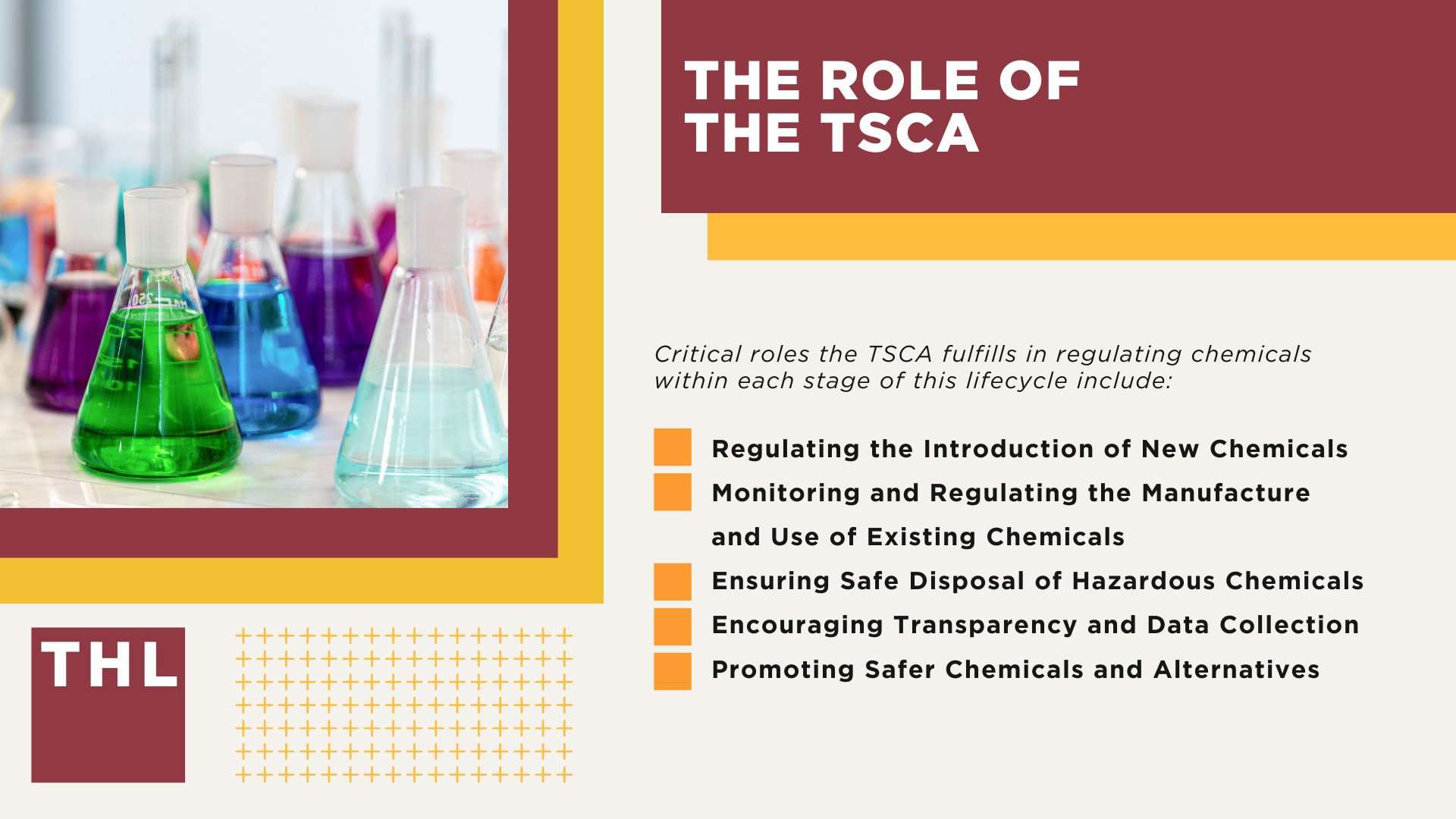
The Toxic Substances Control Act (TSCA), enacted by the U.S. Congress in 1976 and significantly reformed by the Frank R. Lautenberg Chemical Safety for the 21st Century Act in 2016, represents a foundational pillar of environmental law and, critically, a pervasive force in business finance. At its core, TSCA provides the U.S. Environmental Protection Agency (EPA) with the authority to regulate chemical substances and mixtures entering commerce. While often framed as an environmental and public health statute, its implications for corporate balance sheets, investment decisions, market competitiveness, and overall business strategy are profound and far-reaching. Understanding TSCA is not merely a matter of legal compliance; it is an exercise in comprehensive risk management, strategic resource allocation, and maintaining financial viability in a complex regulatory environment. For businesses operating within, or supplying to, the chemical industry and its many downstream sectors, TSCA dictates significant financial outlays, shapes market dynamics, and introduces both substantial risks and unique opportunities.

The Financial Imperative of TSCA Compliance
Compliance with TSCA is not an optional expense but a non-negotiable cost of doing business for countless enterprises. The regulatory framework imposes a multitude of financial demands, from upfront investments in data generation to ongoing operational expenditures. These costs cascade throughout the product lifecycle, influencing research and development budgets, manufacturing processes, supply chain logistics, and even product discontinuation strategies. A failure to accurately forecast and manage these compliance-related expenditures can severely impact profitability, cash flow, and ultimately, shareholder value.
Direct Costs: Testing, Reporting, and Recordkeeping
The most immediate and quantifiable financial burdens of TSCA compliance manifest as direct costs associated with testing, reporting, and recordkeeping. Manufacturers and importers of chemical substances may be required to conduct extensive toxicity testing to assess human health and environmental risks. These studies, often conducted by specialized laboratories, can involve significant capital investment, proprietary methodologies, and substantial timeframes, with costs ranging from tens of thousands to millions of dollars per substance, depending on the complexity and scope of the required data. For new chemicals, the pre-manufacture notice (PMN) process demands a comprehensive data package, incurring not only testing fees but also substantial administrative and legal costs for preparation and submission.
Beyond initial assessments, TSCA mandates various reporting obligations. The Chemical Data Reporting (CDR) rule, for instance, requires manufacturers and importers to periodically report information on chemical production volumes, uses, and exposure. Preparing these reports necessitates dedicated personnel, data management systems, and often, third-party consulting services to ensure accuracy and completeness, particularly for companies managing large chemical portfolios. Each reporting cycle represents a recurring operational expense.
Furthermore, maintaining meticulous records is an ongoing financial commitment. Companies must retain documentation related to chemical identity, production volumes, health and safety data, allegations of adverse effects, and compliance certifications. Establishing robust recordkeeping systems, whether digital or physical, requires investment in infrastructure, software, and staff training. The opportunity cost of diverting internal resources from revenue-generating activities to record management is also a crucial financial consideration. These direct costs, while essential for compliance, directly reduce a company’s bottom line and must be factored into product pricing and financial projections.
Indirect Costs: Product Innovation and Supply Chain Management
Beyond direct expenditures, TSCA compliance introduces significant indirect costs that subtly but powerfully shape a company’s financial landscape. One prominent area is product innovation. The stringent requirements for new chemical introductions or significant new uses (SNUs) can deter investment in novel chemistries due to the high regulatory hurdles, prolonged approval timelines, and associated financial risks. Companies must weigh the potential market returns against the substantial upfront investment in testing and regulatory navigation. This can lead to a more conservative innovation pipeline, potentially stifling technological advancement or delaying market entry for potentially lucrative new products. Research and development (R&D) budgets must now explicitly account for regulatory toxicology, exposure modeling, and risk assessment expertise, adding layers of cost to the innovation process.
Supply chain management is another area heavily impacted by TSCA’s indirect financial costs. Companies, particularly those in manufacturing, are responsible for ensuring the compliance of their entire supply chain, both upstream and downstream. This necessitates rigorous vendor vetting, contractual agreements outlining compliance responsibilities, and ongoing monitoring of raw material sources. Implementing such robust supply chain oversight requires investment in auditing processes, data exchange platforms, and personnel dedicated to regulatory assurance. Disruptions caused by a supplier’s non-compliance—such as the need to reformulate a product or find an alternative source—can result in significant financial losses due to production delays, waste generation, and contractual penalties. Furthermore, the selection of safer, compliant chemical alternatives can sometimes come at a premium, affecting material costs and profit margins. These indirect costs, while harder to quantify than direct fees, represent a significant drag on operational efficiency and overall financial performance.
Navigating Regulatory Risk and Business Sustainability
The financial implications of TSCA extend far beyond compliance costs. The Act introduces substantial regulatory risks that, if unmanaged, can jeopardize a company’s financial stability, market capitalization, and long-term sustainability. Proactive risk assessment and mitigation strategies are paramount for financial resilience.
Penalties, Litigation, and Reputational Damage
Non-compliance with TSCA carries severe financial consequences. The EPA has broad authority to levy substantial civil penalties, which can be millions of dollars for egregious or repeated violations. For example, a failure to submit required reports or to comply with a testing order can result in daily penalties that quickly accumulate. In addition to civil fines, criminal penalties, including imprisonment, can be imposed for knowing or willful violations, posing existential threats to individual careers and corporate leadership. These direct financial hits immediately impact cash reserves and profitability, and often necessitate costly legal defenses.
Beyond regulatory fines, non-compliance can trigger extensive private litigation. Companies may face lawsuits from affected communities, environmental groups, or even their own shareholders if a violation leads to financial losses or a decline in stock value. Such litigation can incur enormous legal fees, potential settlement costs, and prolonged public scrutiny, diverting management attention and financial resources from core business operations.
Perhaps less quantifiable but equally devastating is the risk of reputational damage. In today’s transparent, interconnected world, a company found to be in violation of environmental laws like TSCA can experience a swift and severe blow to its brand image and public trust. This can translate directly into financial losses through reduced consumer demand, strained relationships with business partners, difficulty attracting and retaining talent, and a decline in investor confidence. Restoring a damaged reputation often requires significant marketing and public relations expenditures, with no guarantee of full recovery. The intangible financial cost of a tarnished brand can far outweigh the direct fines imposed.
Investment Considerations in a Regulated Landscape
For investors, TSCA presents a critical lens through which to evaluate companies, particularly those in the chemical, manufacturing, and consumer product sectors. A company’s approach to TSCA compliance and chemical management is a key indicator of its operational maturity, risk management capabilities, and long-term financial health. Investors increasingly scrutinize Environmental, Social, and Governance (ESG) factors, and robust chemical safety practices are a core component of the “E” in ESG.
Companies with proactive chemical management strategies, including investment in green chemistry and safer alternatives, may be viewed as more resilient and sustainable, commanding higher valuations. Conversely, companies with a history of non-compliance, or those heavily reliant on substances likely to face future restrictions under TSCA, may be considered higher-risk investments. Analysts now incorporate regulatory risk assessments into their financial models, evaluating potential liabilities, future compliance costs, and the impact of evolving regulations on product portfolios and market access.
For private equity firms and venture capitalists, due diligence for acquisitions in relevant industries must include a thorough TSCA compliance audit to uncover hidden liabilities that could significantly impact post-acquisition financial performance. The cost of environmental indemnities and remediation plans can be substantial, directly affecting transaction valuations. Understanding a company’s TSCA exposure is therefore integral to informed investment decisions and ensuring portfolio stability.
TSCA’s Economic Impact on Industries and Markets
TSCA’s reach extends beyond individual corporate balance sheets, profoundly shaping the economic landscape of entire industries and influencing market dynamics. Its regulatory mandates create both competitive pressures and opportunities, driving innovation, restructuring supply chains, and impacting consumer choices.
Chemical Manufacturing and Processing
The chemical manufacturing and processing industry is arguably the most directly and pervasively affected by TSCA. For chemical producers, the Act dictates the rules of engagement for developing, producing, and distributing their core products. The high cost and lengthy timelines associated with new chemical approvals can act as a significant barrier to entry for smaller firms, favoring established players with greater financial resources for R&D and regulatory navigation. This can lead to market consolidation and reduced competition in certain segments.
For existing chemicals, TSCA’s risk evaluation and management process can lead to significant changes. If the EPA determines that a chemical poses an unreasonable risk, it can impose restrictions on its manufacture, processing, distribution, or use, or even outright ban it. Such actions have direct financial repercussions, forcing companies to reformulate products, retool production lines, or discontinue entire product lines. The financial impact of a ban on a widely used chemical can be immense, leading to write-downs of assets, inventory losses, and a need for substantial investment in developing and scaling safer alternatives. Conversely, companies that proactively develop and market safer alternatives to chemicals under regulatory scrutiny can gain a significant competitive advantage and capture new market share, turning regulatory challenges into financial opportunities.
Downstream Industries and Consumer Products
TSCA’s influence extends far beyond the direct chemical producers to a vast array of downstream industries that utilize chemical substances in their products. This includes sectors such as electronics, automotive, textiles, paints and coatings, construction materials, and numerous consumer product manufacturers. These industries face the challenge of ensuring that the chemical components they source comply with TSCA, and that their finished products do not inadvertently contain restricted or banned substances.
For these downstream users, the economic impact primarily revolves around supply chain management and product stewardship. They must invest in robust chemical management systems to track and verify the compliance status of every ingredient. A restriction on a key chemical input can necessitate costly product reformulation, retesting, and rebranding. For example, if a specific flame retardant is restricted, companies manufacturing electronics or furniture may need to invest heavily in finding and validating new, compliant alternatives, potentially at a higher cost or with different performance characteristics. This can lead to increased production costs, delays in product launches, and potentially a competitive disadvantage if competitors adapt more quickly.
The consumer products sector is particularly sensitive to TSCA’s impact, as consumer perception of product safety directly influences sales and brand loyalty. Companies selling everything from toys to cleaning supplies must demonstrate that their products are free from regulated toxic substances. This drives investment in product safety testing, transparent labeling, and diligent sourcing, all of which contribute to the overall cost of goods sold. The financial health of these industries is inextricably linked to their ability to navigate TSCA’s evolving regulatory landscape.
The Future of Chemical Regulation and Business Strategy
The 2016 amendments to TSCA marked a significant shift towards a more proactive and risk-based approach to chemical regulation. This evolution necessitates continuous adaptation in business finance and strategy. Companies can no longer afford to view TSCA compliance as a static checklist but must integrate it into their core financial planning and strategic decision-making processes.

Emerging Trends and Compliance Evolution
The future of TSCA compliance promises continued evolution, driven by scientific advancements, public health concerns, and global regulatory trends. The EPA’s ongoing risk evaluations for existing chemicals mean that the list of substances subject to potential restrictions or bans will continue to grow. This requires companies to maintain agile chemical portfolios, ready to pivot away from high-risk substances and invest in sustainable alternatives. The financial implications include budgeting for ongoing R&D, potential capital expenditures for process changes, and reserving for potential asset write-downs.
Increased focus on specific chemical classes (e.g., PFAS, phthalates) and vulnerable populations will also shape future compliance requirements. This trend underscores the importance of granular chemical inventory management and exposure assessment, adding complexity and cost to data generation and reporting. Furthermore, the convergence of TSCA with other chemical regulations globally (e.g., REACH in Europe) means that companies operating internationally must develop harmonized compliance strategies to optimize resources and reduce redundant efforts. Investing in integrated regulatory information systems and specialized compliance personnel will become increasingly critical for managing these complexities efficiently.
From a financial perspective, proactive engagement with regulatory bodies, participation in industry consortia, and investment in foresight regarding emerging chemical risks can provide a competitive edge. Companies that anticipate future regulations and strategically transition to safer chemistries earlier will likely incur lower long-term compliance costs and gain market leadership.
In conclusion, TSCA is far more than an environmental statute; it is a fundamental economic driver and a critical determinant of financial success or failure in numerous industries. Its mandates for testing, reporting, and risk management translate directly into substantial financial costs and risks, shaping business finance from R&D budgets to supply chain management and investor confidence. For companies and investors alike, a sophisticated understanding of TSCA is indispensable for navigating the complexities of the modern economy and ensuring long-term financial health and sustainability.
aViewFromTheCave is a participant in the Amazon Services LLC Associates Program, an affiliate advertising program designed to provide a means for sites to earn advertising fees by advertising and linking to Amazon.com. Amazon, the Amazon logo, AmazonSupply, and the AmazonSupply logo are trademarks of Amazon.com, Inc. or its affiliates. As an Amazon Associate we earn affiliate commissions from qualifying purchases.