
At its core, natural capital represents the world’s stock of natural assets, encompassing everything from the geology, soil, air, and water to all living organisms. This vast and intricate web of resources provides a continuous flow of goods and services that are indispensable to human well-being and, critically, to the global economy. For too long, these foundational assets were treated as infinite and free, external to traditional financial models. However, an increasingly sophisticated understanding of economic realities reveals that natural capital is not merely an environmental concern but a fundamental component of financial stability, business resilience, and investment opportunity.
The Economic Foundation of Life
Understanding natural capital from a financial perspective means recognizing that the environment is not just a backdrop for economic activity, but an active, indispensable participant, providing essential inputs and absorbing outputs.
Defining Natural Capital in Financial Terms
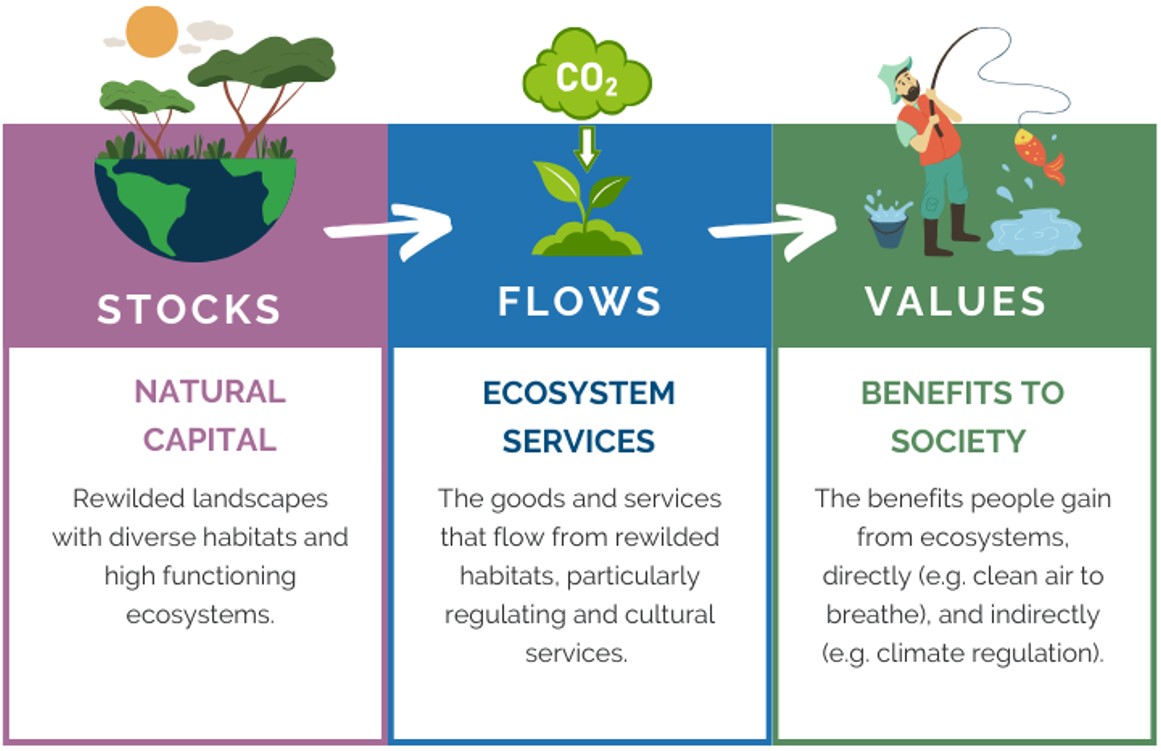
Just as a company’s financial capital includes its cash, investments, and physical assets, natural capital represents the Earth’s “balance sheet” of natural resources. These are the physical stocks – forests, oceans, freshwater systems, mineral deposits, fertile land, and biodiversity – that generate a continuous flow of “natural income” or “ecosystem services.” Without these stocks, the services they provide would cease, leading to catastrophic financial and social collapse. The depreciation of natural capital, through pollution, deforestation, or over-extraction, is akin to a business liquidating its core assets without reinvestment, inevitably leading to diminished future productivity and financial ruin.
Ecosystem Services: The Dividends of Nature
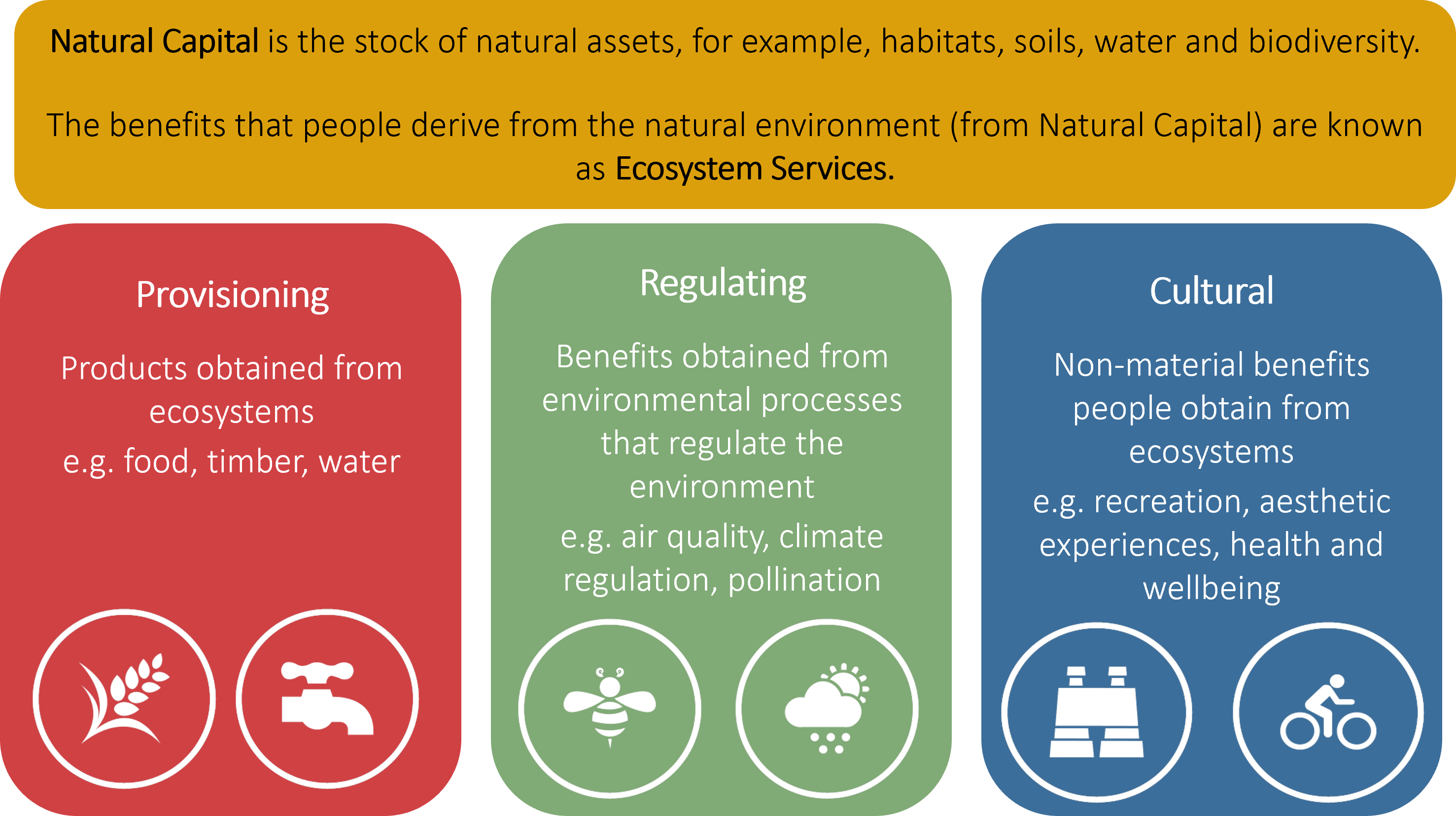
Ecosystem services are the direct and indirect benefits that humans derive from ecosystems. These services can be broadly categorized:
- Provisioning Services: Tangible products such as food, fresh water, timber, fibers, and genetic resources. These are direct inputs into numerous industries, from agriculture and manufacturing to pharmaceuticals.
- Regulating Services: The benefits obtained from the regulation of ecosystem processes, including climate regulation (carbon sequestration), flood control, disease regulation, water purification, and pollination of crops. These services reduce risks and costs for businesses and communities.
- Cultural Services: Non-material benefits such as recreation, aesthetic enjoyment, spiritual enrichment, and educational opportunities. These contribute to human well-being and can drive industries like tourism and outdoor recreation.
- Supporting Services: Services necessary for the production of all other ecosystem services, such as nutrient cycling, soil formation, and primary production (photosynthesis). These are the fundamental processes that underpin all life and economic activity.
The economic value of these services is immense. For instance, the global economy relies on pollinators for a significant portion of its food supply, a service valued in the hundreds of billions of dollars annually. When these services degrade or disappear, the financial burden shifts to human-engineered, often more expensive, alternatives – if alternatives are even possible.
From Free Goods to Valued Assets
Historically, many natural resources were treated as “free goods” in economic models, leading to a pervasive undervaluation. The costs of resource depletion or pollution were “externalized,” meaning they were borne by society or the environment rather than being reflected in market prices or corporate balance sheets. This oversight led to unsustainable practices and significant environmental degradation. Today, there is a growing consensus in financial circles that recognizing and valuing natural capital is crucial for accurate risk assessment, long-term business strategy, and sustainable investment. This paradigm shift involves internalizing these “externalities” and integrating the true cost and value of nature into financial reporting and decision-making.
Valuing the Priceless: Integrating Natural Capital into Financial Decision-Making
The challenge of placing a monetary value on intricate natural systems is complex, yet essential for responsible financial management and investment. Without valuation, natural capital assets remain invisible in traditional financial statements, leading to misinformed decisions.
The Imperative of Valuation
Attaching economic values to natural capital helps stakeholders understand the financial implications of environmental change and the benefits of conservation. Various methodologies exist to quantify these values:
- Direct Market Valuation: Applicable when natural resources are traded in markets (e.g., timber, fish catches, agricultural products).
- Avoided Cost Method: Calculates the costs avoided by maintaining an ecosystem service (e.g., the cost of building a water treatment plant versus protecting a natural wetland that purifies water).
- Replacement Cost Method: Estimates the cost of replacing an ecosystem service with a human-made alternative (e.g., the cost of artificial pollination versus natural insect pollination).
- Contingent Valuation: Uses surveys to ask people how much they would be willing to pay for an environmental good or service, or to accept compensation for its loss.
- Hedonic Pricing: Infers values from property prices or wages, reflecting how environmental attributes (e.g., proximity to a park, clean air) influence market transactions.
These valuation techniques, while imperfect, provide critical data for governments, businesses, and investors to assess dependencies and impacts, quantify risks, and identify opportunities related to natural capital.
Financial Risks and Opportunities
The degradation of natural capital presents a spectrum of financial risks and opportunities for businesses and investors.
- Risks:
- Resource Scarcity: Depletion of raw materials (water, minerals, fertile soil) can increase input costs, disrupt supply chains, and limit production.
- Regulatory Changes: Governments are increasingly introducing policies like carbon pricing, biodiversity offsets, pollution taxes, and stricter resource use regulations, which can impose significant costs on businesses.
- Physical Risks: Climate change impacts (extreme weather events, sea-level rise, habitat destruction) can damage physical assets, disrupt operations, and affect agricultural yields, leading to financial losses and insurance claims.
- Reputational Risks: Companies perceived as environmentally destructive face consumer boycotts, investor divestment, and difficulty attracting talent, damaging brand value and market share.
- Opportunities:
- Sustainable Supply Chains: Investing in sustainable sourcing and production can reduce long-term costs, enhance resource efficiency, and meet growing consumer demand for eco-friendly products.
- Green Innovation: Developing products and services that protect or restore natural capital can open new markets and foster competitive advantage.
- Access to Green Finance: Companies with strong natural capital management practices can access preferential financing terms, including green bonds, sustainability-linked loans, and impact investment funds.
- Enhanced Resilience: Businesses that proactively manage their natural capital dependencies are better positioned to withstand environmental shocks and regulatory shifts.
Natural Capital in Corporate Reporting and Strategy
The integration of natural capital into corporate reporting is gaining momentum. Initiatives like the Task Force on Climate-related Financial Disclosures (TCFD) and the emerging Taskforce on Nature-related Financial Disclosures (TNFD) are pushing companies to disclose their dependencies and impacts on nature. This transparency allows investors and other stakeholders to make more informed decisions. Integrated reporting, which combines financial and non-financial information, helps present a holistic view of a company’s value creation. Companies are increasingly performing natural capital assessments to understand their environmental footprint, identify risks, and develop strategies that ensure long-term sustainability and financial performance.
Investing in Nature: A Growing Asset Class
The recognition of natural capital’s financial importance has catalyzed the emergence of “natural capital investment” as a distinct and rapidly growing asset class. Investors are increasingly allocating capital towards ventures that simultaneously generate financial returns and positive environmental outcomes.
The Rise of Natural Capital Investment
The motivation behind natural capital investment is multi-faceted:
- Long-Term Value Creation: Investors are realizing that the health of natural systems directly correlates with long-term economic stability and asset value. Degradation poses systemic risks to portfolios.
- Risk Mitigation: Investing in natural capital can diversify portfolios and hedge against risks associated with climate change, resource scarcity, and environmental regulations.
- Impact Investing: Many investors are driven by a desire to achieve both financial returns and measurable positive environmental and social impact, aligning with ESG principles.
- Emerging Markets: The demand for solutions addressing environmental challenges has created new markets and technologies, offering attractive growth opportunities.
Diverse Investment Avenues
Natural capital investment is not a monolithic category but encompasses a broad range of activities and sectors:
- Sustainable Land Management: Investments in regenerative agriculture, sustainable forestry, and organic farming practices that improve soil health, water retention, and biodiversity while producing food and fiber.
- Ecosystem Restoration Projects: Funding initiatives to restore degraded wetlands, forests, coral reefs, and other critical ecosystems, often through mechanisms like carbon credits or biodiversity offsets.
- Water Infrastructure and Conservation: Investments in efficient irrigation technologies, water treatment solutions, watershed protection, and sustainable water management projects.
- Biodiversity Credits and Carbon Markets: Emerging markets where financial instruments are traded based on the conservation or enhancement of biodiversity and carbon sequestration.
- Companies with Strong Natural Capital Management: Investing in publicly traded or private companies that demonstrate leading practices in resource efficiency, waste reduction, pollution control, and supply chain sustainability.
- Nature-Based Solutions (NbS): Investments in projects that use natural processes to address societal challenges, such as using mangroves for coastal protection or urban green spaces for stormwater management.
Measuring Impact and Financial Returns
A key challenge in natural capital investment is accurately measuring both the ecological impact and the financial returns. While financial metrics are well-established, quantifying environmental benefits requires robust monitoring, scientific expertise, and standardized reporting frameworks. The goal is to demonstrate that environmental stewardship is not merely a cost center but a generator of financial value, either through direct revenue streams (e.g., sustainable timber), cost savings (e.g., reduced water consumption), or risk reduction (e.g., improved regulatory compliance). Blended finance structures, combining public and private capital, are often used to de-risk projects and attract private investment into this nascent but vital sector.
Policy, Regulation, and the Future of Finance
The transition towards a finance system that fully accounts for natural capital requires concerted efforts from governments, regulators, and international bodies, alongside private sector innovation.
Government’s Role in Protecting Natural Capital
Governments play a crucial role in shaping the environment for natural capital investments and conservation. This involves:
- Policy Frameworks: Establishing clear policies that incentivize sustainable land use, protect biodiversity, and regulate resource extraction.
- Subsidies and Incentives: Reforming harmful subsidies (e.g., for fossil fuels or unsustainable agriculture) and introducing incentives for environmentally friendly practices.
- Protected Areas: Designating and effectively managing protected areas to conserve critical ecosystems and biodiversity hotspots.
- Legal Instruments: Enforcing environmental laws, establishing property rights for ecosystem services, and promoting environmental accounting standards.
International Cooperation and Global Financial Flows
Global challenges like climate change and biodiversity loss necessitate international cooperation. Initiatives such as the UN Sustainable Development Goals (SDGs), the Convention on Biological Diversity (CBD), and international climate agreements provide frameworks for collective action. Development banks, multilateral organizations, and philanthropic foundations are instrumental in channeling finance towards natural capital solutions in developing nations, often de-risking projects for private investors. Cross-border collaboration is vital to address transboundary issues and harmonize standards for natural capital valuation and reporting.

Reshaping Financial Systems
Central banks and financial regulators are increasingly recognizing the systemic risks posed by natural capital degradation. They are exploring ways to integrate natural capital considerations into monetary policy, financial supervision, and stress testing. This includes assessing the exposure of financial institutions to nature-related risks, promoting green finance, and ensuring that financial markets support a sustainable economy. The future of finance will likely see natural capital not just as an “add-on,” but as an integral element in risk management, investment decisions, and the overall stability and resilience of the global financial system. By bringing nature onto the balance sheet, economies can move towards a more sustainable and prosperous future for all.
aViewFromTheCave is a participant in the Amazon Services LLC Associates Program, an affiliate advertising program designed to provide a means for sites to earn advertising fees by advertising and linking to Amazon.com. Amazon, the Amazon logo, AmazonSupply, and the AmazonSupply logo are trademarks of Amazon.com, Inc. or its affiliates. As an Amazon Associate we earn affiliate commissions from qualifying purchases.